





 Portuguese
  English
  Spanish
  4 min of reading
  0 comments


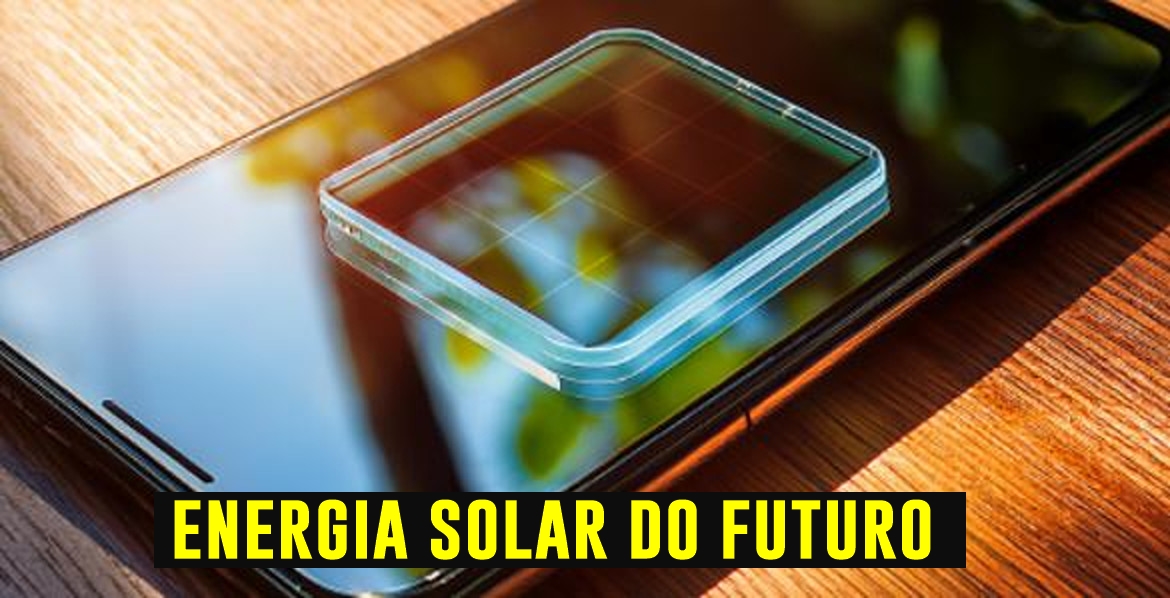
Researchers from Korea Developed Transparent Solar Cells That Can Generate Solar Energy From Glass Surfaces, Like Building Windows, Cars, and Even Smartphone Screens. Discover This Amazing Innovation
Researchers from the School of Energy and Chemical Engineering at Ulsan National Institute of Science and Technology (UNIST), in South Korea, have taken an important step towards a future of increasingly efficient solar energy.
The team, led by Jeonghwan Park and research assistant Prof. Kangmin Lee, created a new transparent solar cell and an innovative module, opening doors to multiple applications across various sectors, from electronics to construction.
The technology developed by the researchers is based on a configuration called all-back-contact (ABC), which concentrates all electrical contacts on the back of the solar cell.
-
Seagri’s headquarters invests in solar energy with Neoenergia Coelba and promises to cut electricity costs, highlighting a strategic advance in sustainability and energy efficiency within state public administration.

-
Solar Pyramid draws attention by converting solar energy into million-dollar savings and repositioning the City Hall of Curitiba as an example of innovation, sustainability, and intelligent use of public resources.
-
Europe records strong euro economy with solar energy in March and sparks curiosity about which country leads growth that redefines the energy market and reduces costs.

-
Piauí reaches a historic milestone in energy transition: State records nearly 160,000 households powered by solar energy and leads growth in the Northeast.

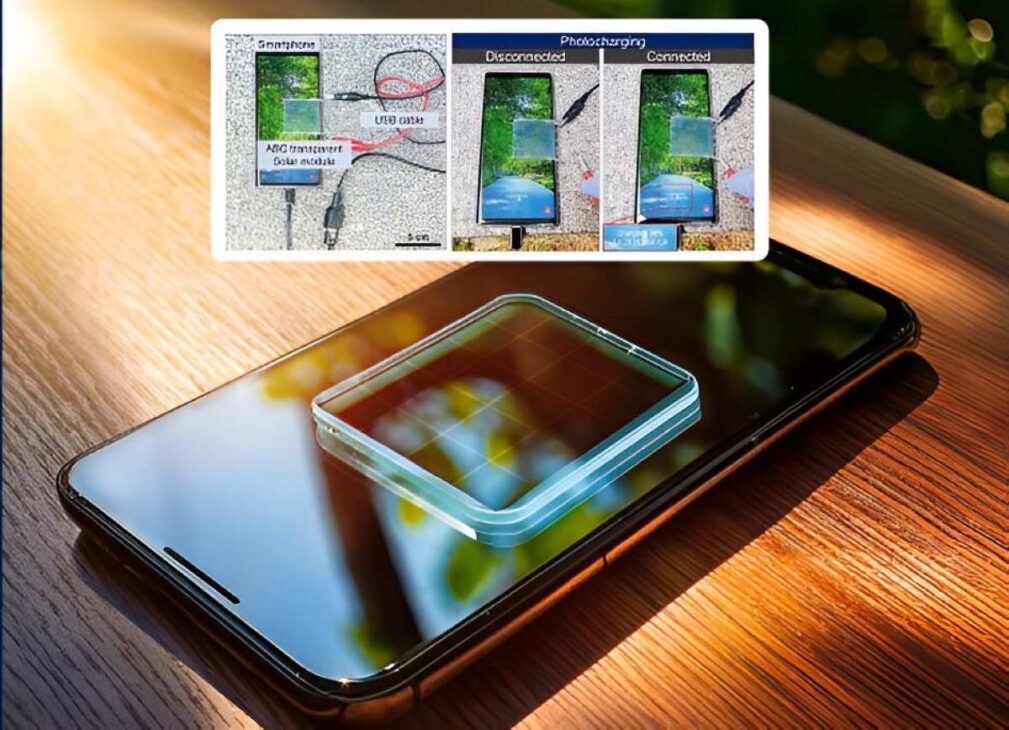
This approach creates a transparent crystalline silicon (c-Si) cell, resembling a glass panel, and eliminates the need for metal wires. Seamless modularization, a key innovation of the project, allows the solar module to function without gaps between the devices.
High Efficiency in Solar Energy Production
The great differentiator of the ABC design lies in its efficiency paired with aesthetics. The solar cells not only demonstrate a high power conversion efficiency (PCE) but also maintain unobstructed visibility thanks to the transparency of the module.
According to the scientific article published in the Proceedings of the National Academy of Sciences, the transparent c-Si solar cell achieved an efficiency of 15.8%, while a larger module, measuring 16 cm², recorded a PCE of 14.7%. Moreover, the average visible transmittance of the cell was 20%, making it ideal for applications where transparency is an aesthetic or functional requirement, such as in building windows and automotive glass.
Another impressive feature of the developed solar module is its ability to generate enough energy to charge a smartphone using only natural sunlight. With an output voltage of 10.0 V and a power output of 235 mW for a 16 cm² module, the device shows great potential for use in small electronic devices.

Promising Applications
The impact of this innovation goes beyond energy efficiency. According to the researchers, the new transparent silicon solar cell can be integrated into a variety of industries.
From use in small electronic devices to applications in construction and automotive, the possibilities are vast. The elimination of metal wires and seamless modularization make this technology extremely versatile and aesthetically pleasing.
Prof. Kwanyong Seo, who also participated in the study, emphasized the importance of perfect modularization for the commercialization of transparent solar cells. “We have opened a new path for modularization research, which is essential for the commercialization of transparent silicon solar cells,” Seo stated.
He added that the team plans to continue research so that this technology can become a key solution in the energy industry of the future, especially regarding environmentally friendly alternatives.
The Evolution of Green Energy
UNIST’s advancement is not limited to transparent solar cells. In March of this year, another research team from the same institution developed a scalable photoelectrochemical system, powered by photovoltaic energy, capable of producing green hydrogen. This innovation is a crucial step in developing clean energy sources, as green hydrogen is considered one of the most promising alternatives to replace fossil fuels in various industries.
The combination of these advances demonstrates UNIST’s commitment to leading the transition to a more sustainable and energy-efficient future. With transparent solar cells, the institution shows that innovation in solar energy does not have to compromise design or functionality. On the contrary, these new technologies can be harmoniously integrated into urban spaces and everyday devices.
Future Prospects
With the results already obtained, the UNIST research team is optimistic about the future of transparent solar energy. They believe this technology has the potential to become a pillar of the energy industry, contributing to the creation of energy self-sufficient buildings and electronic devices with integrated solar charging.
The next challenge will be the large-scale commercialization of these solar cells, which requires continuous improvements in efficiency and reductions in production costs.
However, the initial success already demonstrates that South Korean research is on the right track to transform the way we consume and produce energy. The vision of a future where buildings, cars, and electronic devices utilize transparent solar energy may not be as distant as previously thought.










Seja o primeiro a reagir!