





 English
  Francês
  Alemão
  Italiano
  Japonês
  Norueguês
  Portuguese
  Spanish
  3 min of reading


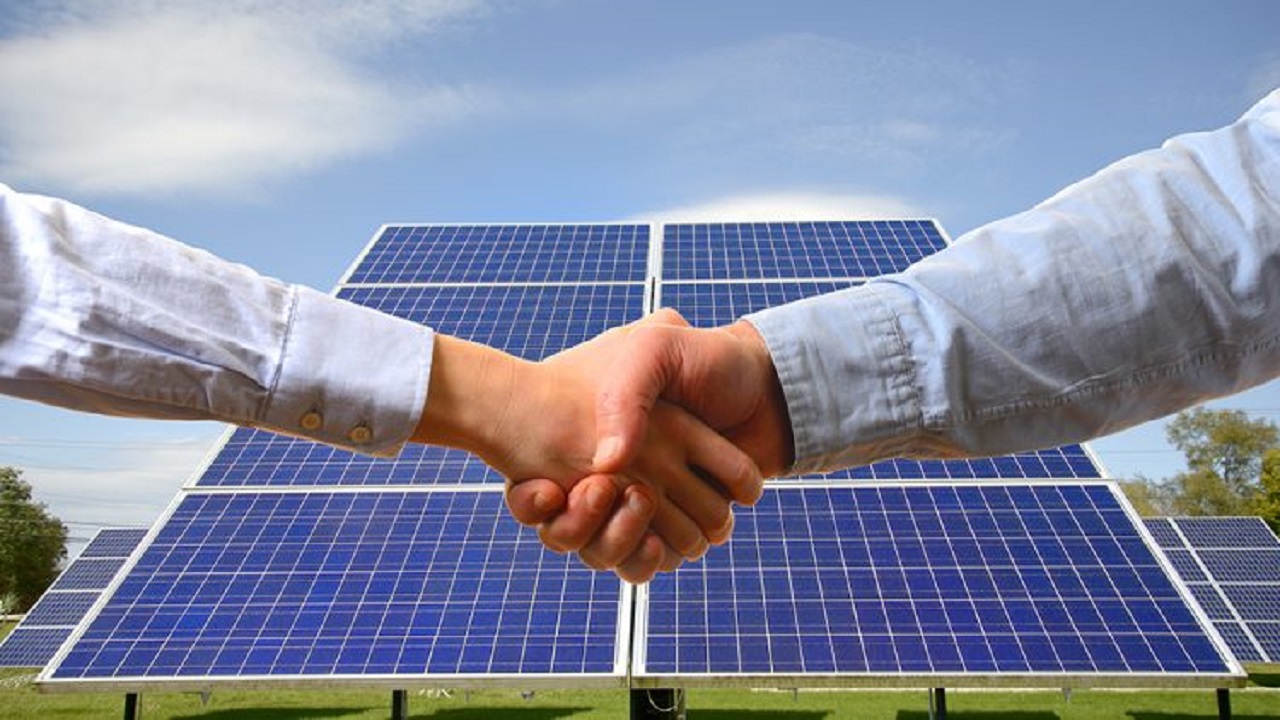
In FHC’s Government, Consumers Suffered from the Privatization of Eletrobras, But This Time It May Be Different, as There Are Other Energy Sources Growing in the Country, Such as Solar Energy, Which Saves R$ 2,700 Per Year in Consumers’ Pockets.
In recent years, solar energy has been acquired at surprising levels and is increasingly gaining prominence, and now that there is a possible privatization of Eletrobras, consumers’ electricity bills have a great chance of increasing by about 14%, making solar energy the new option for consumers.
Read Also
Previous Problems and the Use of Solar Energy
Consumers have already faced some issues with privatization, such as during Fernando Henrique’s government when a privatization process began and there were some blackouts.
However, this time it may be different since consumers now have other options with the arrival of new energy sources, such as solar energy. By installing photovoltaic equipment on rooftops for distributed generation, consumers can save approximately R$ 2,700 per year.
-
Rio Grande do Sul accelerates energy transition: State invests in renewable technologies and consolidates decarbonization strategies and pathways to attract billions in new industrial investments.

-
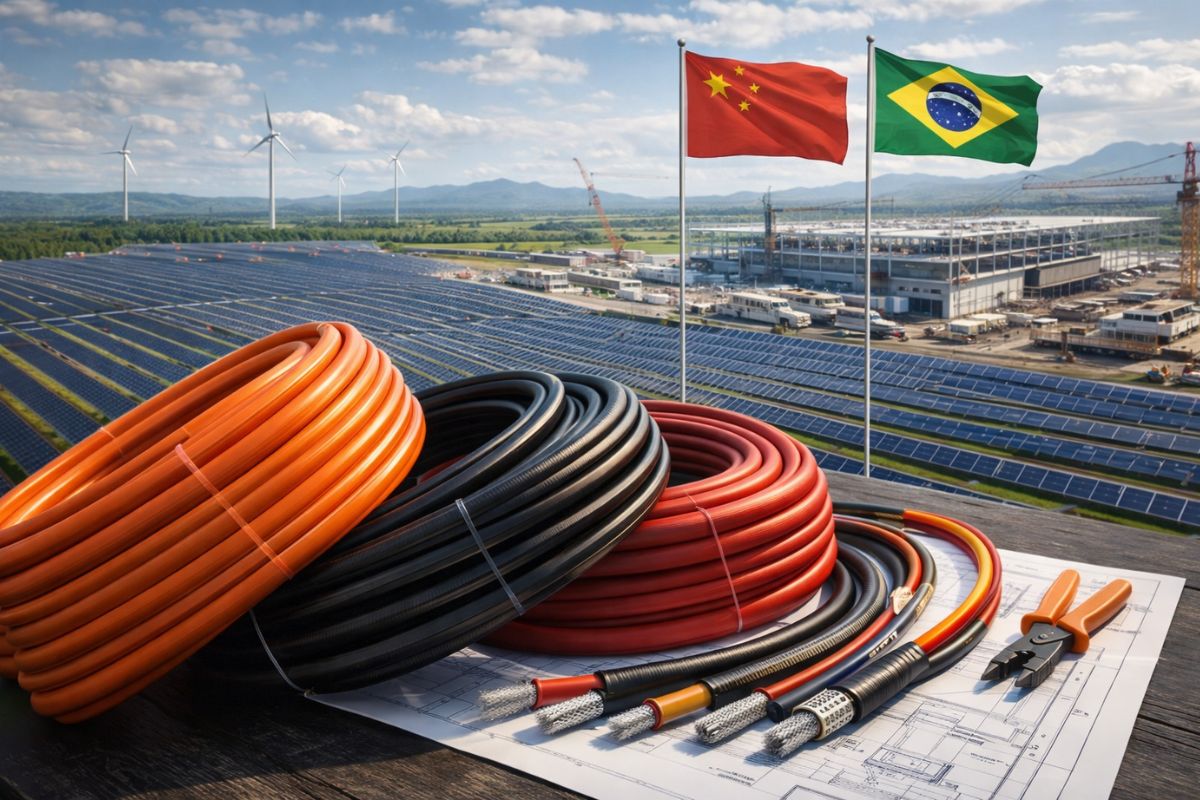
Chinese giant worth nearly R$ 4 billion that manufactures cables for electric cars, solar energy, and robotics wants to open a factory in SC.
-
Many employers do not know, but the law guarantees domestic workers a 25% increase in salary during trips, 50% for overtime, 20% for night shifts, and 17 additional benefits that can lead to labor lawsuits if not paid.

-
Gasoline prices soar and the question arises: is ethanol more advantageous? The 70% rule reveals the limit with gasoline.


The Discussion on the Implementation of Distributed Energy
According to Leonardo Soares, State Secretary for Economic Development, Energy, and International Relations, the Pereira Passos Institute estimated that, on average, a residence in the city of Rio de Janeiro consumes about 165 kilowatts, that is, a bill of R$ 185 per month.
To install a solar energy capture system, consumers would need to invest about R$ 15,000. Considering the average consumption in Rio de Janeiro, and the savings of R$ 2,700 per year, after about five and a half years, consumers would have covered the entire investment in solar energy and would continue saving that amount even after paying for the investment.
According to Camila Nascimento, coordinator of the Brazilian Association of Photovoltaic Solar Energy (Absolar) in Rio de Janeiro, for the solar energy sector to gain strength, it will be necessary for the legislation on the Tax on Circulation of Goods and Services (ICMS) to be adjusted.
“Through Law 8.922/2020, the state was able to compare its conditions with those of Minas regarding ICMS exemption, but there are particularities that still need to be clarified. Therefore, we are seeking an ICMS exemption for up to 5 megawatts, the adjustment of the text to the modalities of distributed generation, and the adequacy of the benefit to the components of the energy tariff,” said Camila.
Understand More About the Privatization of Eletrobras
The proposal, which was submitted to the National Congress by the Government, proposes that Eletrobras sell new common shares on the Stock Exchange and also provides that the Union has the right to a special share, known as a Golden share.
The privatization MP of Eletrobras also establishes that the company will spend about R$ 3.5 billion over ten years to revitalize the São Francisco River basin and more than half a million for the reduction of energy generation courses in the Amazon and for the reservoirs of the Furnas power plant.








Seja o primeiro a reagir!