





 English
  Francês
  Alemão
  Italiano
  Japonês
  Norueguês
  Portuguese
  Spanish
  3 min of reading


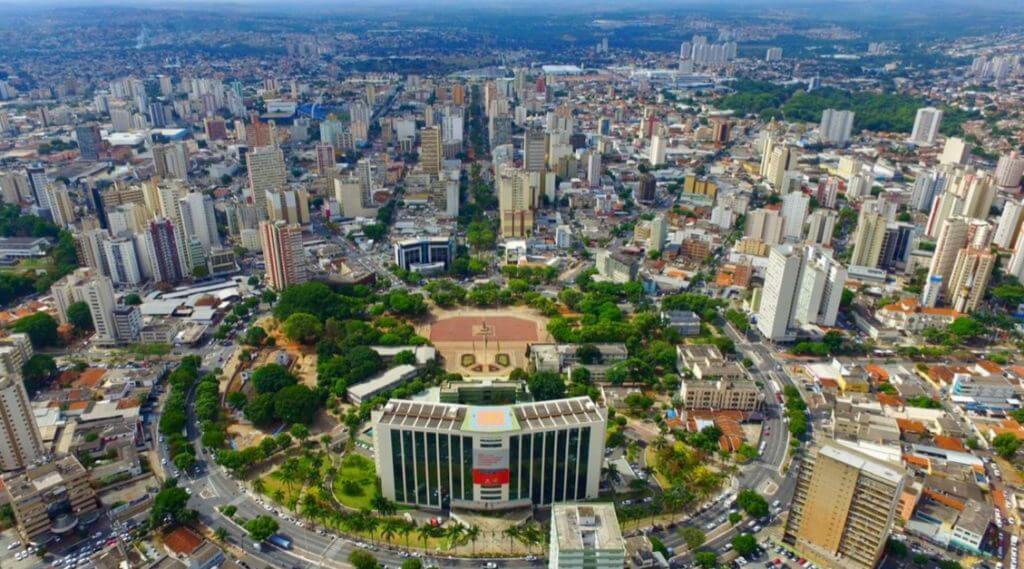
The City Hall of Goiânia Discussed Solar Energy Solutions and Other Energy Distribution Possibilities in a Public Hearing
The City Hall of Goiânia held a public hearing today regarding renewable energies and the popularization of electricity in the more remote rural areas through microgenerated solar energy.
During the hearing, existing plans and future possibilities for the city were discussed, which, like much of Brazil, still does not fully utilize its solar energy generation.
- Electricity Bill: With an Expected Increase in 2022 Up to Three Times Higher Than in 2021, the Search for Decentralized Solar Energy Soars in Brazil
- COP 26: What Changes Regarding Oil and Renewable Energies?
- The U.S. Leads International Movement to Release Oil Reserves to Control Prices After OPEC’s Rejection
Representatives of the public authority, the Federal University of Goiás, and the private sector were heard. This public hearing may be the first step toward a Goiânia that better explores its potential for renewable energies and enables energy distribution in more remote and isolated districts.
-
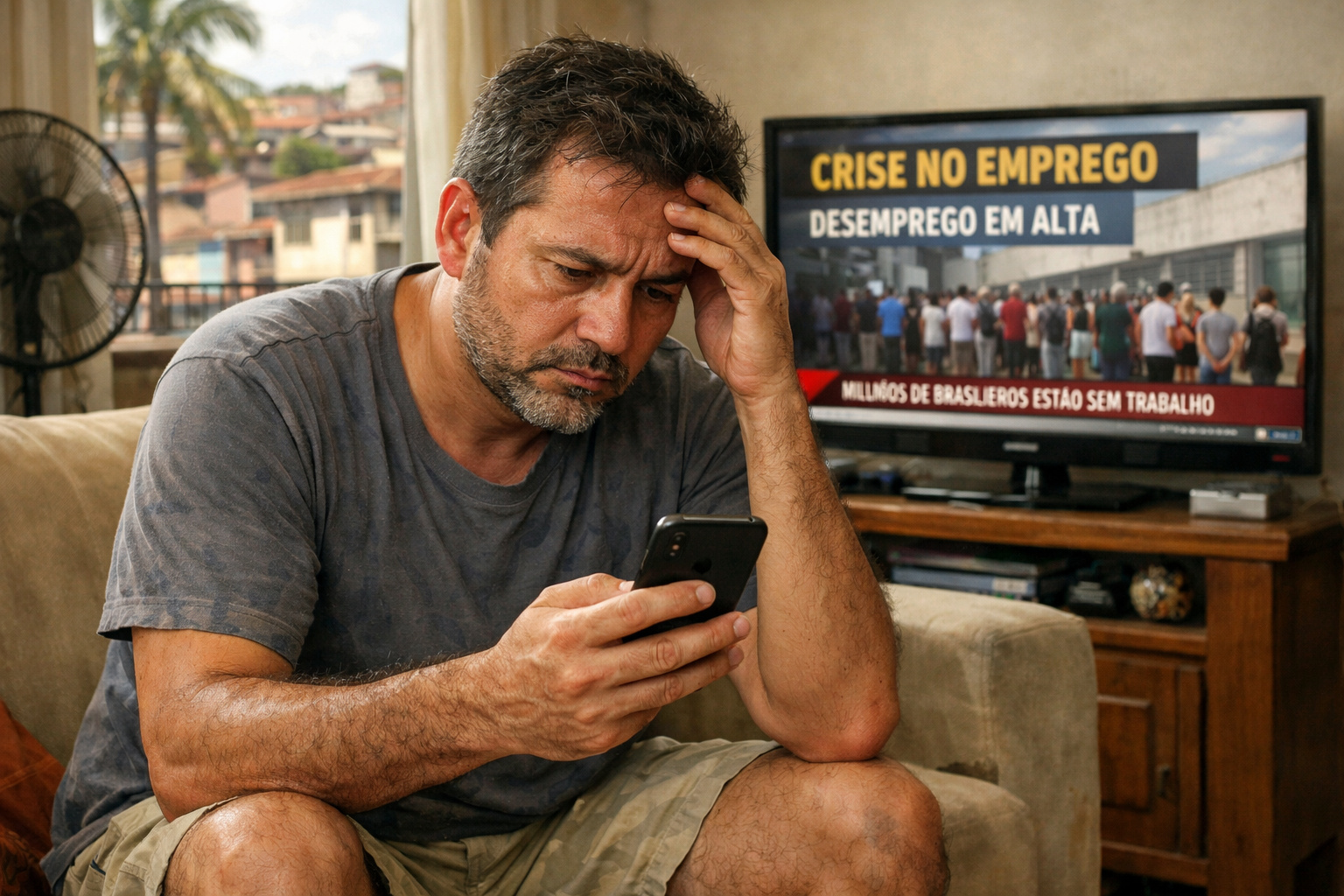
Unemployment rises again to 5.8% at the beginning of 2026, raising alarms about the end of temporary positions and its impact on the Brazilian job market.
-
Document organization can cut invisible costs in small businesses, a simple step that prevents waste, rework, and losses in daily operations.

-
Renewable energy advances over protected areas in Brazil, and a survey by the Energy Transition Observatory reveals silent impacts that challenge environmental conservation and pressure sensitive traditional territories.

-
Rio Grande do Sul accelerates energy transition: State invests in renewable technologies and consolidates decarbonization strategies and pathways to attract billions in new industrial investments.


The Importance of Energy Distribution for Communities and More Remote Citizens


“The fact is that, in the year 2021, with all the technology available, many families in the countryside still live in the dark. Electricity is a public good that deserves to be provided to the entire Brazilian population. Energy brings benefits, from access to information, impacting the economic changes of families and localities, with repercussions on health, education, and the quality of life of the population. Ultimately, much more than energy, we are talking about bringing dignity to a range of Brazilians still underserved by this public asset,” stated city councilor Mauro Rubem, proponent of the public hearing, in his speech.
Participating in the discussion remotely: Naiane Brito, an energy engineer from the University of Brasília with 10 years of experience in the electric sector and a specialist in energy and regulation at Lemon Energia; João Carlos Moreno, a specialist in consulting for the implementation of photovoltaic plants; Professor Fernando Nunes Belchior from the Faculty of Science and Technology at the Federal University of Goiás; among other government authorities and specialists on the subject.
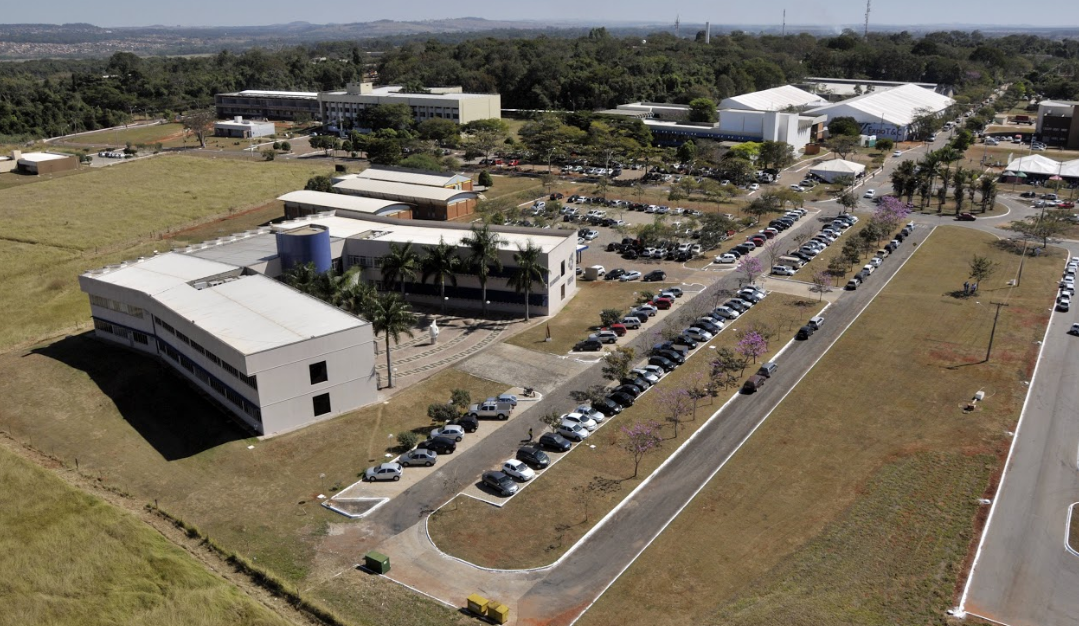
Professor Fernando Nunes Belchior illustrated that UFG has been progressing towards renewable energy. According to him, photovoltaic energy generation saves 4.6 million reais a year for the university.
Eliomar Pedrosa, representative of the Urbanists’ Union of the State of Goiás, pointed out something that, according to him, needs to be put into perspective. He stated that governmental strategic intervention in renewable energy actions is important, without transferring the responsibility of energy generation solely to the consumer: “This is selling the illusion of a green, sustainable, and autonomous capitalism.”
The main point of convergence among all the specialists was the need for governmental action in renewable energy generation, favoring the diversity of energy sources for a strong electrical matrix and encouraging shared energy generation.








Seja o primeiro a reagir!