





 Portuguese
  English
  Spanish
  4 min of reading
  0 comments


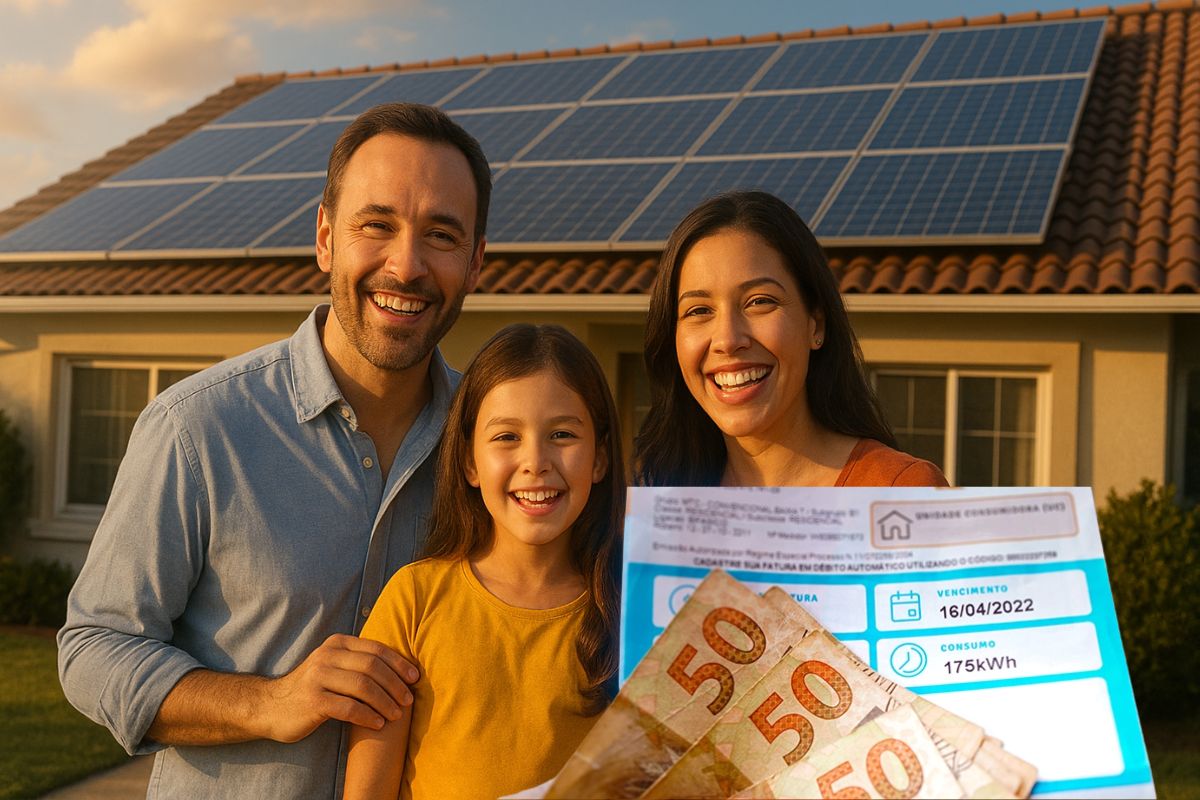
Residential Solar Energy in Brazil Is No Longer Just a “Sustainable” Option, but a Strategic Investment That Reduces Electricity Bills by Up to 90% and Increases Property Value, with a Average Return of 4 to 7 Years.
Residential solar energy is growing rapidly in Brazil and is no longer just a sustainable alternative; it has become a strategic investment. According to a survey by the Terra Brasil Notícias portal, families that adopt photovoltaic systems can reduce their electricity bills by up to 90%, recover their invested amount within 4 to 7 years, and also increase the selling price of their property in the real estate market.
The country, which has one of the highest solar radiation rates in the world, finds in solar energy an abundant resource to reduce dependence on the conventional electrical grid.
At the same time, the technology provides immediate relief to the household budget and stability against frequent price hikes in electricity tariffs.
-
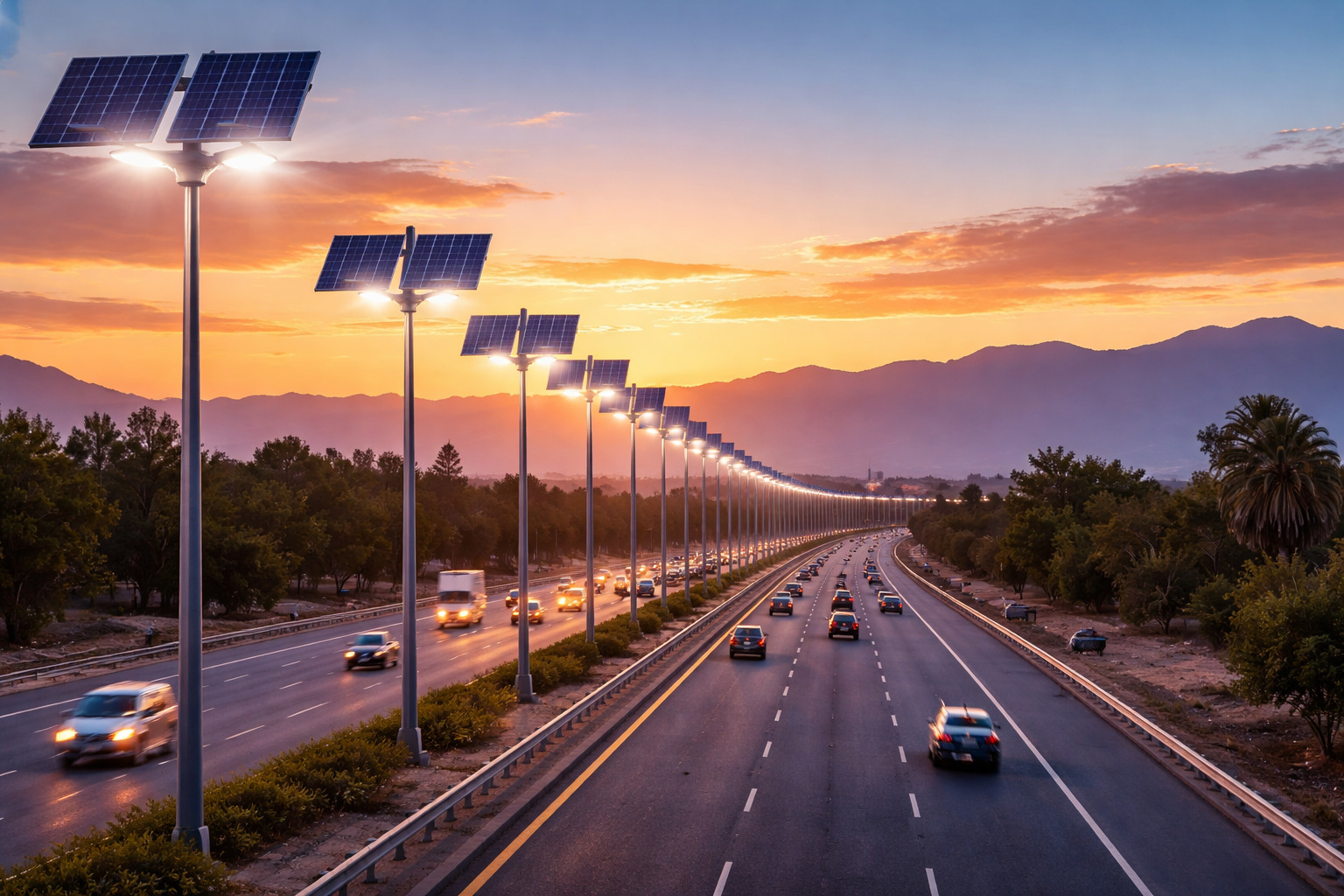
Argentina debuts its first 100% solar-powered highway and transforms an entire road into a showcase of clean energy.
-
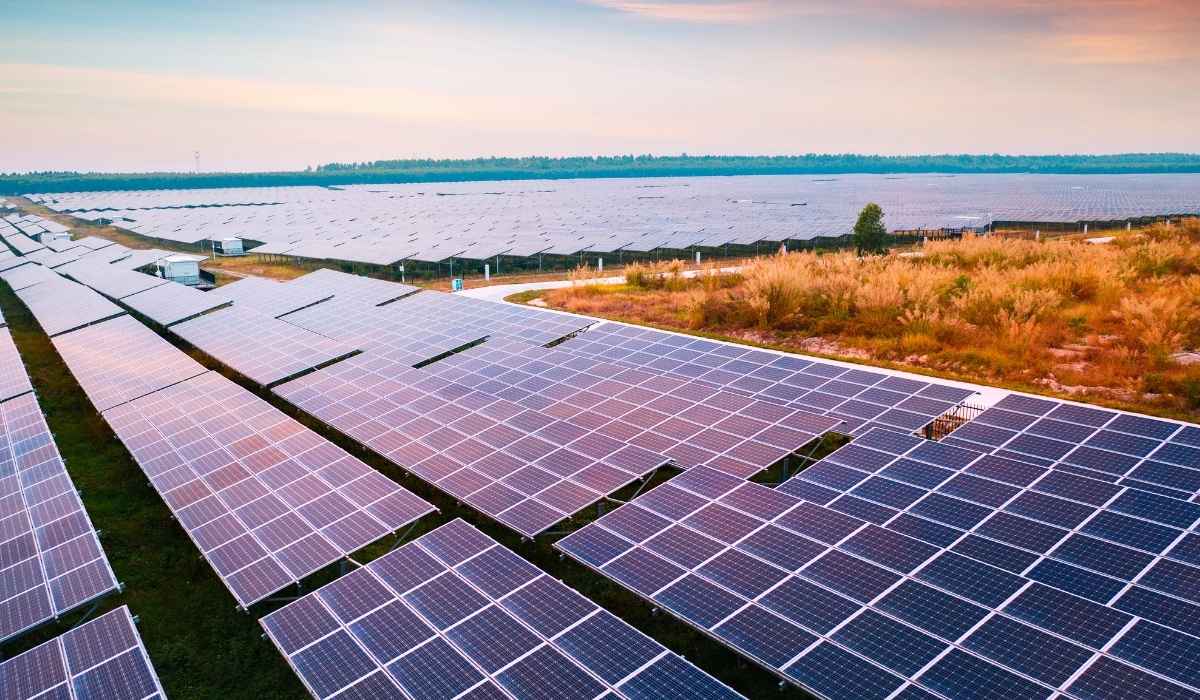
Minas Gerais reaches a historic record and surpasses the power of Itaipu, but network costs generate debate: Understand why solar energy in MG impacts the electricity bill of those without panels.
-
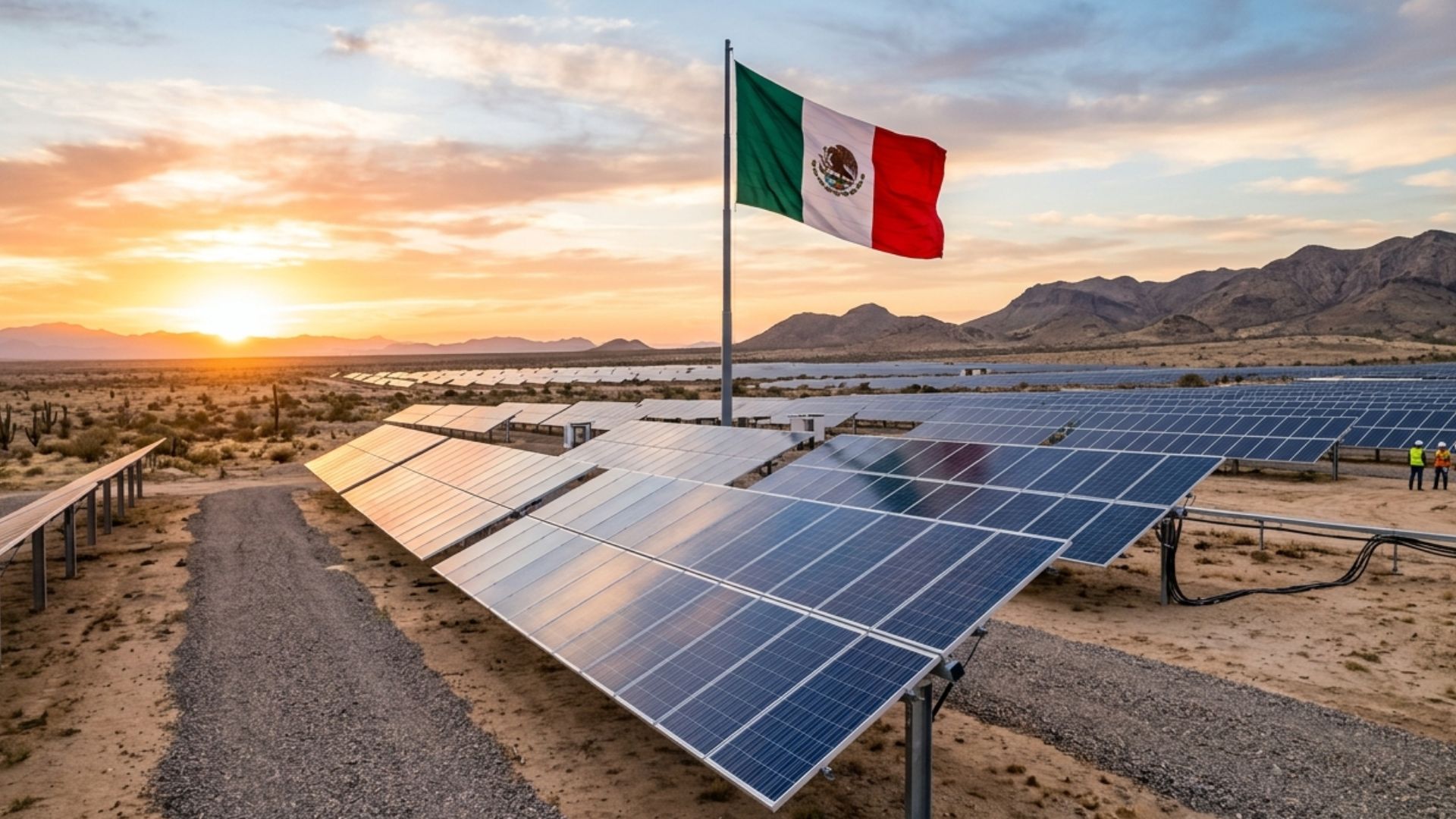
Mexico surprises the world by building the future largest solar plant in Latin America, advancing with planned expansion to over 1 GW, and boosting solar energy in the country.
-
Solar cells have just achieved the “impossible” with this 130% breakthrough.


How Residential Solar Energy Works
The residential solar energy system consists of photovoltaic panels installed on the roof or in free areas of the house. These modules capture solar radiation and convert it into direct current.
The solar inverter, the central piece of the system, converts this energy into alternating current, which is the standard used in Brazilian outlets.
When the residence produces more energy than it consumes, the excess is fed back into the electrical grid, generating credits for the consumer.
This allows offsetting future energy expenses, balancing out months of lower production, such as during rainy or cloudy periods.
Cost and Payback Period of the Investment
The installation cost varies depending on the size of the house, monthly consumption, and the region of the country. On average, the initial investment in residential solar energy can start from R$ 12,000 for smaller systems and exceed R$ 40,000 for larger homes.
Despite the cost, the return is usually quick. According to Terra Brasil Notícias, the payback period for the investment is 4 to 7 years, depending on the local electricity rate and the sizing of the system. After this period, all savings begin to represent net profit for the owner.
Advantages for Those Installing Solar Energy
The biggest benefit is the savings on electricity bills, which can reach 90%. But that’s not all: properties equipped with photovoltaic systems become more valued in the market, as they offer lower monthly expenses and energy stability.
Another point is the low maintenance. The panels require only a simple cleaning every six months and periodic inspections of the inverter.
The average lifespan is 25 to 30 years, with a minimum performance guarantee of 80% even after decades of use.
Sustainability and Environmental Impact
Residential solar energy is also considered one of the cleanest and most renewable sources available. The systems do not emit greenhouse gases, do not generate noise, and reduce pressure on hydroelectric and thermal power plants, which rely on water or fossil fuels.
This positive impact on the environment contributes to the country’s energy security, which becomes less dependent on extreme weather conditions and fuel imports.
With each equipped residence, Brazil takes a step towards a sustainable energy transition.
Where to Install and How to Finance
The installation starts with a technical study conducted by specialized companies, which evaluate average consumption, the solar orientation of the roof, and available area.
Then, the project is approved by the local Detran and connected to the distribution grid.
To facilitate the purchase, banks and credit cooperatives offer specific financing lines for solar energy, with reduced interest rates.
In many cases, the financing installment is equivalent to the savings generated in the electricity bill, making the investment practically neutral in the monthly budget.
Solar Energy in Condominiums and Apartments
Even those living in apartments can now enjoy residential solar energy. This is possible with shared generation systems, where energy is produced in a common area and distributed among several units, or in community solar plants, which supply electricity to consumers from different locations.
Residential solar energy has ceased to be a luxury and has become an economical, technological, and sustainable solution.
With savings of up to 90%, guaranteed returns in a few years and increased property value, the photovoltaic system is already part of the present for millions of Brazilians.
And you, have you considered installing solar energy at your home? Do you believe this investment really pays off in daily life?
Leave your opinion in the comments; we want to hear real experiences from those who already use or intend to adopt this technology.









-

Uma pessoa reagiu a isso.