





 Portuguese
  English
  Spanish
  3 min of reading
  0 comments


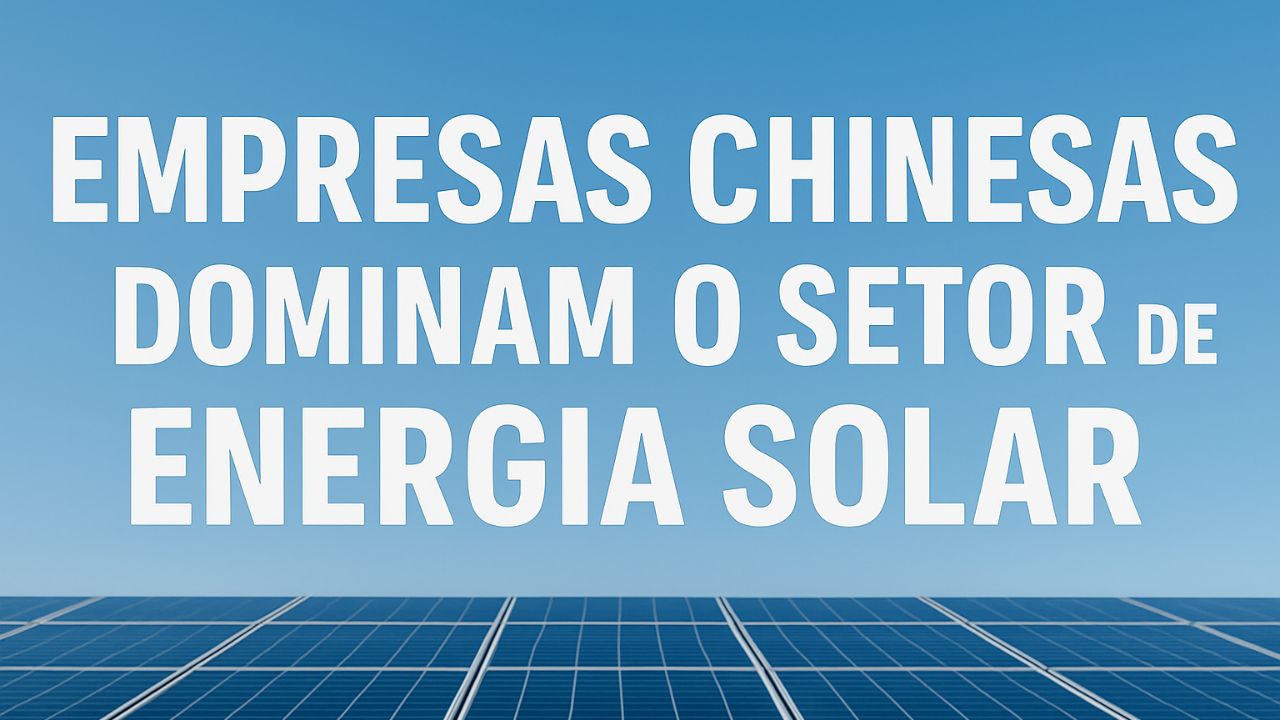
The Fall in Costs and Advancements in Technology Boosted Solar Energy, Which Today Leads New Energy Additions and Drives Industry Giants with Impressive Capabilities.
In the last ten years, solar energy has become the protagonist of the global energy transition. Photovoltaic technology, used to generate electricity from sunlight, has recorded an impressive expansion, surpassing 1,000 gigawatts (GW) of installed capacity worldwide by the end of 2024 — equivalent to more than 70 times the power of the Itaipu dam.
This advance was driven by governments that supported the technology with public policies, cost reductions of up to 80%, and large-scale production. The result? Solar energy has established itself as the fastest-growing source on the planet, surpassing all others in new installations per year.
Global Leaders in Solar Energy Concentrate Billion-Dollar Investments
The accelerated growth of solar energy has attracted the attention of major international groups, which now dominate the sector with large-scale projects, known as centralized solar power plants or “utility scale.”
-
Seagri’s headquarters invests in solar energy with Neoenergia Coelba and promises to cut electricity costs, highlighting a strategic advance in sustainability and energy efficiency within state public administration.
-
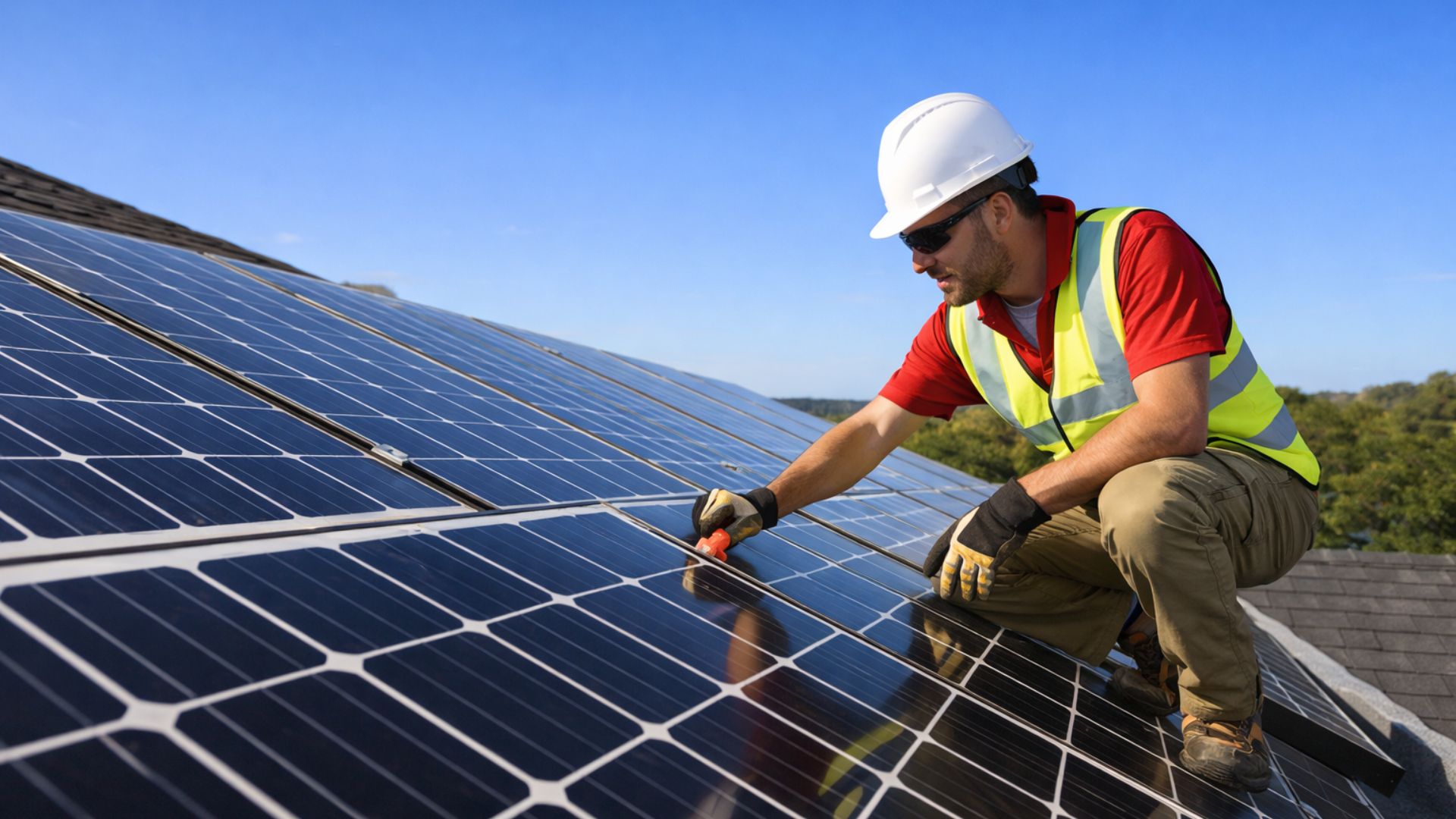
Solar Pyramid draws attention by converting solar energy into million-dollar savings and repositioning the City Hall of Curitiba as an example of innovation, sustainability, and intelligent use of public resources.
-
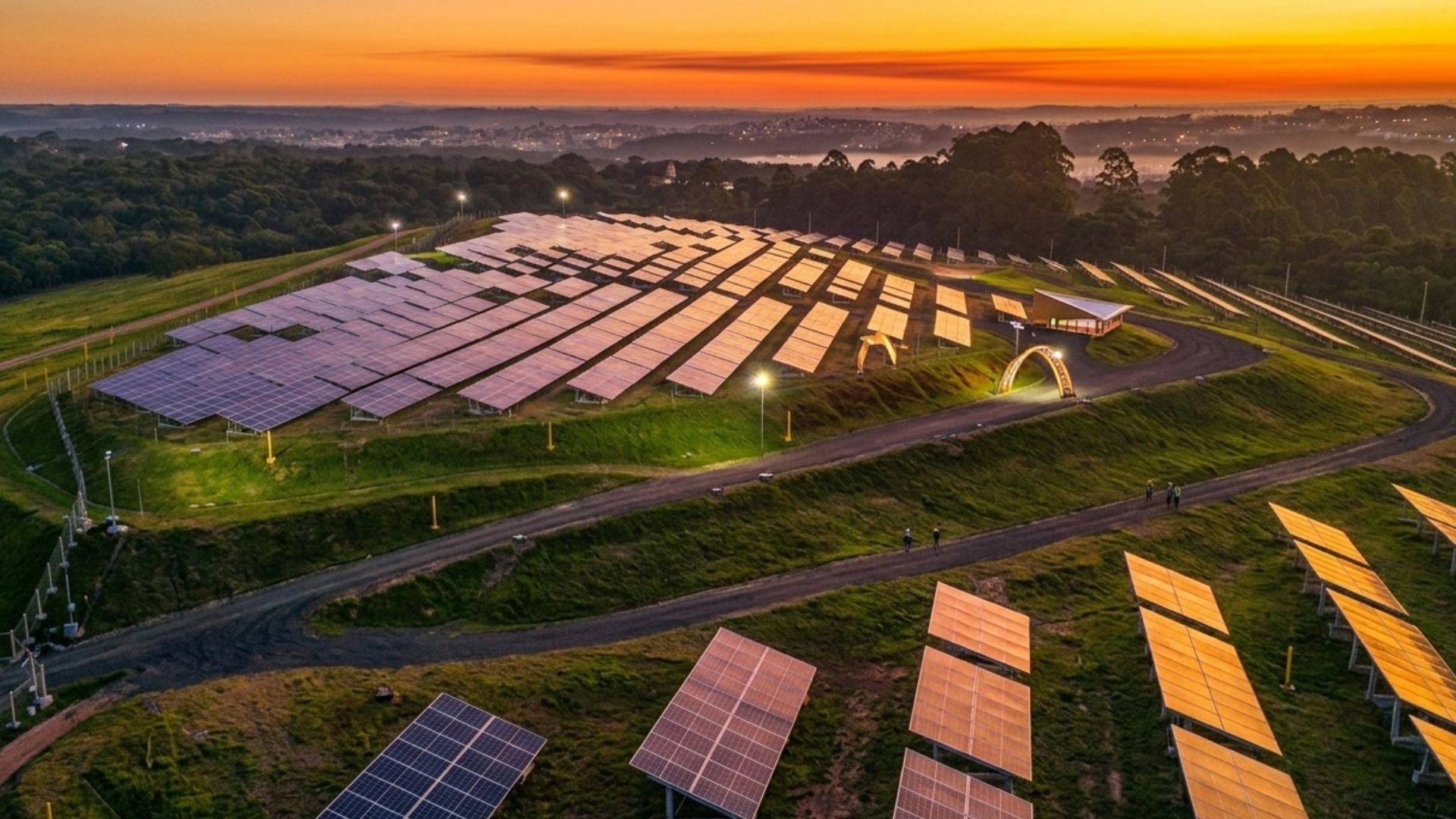
Europe records strong euro economy with solar energy in March and sparks curiosity about which country leads growth that redefines the energy market and reduces costs.
-
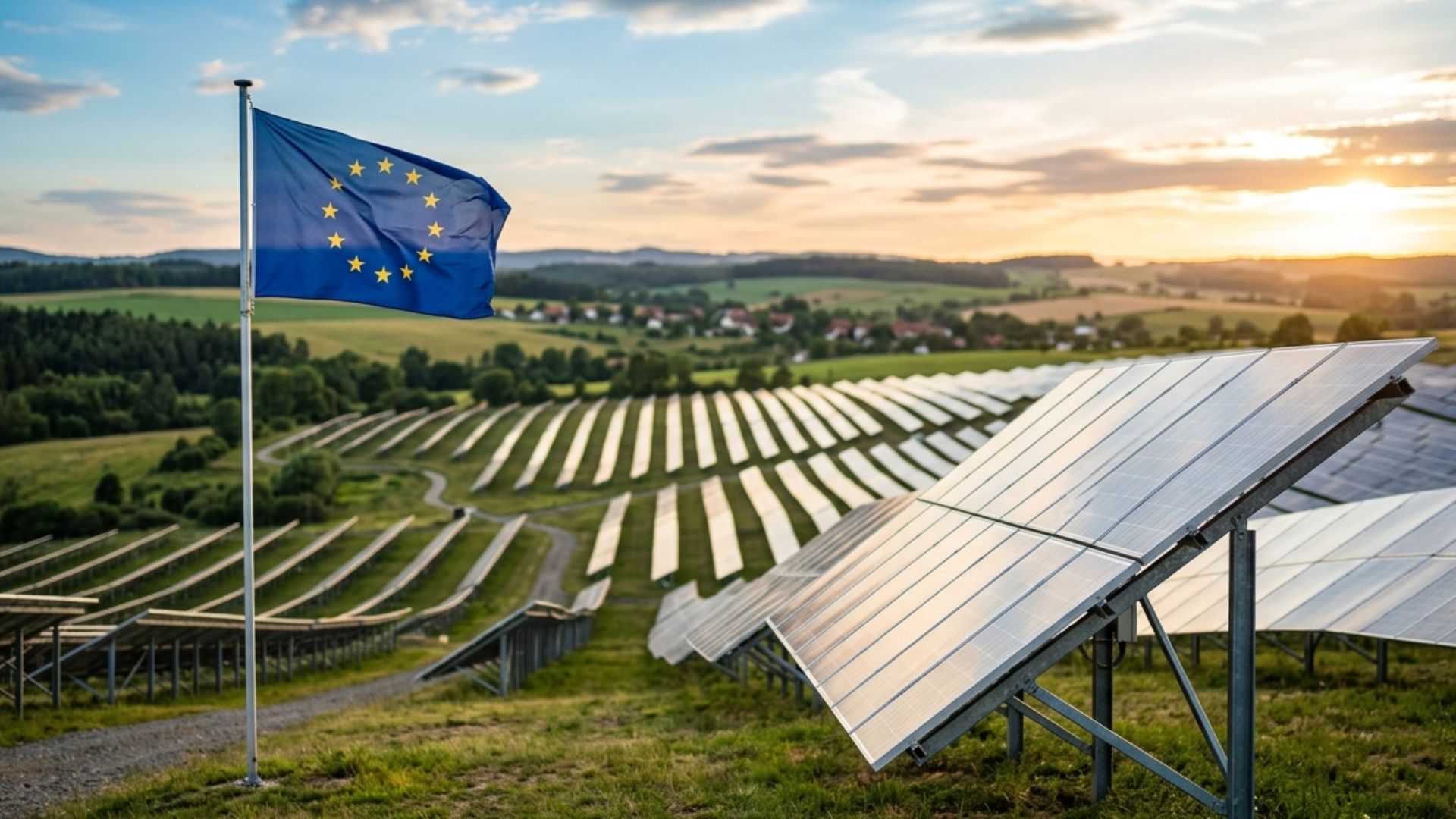
Piauí reaches a historic milestone in energy transition: State records nearly 160,000 households powered by solar energy and leads growth in the Northeast.

The absolute highlight goes to the State Power Investment Corporation (SPIC), the Chinese state-owned company that leads the global ranking with over 50 GW of installed solar capacity.
Operating in more than 40 countries, the company symbolizes China’s effort to lead the clean energy revolution.
Following closely, other Chinese state-owned companies also have a strong presence: China Huaneng Group (30 GW), CHN Energy (up to 30 GW), China Three Gorges (20 GW), and China Huadian Corporation (10 GW).
Global Companies Expand Presence in Diverse Continents
Among the non-Chinese companies that stand out is the American NextEra Energy, with about 15 GW of installed solar energy, concentrated in the United States.
The company is the parent of Florida Power & Light and has expanded its operations to other markets.
Another relevant name is the Italian group Enel Green Power, with about 10 GW of capacity, distributed across countries such as Brazil, South Africa, the United States, and Australia.
The company is strongly engaged in diversifying the energy matrix through renewable sources.
Also at the top are Indian Adani Green Energy, with 8 GW, and the Vietnamese state-owned company EVN, with 7 GW.
These companies reflect the growth of solar energy in emerging countries, where the need for clean and accessible energy is increasingly urgent.
China Leads Comfortably and Consolidates Dominance
Of the ten largest global companies in installed solar capacity, seven are Chinese. This dominance reflects not only China’s internal investment but also its strategic role in exporting technology, manufacturing solar panels, and financing projects in other countries.
The push for solar energy is part of an aggressive national policy to reduce dependence on fossil fuels and ensure energy security.
Brazil Makes Progress and Enters the Global Solar Energy Radar
Although it began its solar energy journey later than other countries, Brazil has accelerated in recent years.
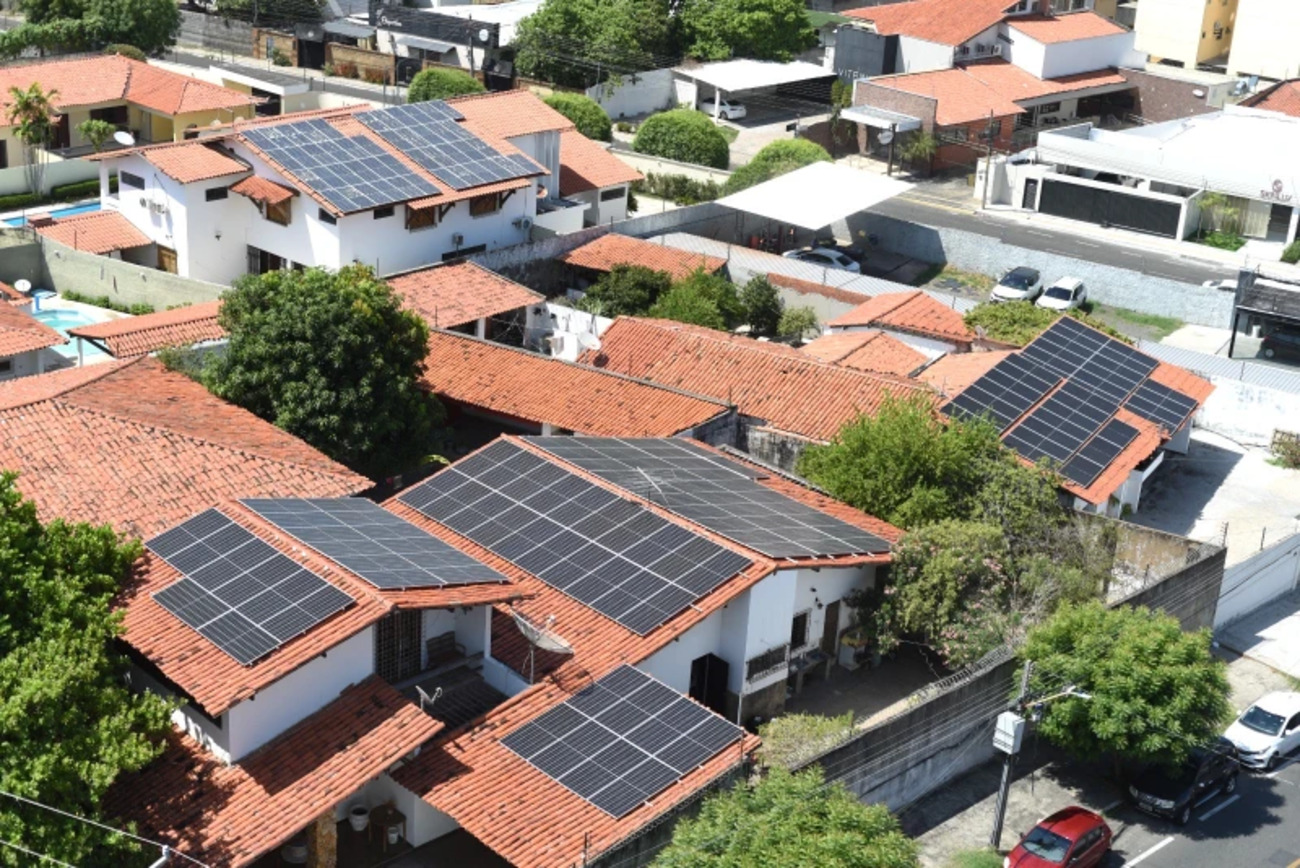
In 2024, the country closed with 52 GW of installed capacity, with 35 GW in distributed generation (small installations on rooftops and properties) and 17 GW in centralized generation.
This advance positions Brazil as a regional player and a promising market for investments in renewable energy.
The rise of solar energy in the world is not just a technical fact. It represents a new, cleaner, more accessible, and decentralized energy model.
Large companies with immense installed capacity are shaping the sector, but countries like Brazil show that there is room for growth with innovation and incentive policies.
With costs becoming increasingly lower and the pursuit of sustainable sources, the trend is for solar energy to continue expanding, paving the way for a greener and more balanced future.
Ranking of the 10 Largest Solar Energy Companies in the World (Installed Capacity)
- State Power Investment Corporation (SPIC) – +50 GW
- China Huaneng Group – +30 GW
- China Energy Investment Corporation (CHN Energy) – 25–30 GW
- China Three Gorges New Energy (CTG) – ~20 GW
- NextEra Energy (USA) – ~15 GW
- China Huadian Corporation – ~10 GW
- Enel Green Power (Italy) – ~10 GW
- Adani Green Energy (India) – ~8 GW
- Vietnam Electricity (EVN) – ~7 GW
- China Datang Corporation – ~5 GW








Seja o primeiro a reagir!