





 Portuguese
  English
  Spanish
  3 min of reading
  0 comments


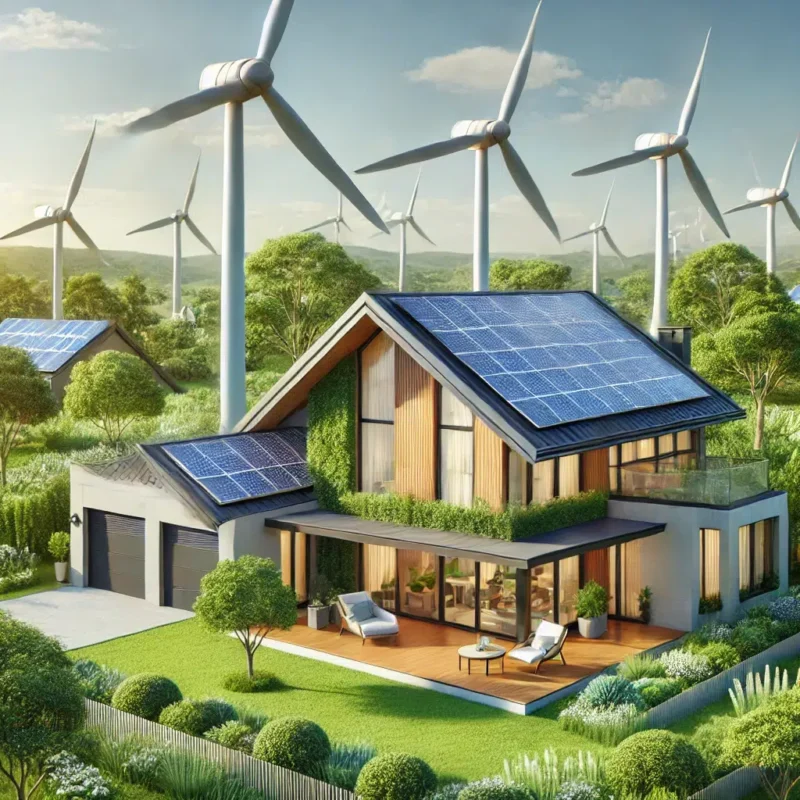
Discover How Green Energy Is Transforming Brazil, Promoting Sustainability, Economy, and Innovation in the Energy Sector.
Green energy has become one of the most promising solutions for a sustainable future. In Brazil, this type of energy is gaining more space, driven by the country’s natural potential in solar, wind, and biomass energy. Additionally, the search for alternatives to fossil fuels has accelerated the growth of this sector, ensuring environmental and economic benefits.
What Is Green Energy and Why Is It Essential?
Green energy is obtained from renewable sources, meaning natural resources that regenerate quickly. Among the main sources, solar energy, wind, biomass, and hydropower stand out. Unlike fossil fuels, these sources do not emit large amounts of CO₂ into the atmosphere. Thus, green energy significantly contributes to reducing environmental impacts and decarbonizing the economy.
According to the site Portal Solar, Brazil has one of the cleanest energy matrices in the world. In 2023, about 85% of the electricity generated in the country came from renewable sources, a figure much higher than the global average. This demonstrates the country’s commitment to sustainability and energy transition.
-
Renewable energy advances over protected areas in Brazil, and a survey by the Energy Transition Observatory reveals silent impacts that challenge environmental conservation and pressure sensitive traditional territories.

-
Rio Grande do Sul accelerates energy transition: State invests in renewable technologies and consolidates decarbonization strategies and pathways to attract billions in new industrial investments.

-
With 160,000 m² of collectors, an area larger than 20 football fields, Silkeborg, in Denmark, hosts a solar thermal plant that heats 19,500 homes and could become the largest solar heating plant in the world.

-
A study reveals the expansion of renewable energy procurement in Brazil and shows how companies are taking advantage of opportunities to reduce expenses, ensure energy efficiency, and strengthen strategic environmental commitments.


Moreover, the adoption of green energy strengthens energy security, reducing dependence on imported fossil fuels. As a result, Brazil positions itself as a global leader in the renewable energy sector.
Main Types of Green Energy in Brazil
The energy matrix of Brazil includes various sources of renewable energy. Among the most used, we can highlight:
- Solar Energy: Obtained from sunlight, photovoltaic generation has grown exponentially in the country. According to Portal Solar, Brazil surpassed 30 GW of installed capacity in 2024, establishing itself as one of the largest solar energy markets in the world.
- Wind Energy: Wind is another fundamental source for producing green energy. In the Northeast, wind farms produce energy consistently, ensuring electricity for millions of Brazilians.
- Biomass: Brazil also invests in energy generation from agricultural waste, such as sugarcane bagasse. This alternative reduces waste and utilizes abundant raw material in the country.
- Hydropower: Although already established, hydropower faces challenges, such as drought periods. Therefore, diversifying the energy matrix with other renewable sources is essential.
Economic and Environmental Benefits of Green Energy
The transition to green energy generates positive impacts for both the environment and the economy. Among the main benefits, we highlight:
- Reduction of CO₂ emissions, helping to combat climate change;
- Job creation in the renewable energy sector, boosting the economy;
- Lower electricity bills, as solar and wind energy have lower operational costs;
- Attraction of investments, strengthening innovation and growth in the sustainable sector.
According to Portal Solar, by 2030, Brazil could double its renewable energy generation capacity. This will bring even more opportunities for companies and consumers interested in sustainable sources.
The Future of Green Energy in Brazil
The growth of green energy in Brazil is a reality. With technological advancements and government incentives, the country continues to expand its sustainable potential. Moreover, more and more companies and consumers are opting for renewable solutions, ensuring an efficient energy transition.
According to the Observatory of Sustainable Energy, by 2050, renewable energy could represent over 90% of the Brazilian energy matrix. This will establish the country as one of the world’s leading producers of clean and sustainable energy.
Therefore, investing in green energy is not only an environmentally responsible choice but also a promising path for the economy and energy security. As Brazil expands its renewable sources, the benefits become even more evident, providing a more sustainable and competitive future for all.








-

2 pessoas reagiram a isso.