





 Portuguese
  English
  Spanish
  4 min of reading
  0 comments


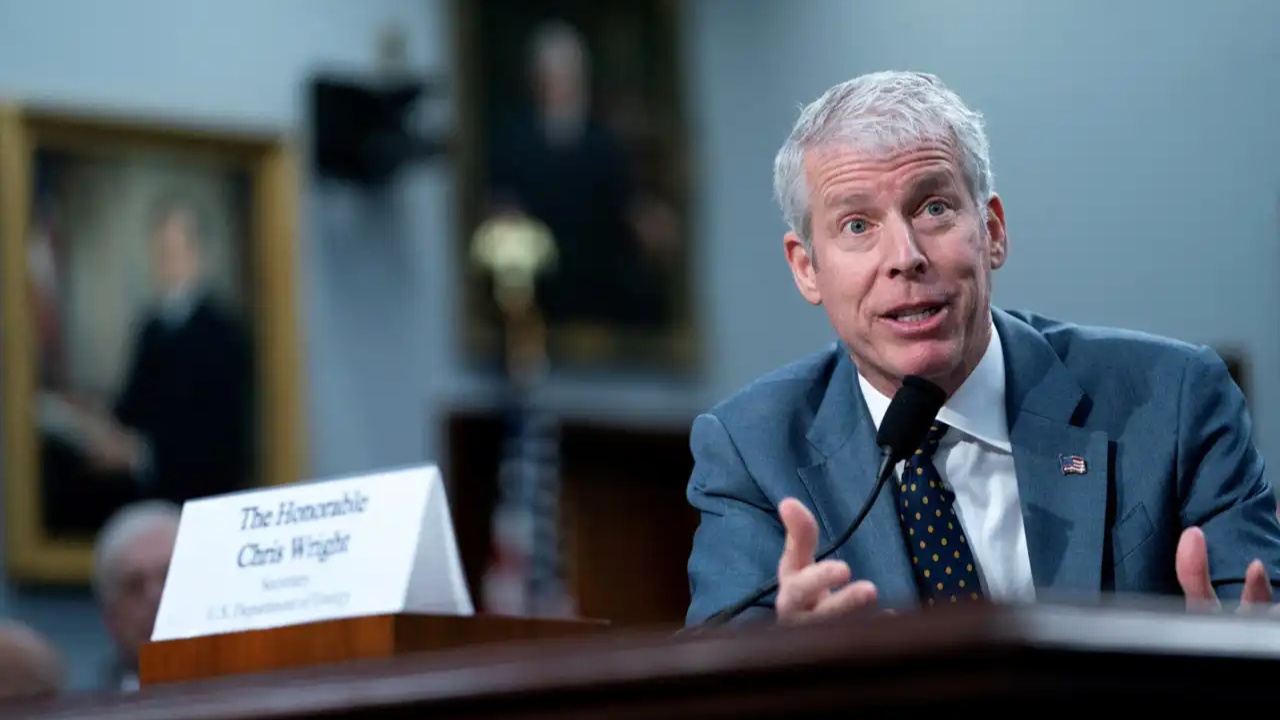
U.S. Energy Secretary’s Statements Put Oil at the Center of Global Debate and Expose a Direct Clash with European Union Environmental Policies, Reigniting Tensions over Energy Security and Trade.
Oil has once again taken center stage in the international arena. During a meeting at the World Economic Forum in Davos, U.S. Energy Secretary Chris Wright made an appeal that resonated with governments, companies, and markets. He called on the world to more than double oil production, while harshly criticizing what he described as an “inefficient” focus on green energy, particularly from the European Union and California.
As global leaders discuss pathways to reduce emissions and accelerate the energy transition, Wright’s statements brought a more confrontational tone to the debate. According to him, even with advances in renewable sources, the global demand for energy will remain heavily reliant on oil for many decades.
Furthermore, the Secretary highlighted that political decisions in Europe could directly affect the flow of energy between both sides of the Atlantic, creating a new point of tension between historic partners.
-
Lula reveals a masterstroke by Petrobras to undo a deal made by Bolsonaro, which involves the return of an important refinery that currently produces less than half of what was expected and makes Brazil dependent on international diesel.
-
A study confirms that the natural gas sector will reduce greenhouse gas emissions in Brazil by 0.5% and accelerate the energy transition by 2026.

-
Petrobras implements a severe adjustment and confirms a 55% increase in the price of aviation kerosene with a proposal for installment payments for the companies.

-
The rise in oil prices could ensure an extra revenue of R$ 100 billion for the Federal Government, indicates a recent economic study.


Direct Clash with the European Environmental Agenda
During the conversation in Davos, alongside Occidental CEO Vicki Hollub, Wright was emphatic in criticizing the environmental rules imposed by the European Union. For him, the requirements could jeopardize energy cooperation between the U.S. and the EU, particularly concerning oil and gas trade.
The central argument is that stricter environmental standards could raise costs, reduce competitiveness, and hinder the shipment of energy from the United States to the European continent. Thus, the Secretary sees a real risk of disruption in energy flow.
“These regulations could threaten you (American producers) in terms of accountability for sending gas to Europe,” Wright stated, according to Reuters’ report. “We are working with our colleagues here in Europe to remove these barriers.”
Therefore, the clash is not only technical, but also political and economic.
Oil, Energy Security, and Geopolitics
In advocating for increased oil production, Wright also reinforced the discourse of energy security. In a world marked by conflicts, sanctions, and geopolitical disputes, ensuring stable energy sources has become a priority for many countries.
For the United States, expanding production is seen as a way to maintain global influence and protect allies. For Europe, reducing dependence on fossil fuels is a strategy to lower external vulnerabilities and meet climate goals.
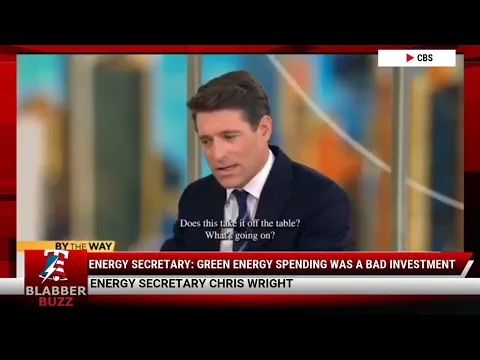

However, this clash of interests exposes a dilemma: how to balance sustainability and economic stability without compromising supply?
The European Union has implemented legislation that requires companies importing oil and gas to monitor and report the methane emissions associated with these operations. Methane is considered one of the most potent greenhouse gases, with an immediate impact on global warming.
This requirement establishes a new standard for access to the European market. Suppliers must adopt cleaner technologies and practices to continue exporting.
However, this same policy is seen by critics as an obstacle to trade, especially for producers outside the bloc, such as the United States.
Setbacks and Political Pressures in Europe
Interestingly, the EU has also rolled back two of its main environmental legislative initiatives. In December, after months of pressure from companies and governments, the bloc drastically reduced the Corporate Sustainability Reporting Directive (CSRD) and the Corporate Sustainability Due Diligence Directive (CSDDD).
The CSRD aimed to increase transparency about the environmental and social impacts of companies. Meanwhile, the CSDDD focused on holding companies accountable for damages throughout the entire supply chain.
These rollbacks reveal a scenario of internal tension, where climate goals compete with economic concerns.
Even with the advancement of renewable energy, experts acknowledge that oil will remain a pillar of the global energy matrix for many years. Airplanes, ships, industries, and transportation systems still heavily depend on this resource.
Therefore, Wright’s statements resonate at a delicate moment when governments are trying to reconcile growth, security, and sustainability.
The rivalry between the United States and the European Union reveals that the energy transition will not be linear, nor free of conflicts.
Do you think the world can really reduce its dependence on oil, or are we just postponing a bigger problem? Or do you agree with Wright that we should focus on what is efficient and stop investing so much in renewable energy?









Seja o primeiro a reagir!