





 Portuguese
  English
  Spanish
  3 min of reading
  0 comments


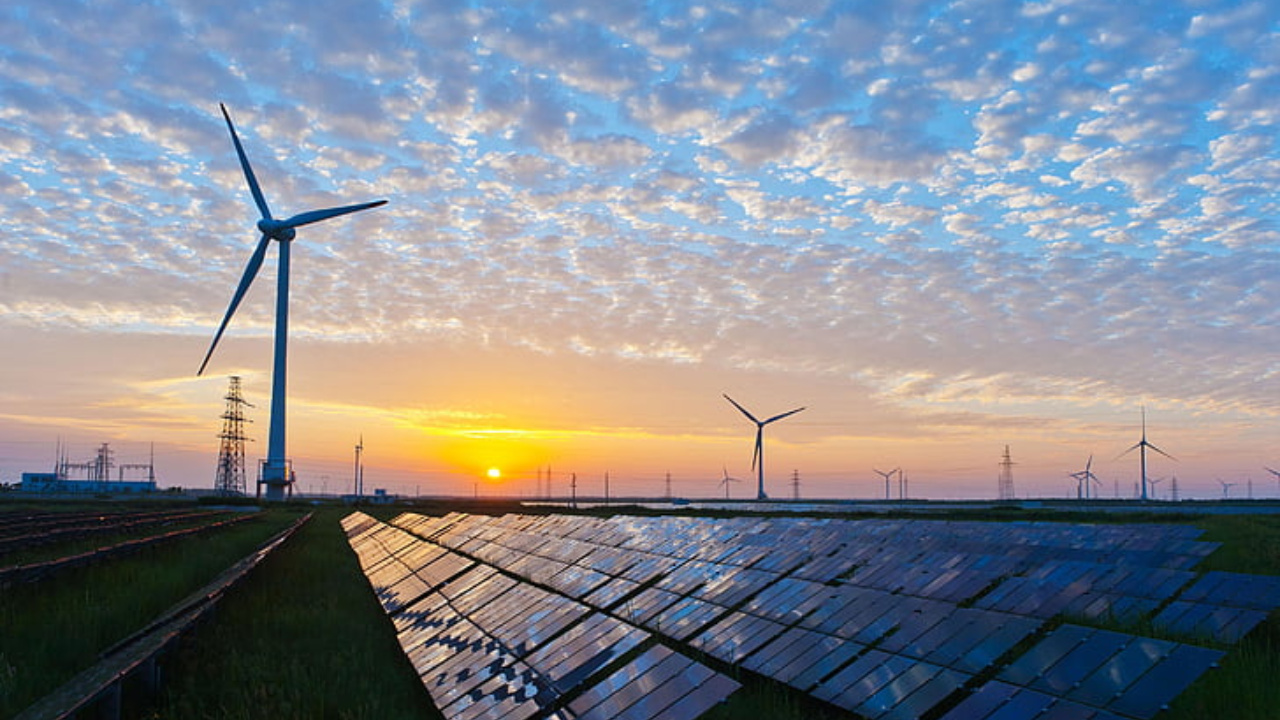
Renewable Energies Surpass Coal in 2025, Lead Global Energy Transition and Drive Environmental Actions Amid Decline of Nature.
The year 2025 was marked by a contradictory environmental scenario. On one hand, nature continued to decline in various regions of the planet, pressured by the rise of carbon emissions and extreme weather events. On the other hand, renewable energies consolidated historic advancements and took on a central role in the global energy transition.
Despite the ongoing challenges, the environmental balance of the year indicates that structural changes began to gain scale. The expansion of clean energy, coupled with conservation measures and the strengthening of the role of indigenous peoples, generated positive impacts for the climate, biodiversity, and ecosystems.
Energy Sector Accelerates Transition and Reduces Dependence on Fossil Fuels
The energy sector was one of the main drivers of transformation in 2025. For the first time, renewable sources such as solar and wind surpassed coal and became the primary source of electricity in the world. This milestone reflects increasing investments, declining technological costs, and public policies aimed at decarbonization.
-
How green infrastructure and renewable energy at the World Cup transform the logistics of the largest sporting event on the planet in North America.

-
The Cagece and UFC project advances in sustainable innovation with biogas by converting waste into renewable energy, reducing environmental impacts, and increasing sanitation efficiency with concrete and measurable results.

-
Paranaense students develop a system that transforms farm waste into clean energy and revolutionizes sustainable agribusiness.

-
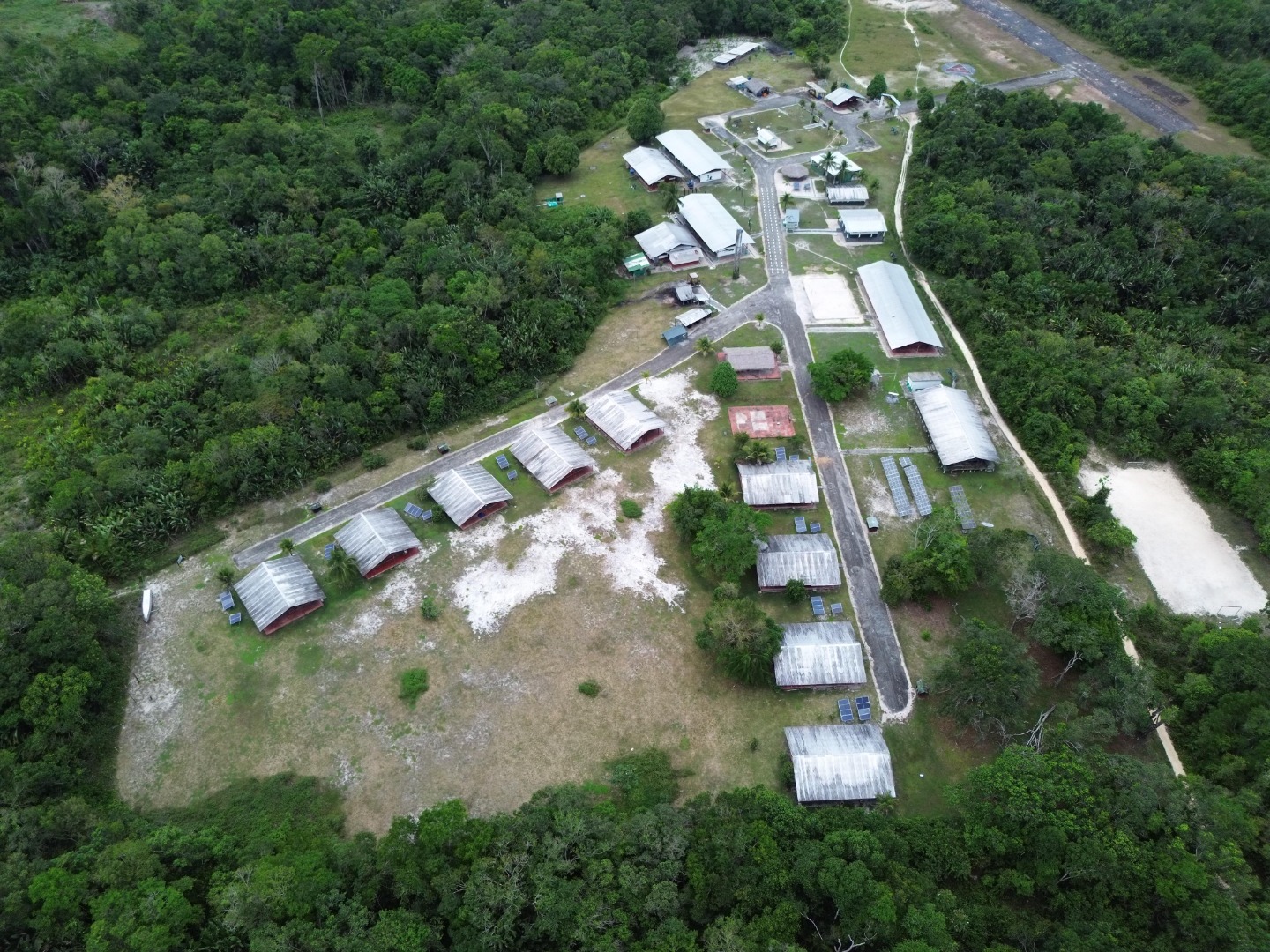
The Ministry of Defense installs a giant photovoltaic plant and ensures a stable supply of clean energy in Maturacá, in the Amazon.
China played a central role in this process. The country led the expansion of renewable energies, increased domestic production, and intensified the export of clean technologies. At the same time, it recorded a reduction in carbon dioxide emissions, reinforcing its influence in the global energy market.
In the United Kingdom, wind energy accounted for about one-third of the entire national electricity demand. Additionally, the country began construction of the world’s largest liquid air battery facility, a project considered strategic to ensure stability in the electrical system and enable greater participation from intermittent sources.
Oceans Enter the Center of the International Environmental Agenda
As the energy transition progressed, the protection of oceans gained ground in global decision-making. In 2025, the ratification of the High Seas Treaty established the goal of protecting 30% of international waters, a relevant step for the conservation of marine biodiversity.
Another highlight was the creation of the largest Marine Protected Area in the world, in French Polynesia. Covering approximately 1.1 million square kilometers, the initiative significantly expanded preservation zones and reinforced the international commitment to ocean ecosystems.
Brazilian Forests and Indigenous Peoples Gain Global Visibility
In Brazil, forest conservation was at the center of international debate. The holding of COP30 in the Amazon placed the preservation of tropical forests as a global climate priority. Between August 2024 and July 2025, deforestation in the Brazilian Amazon decreased by 11%, while the Cerrado also saw reductions in vegetation loss rates.
Furthermore, the Tropical Forests Forever Fund (TFFF) was created, a financial mechanism aimed at encouraging the preservation of nature and compensating countries that maintain their ecosystems conserved.
Indigenous peoples also advanced in recognition. In 2025, they were formally considered guardians of the environment in global decisions. In Brazil, new indigenous territories were created, reinforcing the protection of strategic areas for climate balance.
Biodiversity and Restoration Show Signs of Recovery
Even in the face of environmental pressures, some biodiversity indicators showed positive signs. Green turtles were removed from the list of threatened species, a result of decades of conservation efforts. In India, the tiger population doubled and surpassed 3,600 individuals, consolidating one of the largest wildlife protection programs in the world.
In California, ecosystem restoration advanced with the removal of four dams on the Klamath River. This action allowed salmon to return to historic spawning areas, symbolizing a paradigm shift in river and water resource management.
Progress Requires Acceleration in the Face of Climate Crisis
Although the progress in renewable energies and environmental conservation is significant, experts assess that the pace still needs to accelerate. Climate change continues to advance, and the risks to nature remain high.
The 2025 balance shows that the energy transition and environmental protection are no longer isolated themes. More and more, these agendas are interconnected as central pillars to curb the decline of nature and ensure long-term climate stability.









-

-

2 pessoas reagiram a isso.