





 Portuguese
  English
  Spanish
  3 min of reading
  0 comments


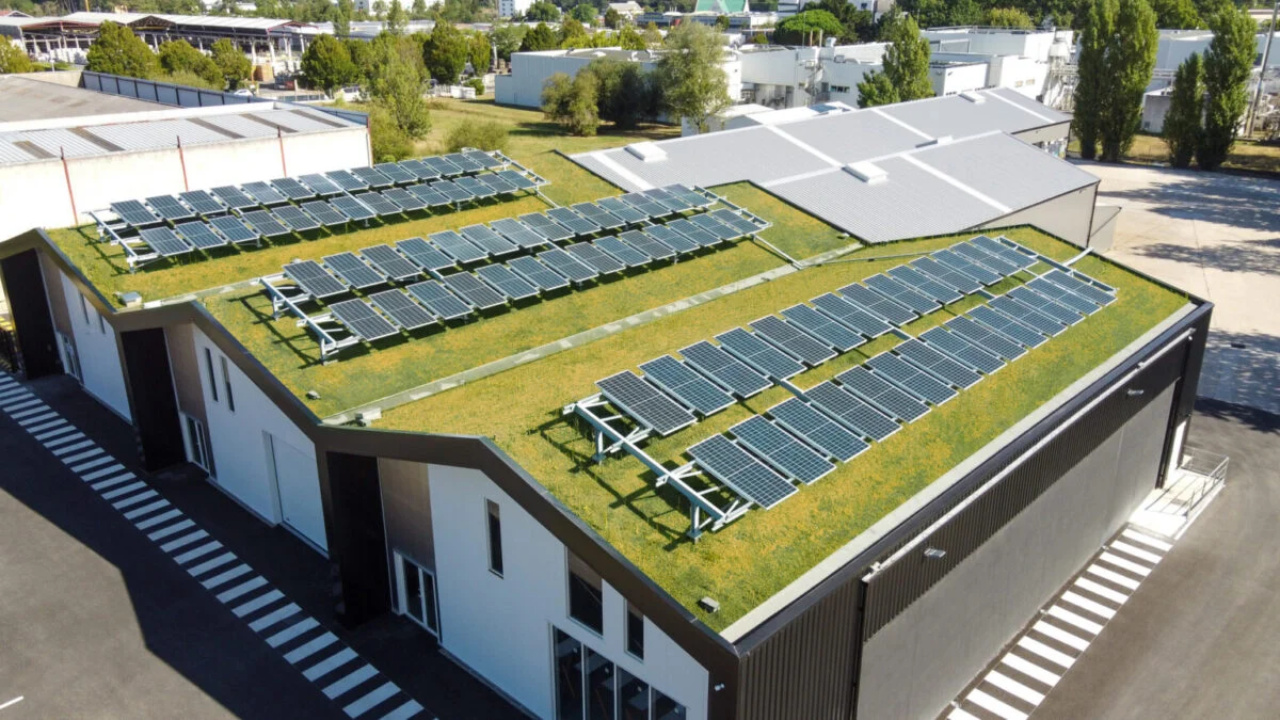
Project Approved in the Chamber Proposes Incentives for Renewable Energies in New Developments, Amends the City Statute, and Provides Discounts on Fees for Sustainable Constructions.
The debate about renewable energies is beginning to gain more traction in Brazilian urban planning. In December, the Urban Development Commission of the Chamber of Deputies approved a proposal that creates incentives for the adoption of clean energy sources in new buildings, as well as promoting vegetation-based solutions, such as green roofs.
The measure aims to align the growth of cities with sustainability and energy efficiency goals. At the same time, it signals a shift in how the government can act to induce more sustainable practices in the construction sector, which has traditionally been responsible for a significant portion of urban energy consumption.
Fee Discounts Encourage More Sustainable Constructions
One of the main points of the approved text is the granting of economic benefits to construction companies that adopt environmental solutions. If the proposal becomes law, developments that install green roofs or vegetated spaces could receive discounts on onerous grants.
-
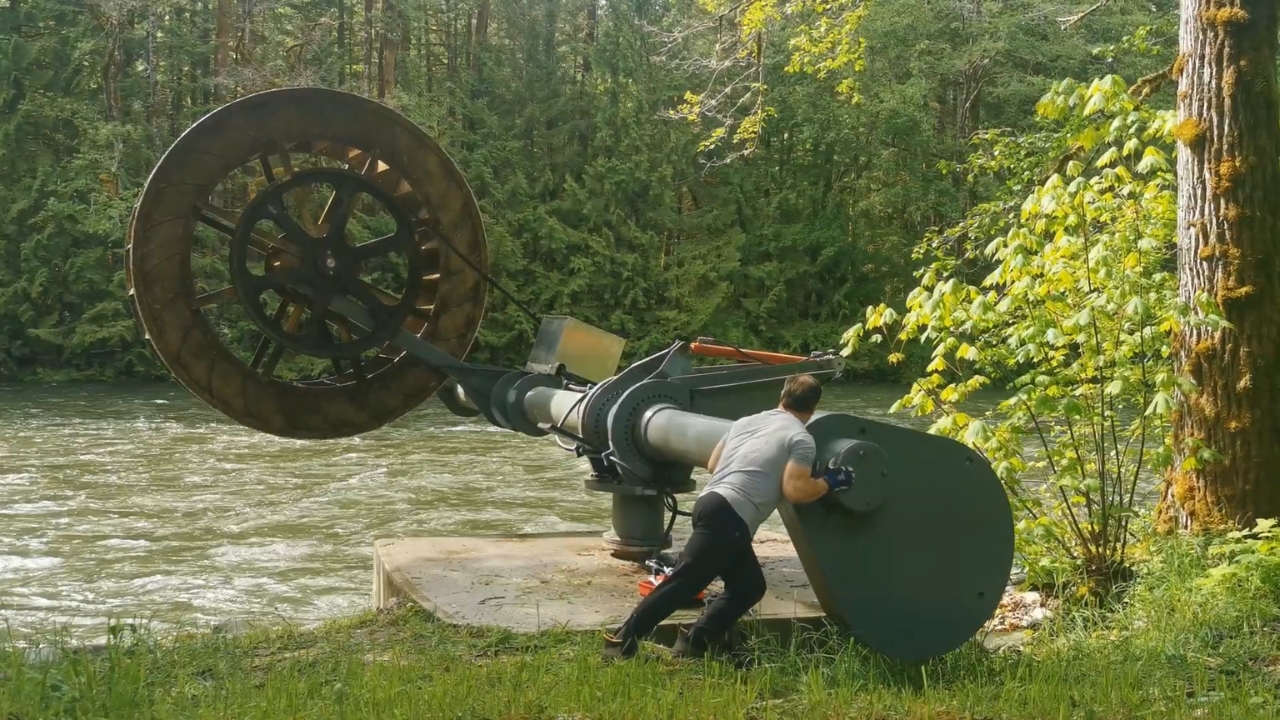
A Canadian retiree creates a hydroelectric system on a real river, generating energy continuously throughout the day and demonstrating how the power of water can supply a house with stability even in a simple structure.
-
Petrobras reaffirms its commitment to the market and ensures that it will carry out the energy transition safely to maintain national sovereignty.

-
Researchers discover a possible hydrogen deposit of up to 46 million tons beneath an ancient coal basin, and the volume could exceed half of the entire global production.

-
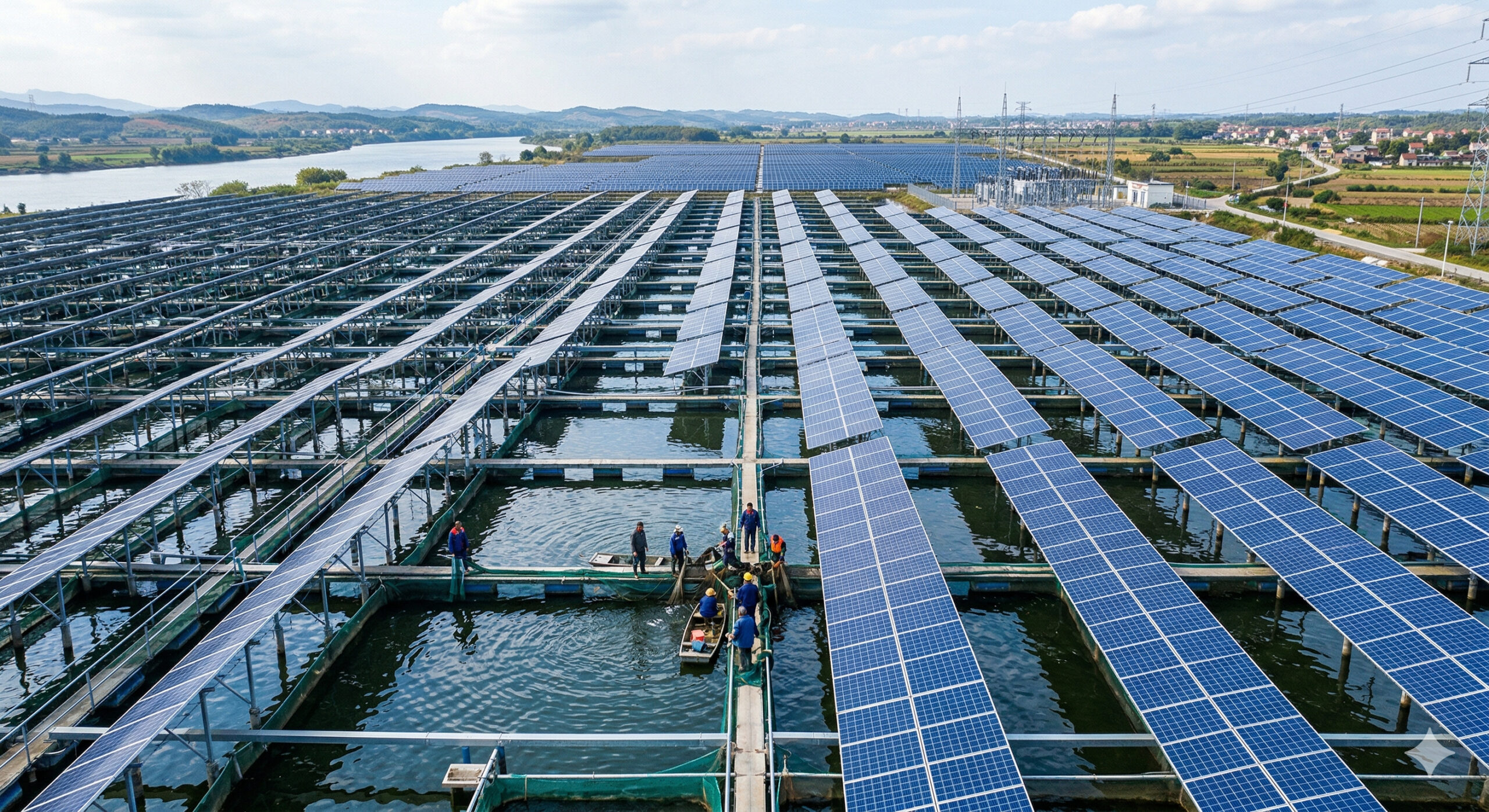
China bets on the Fishery-PV model and transforms fish farms into giant solar plants, covering ponds with panels that generate energy while utilizing the same space for large-scale aquaculture production.

This fee is charged by municipalities when a construction exceeds the basic limit allowed by the master plan. With the incentive, the additional cost of the project can be reduced, which is likely to encourage the adoption of sustainable practices from the design phase.
Furthermore, the proposal broadens the debate by not restricting it solely to urban vegetation. The approved text also reinforces the incentive for energy generation from renewable sources, such as solar energy, in new buildings across the country.
Change in the City Statute Expands the Scope of the Proposal
Another significant advancement is the amendment of the City Statute. The text now guides municipal governments to create mechanisms to encourage energy generation from renewable sources in constructions.
Unlike the previous version analyzed by the Environmental and Sustainable Development Commission, the new text does not impose direct obligations on municipalities. Instead, it sets out general guidelines that can be adapted to local realities, expanding the reach of public policy.
The approved substitute was presented by the rapporteur, Deputy Yury do Paredão (MDB-CE), to Bill 2741/24, authored by Deputy Flávia Morais (PDT-GO). At the rapporteur’s recommendation, the committee rejected the previous commission’s opinion, opting for a more comprehensive approach.
Public Power as a Driver of the Energy Transition
According to the rapporteur, the proposal reinforces the strategic role of public power in promoting sustainable development in cities. He stated that the initiative creates conditions for private agents to invest in clean technologies without the need for rigid impositions.
“The public power can act as a driver of sustainable development, encouraging private agents to adopt technologies such as the use of photovoltaic panels in their constructions”, said Deputy Yury do Paredão.
The expectation is that, with appropriate incentives, solutions like solar panels will become increasingly common in residential and commercial developments.
Processing Moves to New Stages in Congress
Despite approval in the Urban Development Commission, the project still needs to advance in the National Congress. The next step will be analysis by the Constitution, Justice, and Citizenship Commission.
As there was a divergence between the opinions of the merits commissions, the proposal will no longer be processed in a conclusive manner. Thus, the text must be reviewed by the Plenary of the Chamber of Deputies.
To become law, the proposal still needs to be approved by both the Chamber and the Senate, keeping the topic of renewable energies highlighted on the national legislative agenda.










Seja o primeiro a reagir!