





 Portuguese
  English
  Spanish
  5 min of reading
  0 comments


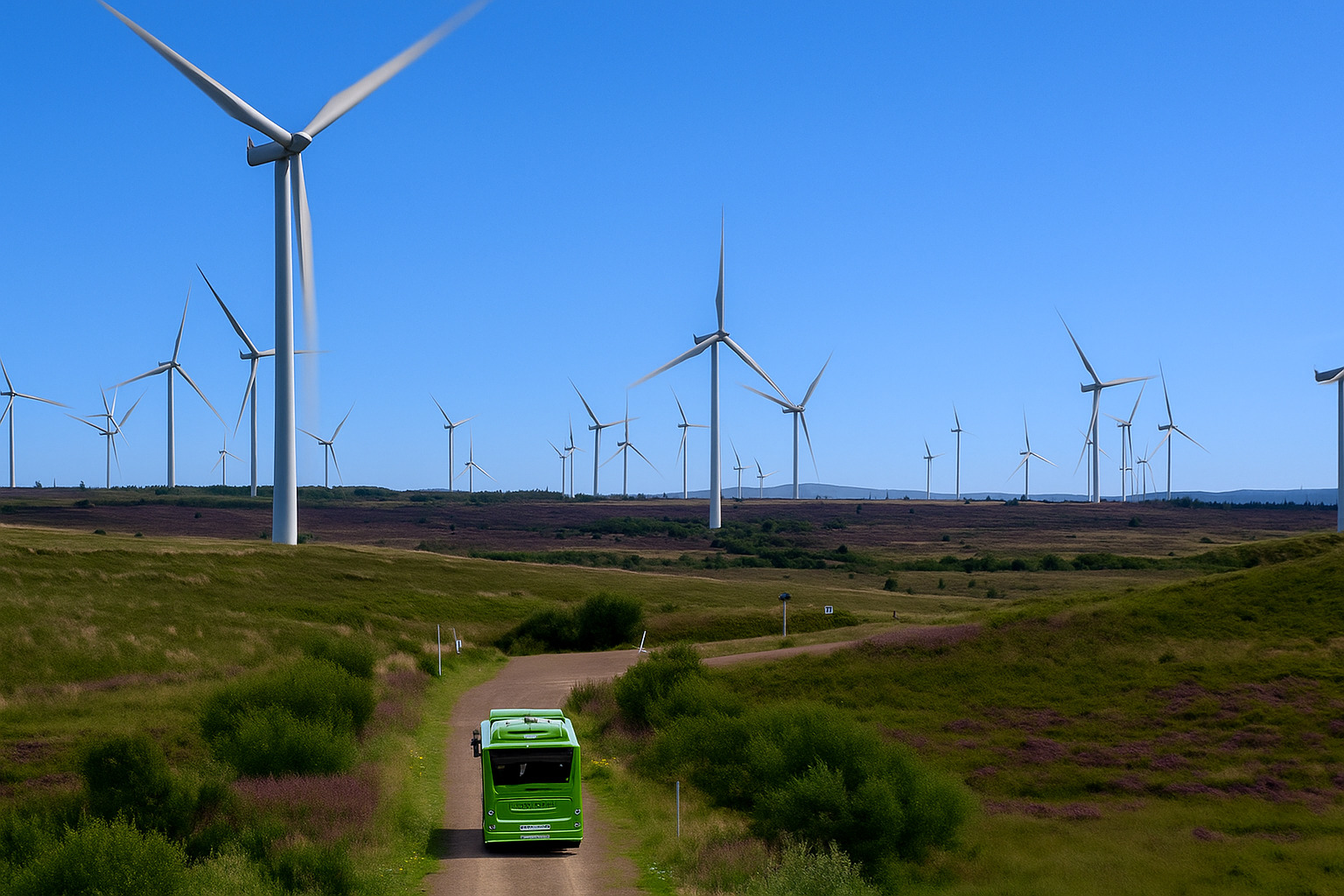
Solar And Wind Energies See Strong Growth In 2025, Surpassing Coal And Gas, And Consolidating The Global Transition To Clean Electricity Sources.
The global energy sector is undergoing a historic transformation, and therefore reflects a profound change in how the world produces and consumes electricity.
Furthermore, in 2025, renewable energies, especially solar and wind, show a strong growth in 2025, surpassing coal for the first time in electricity generation.
This advancement, consequently, not only symbolizes the maturity of these technologies, but also marks a turning point in the global energy transition, consolidating the presence of clean sources in the global landscape.
-
The Brazilian state accelerates industrial competitiveness with a focus on the extraction of strategic minerals to boost the energy transition in Goiás.

-
A Canadian retiree creates a hydroelectric system on a real river, generating energy continuously throughout the day and demonstrating how the power of water can supply a house with stability even in a simple structure.

-
Petrobras reaffirms its commitment to the market and ensures that it will carry out the energy transition safely to maintain national sovereignty.

-
Researchers discover a possible hydrogen deposit of up to 46 million tons beneath an ancient coal basin, and the volume could exceed half of the entire global production.

Historically, electricity production has primarily relied on fossil fuels like coal, oil, and natural gas.
However, these sources fueled economic growth, but also left a significant legacy of greenhouse gas emissions.
Coal, in particular, underpinned the backbone of industrial electricity, especially in Europe, China, and the United States.
However, the 21st century has brought new environmental and social challenges that have begun to shape more sustainable energy policies, and consequently driven technological advances that have reduced costs and increased the efficiency of solar and wind energies.
The strong growth in 2025 of renewable energies is reflected in recent data from Ember, an international think tank specializing in energy transition.
Thus, in the first half of 2025, solar and wind energies supplied 109% of the additional global electricity demand, surpassing the growth of the world’s own energy needs.
Therefore, this expansion met the increase in demand and reduced dependence on fossil sources.
According to Ember’s data, coal-based production fell by 0.6%, and natural gas saw a slight reduction of 0.2%.
Although small, these changes significantly impact the fight against climate change, reducing greenhouse gas emissions by 0.2% in the global electricity sector alone.
Thus, the historical decline demonstrates that the era of fossil fuels, which lasted over a century, is beginning to make way for a cleaner and more sustainable energy matrix.
The Role Of International Institutions In The Energy Transition
The UN Secretary-General, António Guterres, emphasized the importance of these advancements, stating that “the future of clean energy is no longer a distant promise, it is already here.”
For Guterres, the strong growth in 2025 of solar and wind energies represents a unique opportunity to drive significant changes in how the world generates electricity, promoting a safer and more sustainable future for all.
Therefore, the world needs to seize this historic moment to accelerate the global energy transition.
The growth of renewable energies in 2025 is thanks to technological, economic, and social factors.
Furthermore, the significant reduction in the cost of solar panels and wind turbines, combined with public policies for incentives and subsidies, has made clean energy more competitive compared to fossil sources.
At the same time, global awareness of climate change and the need to reduce carbon emissions has stimulated private and public investments in renewable infrastructure, strengthening the strong growth in 2025.
Historical analysis helps to better understand the context of this advancement.
At the beginning of the 21st century, the contribution of solar and wind energies to the global electrical matrix was modest, accounting for less than 5% of total electricity production.
Decades of research and innovation, combined with ambitious government policies, have allowed these technologies to become economically viable and efficient.
Consequently, in 2025, renewable energies already provide 5,072 TWh of electricity, surpassing coal, which generated 4,896 TWh in the same period.
Another important aspect is that international organizations and regional consortia accelerate renewable growth.
Thus, financing programs, technical cooperation, and multilateral agreements have allowed developing countries to participate in the global clean energy expansion, strengthening energy equity and reducing dependence on fossil fuels.
Regional Differences In Energy Growth
The global scenario presents significant regional differences.
China, the world leader in renewable energy, added more solar and wind energy than the rest of the world combined, reducing the use of fossil sources by 2%.
In India, the growth of clean sources surpassed energy demand increases by more than three times. Meanwhile, generation from coal fell by 3.1%, and natural gas saw a reduction of 34%.
On the other hand, in the United States, demand growth outpaced the rate of renewable expansion, maintaining a greater dependence on fossil energy.
In the European Union, factors such as lower wind and hydropower production temporarily increased generation from gas and coal.
These regional disparities reflect not only economic and technological differences but also distinct energy policies.
Countries that consistently invest in renewable infrastructure and scientific research can accelerate the strong growth in 2025 more effectively.
Therefore, the trend indicates that the potential of solar and wind energies can still grow significantly, consolidating a cleaner and more resilient global matrix.
In addition to the positive environmental impact, the growth of renewable energies generates important economic benefits.
Electricity production from clean sources creates skilled jobs in research, engineering, installation, and maintenance of equipment.
At the same time, it reduces the economic vulnerability of countries to fossil fuel price volatility, promoting energy security.
These effects contribute to economic and social sustainability, reinforcing the importance of strong growth in 2025.
Historical Milestone In The Fight Against Climate Change
The advancement of solar and wind energies also represents a symbolic milestone in the fight against climate change.
For decades, international efforts focused on agreements and emission reduction targets, often without concrete results.
However, the performance in 2025 shows that it is possible to turn intentions into effective action, with measurable results in reducing dependence on coal and gas and in diminishing global emissions.
In summary, the strong growth in 2025 of solar and wind energies demonstrates that the energy transition is not just a future goal, but a concrete reality.
The world is moving towards a model of electricity production that is more sustainable, efficient, and less polluting, with environmental, economic, and social benefits.
This historic advancement symbolizes the beginning of a new era, where renewable sources take center stage in the global electricity supply.
As technology evolves and public policies strengthen, the growth of clean energies is likely to persist, consolidating the gradual decline of fossil sources.
The trajectory of 2025 shows that solar and wind energy can meet the increasing global electricity demand and, at the same time, reduce environmental impacts, representing a decisive step towards a sustainable future for all.









Seja o primeiro a reagir!