





 Portuguese
  English
  Spanish
  3 min of reading


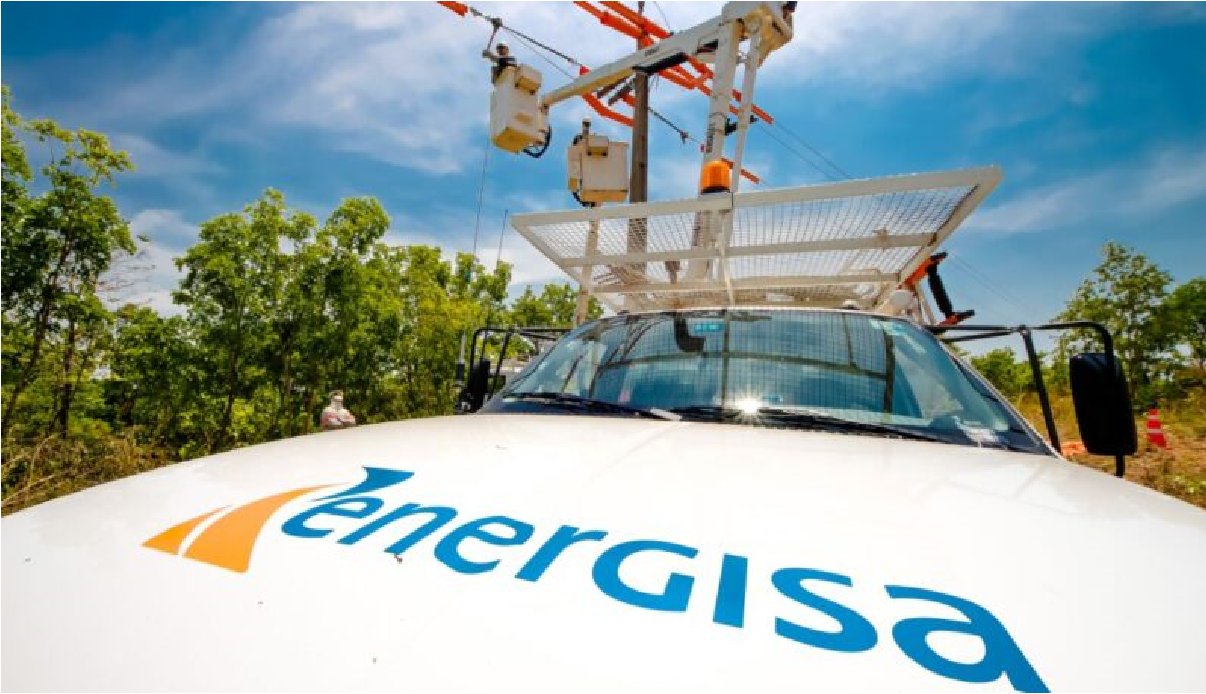
Energisa, The Fifth Largest Electricity Distributor in Brazil, Intends to Explore New Renewable Energy Potentials by 2026
Energisa announced on Wednesday, the 29th, its proposals regarding the company’s sustainability. The energy distributor plans to install new renewable energy capacities of around 1.7 GW by December 31, 2026.
The company’s goal is to reach 55 thousand renewable energy units, providing its customers with clean and affordable electricity. Furthermore, another aim of the company is to decommission and deactivate thermal power plants (UTEs) with 171.7 MW.
Energisa and Huawei Sign Agreement for Renewable Energy in Brazil
Huawei Digital and Energisa signed a contract on Thursday, the 23rd, agreeing on a capacity of 30 MW in renewable energy. The agreement was presented during the Latam ICT Congress 2022, held in Cancun, Mexico.
-
Renewable energy advances over protected areas in Brazil, and a survey by the Energy Transition Observatory reveals silent impacts that challenge environmental conservation and pressure sensitive traditional territories.

-
Rio Grande do Sul accelerates energy transition: State invests in renewable technologies and consolidates decarbonization strategies and pathways to attract billions in new industrial investments.

-
With 160,000 m² of collectors, an area larger than 20 football fields, Silkeborg, in Denmark, hosts a solar thermal plant that heats 19,500 homes and could become the largest solar heating plant in the world.

-
A study reveals the expansion of renewable energy procurement in Brazil and shows how companies are taking advantage of opportunities to reduce expenses, ensure energy efficiency, and strengthen strategic environmental commitments.


Huawei invests in digital and electronic technologies that feature smart powers to build a new system that relies primarily on renewable energy, making these systems more sustainable and carbon emission-free.
“The more renewable energy we provide to the industrial sectors, the more we help reduce the cost of electricity generation and the levelized cost of storage,” says Mason Qing, President of Huawei Digital Power in Brazil.
“We are a company for customers looking to reduce costs, utilize renewable energy, and manage energy services with a focus on sustainable use. Energisa’s focus is always on the customer, planning to acquire the best equipment on the market in advance. This way, we protect ourselves from potential supply crises, whether global or local,” says Fernando Costalonga, Director of Engineering and Operations at Energisa.
As a subsidiary of Huawei in Brazil in Distributed Generation, HDT Energy shares Energisa’s mission to exponentially contribute to reducing carbon emissions and operate sustainably, including through the installation of renewable energy and in business relations with its partners, providing consumers with a final product that offers the best cost/benefit ratio in the market.
“In a scenario where Brazil reports monthly electricity consumption increases, and in 2021 alone, electricity prices went up more than 20% with an irreversible growth trend, we remain even more committed to the adopted strategy, confident in the quality, technology, and productivity of energy generation in the solution delivered to the market,” says Leonardo Cyrino, CEO of HDT Energy in Brazil.
The partnership between the companies will help Energisa achieve its goal of 450 MW by 2023.
About the Company
The Energisa Group is 117 years old and is the fifth largest electricity distributor in Brazil. The company serves around 8.2 million consumers in eleven states, which is equivalent to 10% of the Brazilian population.
The company is responsible for 11 distributors located in the states of Minas Gerais, Sergipe, Paraíba, Rio de Janeiro, Mato Grosso, Mato Grosso do Sul, Tocantins, São Paulo, Paraná, Acre, and Rondônia, and has a concession area that reaches 2,034 thousand km2, about 24% of the national territory.
Energisa’s actions also include the commercialization and provision of electricity services, operations in the energy generation segment, as well as assets in energy transmission, resulting from the acquisition of 7 lots in auctions and 4 operational concessions obtained through the secondary market.







Seja o primeiro a reagir!