





 English
  Francês
  Alemão
  Italiano
  Japonês
  Norueguês
  Portuguese
  Spanish
  3 min of reading


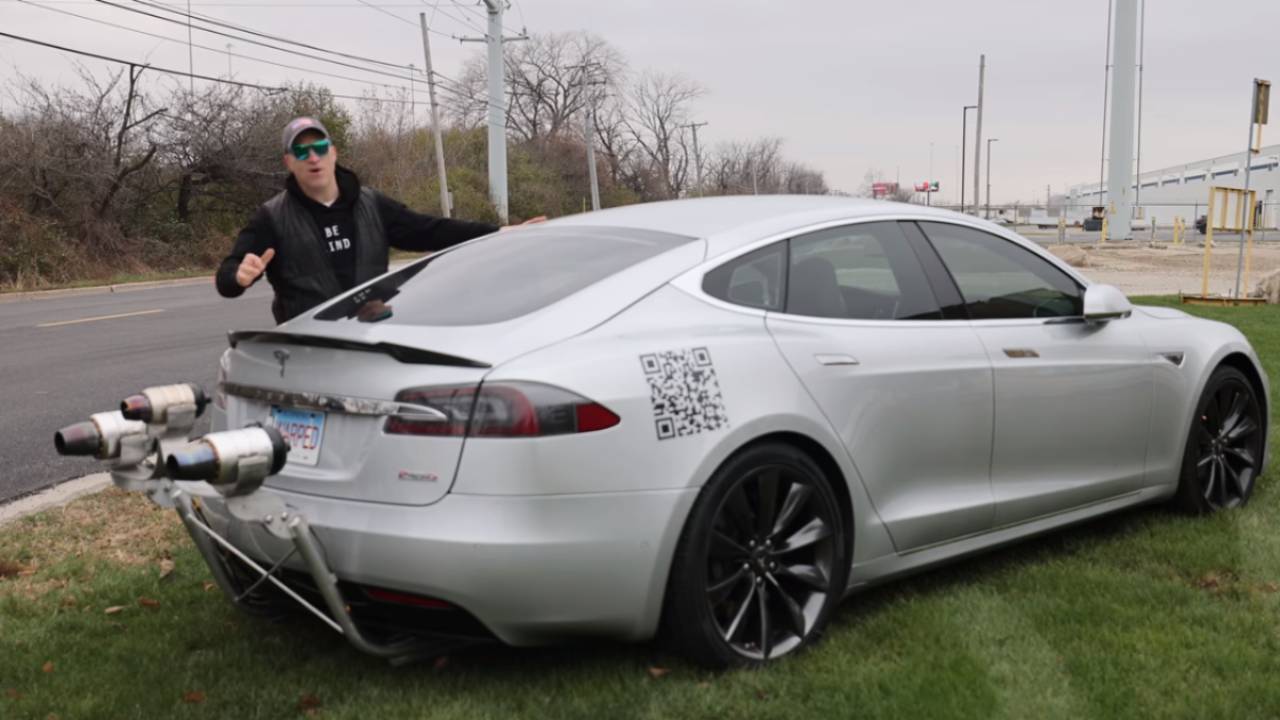
Not Satisfied With The Amazing Speed Reached By The Tesla Model S, An Automotive Engineer Installed Three Jet Engines In His Electric Car, Making It Go From 0 To 100 Km/h In About 3 Seconds
Tesla’s electric cars come with several interesting items that accompany their vehicles, among them the Tesla Model S which is considered one of the fastest electric models in the world, reaching 0 to 97 km/h in 1.99 s according to the manufacturer and 1.98 with an independent measurement. However, Matt Mikka, an automotive engineer, was not deterred from creating his own jet version of the Tesla Model S.
Read Also
Engineer’s Electric Car Uses Jet Propulsion
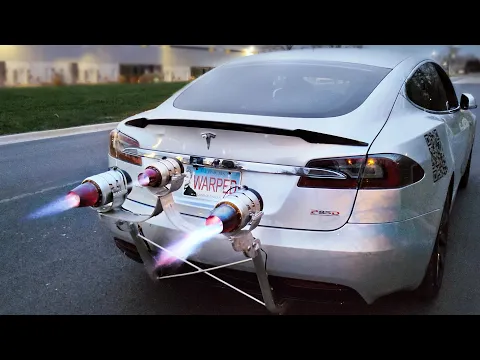

The inspiration may have come from a joke that Elon Musk, CEO of Tesla, made two years ago, saying that the next release from the manufacturer could be an electric car with jet engines using fuel developed by his other company, SpaceX. He even mentioned that the speed the vehicle could reach would make it take off.
In any case, the engineer did not wait for an official announcement from Tesla and wanted to put the idea into practice by creating his own Tesla Model S with jet propulsion, even though this dismantled the concept of sustainability. For the electric car to have the precise thrust, the engineer installed three jet engines at the rear of the Tesla Model S.
-
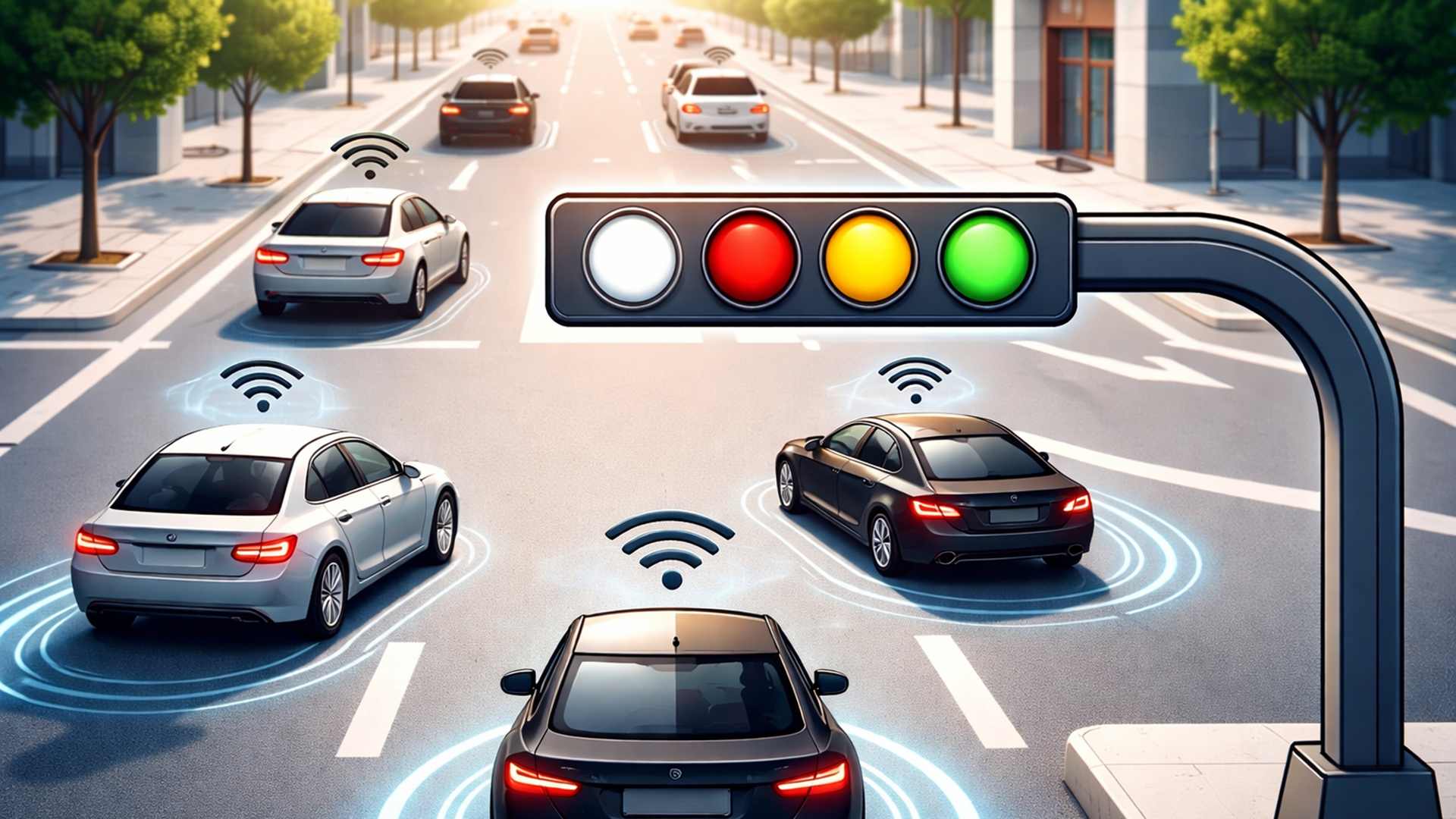
Engineers propose a fourth traffic light for intersections – the change promises to affect crossings, queues, and waiting times.
-
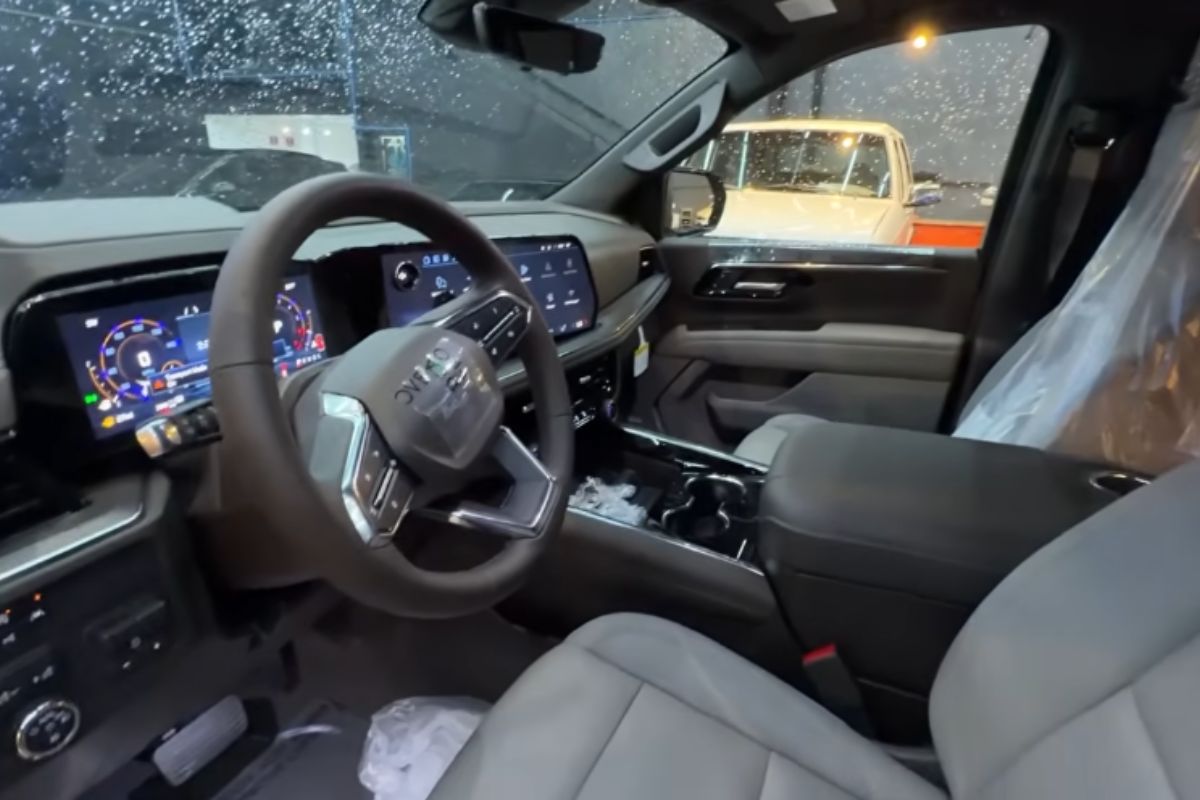
Chevrolet Suburban Z71 lands in Brazil with a V8 engine, off-road design, air suspension, seven seats, and colossal size, a rare version imported for around R$ 1.3 million with luxury and exclusivity.
-
The Chevrolet Onix 1.0 turbo achieves 17.7 km per liter on the highway and ranks among the three most economical cars in Brazil in 2026, alongside two more expensive Toyota hybrids available at dealerships.
-
Little sister of the Hilux: Toyota launches Land Cruiser FJ with 4 radical versions, 2.7 engine with 166 hp and 4×4 traction with locking.

According to Mikka, the three turbines combined consume between 1 to 1.5 gallons per minute when running on hydro diesel fuel, making the electric car far from economical.
Engineer Tests His Tesla Model S
Mikka was not satisfied with only the theoretical field and took the electric car out onto the streets to test the speed that could be achieved with the new jet engines at maximum power.
During testing, the engineer managed to maintain control of the vehicle in neutral at about 100 km/h while relying on only two of the three engines, one of which shut off early in the acceleration. This did not prevent him from reaching the mark of 3.32 seconds, one second more than the 4.38 achieved with an electric motor.
Although the jet engine did not surpass the speed of the electric motor, Mikka pointed out that several factors might have affected the result, from the humid weather to the wet road at the time of the test, which are decisive factors in the final outcome. Therefore, it can be said that the Tesla electric car powered by jet engines does not seem to be an impossible project to happen.
Corsa Can Reach A Ferrari
Also following the idea of making modifications to achieve better results, the janitor and mechanic Adam Beard used two engines that can bring over 1,000 horsepower.
The Chevrolet features two 2.0 DOHC engines, each with 608 horsepower, and can compete with luxury sports models, such as the Ferrari 488 Pista. In total, the Corsa is capable of delivering 1,216 horsepower and a torque of 132 kgfm, allowing the model to complete 400 meters in just 7.2 seconds.







Seja o primeiro a reagir!