





 Portuguese
  English
  Spanish
  5 min of reading
  0 comments


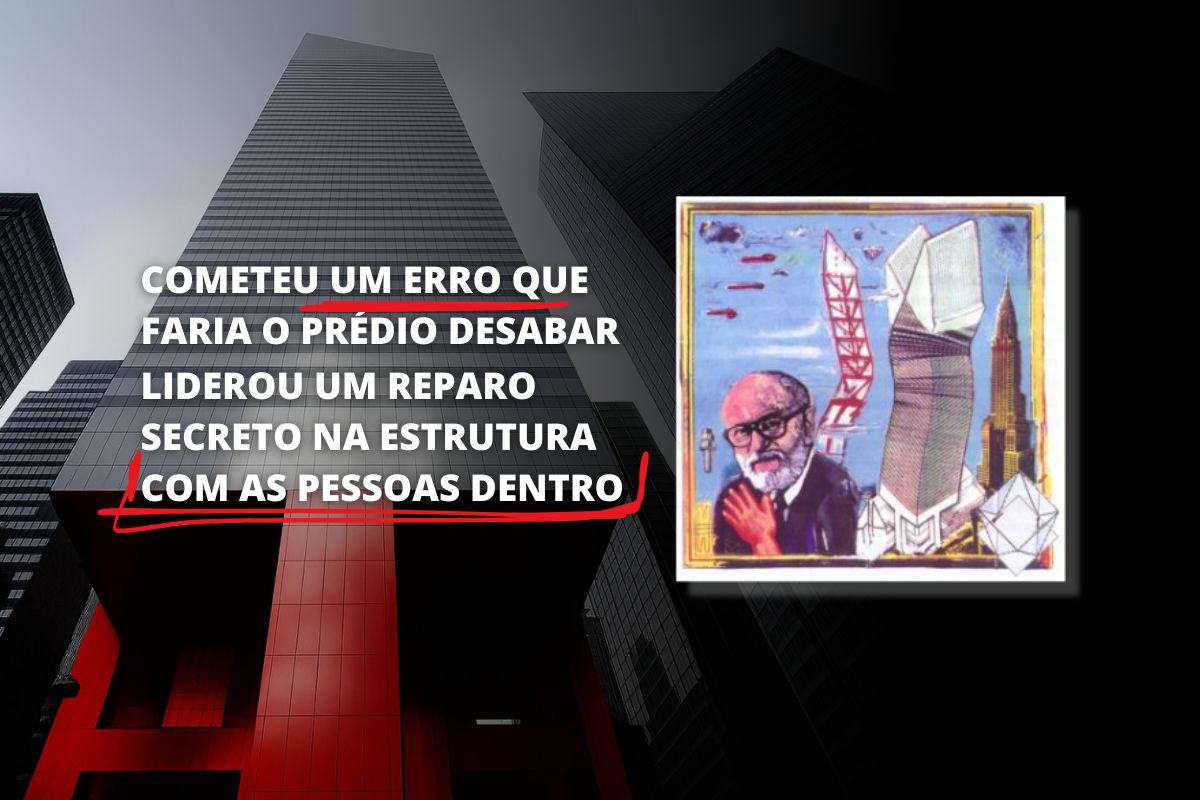
The Amazing Decision of William LeMessurier, the Technical Backstage of the Night Structural Reinforcement, and the Silence Network That Avoided Panic in Manhattan While a 59-Story Skyscraper Was Reinforced in Secret
In a previous article published here on Click Petróleo e Gás, we recalled how one of New York’s most iconic skyscrapers, the Citicorp Center, nearly collapsed silently due to a critical engineering failure. The building, then recently inaugurated and valued at US$ 175 million, was at real risk of collapsing under diagonal winds, with the potential to kill thousands of people.
But behind this dramatic story, there was a man. William LeMessurier, the engineer responsible for the structural design of the skyscraper, was the one who discovered the error, took the risk, and secretly led one of the riskiest and most successful repairs in civil engineering. This is the continuation of the case, now focusing on the technical backstage, ethical decisions, and strategies that prevented disaster, as detailed by The New Yorker and confirmed by sources like Veritasium.
ARTICLE CONTINUES BELOWSee also
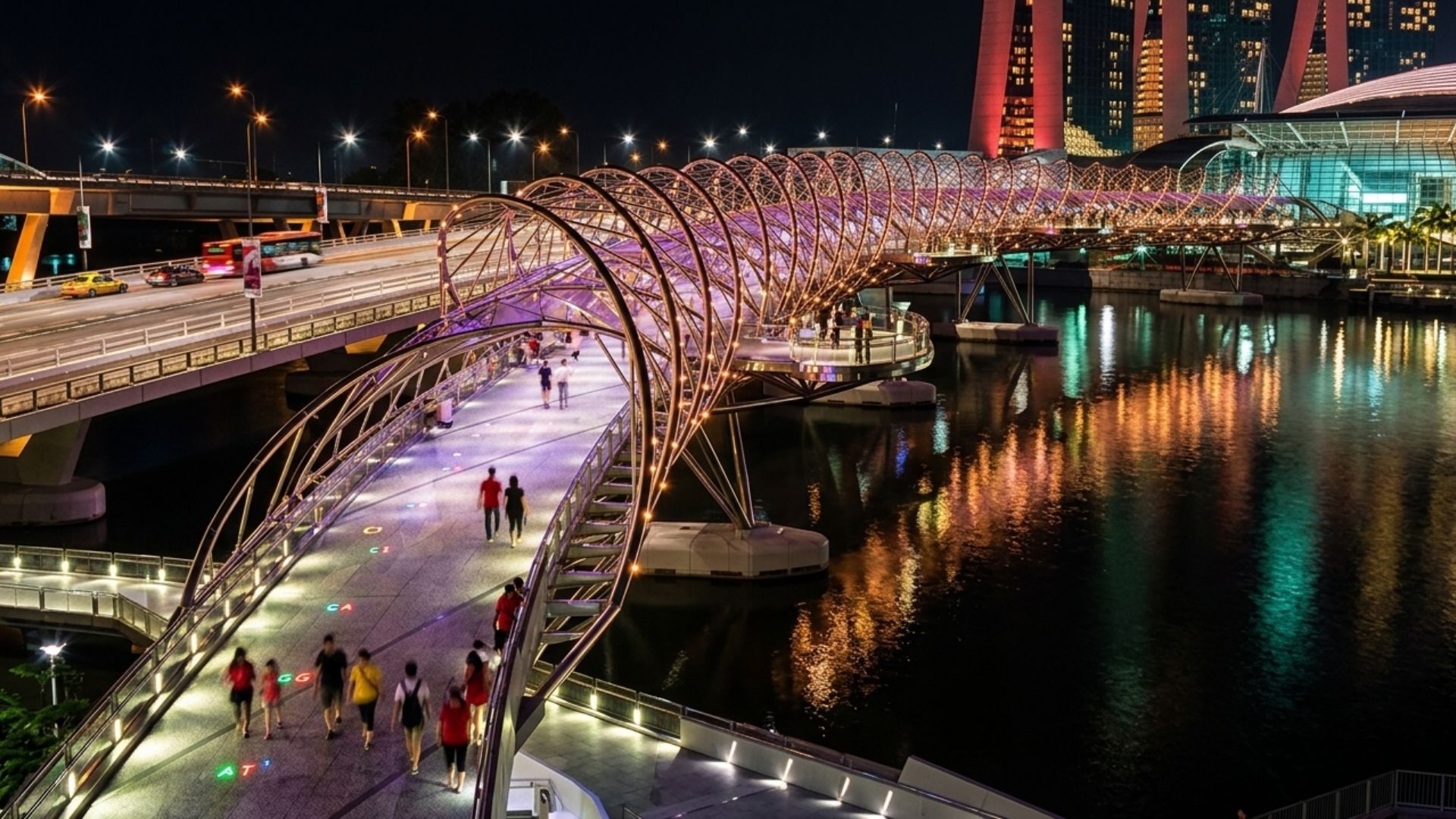
With a DNA shape, this bridge in Singapore draws attention in modern architecture and surprises tourists by transforming a simple crossing into an unforgettable visual experience in the urban heart.
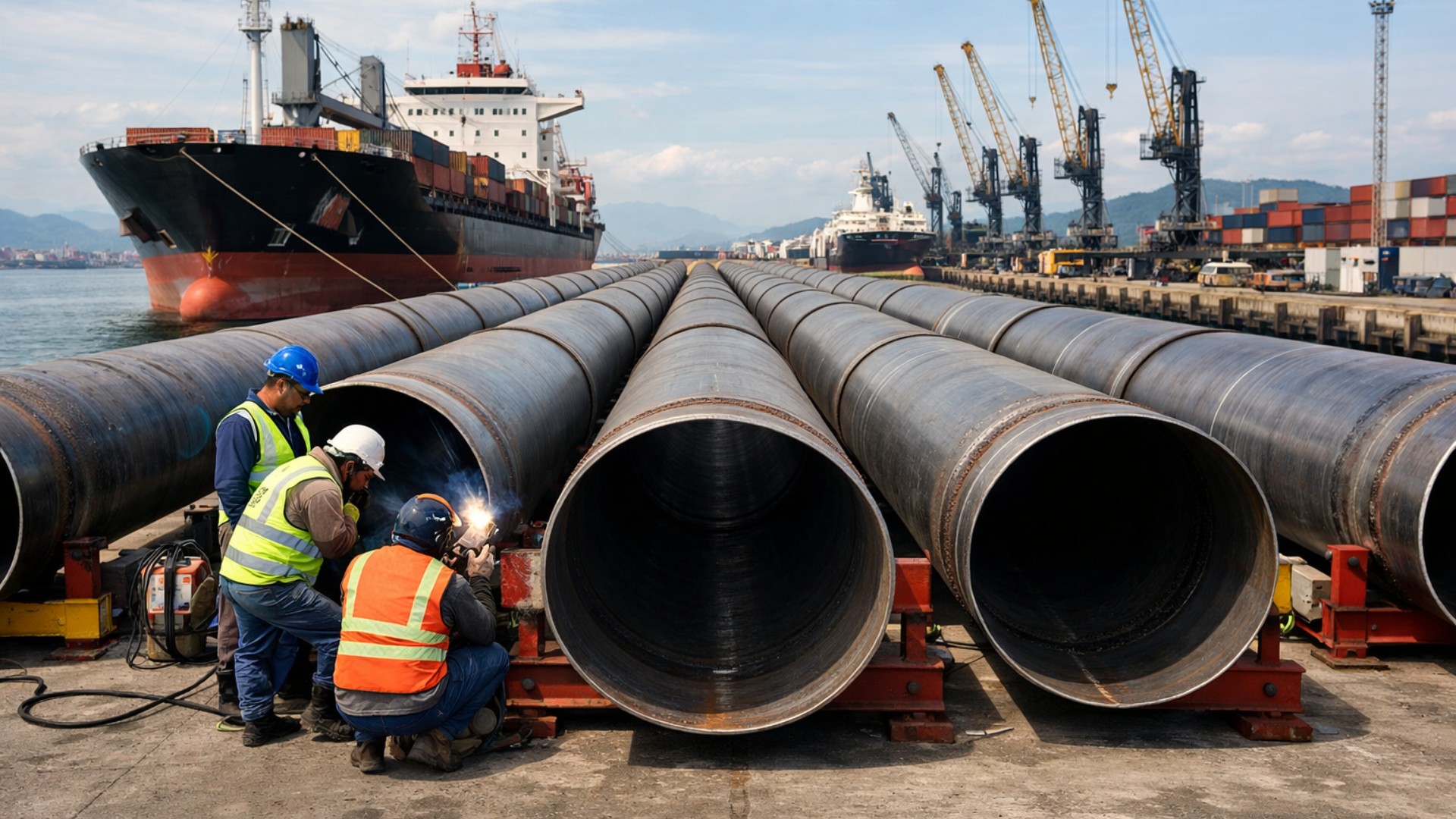
Giant underwater pipeline begins to take shape with a R$ 134.7 million project at the Port of Santos: the 1.7 km structure uses 12-meter and 700 mm pipes to supply water to 450,000 people in Guarujá.
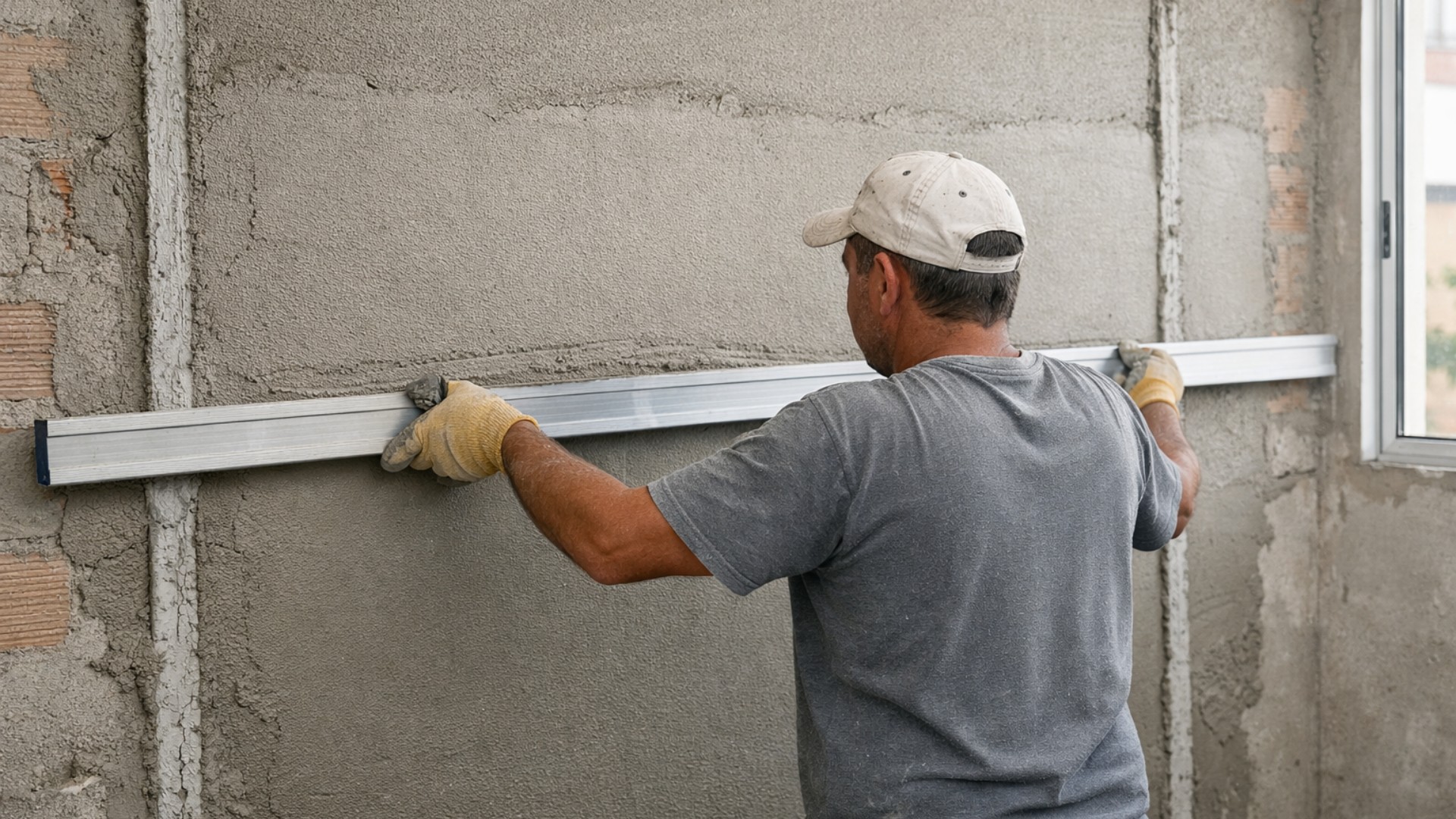
A mason reveals a professional plastering technique that uses aligned guides and a 3-meter ruler to plaster an entire wall in up to 3 hours, without visible seams, with uniform thickness, perfect plumb, and a finish ready for painting without rework.
The project that was supposed to be ready for the 2014 World Cup in Brazil debuted with a 12-year delay and nearly R$ 6 billion invested: the Line 17-Gold of the São Paulo monorail opened with reduced hours and is only expected to operate fully in October.
Who Was William LeMessurier, the Engineer Who Faced His Own Mistake to Save Thousands of Lives?
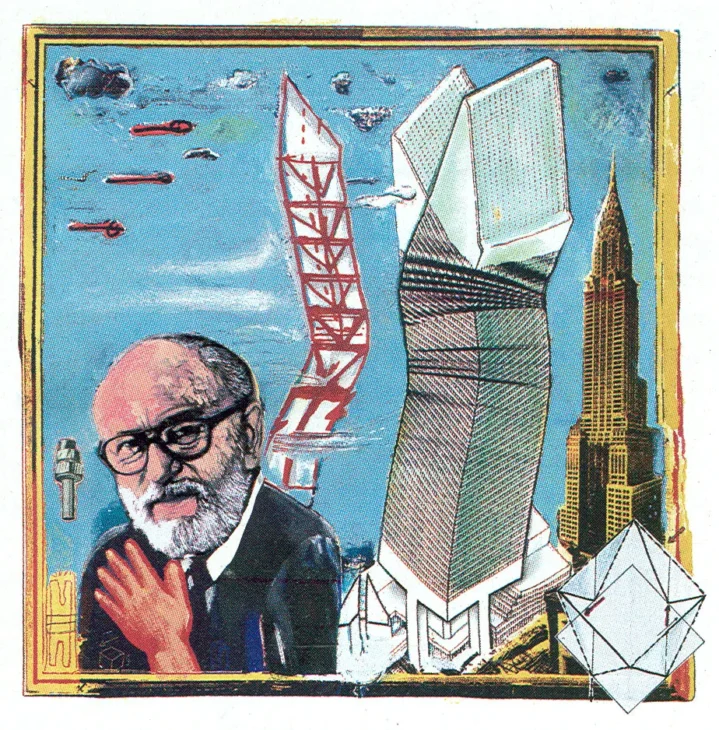
William James LeMessurier Jr. (1926–2007) was one of the most respected structural engineers in the United States. Born in Michigan, he studied mathematics at Harvard and completed his master’s degree in structural engineering at MIT. In 1961, he founded LeMessurier Consultants, responsible for various notable projects, including skyscrapers like the Federal Reserve Bank of Boston and the Singapore Treasury Building.

Despite his extensive resume, LeMessurier became globally known for his actions during the crisis of the Citicorp Center. Upon discovering that his design had failed to account for the load of diagonal winds on the steel skeleton of the skyscraper, he chose to act — even if it meant putting his reputation at risk.
LeMessurier’s Moral Dilemma: Suicide, Silence, or Immediate Action
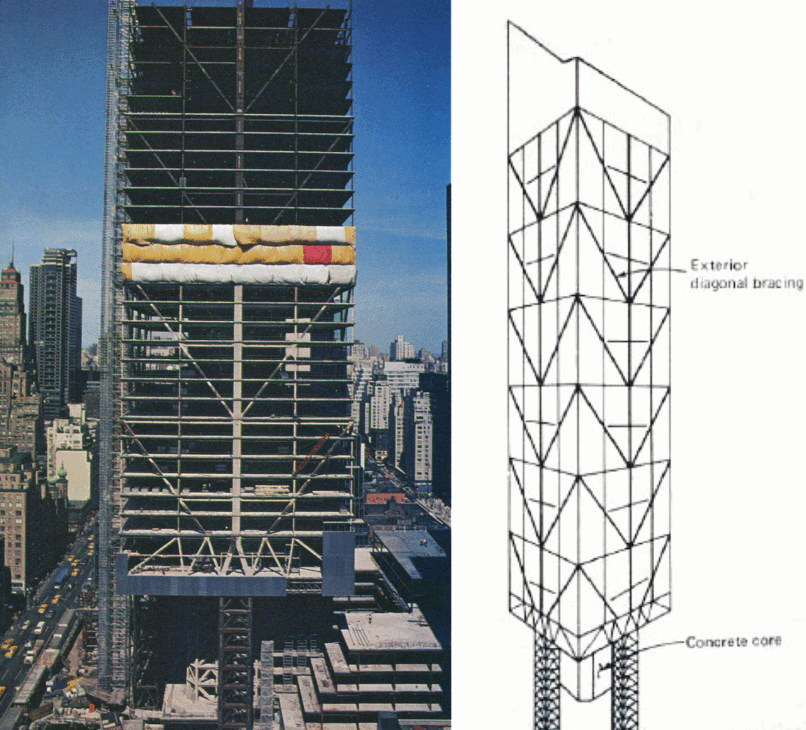
Days after confirming the severity of the structural error, LeMessurier found himself facing a brutal ethical impasse. He could hide the problem, risking the lives of thousands and preserving his career — or admit the failure and risk bankruptcy, public scandal, and professional humiliation.
The tension led him to consider even suicide, but he decided to take action. He sought lawyers, alerted those responsible at Citicorp, and devised, with the authorities’ approval, a secret repair operation involving multiple shifts of workers, refined calculations, and constant surveillance of the building.
The plan included reinforcing over 200 compromised joints with 2-inch thick steel welds. All of this without evacuating the building, without alerting the media, and during hurricane season. Since the city was on a press strike, confidentiality was maintained.
To prevent collapse during the process, emergency generators were installed on top of the building, ensuring the operation of the 400-ton mass damper (TMD) — the last line of defense in case of strong winds.
The Secret Operation “Project Serene” and the Engineering of the Impossible
Named “Project Serene,” the plan was more of a military operation than a civil engineering project. The Citicorp was transformed into a nighttime construction site with meticulous schedules: from 5 PM to 8 PM, carpenters dismantled walls and created booths around the joints. From 8 PM to 4 AM, welders took action with torches and steel panels.
The mission was to reinforce each vulnerable point without triggering smoke alarms, without disturbing the offices, and, most importantly, without the tenants noticing. Every morning, before business hours, teams cleaned up debris and reassembled finishes as if nothing had happened.
The most critical points were located between the 29th and 31st floors and were prioritized based on calculations of strength and probability of collapse in case of diagonal winds exceeding 110 km/h. In parallel, sensors were installed to monitor the stress of the structures in real-time, connected by cables to the command center on Park Avenue.
To keep the building “alive,” the TMD manufacturer sent technicians to monitor the system 24 hours a day, with spare equipment, weather radios, and lubricants to ensure that no oscillation compromised the tower’s integrity.
Hurricane Ella: The Hurricane That Nearly Revealed Everything
Six weeks after the repair began, the threat everyone feared appeared on the radar: Hurricane Ella was forming in the Atlantic and heading straight for New York. The reinforcement was only 50% complete, and panic began to set in among engineers, managers, and authorities.
The evacuation plan for 10 city blocks around the building had already been discreetly drawn up by the Red Cross, NYPD, and city hall, but it would only be activated if the winds approached. Fortunately, Ella veered off course at the last moment and headed out to sea.
According to LeMessurier, the building, even partially reinforced, could already withstand a once-in-a-century storm. After Ella’s diversion, the weldings continued night after night, without accidents, until the total reinforcement was completed in October 1978.
In the end, the building was so robust that it could withstand a storm with a recurrence of 700 years, even without the TMD functioning.
When No One Would Know Anything, and No One Died
If the building had collapsed, experts estimate that hundreds or thousands of people would have died instantly, and the collapse could have triggered a domino effect of other buildings.
The most impressive thing is that none of this reached the public at the time. Thanks to the strike of the city’s major newspapers, the confidentiality was maintained. LeMessurier revealed the details only years later, and the case was widely publicized in 1995 by The New Yorker.
Despite the gravity, no one was prosecuted, no one died — and all those involved were praised for their courage, discretion, and cooperation. Citicorp resolved the case with a US$ 2 million out-of-court settlement, and the building was sold years later at a profit to Japanese investors.
Today, 601 Lexington Avenue stands firm as a living lesson in humility, ethics, and competence in modern engineering.
Comment and Share
If you are an engineer, student, or just a curious person about real stories that challenge logic — share this article. The case of the Citicorp Center is more than a technical error: it is a story of moral courage, technical precision, and the power of a solitary decision that saved thousands of lives.
What is your opinion on LeMessurier’s attitude? Would you have done the same? Comment below!






Seja o primeiro a reagir!