





 Portuguese
  English
  Spanish
  6 min of reading
  16 comments


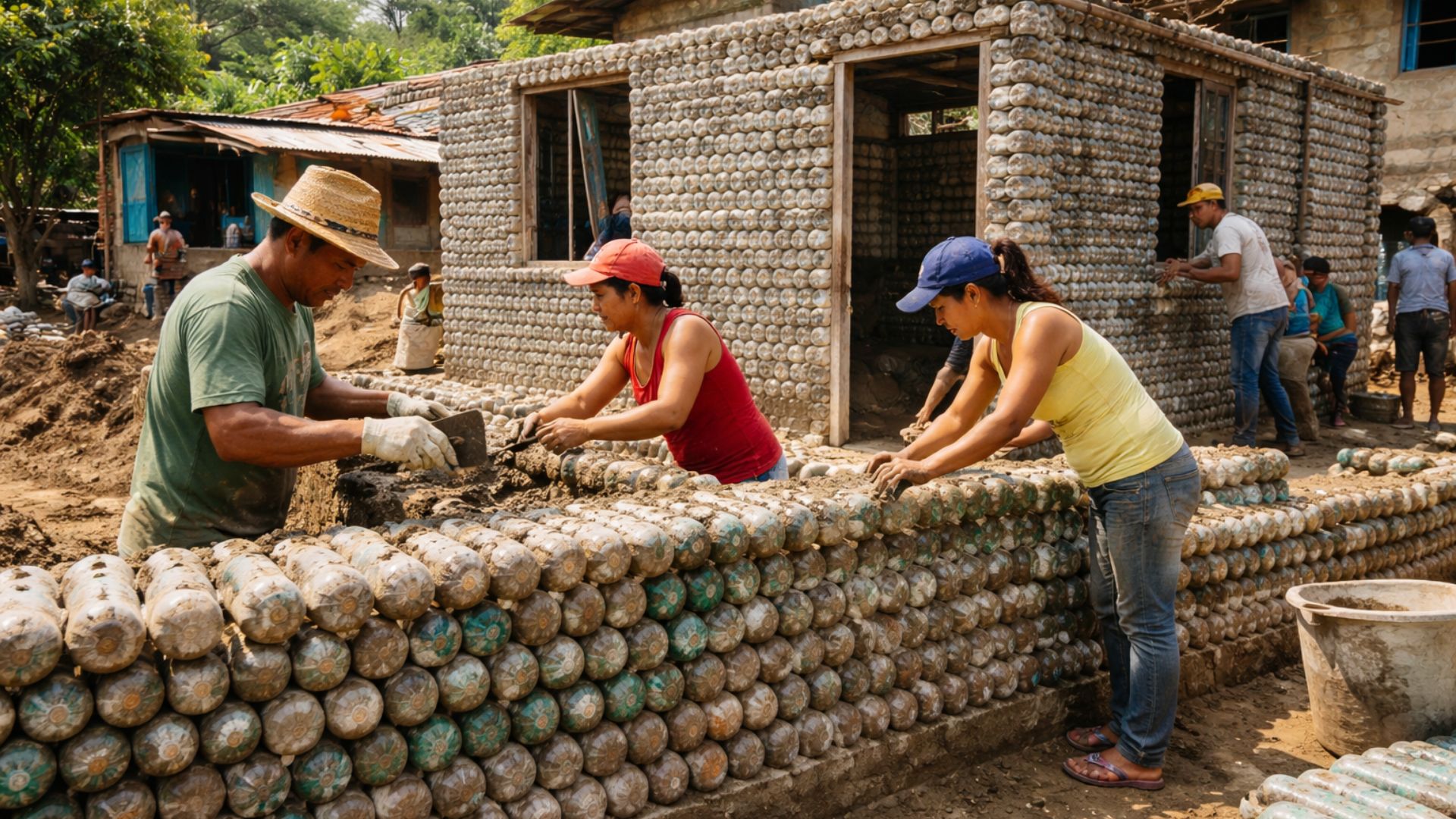


Technique That Transforms Plastic Bottles Into “Bricks” Reappears in Community Projects in Latin America, with Promise of Cost Reduction and Recycling of Waste, While Studies Describe Application in Walls, Tanks and Collective Works Under the Guidance of Local Organizations.
A construction technique that uses disposable plastic bottles as “bricks” has started to attract attention for promising to reduce part of the costs of popular construction and provide a destination for waste that would normally go to landfills, streams and dumps.
The method is associated with German Andreas Froese, founder of Eco-Tec, an organization based in Honduras that, since the early 2000s, has been applying and teaching the solution in community projects in Latin America.
Institutional materials from Eco-Tec state that the approach can lower the cost of traditional construction by up to 40%, while academic studies that describe the technique point to material savings that can reach 50% compared to conventional building, depending on the project and context.
-
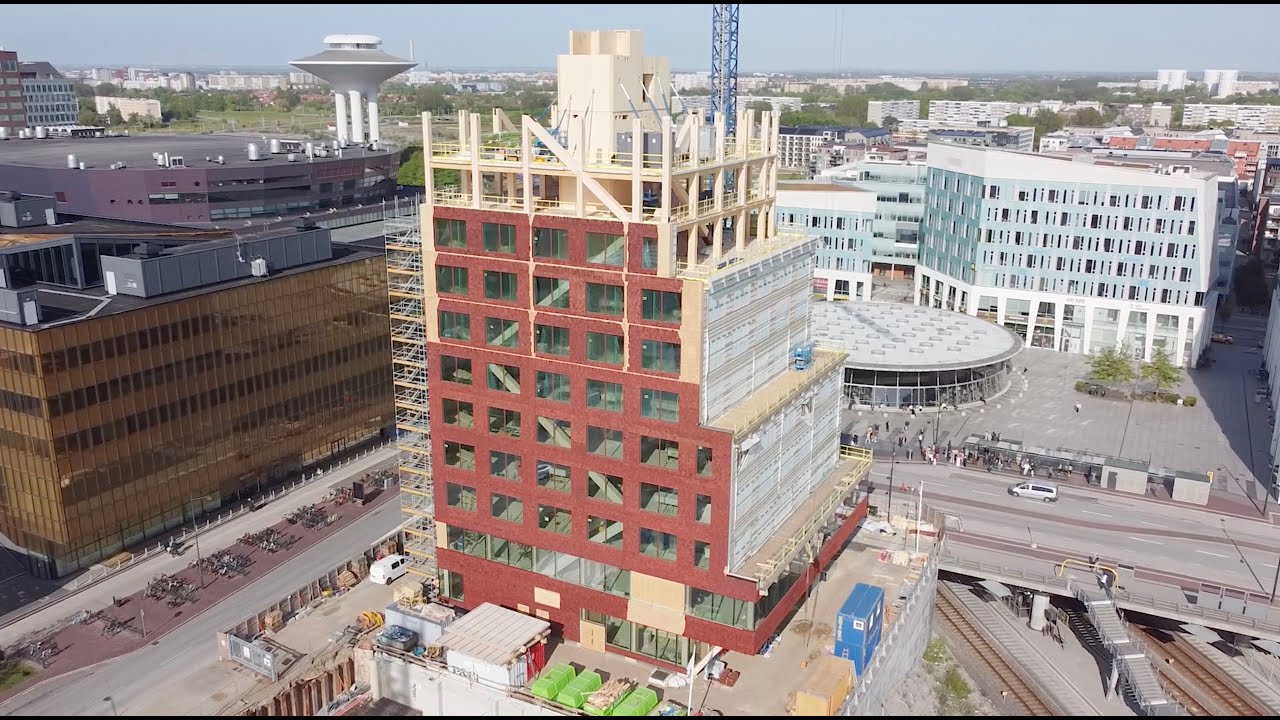
In Sweden, a 51-meter tower was built almost entirely of wood, without a concrete structural core and with solar panels integrated into the facade, using CLT and laminated beams to challenge the dominance of steel and concrete in modern buildings.
-
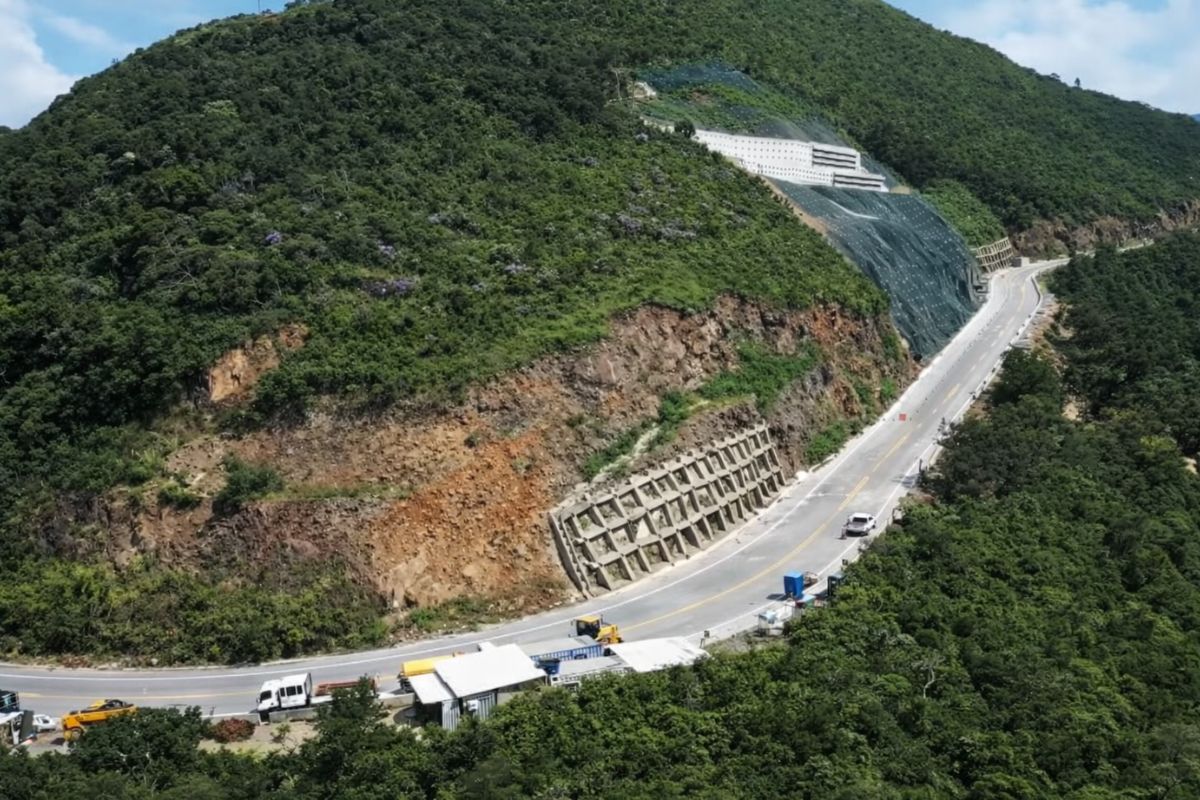
The section of Serra da Rocinha on BR-285 is now open in Timbé do Sul: 50 m tensioned curtains and top-down technique stabilize the slope, with a stairway duct controlling the water.
-
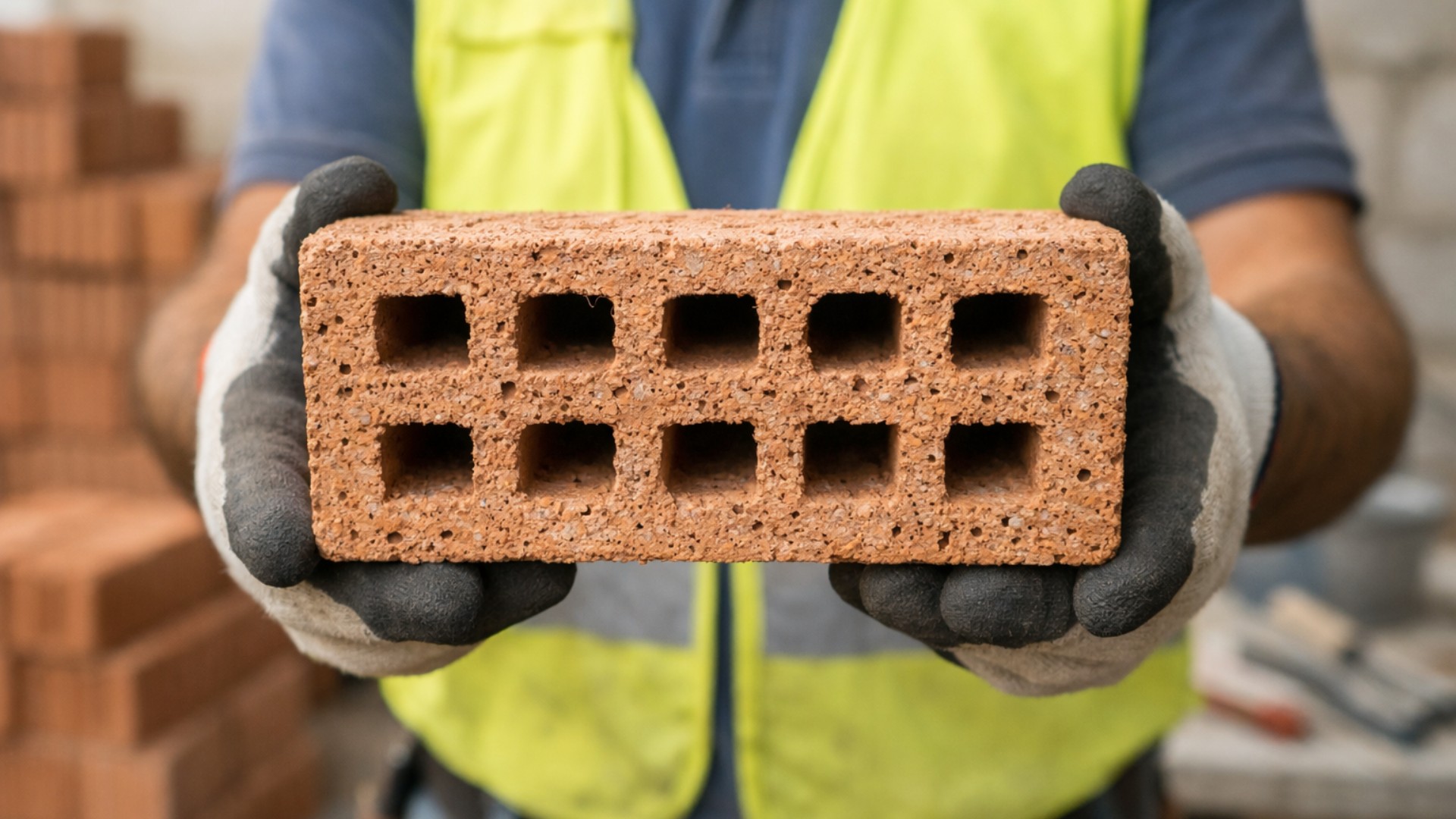
Scientists use sawdust mixed with clay to create a lighter brick, promising efficient thermal insulation and impressing by transforming waste into a solution for construction.
-
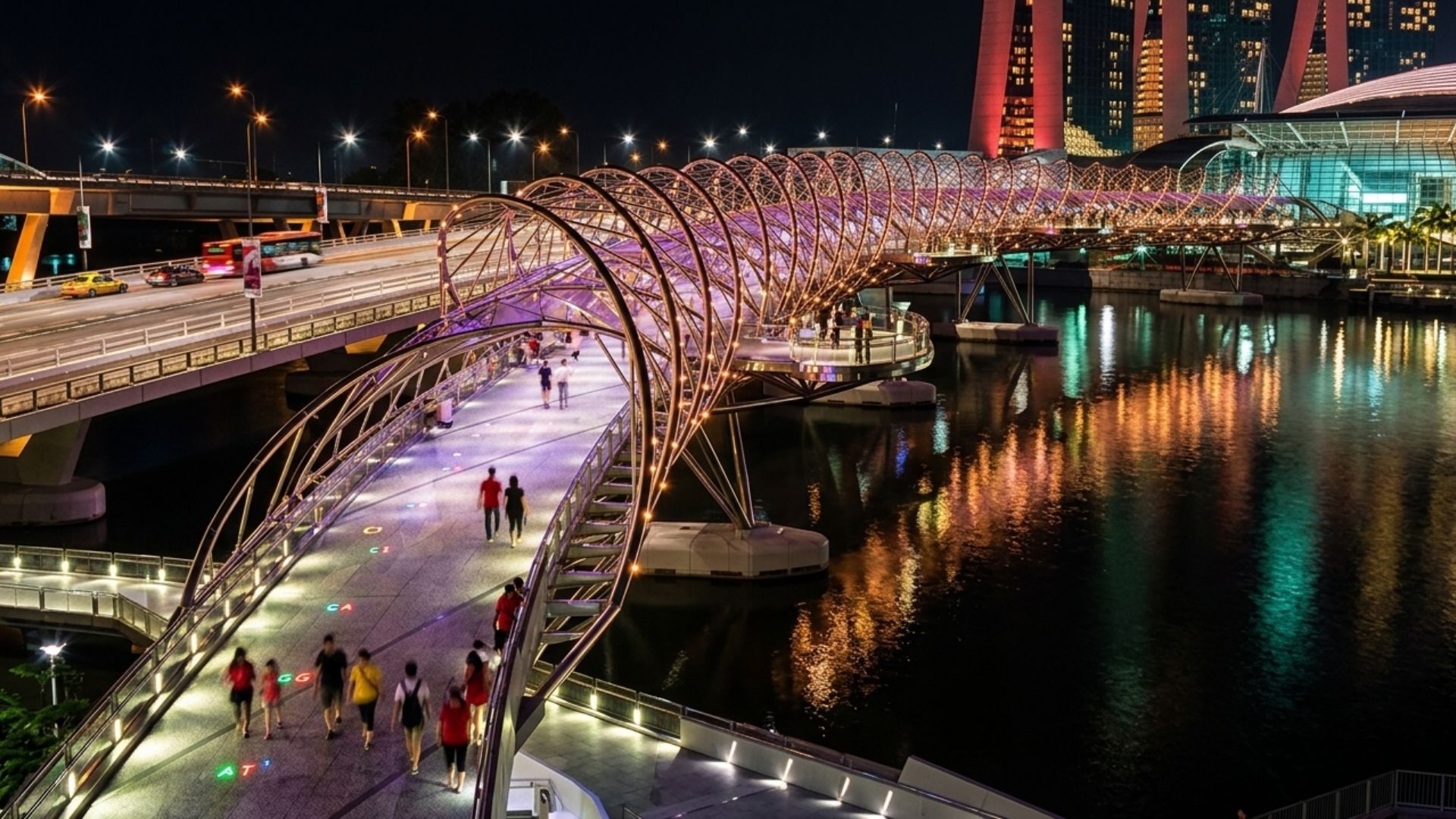
With a DNA shape, this bridge in Singapore draws attention in modern architecture and surprises tourists by transforming a simple crossing into an unforgettable visual experience in the urban heart.

Origin in Honduras and the Beginning of Plastic Recycling
The starting point of the proposal, recorded in a report from Smithsonian Magazine, was the excess of plastic bottles in communal use environments in Honduras in the early 2000s.
The publication reports that Froese was working in an eco-park when he noticed the amount of packaging accumulated after events and began seeking a way to repurpose the material into useful structures, instead of treating it as waste.

The initiative evolved into a replicable technique, with workshops and demonstration works, especially in low-income areas facing sanitation and infrastructure challenges.
How Construction With Filled PET Bottles Works
The logic of construction with PET bottles is to transform the container into a filling and modulation element for walls.
Instead of using the empty bottle, it is filled with materials such as soil, sand, or small debris, making it more rigid and stable for settlement.
From there, the bottles are positioned in rows and secured with ties and mortar, forming walls that later receive layers of coating.
The study “Nuevas alternativas en la construcción: botellas PET con relleno de tierra”, published in the journal Apuntes, from Pontificia Universidad Javeriana, describes the application of the system in works linked to Eco-Tec and states that the method has been tested and adapted in different wall, column, and enclosure formats.
Ecological House and Numbers Cited in Research
One of the most cited examples is the so-called “Ecological House” built in Honduras, near Tegucigalpa, in an area associated with Ecoparque El Zamorano.
The academic work indicates that, in this case, about 8,000 PET bottles were used, filled with approximately 12 cubic meters of local soil.
The same research describes that, in addition to walls, the technique was applied in structures such as perimeter walls and communal-use works, and that the proposal is often presented as an oriented self-construction solution, with direct participation of residents and volunteers in workshops.
Savings in Construction: Up to 40% and Variations According to the Project

Estimates of savings appear in two different fronts and do not always measure the same thing.
In a PDF institutional portfolio, Eco-Tec states that its technique “reduces traditional construction costs by up to 40%”, associating this reduction with the partial substitution of bricks and the use of waste and local materials.
The study from Universidad Javeriana, when discussing the advantages and limitations of the system, points to savings that can reach 50% in materials when compared to traditional construction, also highlighting that the final cost may vary according to the availability of inputs, logistics, and construction model.
Smithsonian Magazine, when dealing with aggregated solutions used in some constructions monitored by Froese, mentions the adoption of resources such as green roofs and dry toilets in certain houses and notes that these components can cost less than conventional alternatives in specific situations.
In all cases, the consulted sources make it clear that the reported percentages depend on the type of construction, design of the project, and local context, and do not function as a guaranteed result for any work.
Expansion to Other Communities and Community Projects
The reach of the method beyond a specific construction in Honduras appears both in journalistic reports and in studies that systematize the experience.
Smithsonian Magazine describes that, in addition to houses, reservoirs, tanks, and demonstration structures have been built using bottles, and cites, for example, a project at a school on the island of Roatán, where students and educators participated in the construction of a water tank under the guidance of the technique leader.
The academic study from Universidad Javeriana reports that Eco-Tec has developed projects with communities in Honduras and other countries, citing initiatives in Bolivia, El Salvador, and Colombia, in addition to educational and community interventions.
The organization’s institutional portfolio also mentions participation or cooperation with entities such as Rotary International and references to dialogue with international programs and institutions.
Environmental Impact and the Limit of Metrics in “Tons”
The environmental dimension of the project is presented by the sources, primarily, as diverting waste from improper disposal and as large-scale repurposing of bottles.

Institutional documents from Eco-Tec assert that over 300,000 PET bottles have been recovered and used in dozens of projects over the years, and academic works on “bottle bricks” cite this number as part of the historical diffusion of the technique.
Despite this, the consulted public sources usually quantify the recycling in number of bottles, and not in total weight.
For this reason, there is no unique and standardized estimate, in tons, widely documented in open journalistic and academic materials, even though the volume of containers involved is described as large and recurring in various initiatives.
Advantages and Technical Limitations Cited in Studies
In addition to cost and disposal, the literature describing the system usually highlights the physical characteristics of the set.
The study from Universidad Javeriana notes that PET bottles have high persistence in the environment, with degradation estimated at hundreds of years, and points out that when filled and integrated into the wall, they can contribute to thermal insulation due to the type of filling and the typical thickness of the walls.
At the same time, the very work emphasizes limitations: lack of specific regulation and lack of standardized characterization studies that define the system’s behavior in different conditions and types of construction, which requires caution in projects that need to comply with local regulations or involve stricter structural requirements.
Social Technology and Community Participation in Constructions
The adoption of the technique in low-income communities appears connected, in the sources, to the combination of three factors: availability of discarded bottles, need for housing and infrastructure solutions, and the possibility of learning through practical workshops.
Smithsonian Magazine reports that part of the effort involved convincing residents that building with waste could be safe and useful, especially when the proposal was accompanied by training, guidance, and demonstrations.
The academic study shows that the technique has been applied at different scales, from walls and fences to support structures, and that the discussion about advantages needs to walk alongside the recognition of technical and regulatory limitations.
In a context where popular housing is under pressure from costs and, at the same time, cities and communities deal with excess plastic waste, the experience from Honduras described by journalistic and academic sources stands as an example of social technology applied to construction.
Given this type of solution, would you live in a house that uses plastic bottles as part of the walls if it came with local testing and technical guidance, or does the idea still seem too risky?








Si viviría así
Well it’s good we can use the plastic bottles which are filled with soil or sand. But inside the house if I want to hang a picture & drill a hole in it, the loose soil or sand will start to come out and maybe it will stop when it’s empty…what about this issue.
Pues no cuelgues nada hombre … Por lo menos tienes casa y usa la imaginación puedes pegarlos si te apetece un cuadro de la Santísima Trinidad ….digo yo no
How could you say ? This is ecofriendly?
Plastic emits greenhouse gases even under sunlight and throughout its degradation process.dont you think to live under harmful environment is unhealthy and human life threatening??