





 Portuguese
  English
  Spanish
  4 min of reading
  0 comments


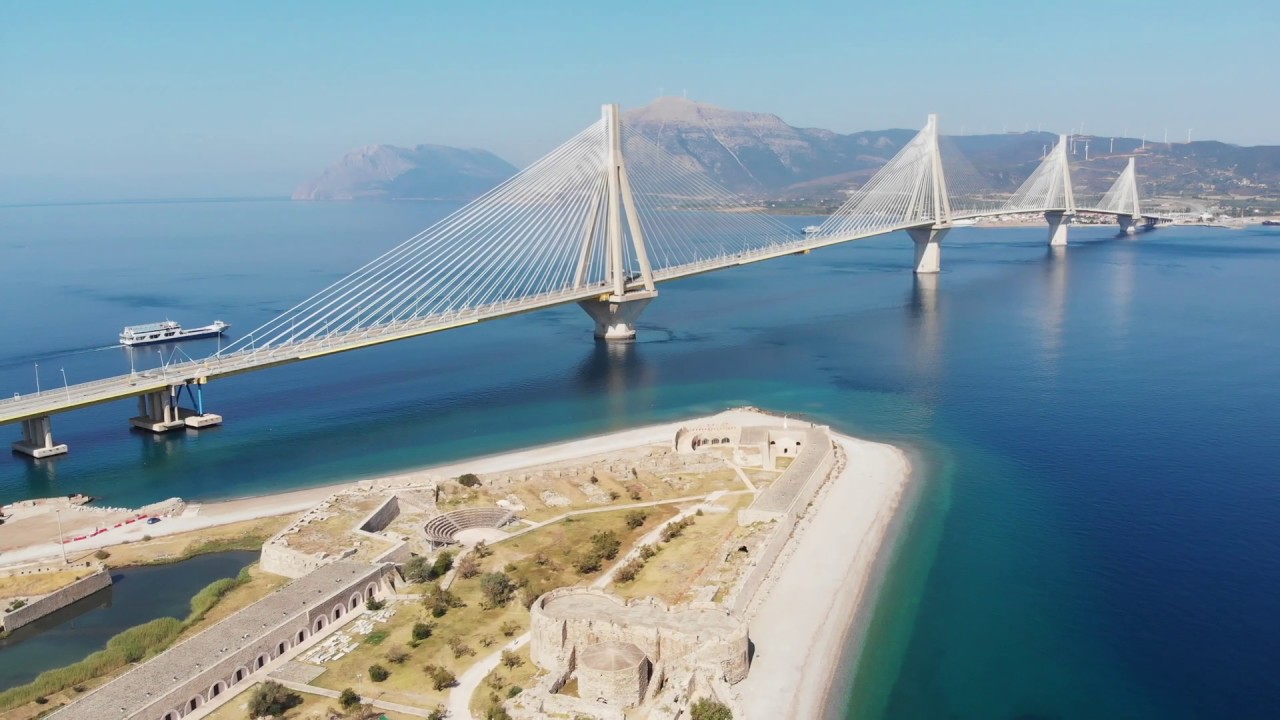
Without Anchoring Pillars in Rock, the Rion–Antirion Bridge Uses 90 M Foundations on Submarine Gravel to Withstand Earthquakes in One of the Most Seismic Straits in Europe.
According to technical reports from the Gefyra consortium, Vinci Construction Grands Projets, and publications from the Institution of Civil Engineers, the Rion–Antirion Bridge was conceived in the late 1990s to solve a problem that had seemed unsolvable for decades: crossing the strait that connects the Peloponnese to the rest of Greece in a region marked by intense seismic activity, weak marine soil, and active geological faults.
The construction took place between 1998 and 2004 in the Gulf of Corinth, one of the most tectonically unstable areas in Europe, where moderate earthquakes are frequent and ground displacements are part of the natural behavior of the terrain.
From the beginning, geotechnical studies showed that the traditional method of deep foundations anchored in rock simply would not work at that site. Solid rock was found at excessive depths, and the substrate displayed heterogeneous layers of soft sediments, prone to liquefaction during earthquakes. Instead of trying to “tame” the land, engineers adopted a radical approach: accept ground movement as a design condition and create a bridge capable of surviving even if the terrain shifted beneath its pillars.
-
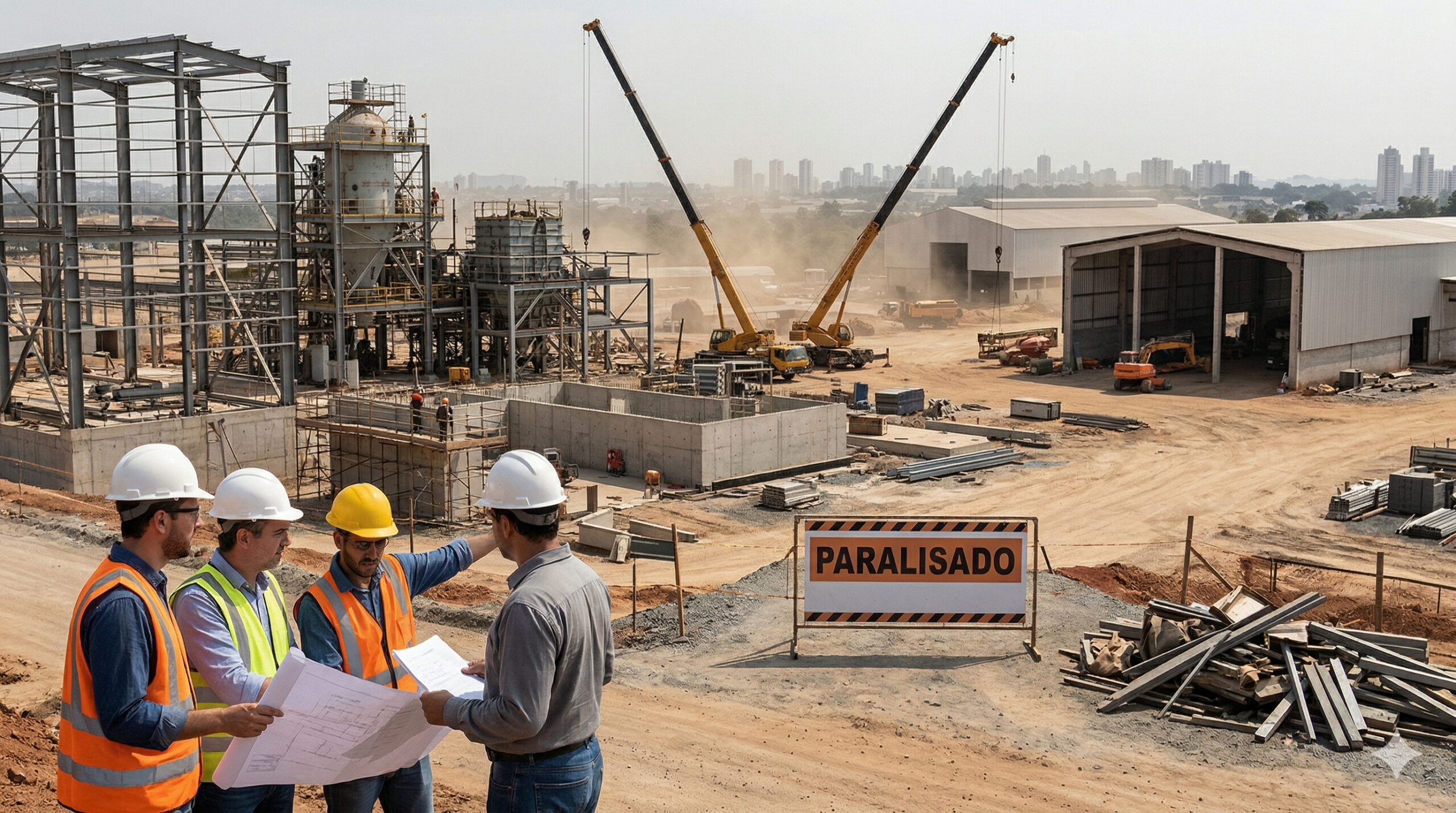
The lack of welders, electricians, and operators becomes a structural threat in 2025, with the construction industry and manufacturing already suffering from delays, cost pressures, and labor shortages in Brazil.
-
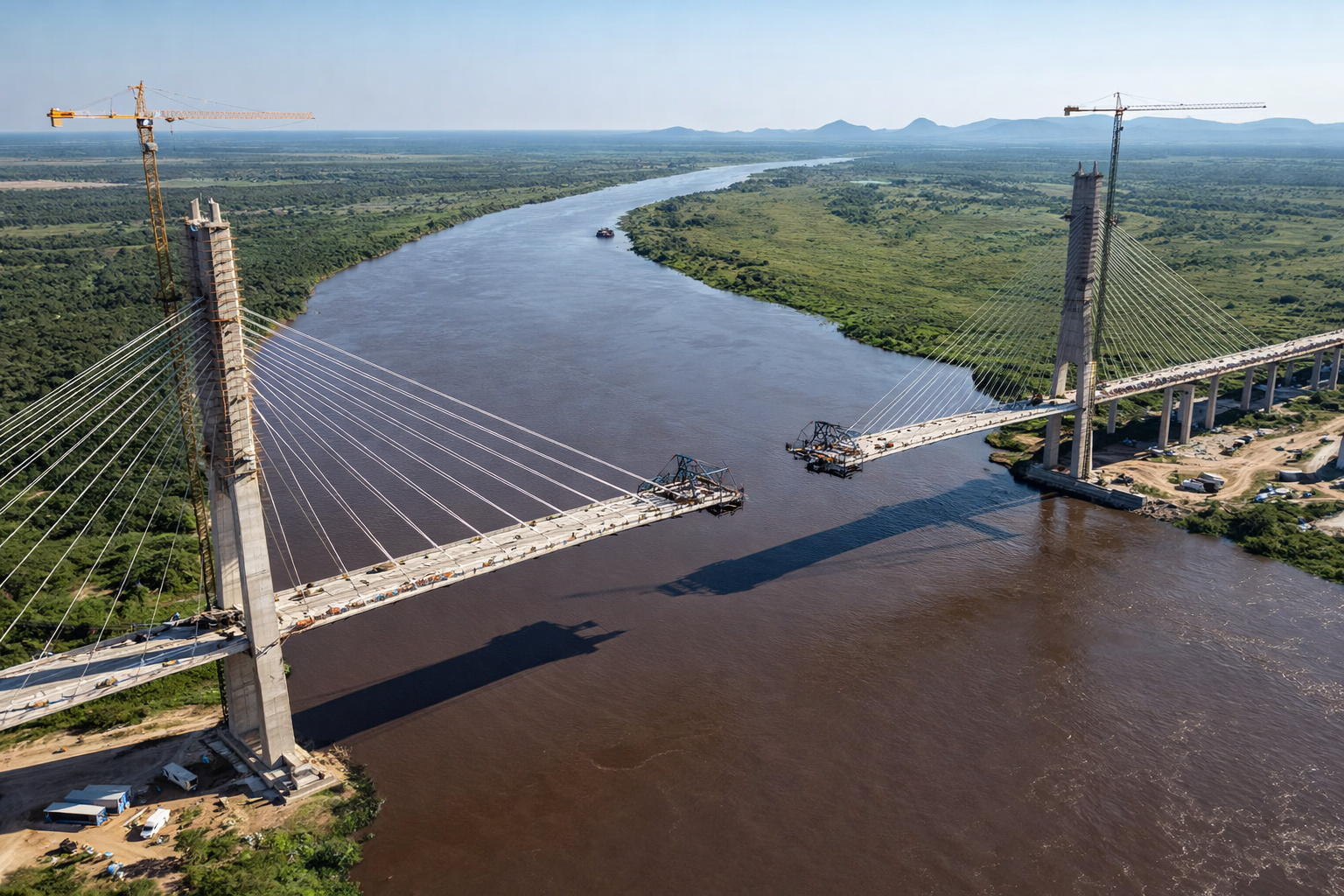
Brazil and Paraguay are just 46 meters away from a historic union on the bioceanic bridge that promises to revolutionize trade between the Atlantic and the Pacific.
-
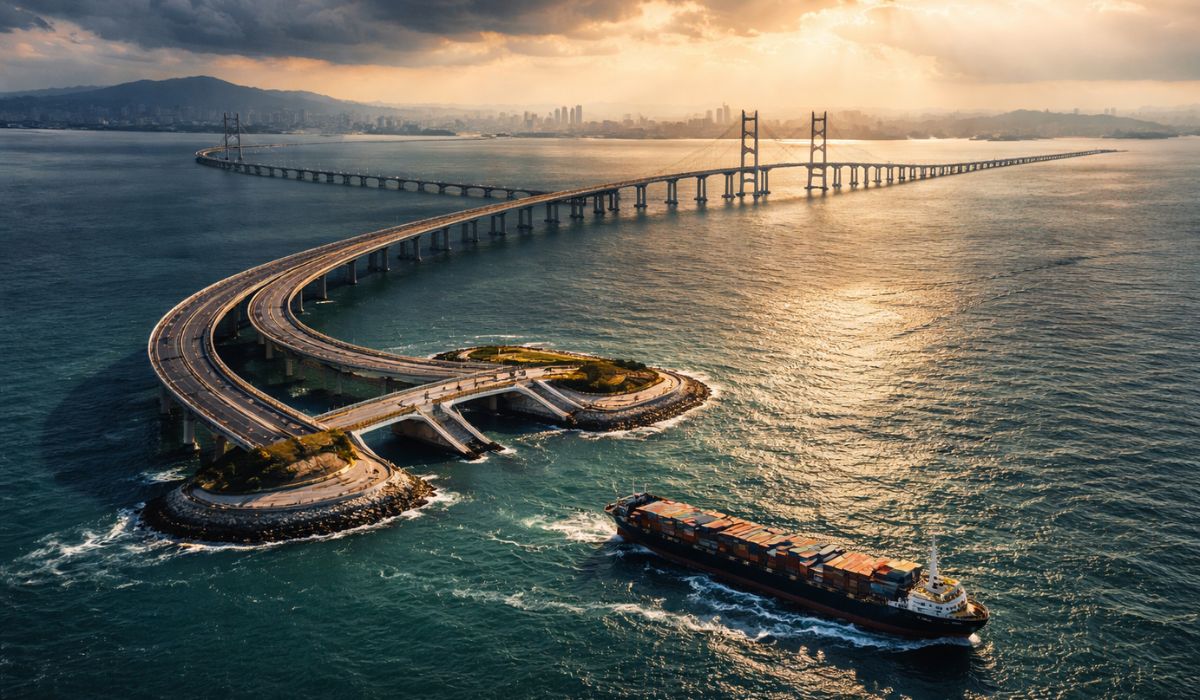
With 55 km over the sea, a cost of US$ 20 billion, and enough steel to build 60 Eiffel Towers, China’s largest project has connected Hong Kong, Zhuhai, and Macau in a colossal bridge that defies the logic of engineering.
-
A trick with joint compound transforms a Styrofoam ceiling into a plaster-like ceiling: leveled panels, wires and mesh at the joints, sand, paint, and change the environment while spending little today.


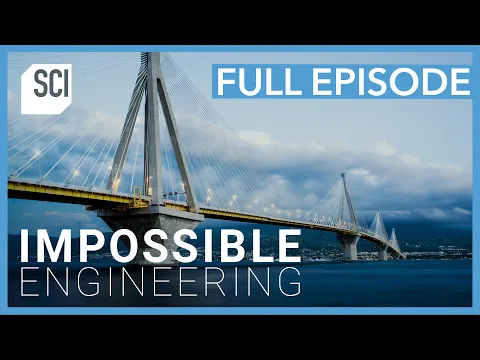

The Geotechnical Challenge of Building Without Anchoring Pillars in Rock
The most unique aspect of the Rion–Antirion Bridge is the fact that none of its main pillars are anchored in solid rock. This decision contradicts decades of practice in large bridges, where the search for rigid foundations has become almost a dogma of structural engineering. In the Gulf of Corinth, this strategy was deliberately abandoned.
The four main pillars of the bridge were placed directly on the seabed, at depths greater than 60 meters, supported by circular foundations approximately 90 meters in diameter.
Instead of driving deep piles until solid rock was reached, engineers artificially reinforced the soil, transforming unstable terrain into a base capable of supporting massive loads without losing overall stability.
The 2.8-Meter Submarine Mattress That Supports the Bridge
The central solution of the project lies in an element invisible from the surface: an artificial gravel mattress about 2.8 meters thick, carefully leveled on the seabed before the foundations were installed.
This mattress acts as a transition layer between the natural soil and the enormous concrete bases, distributing stresses, reducing effort concentrations, and allowing small controlled displacements during seismic events.
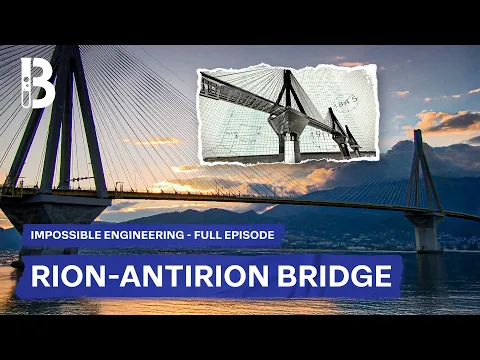
Before the placement of the gravel, the marine soil was reinforced with hundreds of vertical inclusions, formed by metal tubes driven into the sediment. These inclusions increase the overall stiffness of the terrain and reduce the risk of liquefaction, creating an artificial “geotechnical platform” on which the foundations can rest safely.
The result is a system that does not try to prevent soil movement but rather absorbs and dissipates it predictably.
90-Meter Diameter Foundations in Deep Waters
Each of the main foundations of the Rion–Antirion Bridge has dimensions comparable to those of a circular stadium. With a diameter of about 90 meters, these reinforced concrete bases were built to support not only the weight of the pillars and the deck but also extreme forces caused by earthquakes, strong winds, and possible impacts from large vessels.
The installation of these foundations in deep waters required precision operations rarely seen in civil engineering.
The leveling of the gravel mattress, the placement of the bases, and the geometric control had to be carried out with extremely tight tolerances, as any irregularity could compromise the seismic behavior of the structure as a whole.
560-Meter Stayed Spans in an Active Seismic Environment
On top of these unconventional foundations, engineers erected a stayed bridge with central spans of 560 meters, totaling a main section of 2,252 meters and an overall length of nearly 2.9 kilometers.
The stays not only support the deck but also play a crucial role in the dynamic control of the structure, distributing forces and allowing deformations compatible with ground movements.
The system was designed to accommodate tectonic displacements of up to two meters between the pieces of terrain throughout the bridge’s lifespan. Practically, this means that the structure was designed to remain functional even after geological events that would permanently displace the soil beneath its pillars.
A Bridge Designed to Accept Ground Movement
Unlike conventional works, which seek maximum rigidity, the Rion–Antirion Bridge was conceived as a “movement-tolerant” structure. Its pillars, foundations, cables, and support devices work together to absorb seismic energy, redistribute forces, and prevent catastrophic failures.

This philosophy has turned the bridge into one of the largest real-scale seismic engineering experiments ever conducted. Instead of fighting against the geology of the Gulf of Corinth, engineers decided to coexist with it, creating a structure that does not depend on the immobility of the ground to remain standing.
Today, the Rion–Antirion Bridge is studied internationally as a landmark of geotechnical and structural engineering. More than just connecting two banks, it has demonstrated that even in extreme environments, it is possible to build large infrastructures by accepting the movement of the Earth as part of the design, rather than as a flaw to be eliminated.









-

Uma pessoa reagiu a isso.