





 Portuguese
  English
  Spanish
  3 min of reading
  0 comments


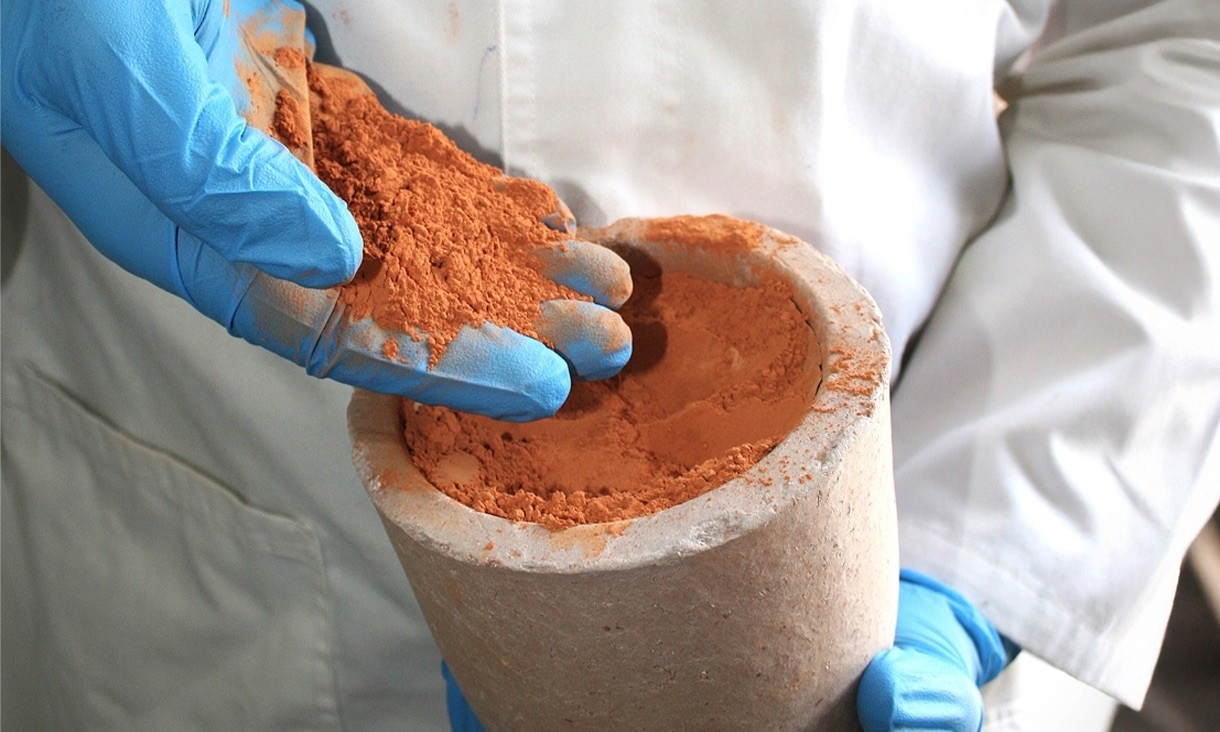
Researchers at RMIT University Create Method Using Illite Clay and Low-Quality Kaolin to Produce More Resistant and Eco-Friendly Cement.
Concrete is the basis of most modern constructions, but its environmental impact concerns experts. The production of cement, an essential component of concrete, is responsible for about 8% of global CO₂ emissions.
For this reason, researchers are seeking solutions to make the material less polluting. Now, a study from RMIT University, in Australia, presents an important advancement in this direction.
The Search for Alternatives to Traditional Cement
For years, engineers have known that partially replacing cement with clay can reduce carbon emissions.
-
How the terraforming of Mars can transform the planet: artificial aerosols can increase the temperature by up to 35°C in 15 years, creating conditions for liquid water.

-
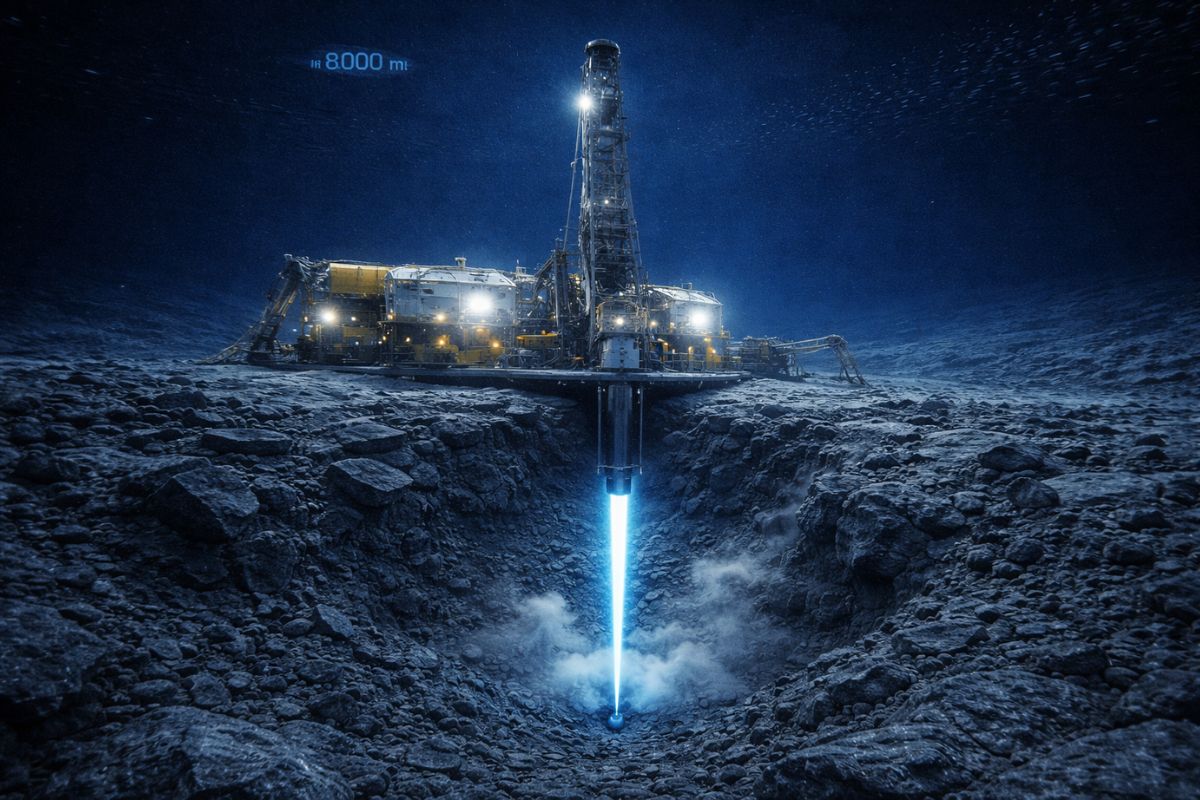
Scientists drilled nearly 8,000 meters into the ocean floor above the fault that caused the 2011 tsunami in Japan and discovered that a layer of clay 130 million years old was responsible for making the wave much worse than any model had predicted.
-
Thousands of years after causing the largest eruption of the Holocene, one of the world’s largest supervolcanoes is rebuilding itself beneath the sea south of Japan, receiving new magma and alarming scientists with its transformation.

-
China has activated a magnet 700,000 times more powerful than the Earth’s magnetic field that operates for over 200 consecutive hours while consuming little energy, and now the world wants to know what Beijing plans to do with this technology in 2026.

The use of high-quality kaolin clay has already shown promising results. However, the high cost and the growing demand for kaolin in industries such as ceramics and cosmetics hinder its large-scale use in construction.
In light of this challenge, the RMIT team investigated the potential of illite clay, a lower-quality but much more abundant and cheaper variety.
By combining this illite clay with low-quality kaolin, the researchers were able to create an even more resistant concrete, offering a viable solution for the sector.
Cocalcination Process Transforms the Material
Much of the CO₂ emissions in cement manufacturing occur during clinker production when limestone (CaCO₃) is heated and large amounts of CO₂ are released.
The Australian team’s proposal does not eliminate this process but reduces the amount of cement needed, thereby decreasing total emissions.
The technique involves mixing illite clay and low-quality kaolin in equal parts. This mixture is then subjected to heating at 600 degrees Celsius.
The procedure, called cocalcination, alters the chemical properties of the mixture, improving its pozzolanic reactivity. This characteristic allows the material to bond better with cement and water during concrete preparation.
Dr. Chamila Gunasekara from RMIT’s School of Engineering explained the results: “Based on this approach, we were able to replace 20% of cement use using combinations of illite and low-quality kaolin, while achieving even better performance of the yield product.”
Results of Strength and Durability
The improvement in concrete properties was significant. The new material showed a 41% reduction in porosity and a 15% increase in compressive strength.
This means that the concrete becomes not only stronger but also more durable over time.
Furthermore, the material retains more water chemically, which favors prolonged reactions and enhances the structural integrity of the construction.
These advancements could directly benefit buildings, bridges, and other structures that rely on high-strength concrete.
Economic and Environmental Benefits
The research also points to financial gains. Currently, the high-quality kaolin market is expected to reach US$ 6 billion by 2032.
The introduction of illite clay into this process could create a new parallel market, leveraging a more accessible and abundant resource.
Dr. Roshan Jayathilakage, the lead author of the study, highlighted: “As the raw materials are processed together, this streamlines industrial operations and reduces fuel consumption compared to multiple calcination steps. This makes the method not only technically sound but also economically and environmentally scalable.”
Virtual Technology Accelerates Development
Another highlight of the research is the use of a computational tool developed by RMIT in partnership with Hokkaido University. The system allows simulating the behavior of different clay mixtures, reducing the need for laboratory testing.
Dr. Yuguo Yu from RMIT explained: “By predicting how different clay compositions affect the behavior of concrete, engineers can better design energy-efficient mixtures tailored to local clay types and specific environmental conditions.”
According to the researchers, this technology could accelerate the adoption of eco-friendly materials in the construction sector.
The innovation represents an important step in the search for more sustainable alternatives, with the potential to transform the industry and significantly reduce the carbon footprint of future constructions.










Seja o primeiro a reagir!