





 Português
  Inglês
  Espanhol
  2 min de leitura
  0 comentários


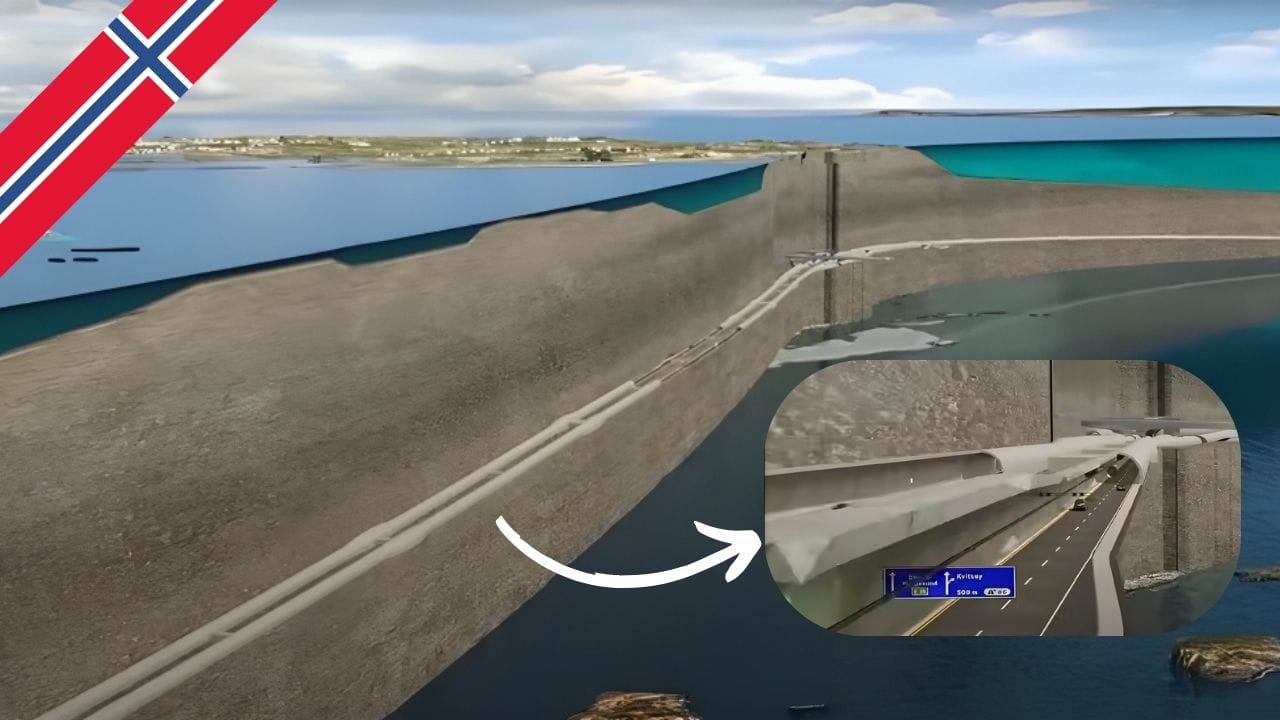
The Revolutionary Floating Highway of Norway, An Engineering Feat, Promises to Transform Transportation and Tourism in the Country.
Norway, known for its spectacular fjord landscapes, is about to add another wonder to its repertoire: a floating highway costing US$ 47 billion. This ambitious infrastructure project, led by Norwegian engineers, has the potential to significantly reduce travel time on the E39 highway and revolutionize transportation in the region.
The E39 highway, which runs along the Norwegian coast from Kristiansand in the south to Trondheim in the north, faces a major obstacle: the fjords. These geological formations, created by glacial erosion, make the current route long and complicated, with several ferry crossings. The new project aims to eliminate these interruptions, replacing them with a series of innovative bridges and tunnels.
Technological Innovations of the New Highway in Norway
Among the solutions proposed by Norwegian engineers are:
-
A megaproject worth R$ 89 billion is advancing in Iraq and promises to change the game in global trade by creating a new corridor between Asia and Europe, reducing traditional routes and repositioning the country as a logistics powerhouse.
-
Goodbye bedside table: floating shelves become a trend in 2026 by freeing up space in the bedroom, improving circulation, bringing visual lightness, and integrating technology without taking up floor space.

-
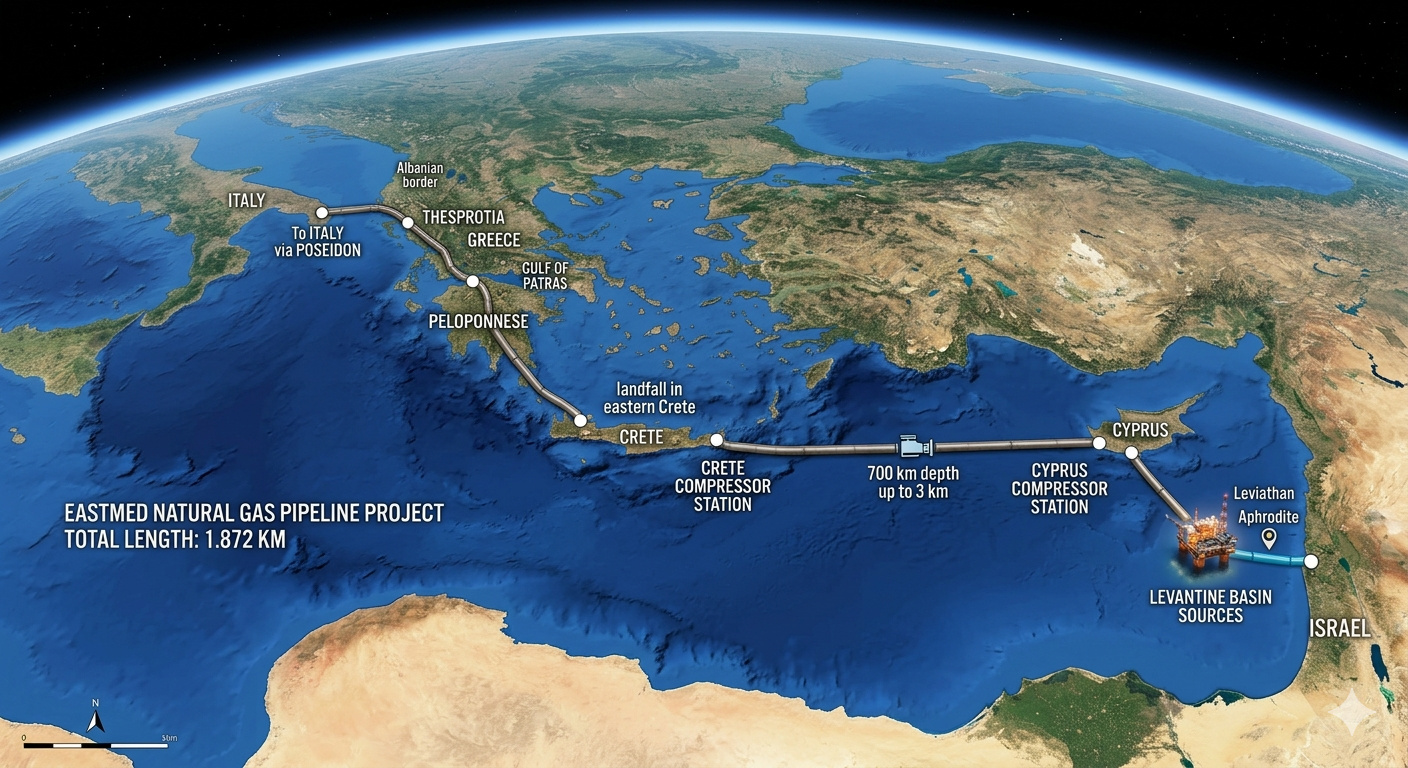
Israel, Greece, and Cyprus signed an agreement in 2020 to transport gas from the Mediterranean to Europe via a 1,872 km pipeline, but Turkey claimed sovereignty over part of the maritime route, and the project never materialized.
-
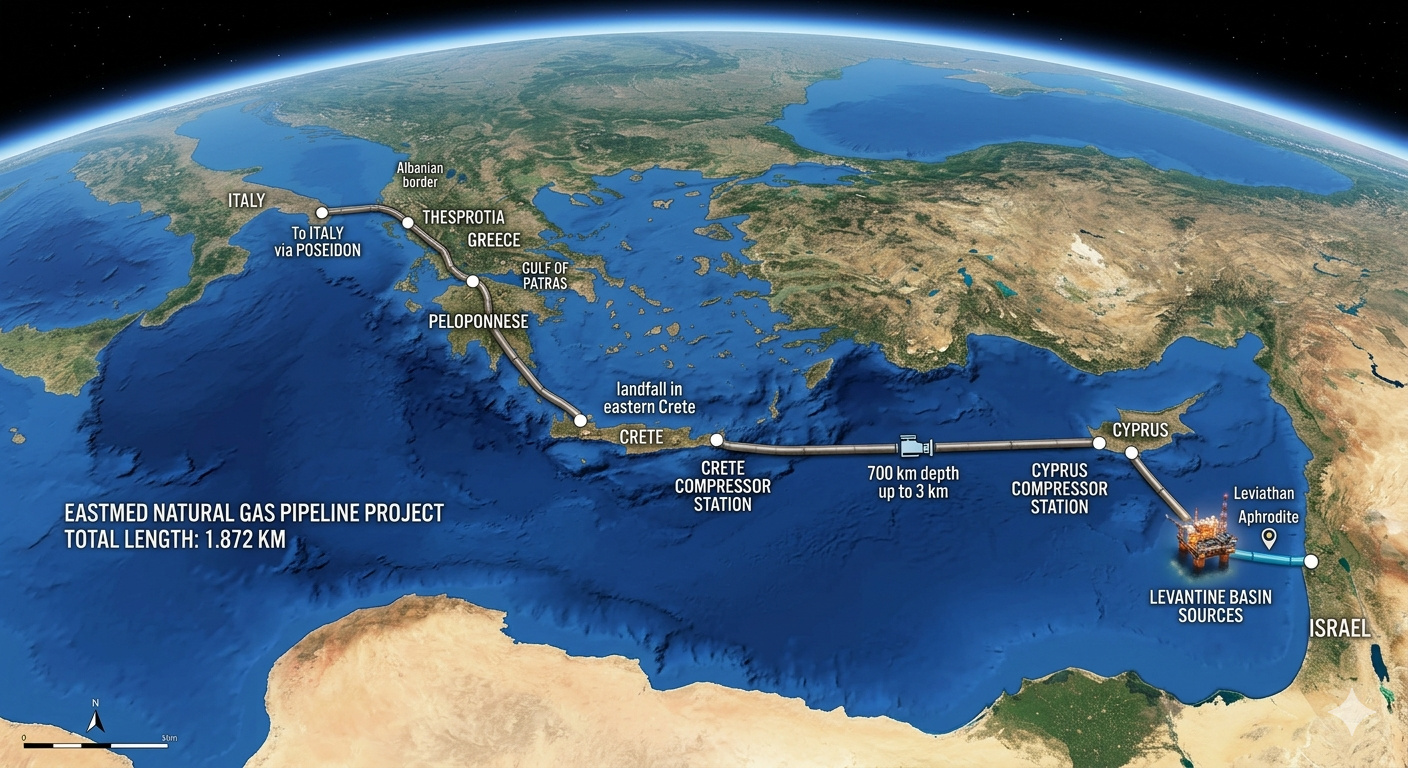
Israel, Greece, and Cyprus signed an agreement in 2020 to transport gas from the Mediterranean to Europe via a 1,872 km pipeline, but Turkey claimed sovereignty over part of the maritime route, and the project never materialized.

- Rogfest Underwater Tunnel
- Bjornafjorden Floating Bridge
- Sula Fjorden Floating and Submerged Tunnel
- Sognefjord Challenge


The Rogfest underwater tunnel will be the world’s deepest road tunnel, extending 27 km and reaching depths of up to 390 meters, connecting islands and isolated cities. The Bjornafjorden Floating Bridge is a floating bridge anchored at both ends to cross the Bjornafjorden fjord. The Sula Fjorden Floating and Submerged Tunnel is an innovative alternative involving two submerged tubes, secured to the seabed by strong cables. The Sognefjord Challenge, being the largest and deepest fjord in Norway, presents the greatest challenge, with various proposals including suspended, floating, and submerged tunnels.
Impact and Future
This work will not only reduce travel time across the region but also serve as a milestone in global engineering. With a projected completion date of 2035, it is expected that the investment will be recouped through tolls. In addition to its economic impact, the project is also an example of environmental innovation and engineering safety.
The floating highway of Norway is a testament to the innovative spirit and capability of Norwegian engineers. Representing a significant advancement in transportation and tourism infrastructure, this project not only improves connectivity in Norway but also serves as inspiration for future engineering projects around the world.










Seja o primeiro a reagir!