Portuguese
  Spanish


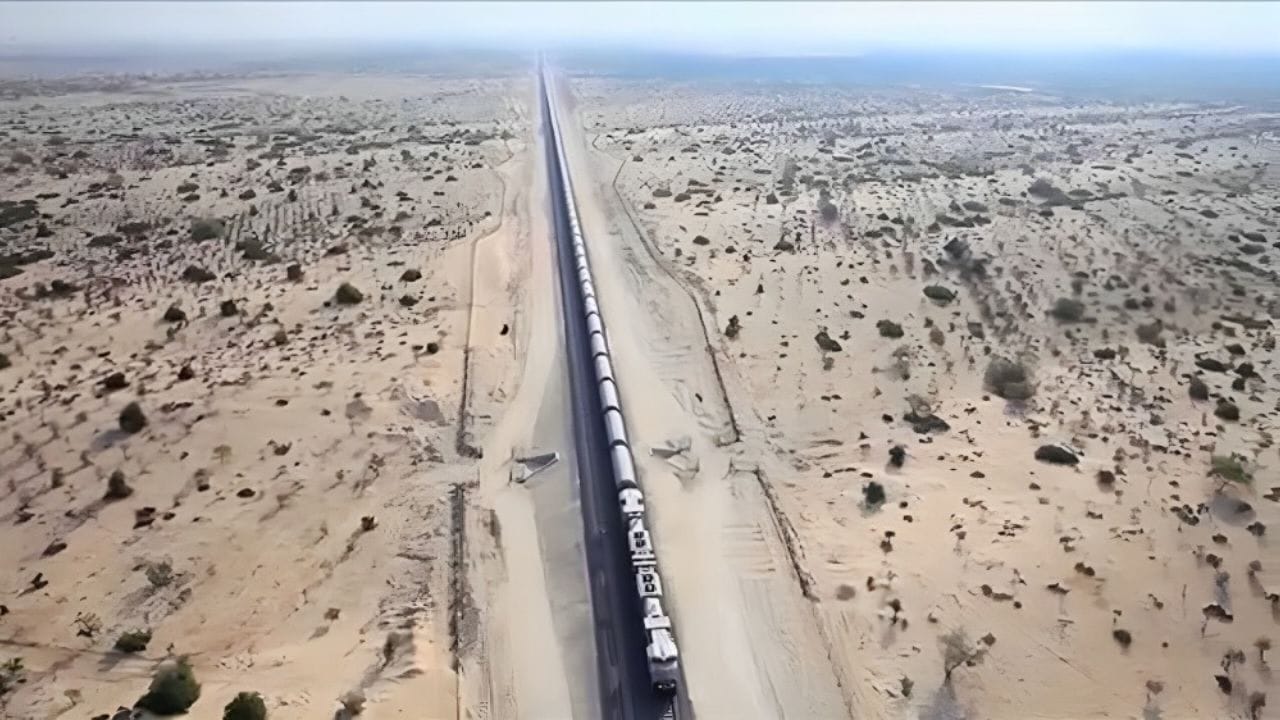

The Ambitious Construction of a Railway in the Desert by Saudi Arabia and Its Neighbors Aims to Diversify the Regional Economy and Reduce Dependence on Oil.
Saudi Arabia and other Middle Eastern nations are undertaking one of the world’s most challenging engineering projects: the construction of a massive railway that extends over two thousand kilometers across the desert. This project pits the inherent natural challenges of the terrain against exorbitant costs, with a total estimated value of up to $250 million.
The railway project, initiated in 2009, is a direct response to the drop in oil prices during the global recession, significantly impacting the economies of the member countries of the Gulf Cooperation Council (GCC). The railway aims to connect the ports of the member countries, promoting economic diversification and reducing dependence on oil and gas.
Construction in the Desert
Building a railway in the desert presents unique challenges, such as extreme temperatures and unstable terrain. To overcome these difficulties, builders have adopted techniques learned from countries such as China, Saudi Arabia, and Mauritania, including transforming dunes into clay and using vegetation to block wind and sand.
-
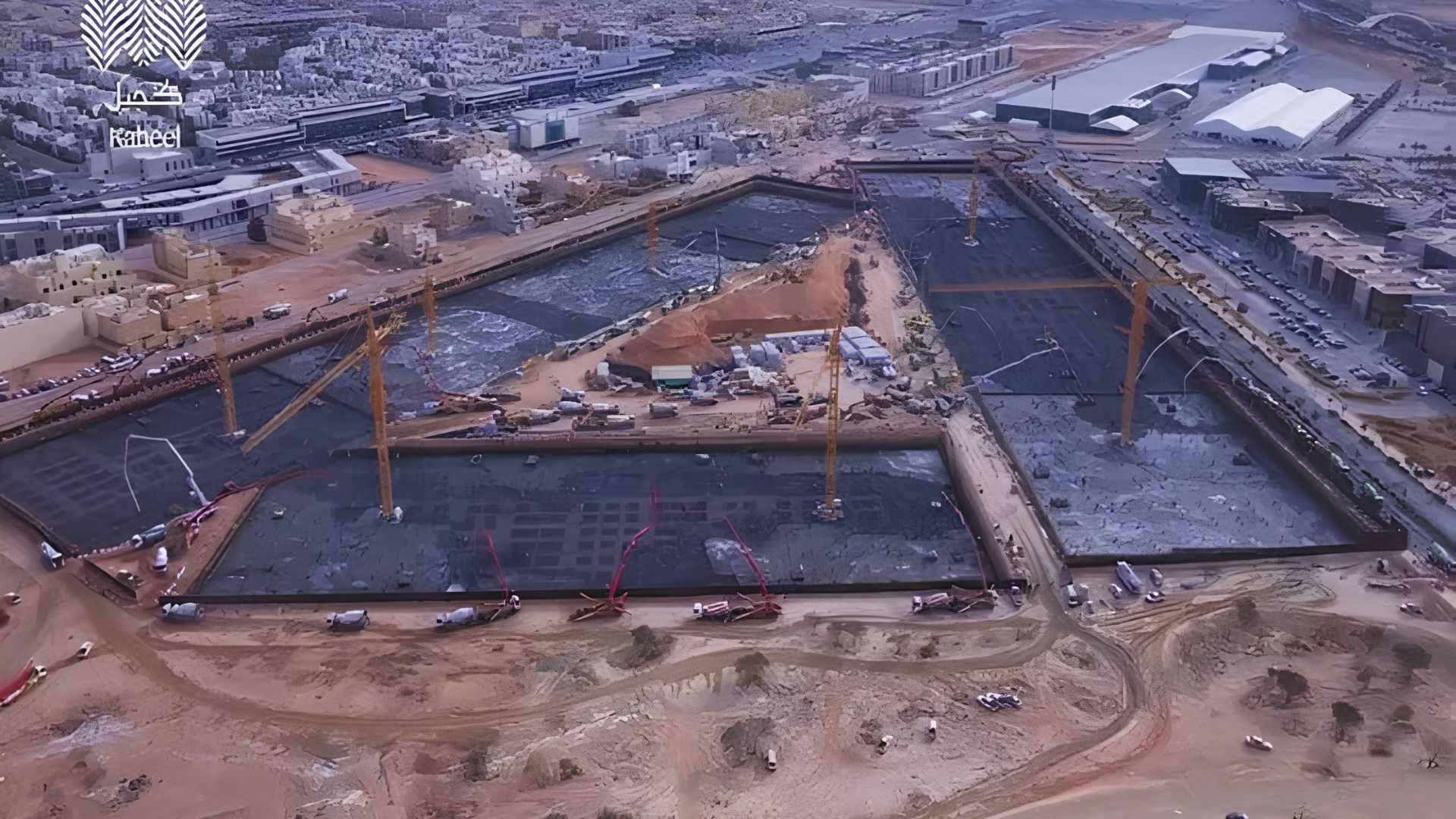
More than 6,000 trucks poured nearly 70,000 cubic meters of concrete without interruption for 72 hours to create the largest continuous concrete pour in history and erect a megaproject in Saudi Arabia.

-
28-meter, 156-ton titans traveled 20,000 km from China to the port of Santa Catarina: Portonave received 7 fully electric megacranes, part of a R$ 210 million package, to double container handling.
-
They exchanged the idea of a large house for a 35 m² warehouse, spent US$ 12,000 on the structure, and created a tiny house in Colorado with space to live and work.

-
A newly opened terminal in the middle of the Amazon has begun transporting soy and corn through Amapá, eyeing the queue of ships that is congesting the ports in the South.



Economic and Structural Impact


The railway is not just an engineering feat, but also a strategic project to strengthen the Gulf economies. Once completed, the rail network will enable efficient transportation of goods, boosting trade and industry in the region. Moreover, the railway is expected to create over 80,000 jobs, both in the construction phase and during its operation, strengthening the local economy and promoting a more sustainable future for the Gulf region.
The construction of the railway in the desert by Saudi Arabia and its allies is a testament to the progressive vision of these countries. By investing in infrastructure and economic diversification, they are not only facing geographical and environmental challenges but also paving the way for a future less dependent on volatile natural resources like oil. This ambitious project is an important step toward a more united and economically independent Gulf.