





 Portuguese
  English
  Spanish
  4 min of reading
  0 comments


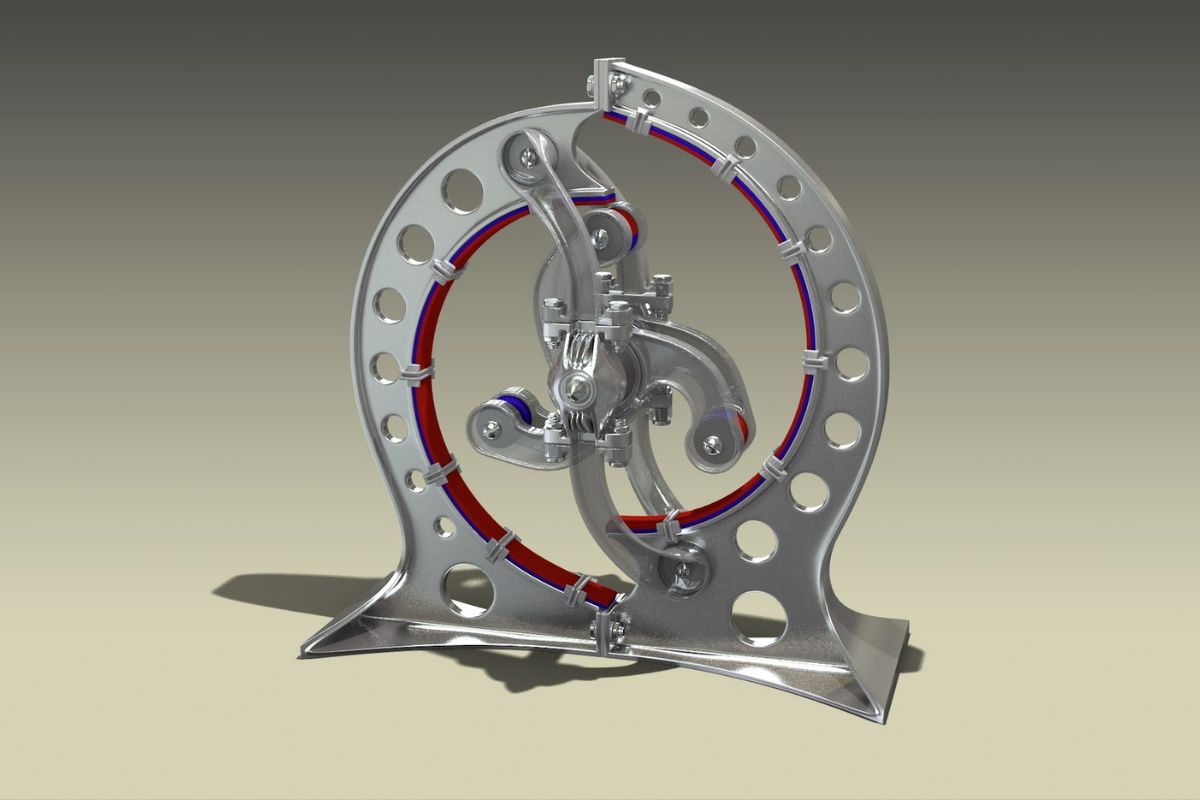
We Explain The Science Behind One Of Engineering’s Oldest Dreams And Why, Unfortunately, It Violates The Fundamental Rules Of The Universe.
The premise is one of the most seductive in the history of science: a motor that, once started, would continue to spin forever, without needing fuel or any external energy source. A clean, free, and infinite energy source. This is the dream of perpetual motion. And its most popular incarnation on the internet is the magnetic motor.
Videos on YouTube show skilled inventors assembling wheels with carefully positioned magnets that start to spin, seemingly on their own, in a hypnotic ballet of repulsion and attraction. The question is inevitable: if it seems to work, why don’t we have these motors in our homes and cars? The answer is that, while engineering is clever, it runs up against one of the universe’s most relentless laws.
The Dream: How A Magnetic Motor Should Work?
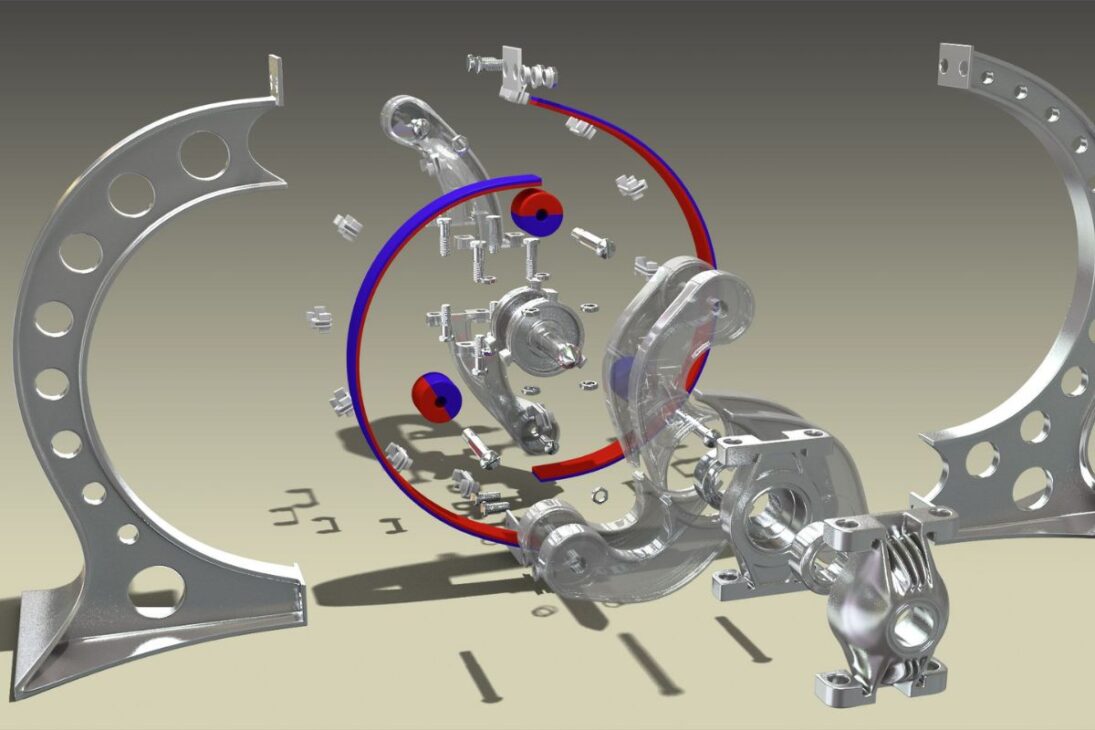
The idea behind a magnet motor is to exploit the fundamental forces of magnetism. The most common concept involves a wheel with several magnets on its edge and one or more fixed magnets on a ramp or support next to it.
-
Spain surprises the world by erecting 62 artificial dunes, mixing sand with natural remains of posidonia, and causing the structure to lose only 1.4% of its volume in 1 year.

-
Meta and YouTube condemned for addiction to social media: ruling links the operation of the platforms to the worsening of anxiety and depression.

-
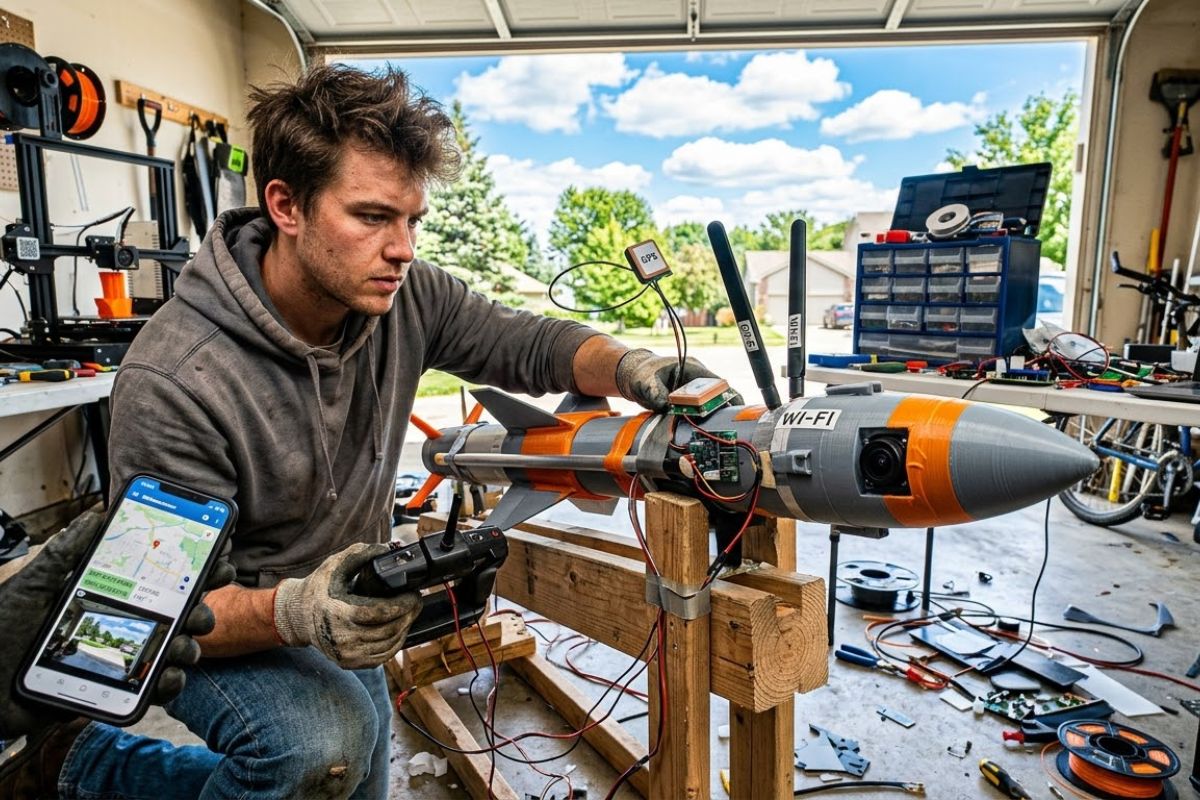
For just 96 dollars and with a 3D printer, an amateur created a prototype of a homemade guided missile with GPS, camera, and Wi-Fi tracking system, and this raised the debate about printed weapons to a frightening level.
-
The government will charge up to R$ 650 from pet owners in 2026, and tourists traveling with their dogs will have to pay a daily fee; the measure surprised thousands of pet ‘parents’ in Italy.

The theory is that by positioning the magnets with the correct poles (north with north, south with south), the repulsive force would push the wheel, making it spin. As the wheel turns, the next magnet would enter the repulsion field of the fixed magnet, receiving a new “push,” and so on, in a cycle that, theoretically, would never end. The question is: does a magnetic motor work in practice?
The Awakening: The Loss Of ‘Invisible’ Energy (The First Law Of Thermodynamics)
The first barrier that the dream encounters is the First Law of Thermodynamics, which is, essentially, the law of conservation of energy. It states that energy cannot be created or destroyed, only transformed.
Even in the best prototypes, the system is not perfect. There are constant and inevitable energy losses:
- Friction: The axle of the wheel experiences friction with the bearing.
- Air Resistance: The movement of the wheel pushes the air, generating drag.
These two forces act like a constant brake, converting the energy of motion into heat. For the wheel to keep spinning forever, it would need to create, out of nothing, the energy needed to compensate for these losses, which violates the First Law.
The Villain Of The Story: The Second Law Of Thermodynamics And Entropy
But the final and insurmountable barrier is the Second Law of Thermodynamics. Simply put, it states that in any closed system, disorder (called “entropy”) always tends to increase.
Think about it: it is much easier for a pile of bricks to collapse (go from order to disorder) than for the bricks to stack themselves to form a wall (go from disorder to order). The universe works this way. A motor that generates useful work (organized energy) forever would be decreasing the entropy of the universe, creating order from nothing, which is statistically impossible.
In the magnetic motor, there comes a point where the magnets reach a state of equilibrium. The potential energy stored in the magnetic field dissipates as heat due to friction, entropy increases, and the system stops.


Is It Possible To Generate ‘Free’ Energy With Magnets?
The direct answer is no. Magnets are not a source of energy; they are a way to store potential energy. The force they exert comes from the energy that was spent to manufacture and magnetically align them. They can convert that energy into motion (as in an electric motor, where they interact with an electric field), but they cannot create new energy.
The search for perpetual motion, although doomed to failure, was not in vain. In trying to break the laws of physics, generations of engineers and scientists ended up understanding them more deeply, leading to countless real and useful inventions in the field of electromagnetism and mechanics. The impossible dream, in the end, helped us build the real world.
If you could break a law of physics, which one would it be? Gravity to be able to fly or thermodynamics to have infinite energy? Comment!






Seja o primeiro a reagir!