





 Portuguese
  English
  Spanish
  5 min of reading
  0 comments


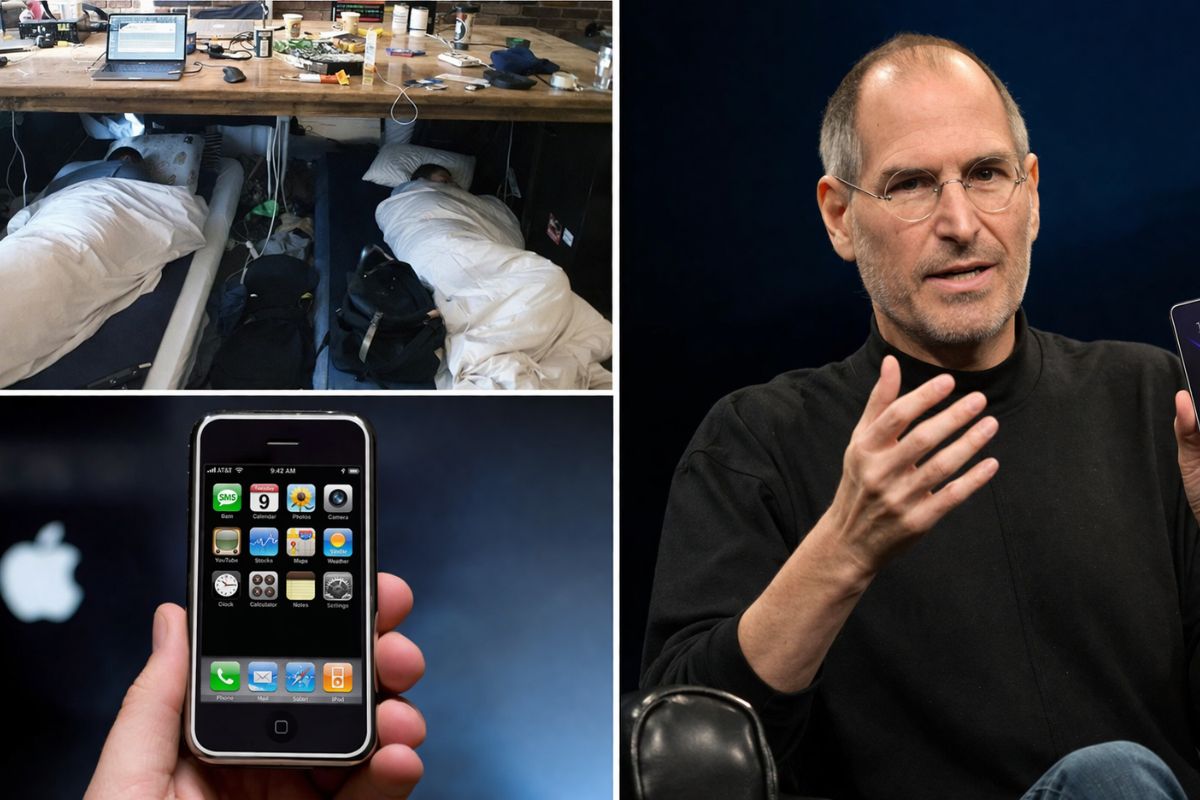
Apple engineers slept under their desks, worked nights and weekends for two and a half years, and rewrote all the apps from scratch to create the iPhone, a product so complex that even the engineers themselves did not know it would be so important, and now Tony Fadell, co-creator of the iPod and iPhone, says Apple needs to think differently and revolutionize again because of AI
Apple engineers slept under their desks for two and a half years to create the most important product in the company’s 50-year history. Apple had never built anything as complex as the iPhone, and the engineers who worked on it had to figure out how to make components work together in ways that had never been done before. Rubén Caballero, Apple’s vice president of engineering from 2005 to 2019, said he often slept under his desk during development, and that the engineers rewrote all the apps from scratch because the new touch interface required a completely different way of interaction.
According to CNN, the iPhone transformed Apple into the most valuable company in the world and put 2.5 billion devices in the hands of people around the globe. But now Tony Fadell, the former Apple executive who co-created the iPod and helped lead the initial development of the iPhone, says the company is at another existential moment because of artificial intelligence and needs to make the same revolution again. The engineers who created the iPhone did not know they were changing the world. The question is whether Apple can do it again.
Why Apple engineers decided to kill the iPod to create the iPhone
The iPod was Apple’s most successful product when engineers began working on the iPhone.
-
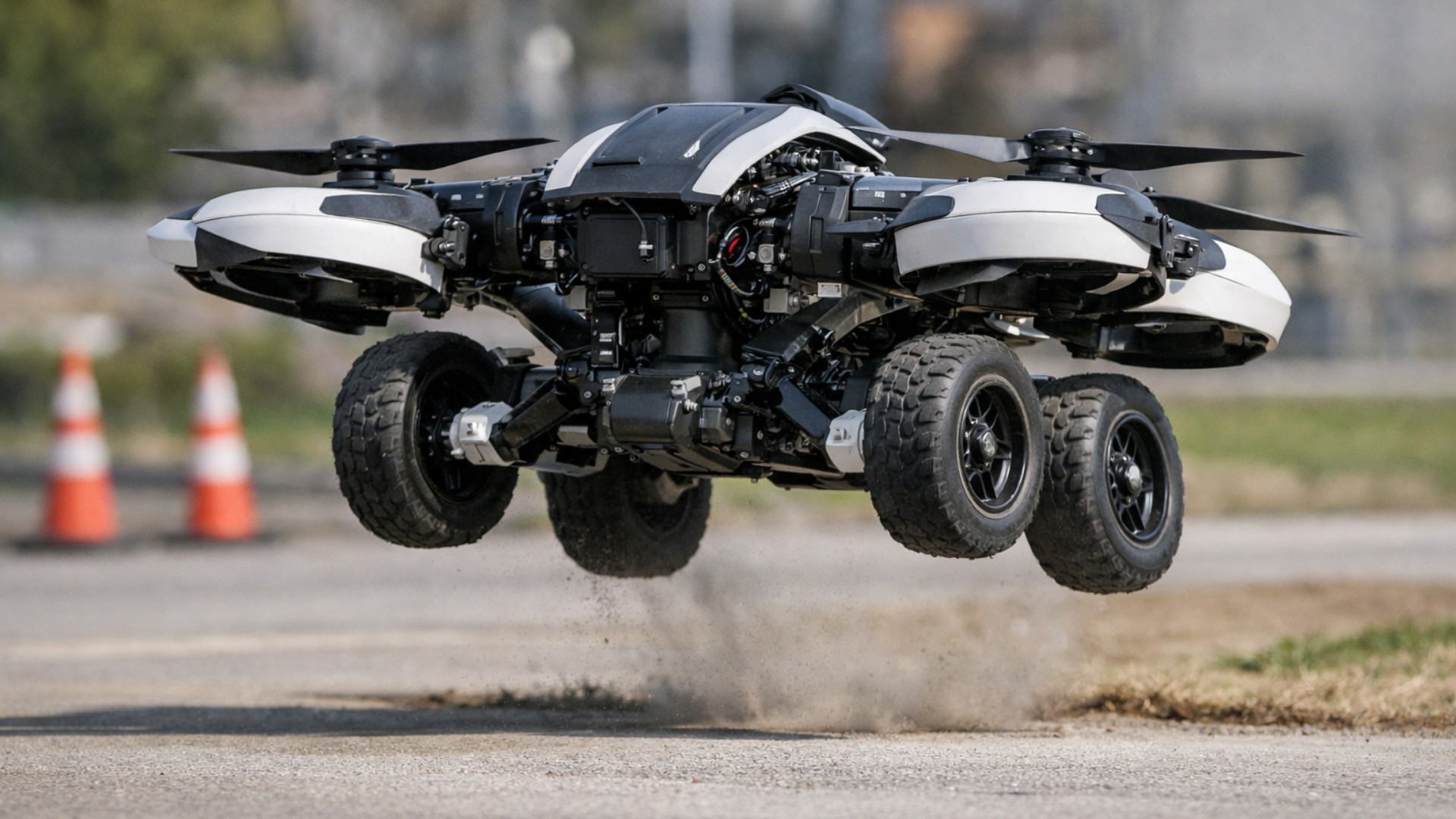
Researchers in the U.S. have created a flying robot that transforms into a land vehicle while still in the air. The technology, based on aerodynamic transition, converts landing into a scene worthy of Transformers and redefines mobility between sky and ground.
-
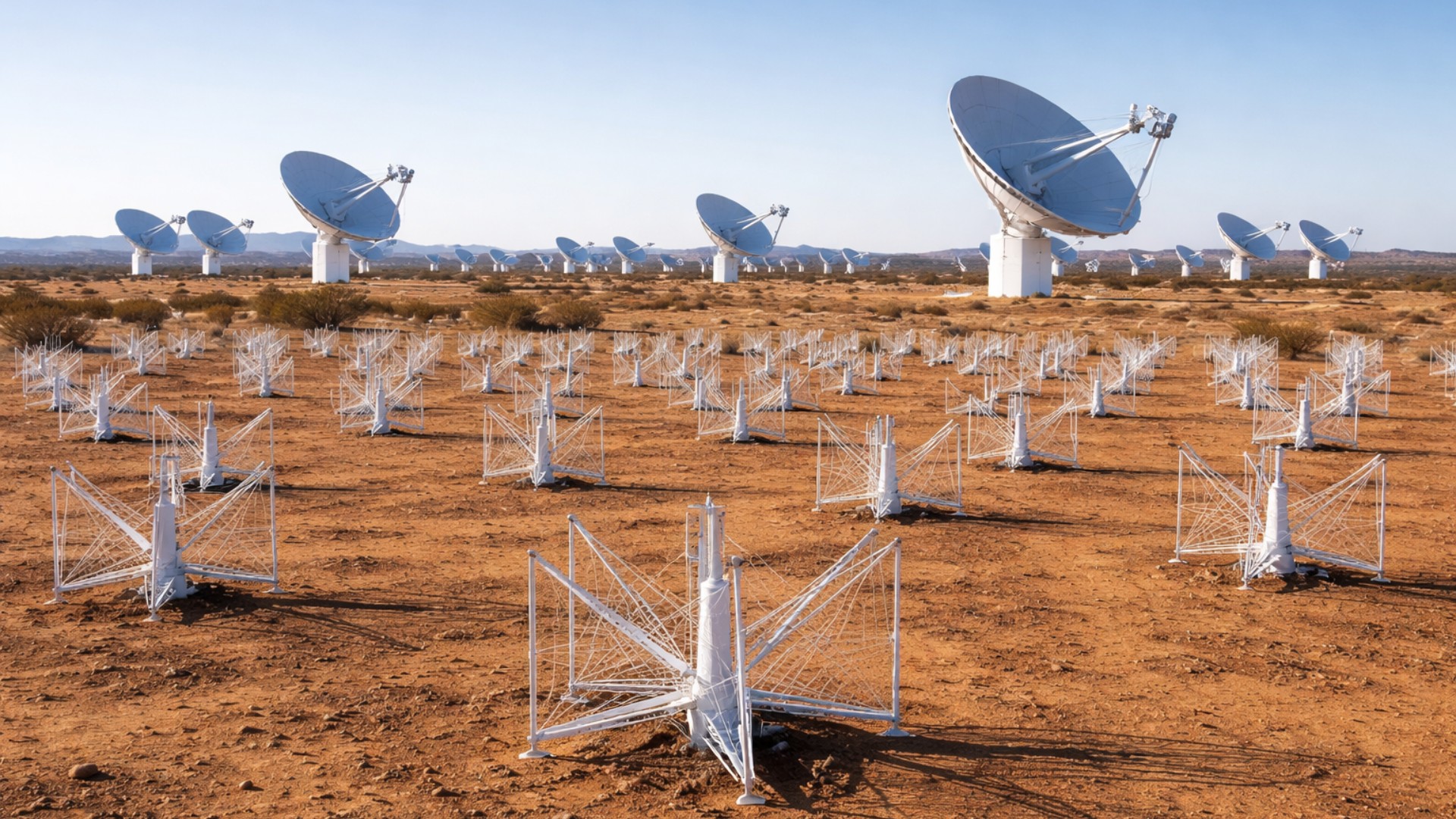
Spread across two continents, with 197 parabolic antennas in South Africa, 131,000 2-meter antennas in Australia, and a range of up to 150 km, the SKA begins to “listen” to the Universe on an unprecedented scale and accelerates the search for black holes, primitive galaxies, and nearly invisible radio signals.
-
Goodbye batteries: a new sensor created by Japanese scientists uses sweat as an energy source and points to a promising path for more sustainable devices, with greater autonomy and less need for frequent recharging.

-
The Brazilian Army inaugurated the assembly line for the Guaicurus armored vehicle with a contract for 420 units by 2033, and the same vehicle has already been tested in combat in Afghanistan and Lebanon by European armies.

In April 2004, iPod sales surpassed those of the Mac and had grown more than 900% from the previous year. But Apple engineers and executives saw Motorola and Samsung launching phones with integrated MP3 players and realized that the days of the iPod were numbered.
The logic was simple: people will only use one device. They will either have a phone with music or an Apple product with music and communication.
Fadell summarized the dilemma: “We thought: what are we going to create?”
Apple made the most important decision in its history: it began working to make its biggest success obsolete. The engineers who built the iPod were redirected to destroy it with something better.
Fifty years later, this remains the decision that defines the company.
Engineers slept under the desk and the first prototype was a failure
The development of the iPhone lasted about two and a half years, and the engineers worked at a pace that exceeded any normal standard.
Caballero said he slept under his desk many times. The engineers worked late into the night and on weekends. Hundreds of people within Apple dedicated themselves to technical details such as screen lamination and moisture rejection.
The first version of the iPhone looked like an iPod that could make calls. It even had the iPod’s click wheel.
“We tried to make an iPod with a phone, and it was a failure,” Fadell said. “The scroll wheel did not allow for texting or dialing a phone number.”
The engineers had to abandon everything they knew about the iPod and bet on a touchscreen with no physical buttons, something no company had convincingly done before.
Andy Grignon, a former senior manager who worked on the first iPhone, summarized: “All the apps had to be rewritten from scratch. Nothing was stable from the beginning.”
Even the engineers themselves did not know the iPhone would be so important
Entering the phone market was daunting even for Apple. Nokia and Motorola dominated. Carriers controlled marketing and distribution. And the first iPhone cost $500.
Grignon said that when talking to anyone who worked on the iPhone, the theme is the same: no one knew the phone would be as important as it became.
The engineers expected it to be a high-end luxury product. They did not expect it to change global culture.
The former senior engineering manager described Apple employees as being quite surprised by the market reaction to the first model.
The engineers who slept under their desks for two and a half years created a product that today has over 2.5 billion active devices in the world and generated an entire ecosystem of products like the Apple Watch and AirPods.
Caballero stated that the iPhone is the device that will likely define Apple’s long-term legacy.
The creator of the iPhone says Apple engineers need to revolutionize again because of AI
Tony Fadell, who co-created the iPod and led the early iPhone effort, believes Apple is at another existential moment.
Fadell states that the industry is at a crossroads because of artificial intelligence, and that Apple needs to think differently than it has in the last 10 to 15 years. It needs to revolutionize again.
Apple is seen as lagging behind companies like Google and OpenAI in the AI space, and has partnered with both to make up the difference.
The iPhone has not changed substantially over its nearly 20 years of existence, which is proof of its success. But it may also be a sign that the next revolution needs to come from another direction.
Just as Apple engineers killed the iPod to create the iPhone, Fadell suggests that the company needs to be willing to kill what it does best to create something that does not yet exist.
The question that Apple engineers asked in 2004 is the same one they need to ask now: what are we going to create?
Engineers who slept under the desk and changed the world without knowing
Apple engineers slept under their desks, worked nights and weekends, rewrote all the apps from scratch, and bet on a buttonless screen to create the iPhone.
They did not even know they were creating the most important product in the company’s 50-year history. Now, the co-creator of the iPhone says Apple needs to do the same thing again, this time because of artificial intelligence.
Apple revolutionized once when no one expected. The question is whether today’s engineers are ready to sleep under the desk again.
Did you know that engineers slept under the desk to create the iPhone? Do you think Apple will be able to revolutionize again with AI? What was the Apple product that changed your life the most? Leave it in the comments and share with those who love technology and the history of Apple.








Seja o primeiro a reagir!