





 Portuguese
  English
  Spanish
  6 min of reading
  8 comments


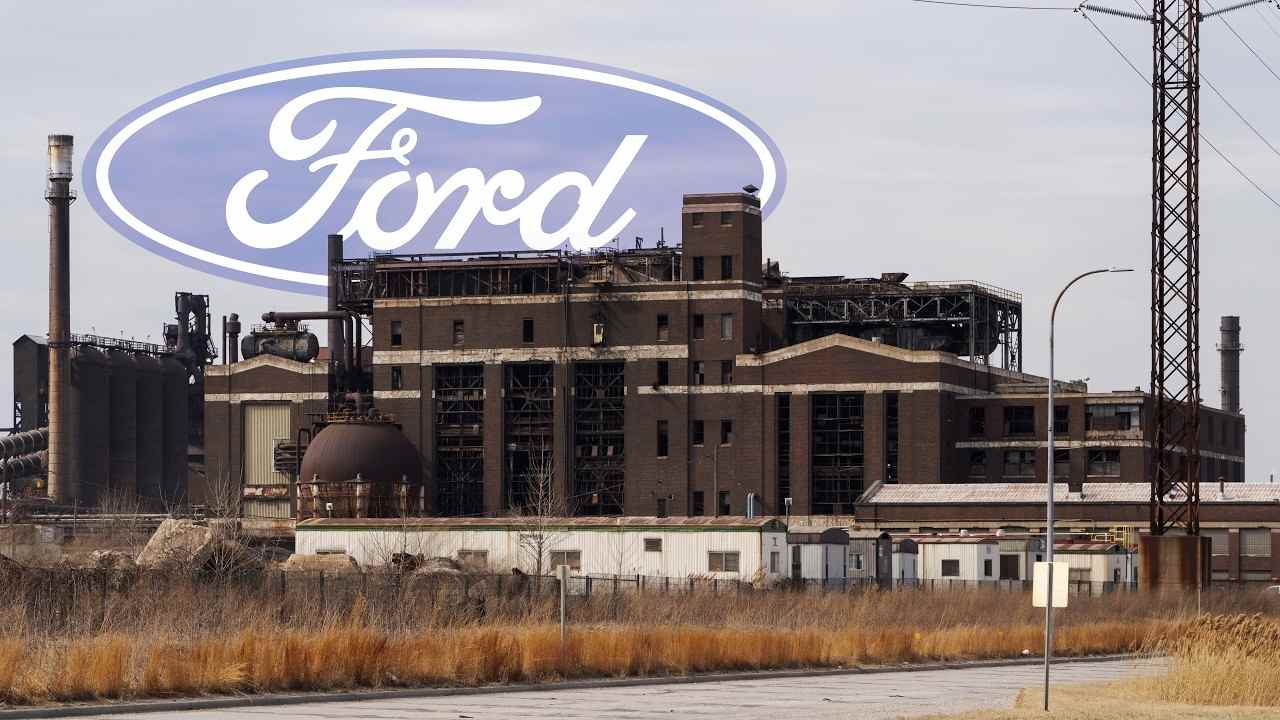


At The Peak Of The Automobile Industry, The Ford River Rouge Complex Was The Throbbing Heart Of Mass Production In The United States. Today, Part Of This Grand Structure Is Abandoned, Revealing Scars Of Tragedies, Technological Changes And Strategic Choices
In The Early 20th Century, Henry Ford Had An Ambitious Idea: To Create An Industrial Complex Where The Entire Car Production Process Would Take Place In The Same Location.
He Wanted Steel, Glass, Engines, And All Parts To Be Manufactured Within The Same Plant.
This Idea Took Shape Along The Banks Of The Rouge River In Dearborn, Michigan, Giving Rise To The Largest Manufacturing Complex On The Planet.
-
These living root bridges and ladders are over 700 years old and help indigenous people survive in one of the rainiest regions in the world.

-
From sertanejo star to international investor: Ana Castela invests millions in a mansion in the USA, creates a themed accommodation in Orlando, and shows that the “boiadeira” also wants to grow away from the stage.

-
The 10 most stunning motorhomes in the world: a $3 million trailer with a rooftop nightclub and garage for a Ferrari, “palaces on wheels” with Italian marble, private cinema, and five-star hotel luxury for billionaires.
-
Trump wanted to spend $400 million on the White House, but the courts prohibited the million-dollar construction.

The Ford River Rouge Was Born As A Symbol Of American Industrial Power.
For Decades, It Was The Throbbing Heart Of The Ford Motor Company, A Model Of Efficiency That Inspired Factories Around The World.
But It Was Also The Stage For Crises, Abandonment, And More Recently, A Renaissance Based On Sustainability.
The Foundation Of An Empire
In 1915, Henry Ford Purchased About 2,000 Acres Of Swampy Land In The Suburb Of Detroit.
The Intention Was Clear: To Build A Completely Self-Sufficient Industrial Center. Two Years Later, Construction Began.
The First Building In The Complex, Called Building B, Began Operating In 1918.
It Produced Ships For World War I, Ordered By The U.S. Government. Soon After, Came The Fordson Tractors And Later, The Famous Brand Cars.
From 1927, With The Production Of The Model A, The Main Assembly Line Was Transferred To The River Rouge.
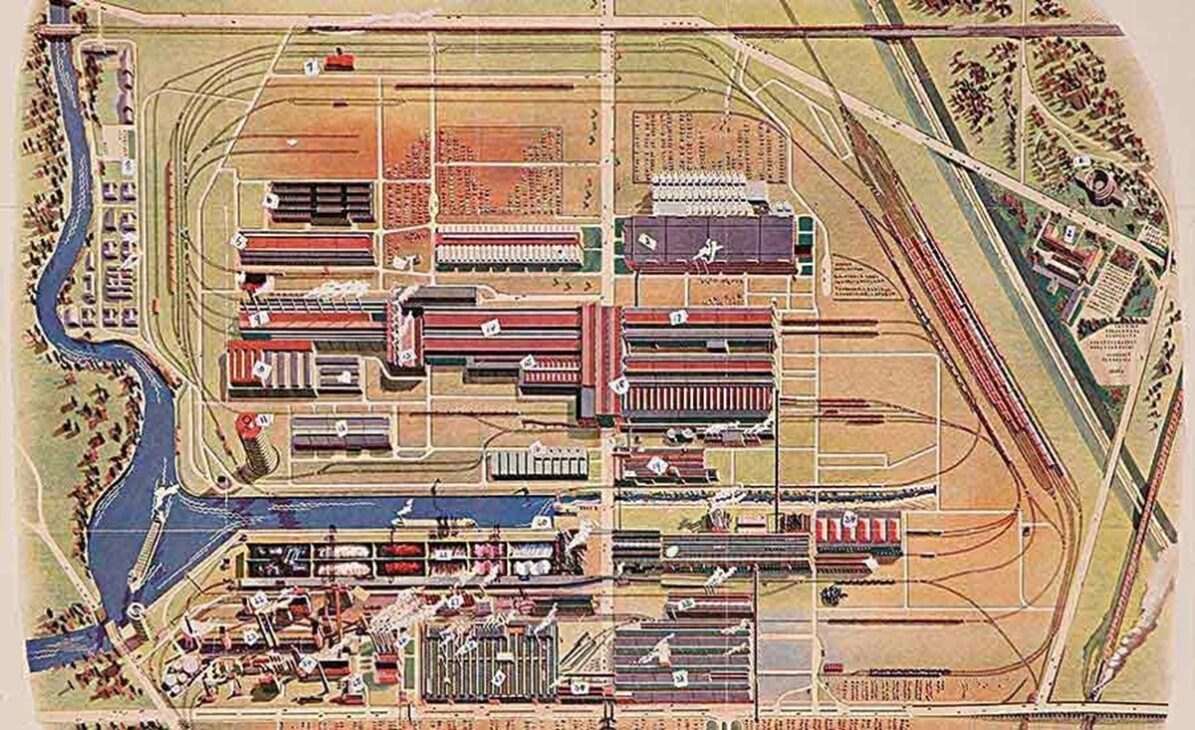
In A Few Years, The Site Already Had Dozens Of Buildings, Internal Tracks, Docks, Steelworks, And Everything Necessary To Manufacture A Car From Scratch.
The Peak Of Production
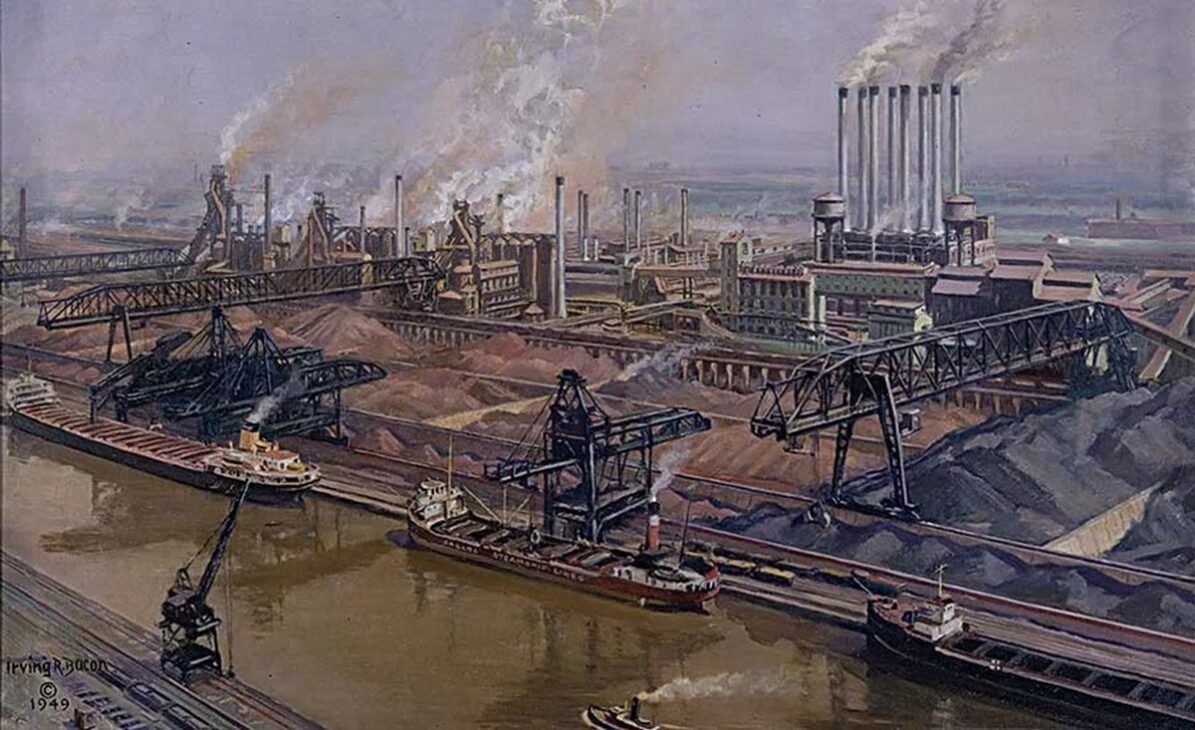
During The 1920s, 30s, And 40s, The River Rouge Complex Reached An Impressive Level Of Activity.
At Its Peak, It Had 93 Buildings Connected By More Than 140 Kilometers Of Tracks. It Functioned Like An Industrial City, But Without Residents.
Here, Steel, Glass, Rubber, Engines, Bodies, And Even The Bolts Used In Vehicles Were Made.
Energy Came From An In-House Power Plant. Ships With Iron Ore Arrived Directly At The Factory’s Port.
The Efficiency Was Such That A New Car Rolled Off The Assembly Line Every 49 Seconds. More Than 100,000 People Worked At The Rouge At The Same Time. It Was One Of The Largest Concentrations Of Workers In The World.
The Complex Produced Iconic Models Such As The Ford Model A, The Ford V8, The Thunderbird, And In The 1960s, The Legendary Mustang.
During World War II, It Was Essential For The U.S. War Effort, Producing Engines, Jeeps, And Military Vehicles.
A City Within A City
The River Rouge Was More Than A Factory. It Had A Hospital, Fire Department, Police Force, Cafeterias, And In-House Services.
The Maintenance Required More Than 5,000 Employees. The Power Plant Building Was So Large That It Dominated The Dearborn Skyline.
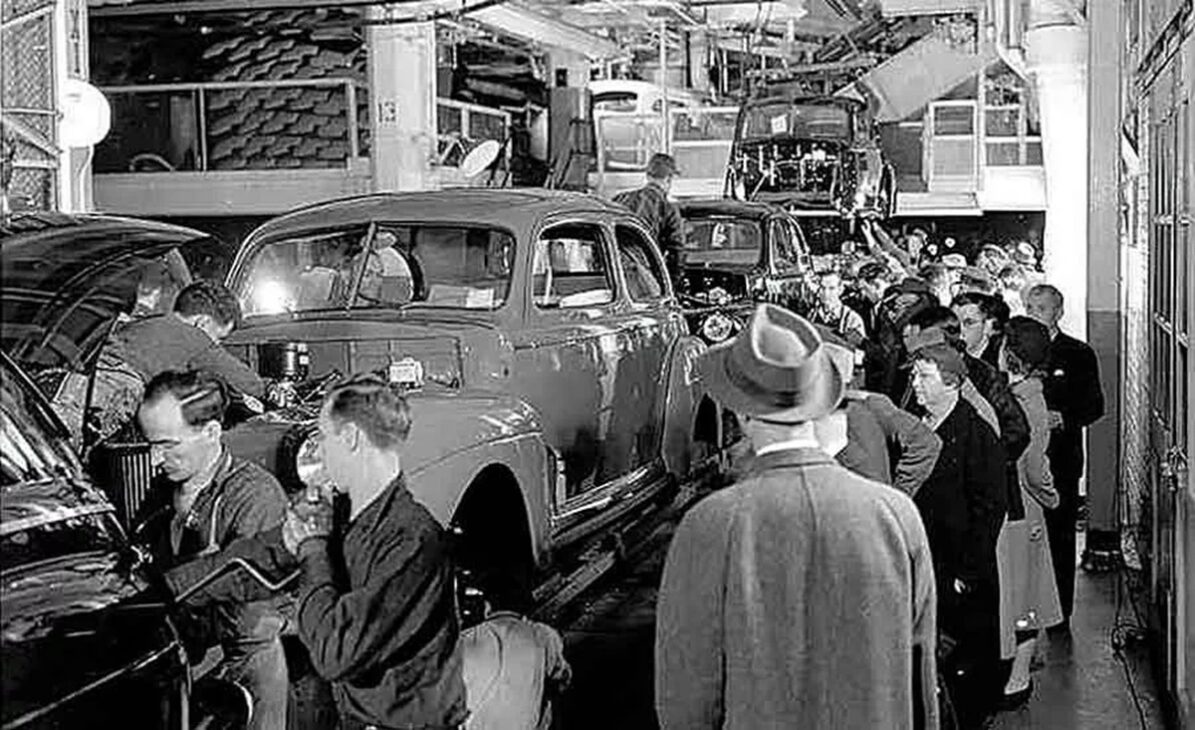
This Grandeur Inspired Artists And Engineers. Photographer Charles Sheeler Produced An Iconic Series About The Factory. Muralist Diego Rivera Painted His Industrial Scenes At The Detroit Institute Of Arts. Japanese Engineers, Such As Eiji Toyoda, Studied The Rouge Model And Took Ideas Back To Create The Toyota Production System.
But So Much Integration Came At A Price. The Rigidity And High Fixed Costs Made The Factory Vulnerable To Crises.
The Beginning Of The Decline
After World War II, The Fully Integrated Factory Model Began To Lose Strength. Industrial Production Became More Decentralized.
Ford Began Purchasing Parts From Suppliers Instead Of Producing Everything In-House.
The Number Of Workers Decreased. From 100,000 To About 75,000 In 1946. By 1953, There Were 60,000. The Factory Was Still Important, But Its Power Was Beginning To Weaken.
In The 1980s, Ford Sold Its Steel Division. Rouge Steel Became A Separate Company And Later Was Sold. The Factory Stopped Producing Its Own Steel. This Marked The End Of Henry Ford’s Original Dream: Total Control Of Production.
Abandoned Structures
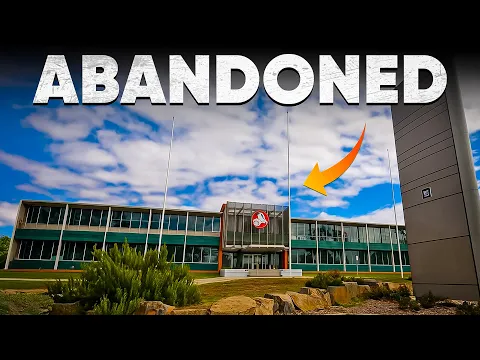

As Years Passed, Many Areas Of The Complex Were Deactivated. Some Structures Fell Into Disuse.
The Glass Factory, Built In 1925 With Modernist Architecture, Was Demolished. Old Workshops And Warehouses Were Left Empty.
The Most Notable Case Was The Power Plant. In 1999, An Explosion Devastated The Building And Killed Six Employees. The Structure Remained Abandoned And Charred For More Than Two Decades. It Was A Grim Symbol Of What The Rouge Had Been.
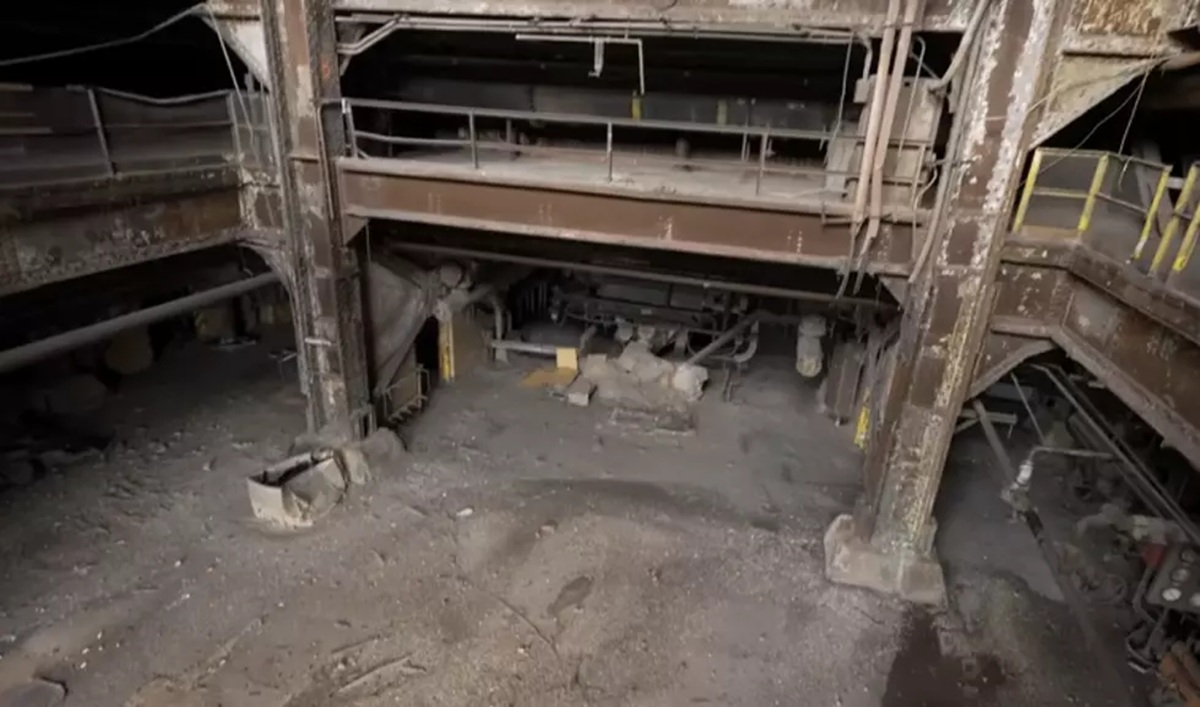
For A Long Time, Urban Explorers Photographed The Rusting Remains Of The Old Powerhouse. The Huge Chimneys Only Began To Be Demolished Recently.
The Sustainable Renaissance
Despite The Losses, Ford Decided To Invest In The Modernization Of The River Rouge. Instead Of Closing The Factory, It Started A Revitalization Plan. Over US$ 2 Billion Were Invested To Transform Part Of The Complex Into A Model Unit For The 21st Century.
In 2004, The Dearborn Truck Plant Opened, A New Assembly Line That Began Producing The F-150 Pickup, The Brand’s Best-Selling Vehicle. The Plant Has A 42,000 Square Meter Green Roof, One Of The Largest In The World. It Helps Retain Rainwater And Reduce Internal Heat.
Other Improvements Include Water Treatment, Solar Energy, And Process Modernization. The Rouge Has Come To Be Seen As A Sustainable Factory, A Model Of Ecological Innovation.
In Addition To Truck Assembly, The Complex Still Houses Stamping, Engine, And Support Structures. About 600 Acres Are Still In Use. It Is A Fraction Of The Original 2,000, But Enough To Keep The Legacy Alive.
The Industrial Legacy
Today, The Ford River Rouge Complex Is A Blend Of Past And Future. Part Of It Is Modern, Efficient, And Ecological. Part Still Holds Old Structures, Industrial Memories, And Buildings Almost 100 Years Old.
The Site Has Again Welcomed Visitors. In Partnership With The Henry Ford Museum, The Company Has Reopened The Space For Tourists. It Is Possible To See The F-150 Assembly Line And Learn About The History Of The Factory.
For Bill Ford, Henry Ford’s Great-Grandson And Current Chairman Of The Company, The Rouge Is More Than A Production Plant. “It Is A Symbol Of Our History And Our Capacity For Reinvention,” He Said When Announcing Investments In The Factory.
A Landmark In Industrial History
The Ford River Rouge Complex Was More Than A Factory. It Was A Bold Experiment That Shaped The 20th Century. It Produced Millions Of Cars, Employed Hundreds Of Thousands Of People, And Changed The Way Of Producing Worldwide.
It Was Also The Stage For Labor Conflicts, Such As The Famous “Battle Of The Overpass” In 1937, When Union Members Were Attacked By Company Security. It Was Only In 1941 That Ford Signed An Agreement With The Workers’ Union.
The Rouge Was Visited By Leaders, Journalists, Artists, And Engineers. It Was An Example, Inspiration, And Warning. Its Decline Showed The Limits Of Total Centralization. Its Recovery Shows How It Is Possible To Renew The Past Without Erasing It.
A Future Under Construction
In Recent Years, The Rouge Has Returned To Be Central To Ford’s Plans. The Factory Now Houses The Production Of The Electric Version Of The F-150, Called Lightning. It Is Part Of The Company’s Transition To Cleaner Vehicles.
The Company Aims To Keep The Rouge As A Symbol Of Innovation. A Space Where The Industrial Legacy Meets The Technologies Of The Future. Where Steel And Glass Coexist With Batteries And Sustainability.
The Ford River Rouge Complex Was Once The Largest In The World. Today, It Is No Longer The Largest. But It Remains One Of The Most Important. Not Just For Its Production, But For What It Represents: The Ability To Reinvent Itself Without Forgetting Where It Came From.








Máquina locomotiva Americana é imparável, e no bostil existem boçais com argumentos pretensiosos , minha dica é nunca discuta com ****, ele te vencerá no ringue deles o ringue da ignorância. América grande novamente (MAGA)
Isso foi e é possivel nos moldes do sistema empresarial, sem as garras do governo que, normalmente são corruptos!
Vc acha que na fabricação de veículos p a guerra não houve corrupção da empresa????Fala sério!!!Esses impérios que existem tem dinheiro do povo envolvido.Vê-o caso do Trump que na construção da trump tower recebeu 45 milhões de dólares de isenção de impostos da prefeitura de Nova Iorque.Inocente!!!!
Olha que interessante, trabalhei em pleno século XXI no Complexo Industrial Ford Nordeste em Camaçari -BA por 15 anos, como REPARADOR PTO. Fiquei surpreso com a história da FORD. Confesso que nunca ouvir sobre seu início. Fiquei lisonjeado ao saber que fui também um participante de sua existência na BAHIA.