





 Portuguese
  English
  Spanish
  4 min of reading
  0 comments


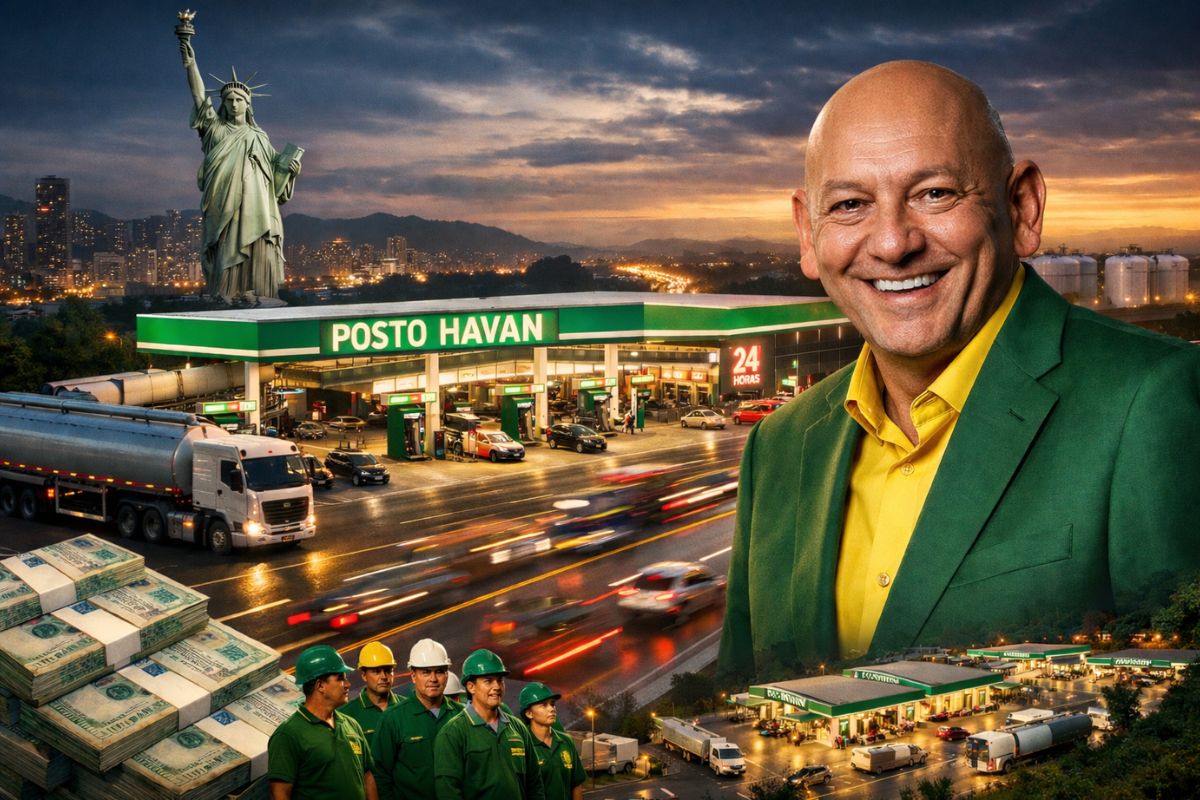
While the Megastatues Attract Attention in Cities, the Group’s Fuel Stations Network Has Consolidated in Highways with 24-Hour Operation, Five Units in Santa Catarina, Approximately 200 Direct Employees, and Annual Revenue in the Range of R$ 200 Million, with Expansion Studied for New Locations Across the Country.
The fuel stations network linked to Luciano Hang has transformed into a relevant arm outside traditional retail, with a concentrated presence on highways and strategic cities in Santa Catarina. The business model combines fueling, convenience, and traveler support in continuous operation, creating a permanent service routine for different audience profiles.
While the public image of the group is often associated with department stores and the megastatues, the fuel operation has progressed with less exposure and a focus on execution. The result is a structure that already moves around R$ 200 million per year, with a direct impact on formal employment, local consumption circulation, and growth planning in other regions of Brazil.
From the First Unit in Brusque to the Continuous Service Model

The origin of the operation dates back to October 2001, with the inauguration of the first unit in Brusque, Santa Catarina.
-
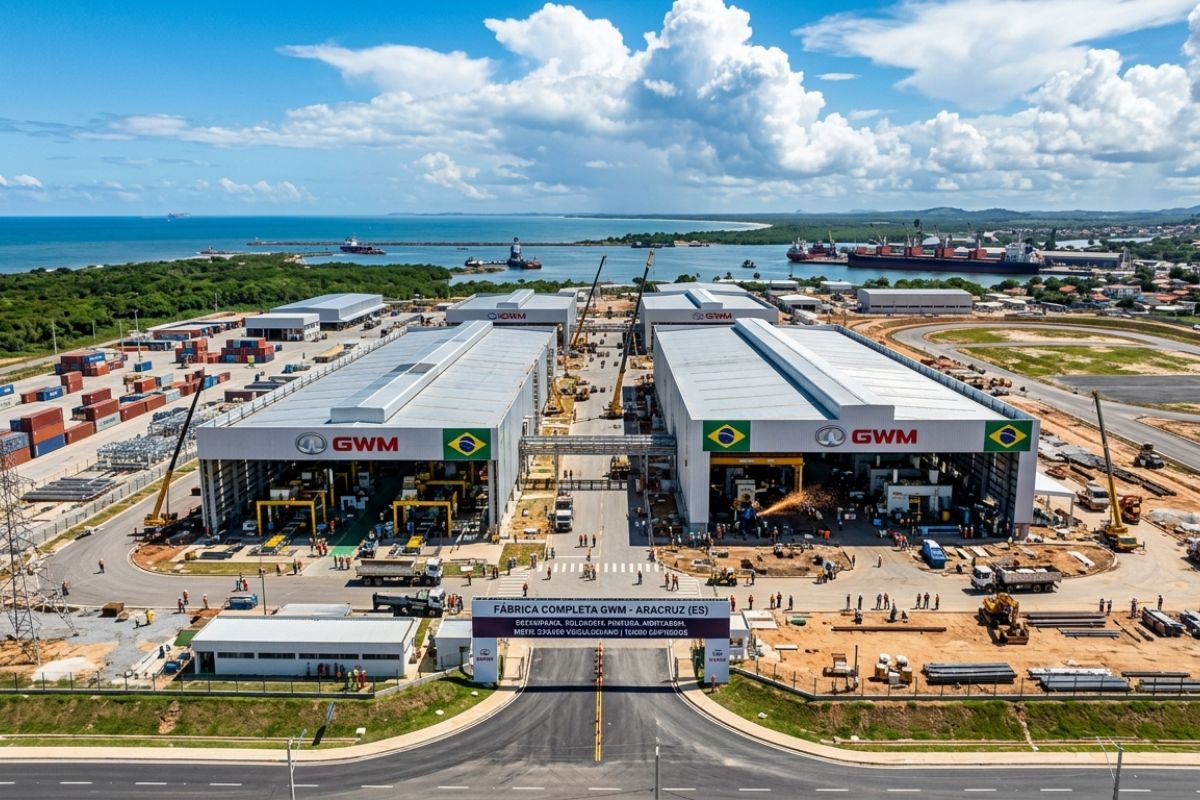
GWM chooses Aracruz and puts Espírito Santo on the automotive map: a complete factory in the Americas, with stamping, welding, painting, and assembly, aiming for 200,000 vehicles per year and up to 10,000 jobs.
-
Labor shortages are prompting Portugal, Spain, Germany, and Canada to open up opportunities for foreigners in 2026, with salaries ranging from 920 euros in Portugal to 50,700 euros per year in Germany.

-
The government is considering a temporary subsidy for cooking gas following the spike in oil prices due to the war in Iran and warns about the impact of 20% of imports on the prices paid by families.

-
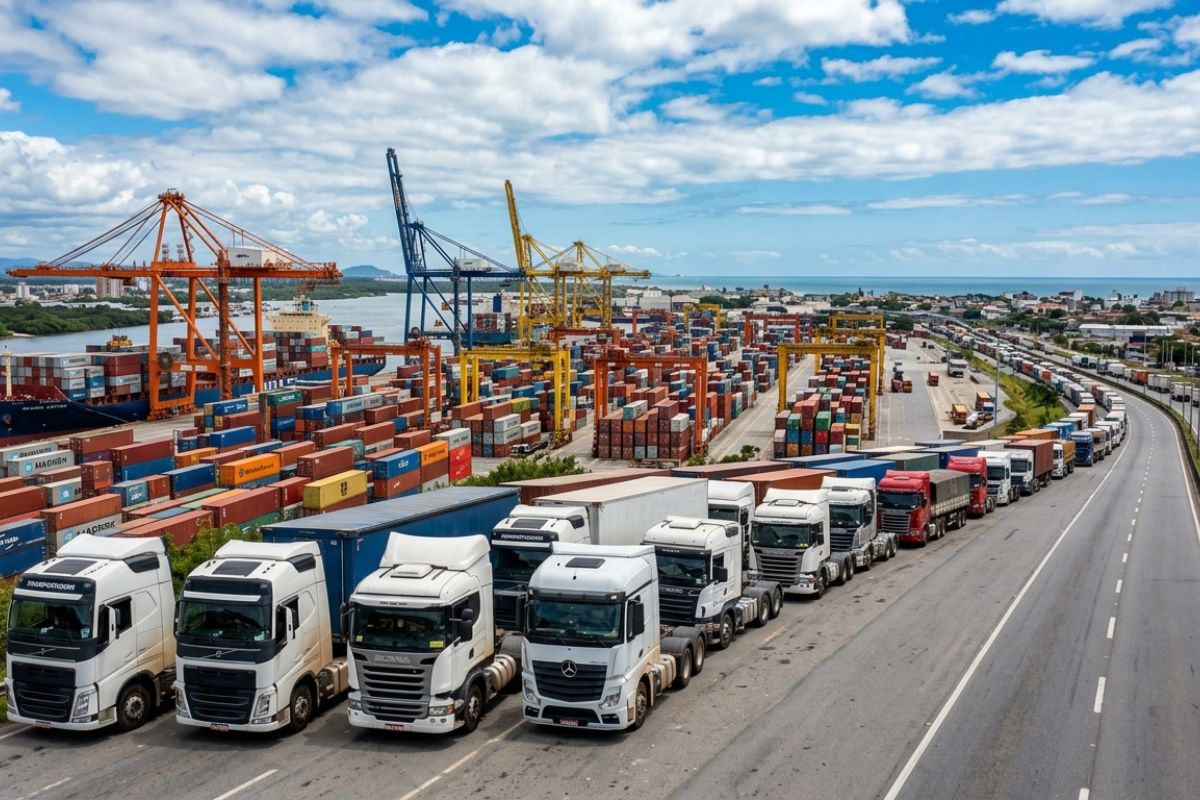
The lack of truck drivers in the country is already halting shipments and threatening deadlines: 88% of transport companies are unable to hire, with an average of eight trucks idle, and the port complex of Itajaí is now feeling the impact.

From the outset, the proposal was to position the fuel stations network as a service for passing through and short stays, capable of serving those crossing long distances and needing to resolve various demands at the same point in their journey.
This format evolved into a standard of service available 24 hours a day, every day of the year, which changes the logic of consumption around the units.
It’s not just about selling fuel, but about maintaining a functional hub for refueling, eating, resting quickly, and proceeding with a predictable route, especially in areas with heavy traffic and at times of lower service availability.
Where the Operation Is and Why Highway Became Central Strategy

Today, the fuel stations network is concentrated in five units, distributed across highway axes and strategic cities in Santa Catarina such as Barra Velha, Araranguá, and Palhoça, with two units in the latter. The geographical choice is not random: it seeks points with recurring vehicle flow, a mix of local and interstate traffic, and a continuous demand for convenience.
From an operational perspective, highways mean a stable frequency of passersby, predictable peaks, and a constant need for basic services.
This context reduces dependence on the seasonality typical of strictly commercial urban centers and allows for a more technical analysis of performance, based on flow, average stay, aggregate ticket, and capacity to serve families, professional drivers, and occasional travelers.
Recurring Revenue, Jobs, and Partial Shield Against Retail Fluctuations
Even with a still lean network, the fuel stations network already represents a source of recurring revenue for the group, with an approximate annual revenue of R$ 200 million. In management terms, this means an asset that can smooth out some of the consumption variations of traditional retail, especially during periods of greater economic fluctuation.
In the social and regional field, the impact is also measurable: there are around 200 direct employees, in addition to promoting complementary services in the surrounding areas of the units.
When a stopping point operates 24 hours with constant demand, it tends to attract food, maintenance, and supporting commerce, amplifying the economic effect beyond the main operation and creating a local micro-dynamics of services.
National Expansion with Criteria: Flow, Demand, and Logistics
The outlook for growth exists, but the pace described by the company is one of technical caution. The opening of new units of the fuel stations network depends on prior studies of vehicle flow, regional demand potential, and logistical feasibility, three variables that determine whether a location will have operational sustainability in the medium and long term.
In practice, this indicates an expansion less based on visibility and more on implementation efficiency. Choosing a location poorly can increase fixed costs, reduce turnover, and compromise service standards, while choosing wisely tends to strengthen revenue recurrence and operational predictability. This balance between ambition and execution is what should define the next cycle of the network outside Santa Catarina.
The trajectory shows a business movement that is quiet but consistent: an operation started in 2001, now structured in five units, uninterrupted service, around 200 direct jobs and an annual revenue in the range of R$ 200 million, with expansion under analysis.
At the center of this strategy, the fuel stations network functions as a stability and highway reach arm.
In your view, what factor weighs most for this type of operation to grow in Brazil: location on highways, 24-hour service, or integration with convenience? And, thinking about your region, do you believe that such a model improves the routine of travelers or is there still a lack of structure to properly serve road users?








-

3 pessoas reagiram a isso.