





 Portuguese
  English
  Spanish
 3 min of reading
  0 comments


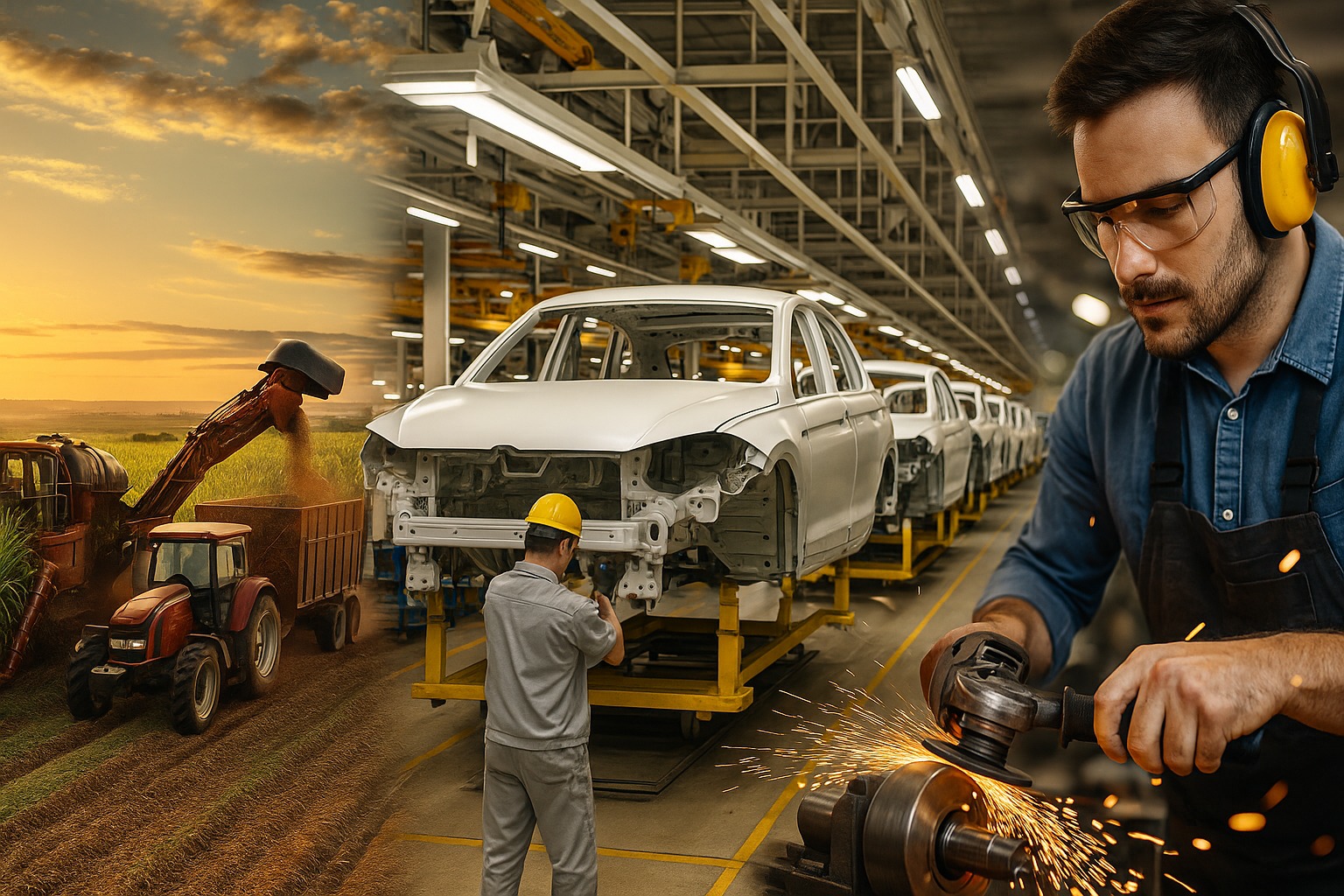
Piracicaba Integrates Advanced Agribusiness, Automotive Industry, and Applied Research in an Environment That Stimulates Innovation, Generates Qualified Jobs, and Strengthens Productive Chains Focused on Technology
Piracicaba emerges as a hub that combines tradition and renewal because it brings together a strong agribusiness sector and a consolidated industrial park. The city sustains this progress by uniting relevant agricultural production with industrial sectors that drive research and economic growth at a steady pace in the region.
The industrial expansion results from the presence of large automotive and metal-mechanical companies, which arrived attracted by incentives, strategic location, and a skilled workforce.
These conditions create an innovation environment that transforms local suppliers into an active part of a modern and integrated production chain.
-
China alone accounts for 70% of trade within the BRICS, while Brazil establishes itself as an essential supplier of food and minerals: understand how the group, which already represents nearly 40% of the world’s GDP, is changing the game.

-
Starting in May, those who do not have registered biometrics will not be able to apply for Bolsa Família, sickness benefits, or unemployment insurance: understand the new rule that changes access to benefits for millions of Brazilians.

-
A new law being voted on in Brazil proposes a minimum fare of R$ 10 per trip and R$ 2.50 per kilometer for Uber and 99 drivers, and promises to ensure they earn as well as taxi drivers did during the golden age of taxis in the country.

-
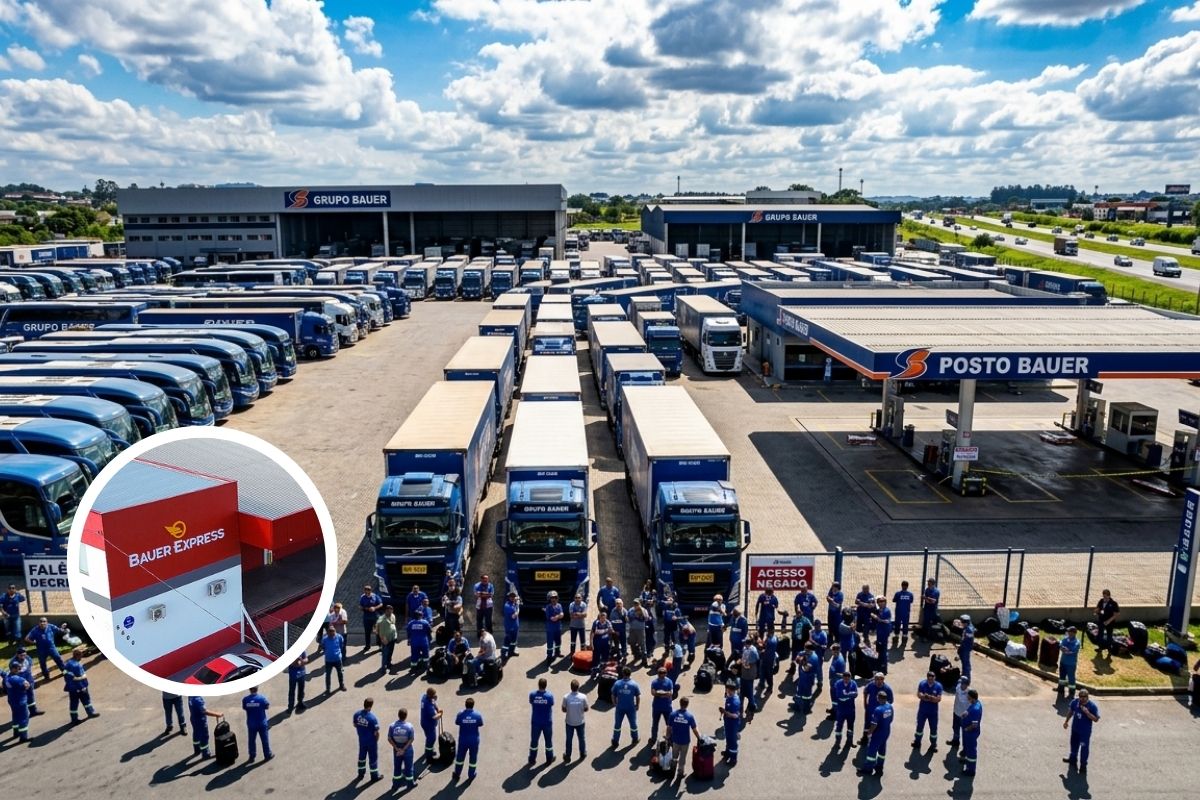
Bauer Group collapses after failed judicial recovery: 25 years, 800 vehicles, and a network of gas stations leave a debt of R$ 50 million and 100 layoffs, exposing costs, tight margins, and expensive credit in Brazil.
Moreover, the automotive sector generates various jobs and expands specialized services.
This occurs because international brands introduce digital and smart methods in the manufacturing process, strengthening the local industry and stimulating technical improvement practices that spread across the entire production chain.
The metal-mechanical sector also keeps pace with this movement. It manufactures parts and components used not only by automakers but also by different areas that depend on technical precision.
Therefore, the city establishes itself as an industrial reference that attracts companies interested in an efficient and expanding ecosystem.
Agribusiness
The agribusiness sector in the region highlights sugarcane as a productive base. The crop grows on a large scale because it uses advanced techniques, such as mechanized planting and the selection of varieties adapted to the Piracicaba soil, maintaining competitiveness at high levels year after year.
The use of drones facilitates the monitoring of extensive areas. This reduces failures and speeds up adjustments in the field, ensuring quick responses to climatic or operational variations.
Such measures reinforce the transition to more sustainable and highly productive farming models.
Smart irrigation also integrates this process. Automated systems optimize water use and correct applications according to the real needs of the plantation, making management more precise and reducing waste that previously weighed on operational costs.
With these practices, products such as bioenergy and sustainable derivatives emerge. Therefore, agribusiness strengthens the local economy and expands opportunities for companies looking to operate with a focus on technology applied to the field, keeping Piracicaba in a strategic position.
Research and Innovation
Universities and technological institutes create a research environment that fosters the generation of startups.
This link between science and the market accelerates cleaner industrial solutions and stimulates projects aimed at reducing environmental impacts without compromising productivity and competitiveness.
Applied research results in direct improvements in factory operations. This includes adjustments in processes, the development of biofuels, and the incorporation of methodologies that reduce waste.
Each advancement strengthens the local ecosystem, which relies on continuous exchange between researchers and companies.
In addition, this environment helps to prepare professionals for technological challenges.
The proximity between education and industry maintains a constant flow of knowledge, feeding new ideas and ensuring that the city continues to innovate at a consistent pace.
Investments
Investing in Piracicaba becomes attractive because the city offers efficient logistics, a qualified workforce, and modern infrastructure.
These elements support emerging businesses in both high-tech agribusiness and advanced manufacturing that requires digital processes.
The combination of research, industry, and agriculture sustains a robust economic model.
Thus, Piracicaba remains a regional reference, relying on sustained development and practices that combine innovation, production, and cooperation among its various sectors.
With information from Correio Braziliense.








-

-

-

-

5 pessoas reagiram a isso.