





 Portuguese
  English
  Spanish
  5 min of reading
  9 comments


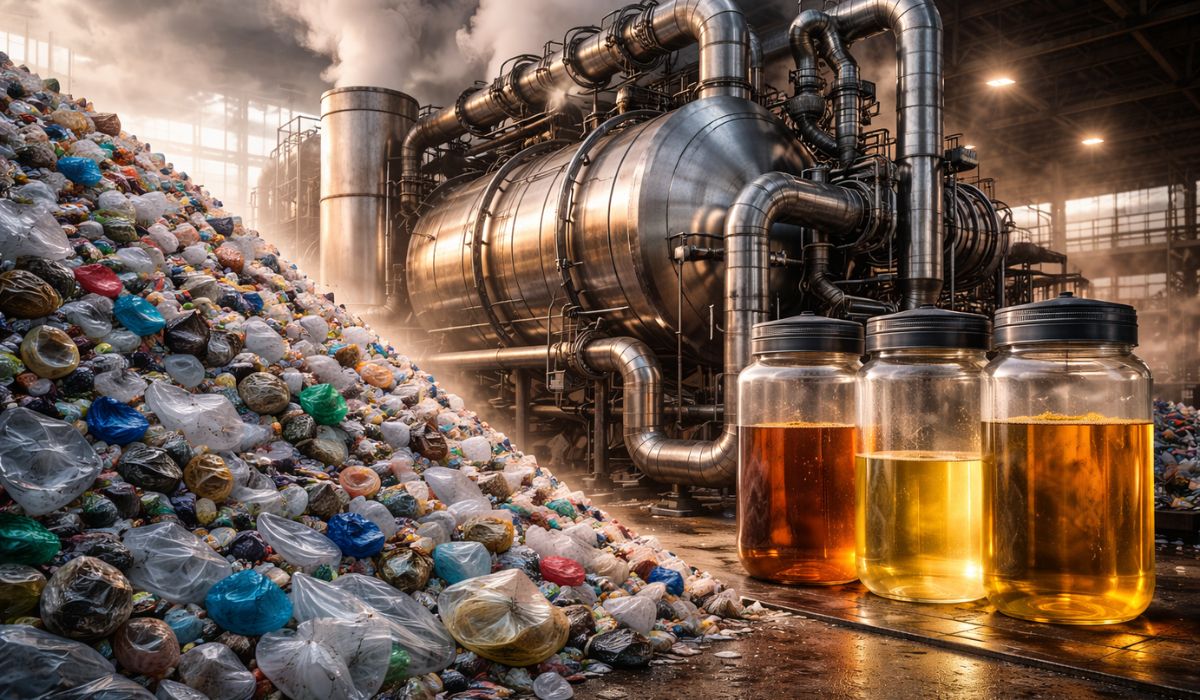


Research in Peru Examines How Urban Plastic Waste Can Be Converted into Liquid Fuels in an Oxygen-Free Process Using Catalysts.
The study highlights recycling numbers, describes pyrolysis steps, and identifies challenges to take the technology beyond the laboratory.
A study conducted by the University of Lima in Peru investigates the conversion of urban plastic waste into a mix of liquid fuels, with fractions described as similar to gasoline, diesel, and aviation kerosene.
The proposal uses a thermochemical process known as catalytic fast pyrolysis and is based on the logic of circular economy, aiming to give a destination to materials that, in many cases, are excluded from conventional recycling.
-
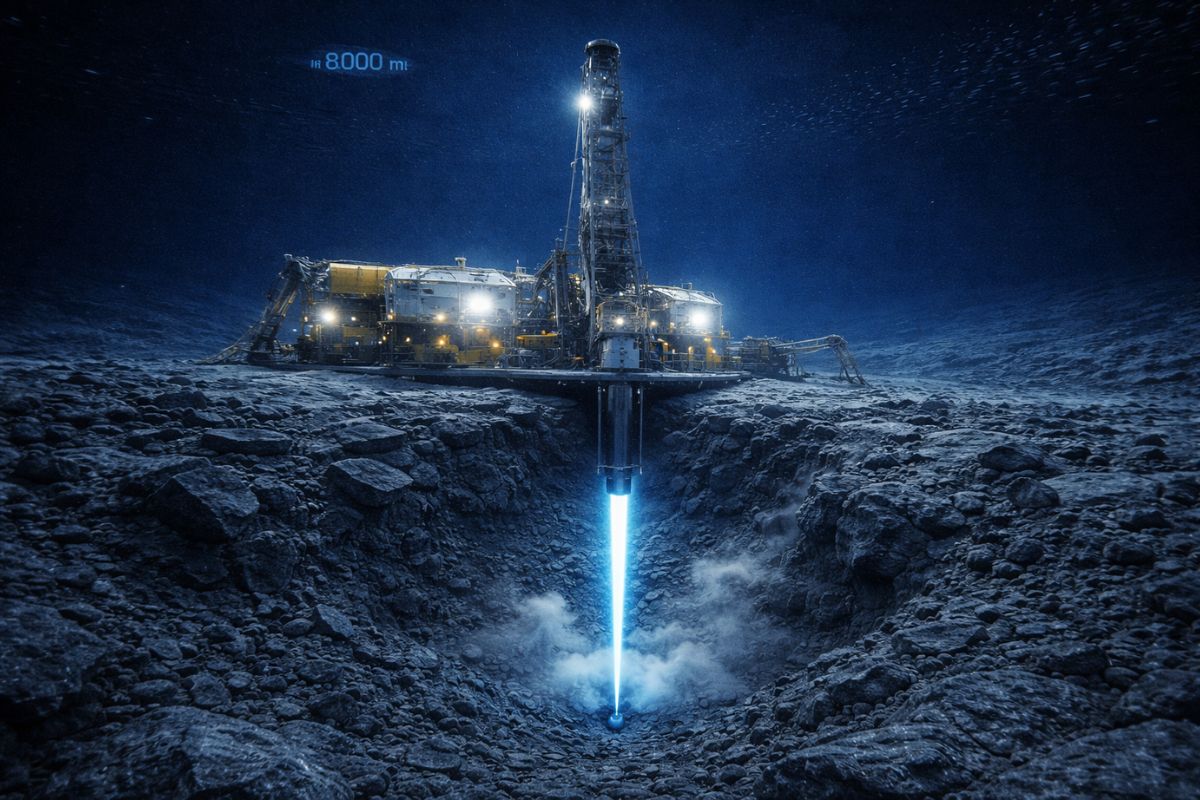
Scientists drilled nearly 8,000 meters into the ocean floor above the fault that caused the 2011 tsunami in Japan and discovered that a layer of clay 130 million years old was responsible for making the wave much worse than any model had predicted.
-
Thousands of years after causing the largest eruption of the Holocene, one of the world’s largest supervolcanoes is rebuilding itself beneath the sea south of Japan, receiving new magma and alarming scientists with its transformation.

-
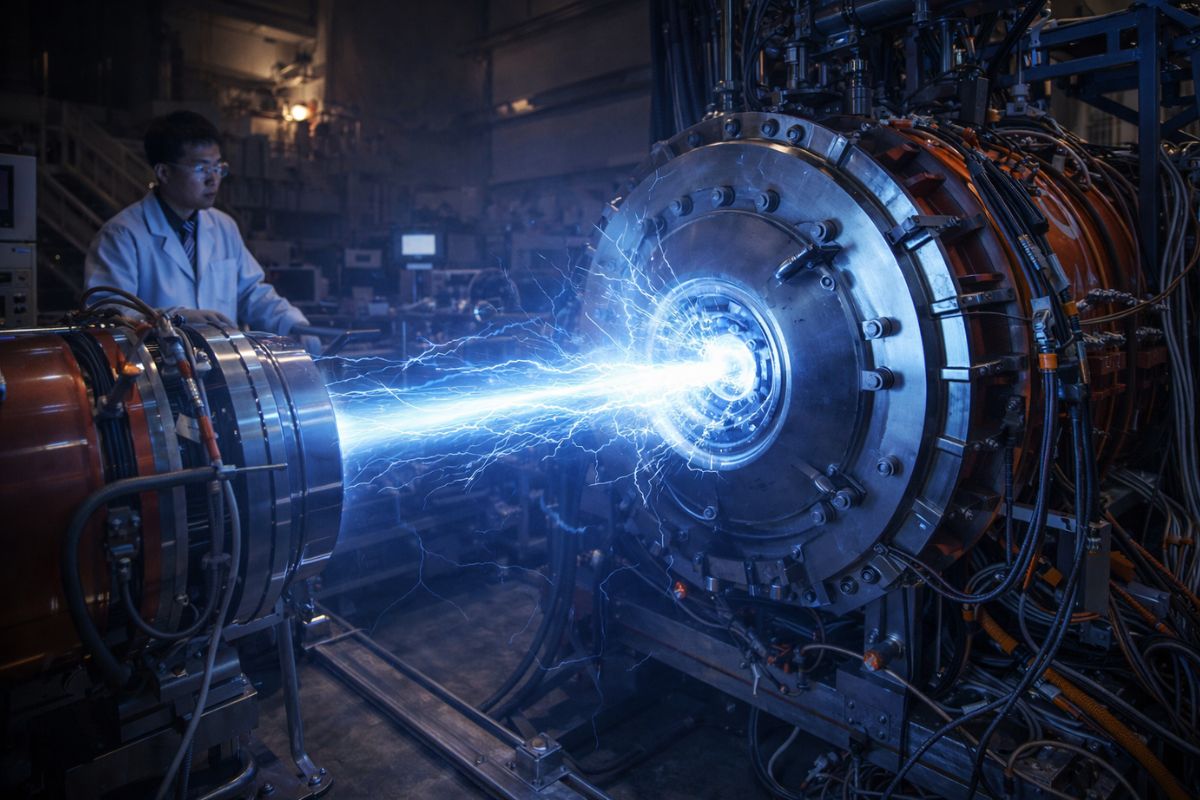
China has activated a magnet 700,000 times more powerful than the Earth’s magnetic field that operates for over 200 consecutive hours while consuming little energy, and now the world wants to know what Beijing plans to do with this technology in 2026.
-
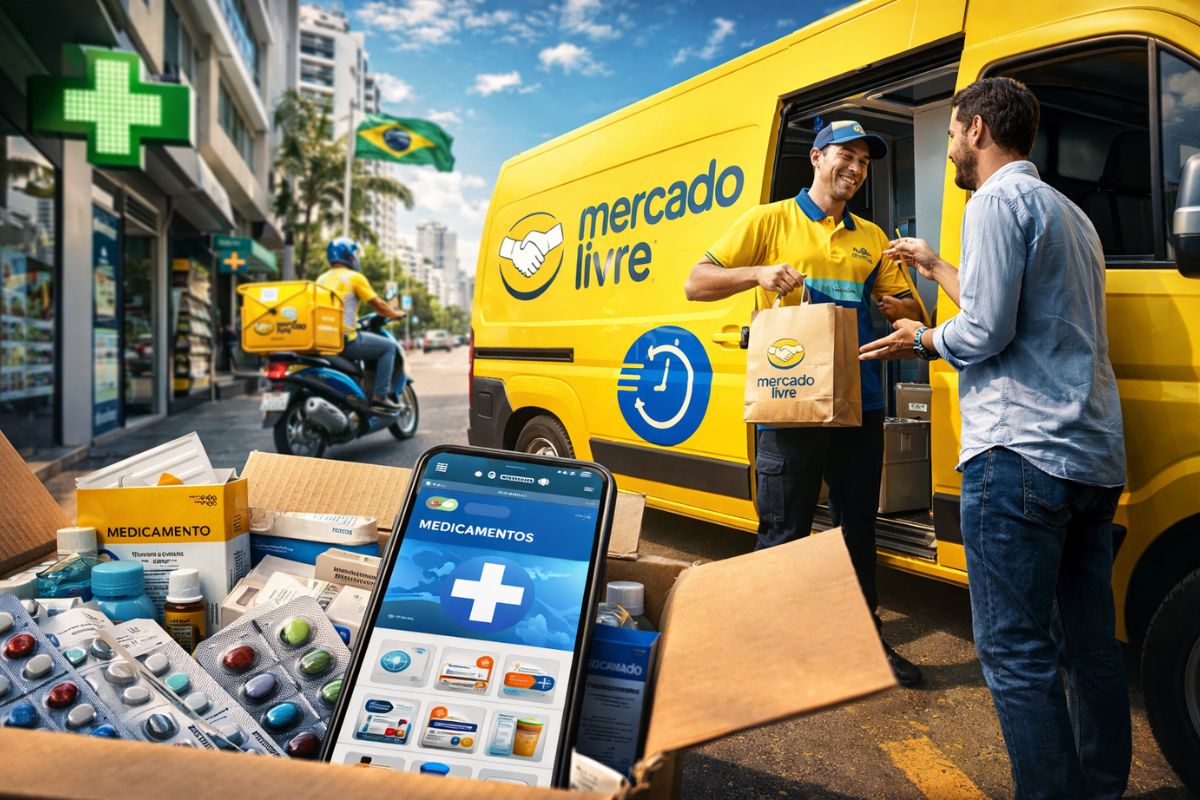
Mercado Livre has started selling medications in Brazil with delivery in up to 3 hours, and the project that launches in São Paulo may expand to the entire country, transforming the way millions of Brazilians buy medicines.

The starting point is a scenario of low recycling in the country.
According to the project’s institutional description, Peru generates about 1.4 million tons of plastic per year and recycles 15% of this total.
In the focus of the research, the initiative considers non-recyclable waste generated in urban Lima, which often ends up in improper disposal.
In the university’s public record, the team describes the motivation as reducing the contamination potential associated with plastic accumulation and, at the same time, investigating alternatives for waste utilization.
The proposal focuses on a conversion method through heating under controlled conditions, using a catalyst to guide the formation of products.
University of Lima Research on Fuel from Plastic
The University of Lima maintains, in its research project system, a study aimed at obtaining fuel from urban plastic waste through catalytic fast pyrolysis, within a circular economy approach.
The institution reports that the project was completed and lists the execution period between April 1, 2023, and March 31, 2024, as well as the affiliated researchers.
According to the summary released by the university, the intention was to assess the feasibility of transforming non-recyclable urban plastics into fuel through a thermochemical route.

The focus, according to the description, is to deal with materials that do not easily enter mechanical recycling, such as mixed, contaminated plastics, or those with low economic attractiveness for reuse.
Catalytic Fast Pyrolysis: How the Process Works
Pyrolysis is a process in which the material is heated at high temperatures in the absence of oxygen, preventing combustion and favoring the breakdown of molecules into smaller components.
In the case described by the University of Lima, the procedure occurs in an inert atmosphere, with nitrogen feed, and the conversion is accelerated by the presence of a catalyst.
In the project, the university reports the use of zeolite as a catalyst.
According to the institutional description, this type of material can influence the decomposition speed and the profile of the products formed, affecting the yield and the composition of the generated liquid fractions.
Additionally, according to the public record, applying catalytic fast pyrolysis to plastics like PP (polypropylene) and PS (polystyrene), the process results in a liquid fuel mix with fractions described as gasoline, jet fuel, diesel, and “wax.”
The university also informs that, under 400 °C conditions, greater efficiency in producing the fraction associated with gasoline was observed, within the set of parameters assessed in the research.
PET and Plastic Waste: What the Project Record Highlights
Although PET is one of the most well-known plastics used in packaging, the project’s institutional record distinguishes the materials cited in the main experiment.
In the summary provided by the university, PP and PS appear as examples of plastics converted in catalytic fast pyrolysis to obtain the liquid mix.
At the same time, the university associates a scientific production on the topic mentioning PET in another context.

In the same system, there is reference to an article published in May 2025 in the journal Cleaner Engineering and Technology, which discusses “crude oil production and simulation” from catalytic fast pyrolysis of PET waste.
The record indicates that part of the work related to the subject involves modeling and simulations to estimate products and performance when the waste is PET.
In general terms, simulations are often used in research to test scenarios and adjust process variables before more extensive experimental stages.
However, the consulted public page does not present detailed numerical results of the cited article nor does it describe the yields obtained for PET, which prevents reproducing these numbers based solely on this material.
Circular Economy and Plastic Transformation into Fuel
The proposal connects to the concept of circular economy by seeking to assign use to a waste that, according to the project itself, tends to go to landfills, illegal dumps, or environmental disposal.
The university describes thermochemical conversion as a way to reduce the fraction of plastic without reuse and to generate an energy product from this material.
Evaluating environmental impacts and making comparisons with other routes, such as mechanical recycling or coprocessing, usually depends on specific indicators and balances.
At this point, the consulted institutional record does not provide a complete environmental inventory nor does it present metrics that allow for comparison, based on these public data, of the environmental performance of the process against alternatives.
Waste Management in Lima and Challenges for Scale Application
The project registered by the University of Lima is part of a challenge that also appears in other countries in the region: high volumes of plastic waste, segregation difficulties, and limited recycling rates.
In the Peruvian case, the institutional summary itself uses the national estimate of annual plastic generation and the fraction recycled to justify the search for alternative valorization routes, focusing on urban waste from Lima.
In technical terms, thermochemical processes like pyrolysis have been the subject of studies for converting polymer chains into mixtures of hydrocarbons and other byproducts, depending on the type of plastic, the catalyst, and operational conditions.
In the consulted material, the University of Lima describes some general parameters, such as operation in an inert atmosphere, the use of zeolite, and the mention of 400 °C as a condition under which greater efficiency occurred for one of the fractions.
The transition from the laboratory and simulation to broader applications usually involves additional requirements, such as collection logistics, standardization of the input waste, and quality rules for fuels.
However, these points are not detailed in the consulted public record, which limits itself to presenting objectives, method, and general descriptions of the products obtained.





Maravilha.
Poderiam providenciar equipamentos para retirar plásticos do mar, assim como faz a empresa holandesa the ocean cleanup, que atua nos EUA, fazendo essa retirada das águas. Segundo informaçoes, ha acima de trilhões, de toneladas, nos oceanos e a cada ano são despejados toneladas, ou seja, sempre haverá de onde tirar.
Se não quiserem fazer sozinhos, da para contratar essa tal empresa que já está capacitada e agora visar lucro.
Ta difícil de acontece isso. Porque eles não fazem nem a coleta seletiva comum nos bairros para coletar a imensidão de plásticos que são despejados todos os dias dos lares que vão parar nos lixões. Porque não acredito que as empresas que recolhem os lixos separem esse material.
Isso já é feito no Brasil. Pesquisem sobre a empresa Fluxo, já atuam junto a Petrobras.