





 Portuguese
  English
  Spanish
  4 min of reading
  2 comments


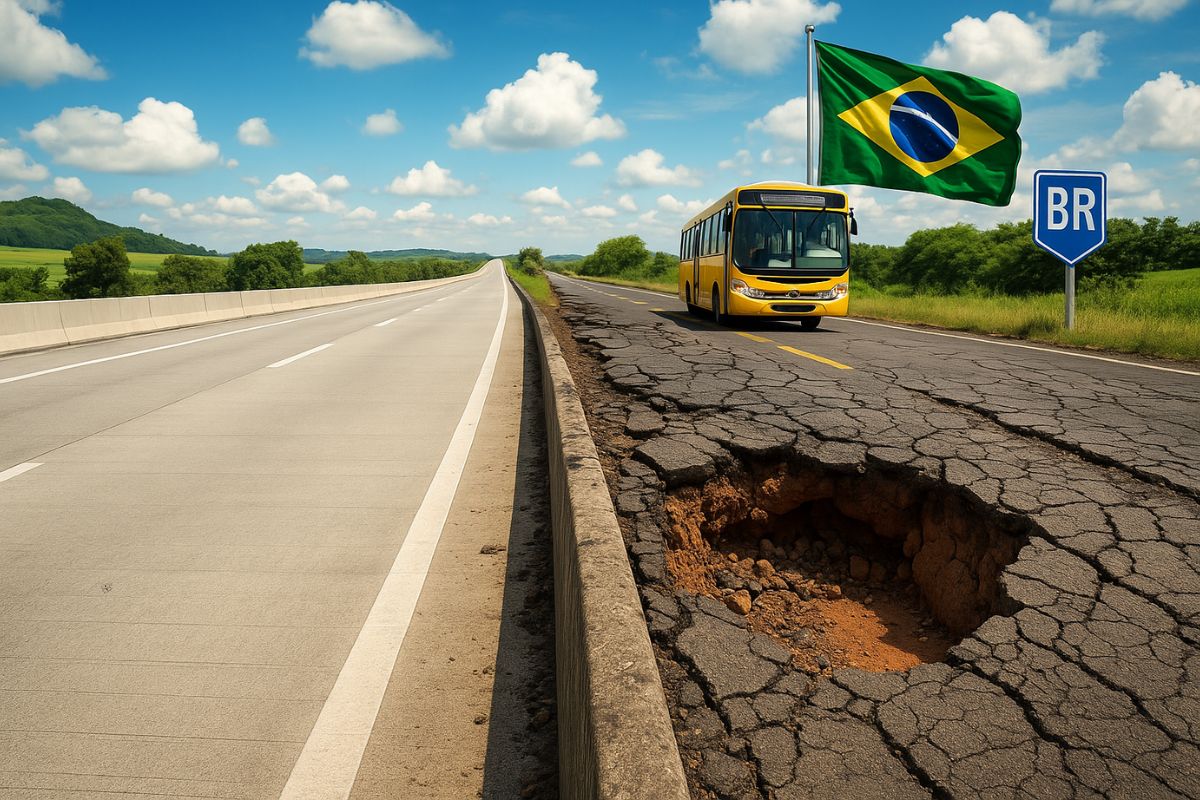

Why Don’t We Build Roads Like Americans? While the USA Prioritizes Durable Concrete Pavement, Brazilian Highways Remain Mostly on Asphalt, with High Maintenance Costs
When comparing Brazilian highways with American ones, the difference is striking. In the United States, a large part of the road network is made of concrete, a material that can last decades without significant maintenance, even under heavy traffic and extreme weather. In Brazil, the predominant choice is asphalt, cheaper to implement but requiring constant repairs, deforming quickly, increasing fuel consumption, and fueling an endless cycle of potholes and construction.
The most curious thing is that Brazil has the technical knowledge, practical examples, and qualified professionals to build concrete highways. But historical, economic, and operational reasons keep the country stuck with short-term solutions. The result: roads that cost less to make, but much more to maintain.
How the USA Transformed Its Road Network
In 1919, then U.S. Army officer Dwight D. Eisenhower participated in a military convoy that crossed the country from Washington to San Francisco. The trip, which lasted almost two months, revealed broken bridges, impassable stretches, and serious delays. During World War II, Eisenhower witnessed the opposite: the efficiency of the German autobahn, which allowed for rapid troop and supply movements.
-
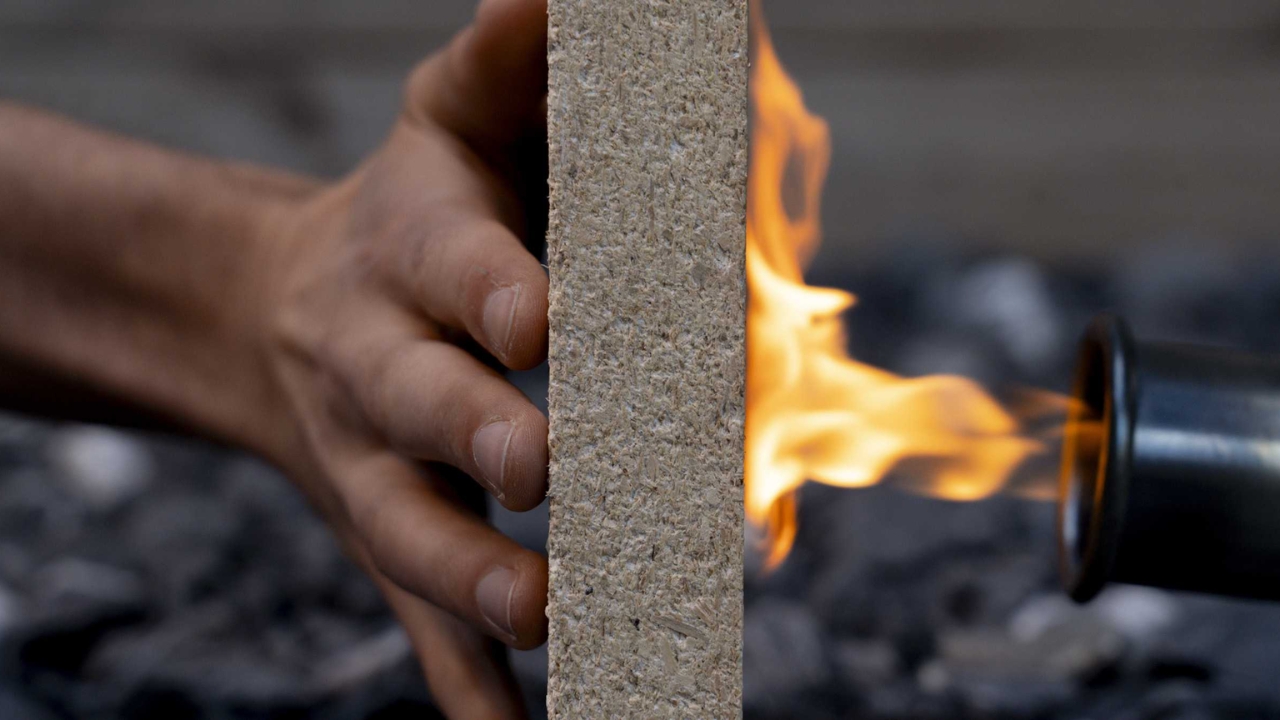
Scientists transform sawdust into fire-resistant panels, stabilize the compound with an enzyme extracted from watermelon seeds, and turn waste into promising material for construction.
-
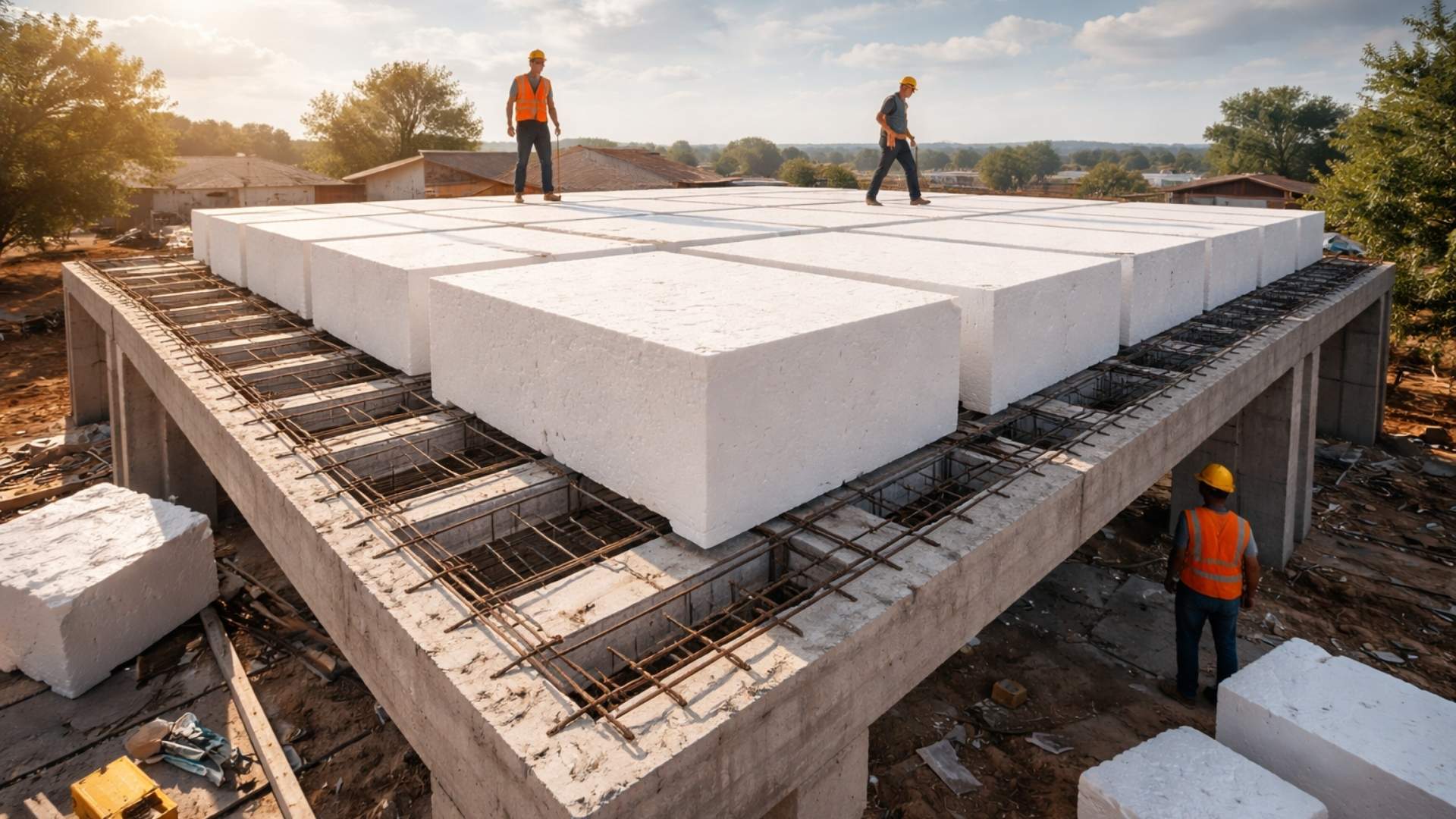
Forget concrete: architects are replacing tons of concrete with giant blocks of expanded polystyrene to build the roofs of houses and reduce structural weight by up to 50%, cut costs, improve thermal insulation, and speed up construction.
-
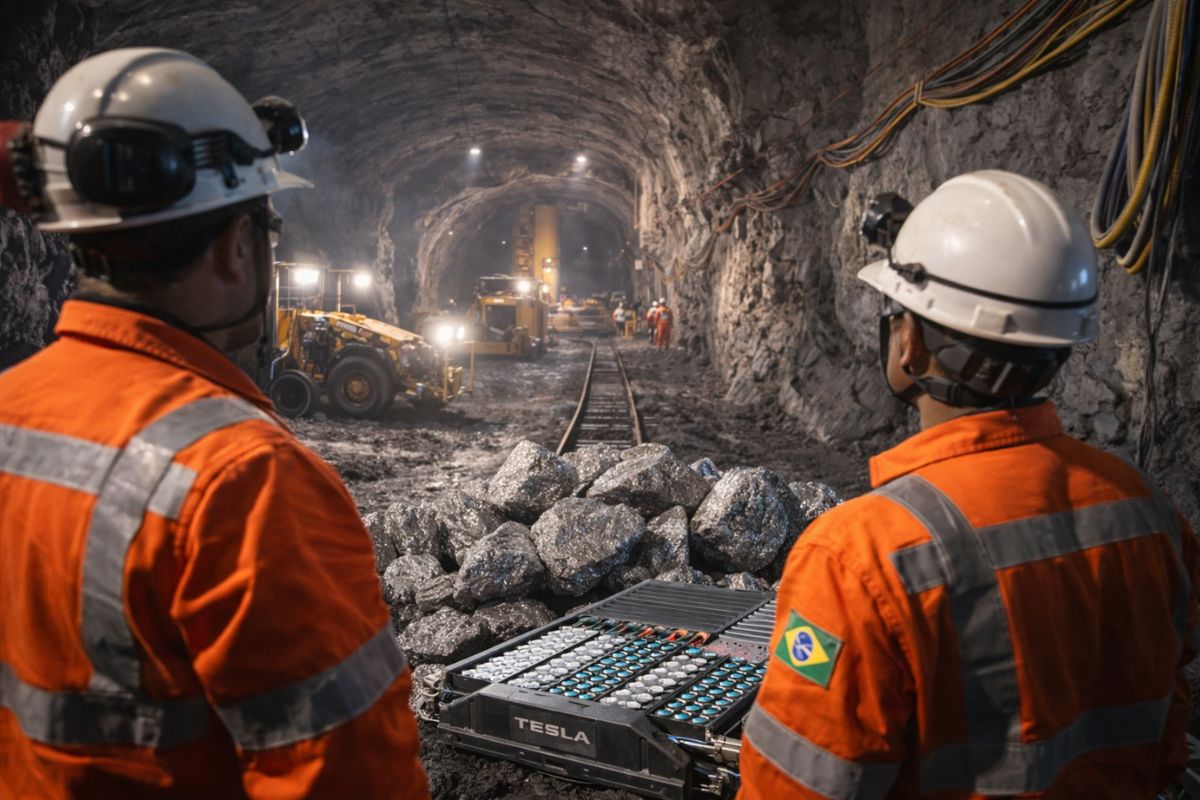
The Brazilian state enters the center of the global race for critical minerals by starting the construction of the largest underground nickel mine in Latin America, a mineral essential for electric car batteries that the entire world is competing for at this moment.
-
New CCR concrete paving technology promises roads up to 3x more durable, less maintenance, and cost reduction in Brazil.


This experience shaped his strategic vision: transportation infrastructure is part of national defense and the economy. As president, in 1956, Eisenhower signed the Interstate Highway System, connecting the country with thousands of kilometers of concrete roads. The goal was durability, integration, and resistance to the elements—and the model still works today.
Rigid Pavement vs Flexible Pavement
Concrete, called rigid pavement, does not deform under the weight of vehicles. It distributes the load better, avoids sinkholes, and can last 30 to 60 years without major interventions. On the other hand, asphalt, flexible pavement, gives way with each vehicle pass and is more vulnerable to cracks and permanent deformations, especially on heavy traffic roads.
In Brazil, 99% of paved highways use asphalt. The justification lies in the lower initial cost and faster execution, which appeals to short political cycles. However, this choice implies high maintenance costs, congestion from construction, and loss of logistical efficiency.
Economic and Environmental Impacts
Concrete highways maintain a stable surface for longer, reducing tire wear and consequently fuel consumption—a particularly relevant gain for freight transport. Additionally, the light color of concrete reflects more sunlight, reducing heat islands and allowing savings of up to 30% in public lighting of roads.
The natural roughness of concrete also increases tire grip, improving braking and safety, especially on wet roads. In countries like Germany, Canada, and the United States, these characteristics justify the higher initial investment.
Successful Brazilian Examples
Brazil has good cases of concrete application in highways. The road from Serra de Petrópolis, built in 1928, has maintained its structure for decades. The Avenida Farrapos in Porto Alegre has withstood over 80 years of urban traffic. More recently, Paraná invested over R$ 3 billion in 500 km of concrete highways, utilizing modern techniques like “whitetopping.” In Campinas (SP), 92% of the BRT system corridors use rigid pavement, prioritizing durability and reducing operational costs.
These examples show that it is not a lack of technical capacity, but a lack of strategic priority. Countries that plan for the long term use concrete in logistical corridors, heavy traffic areas, and regions that are difficult to maintain—criteria that apply to various Brazilian routes.
What Is Missing to Change
To increase the use of concrete in Brazilian highways, it is necessary to break with the logic of the lowest initial cost and adopt the calculation of the lifecycle cost. This requires planning beyond political mandates and a careful selection of the roads that will receive the investment. Private concessions and strategic corridors, such as BR-163, BR-364, BR-101, and BR-116, are natural candidates for this model.
Brazil has labor, technology, and successful examples. What is missing is the decision to invest in infrastructure that lasts decades, generates long-term savings, and offers more safety and logistical efficiency.
And you? Do you believe Brazil is ready to adopt concrete on a large scale in its highways, or will the initial cost continue to be a barrier? Leave your opinion in the comments—we want to hear from those who experience the reality of the roads every day.








Desde sempre o conceito de menor atende motivações políticas de apresentar obras.
Sempre deveria ser adotado o valor total da obra considerando um determinado período de tempo.
Falta vontade política