





 Português
  Inglês
  Espanhol
  2 min de leitura
  0 comentários


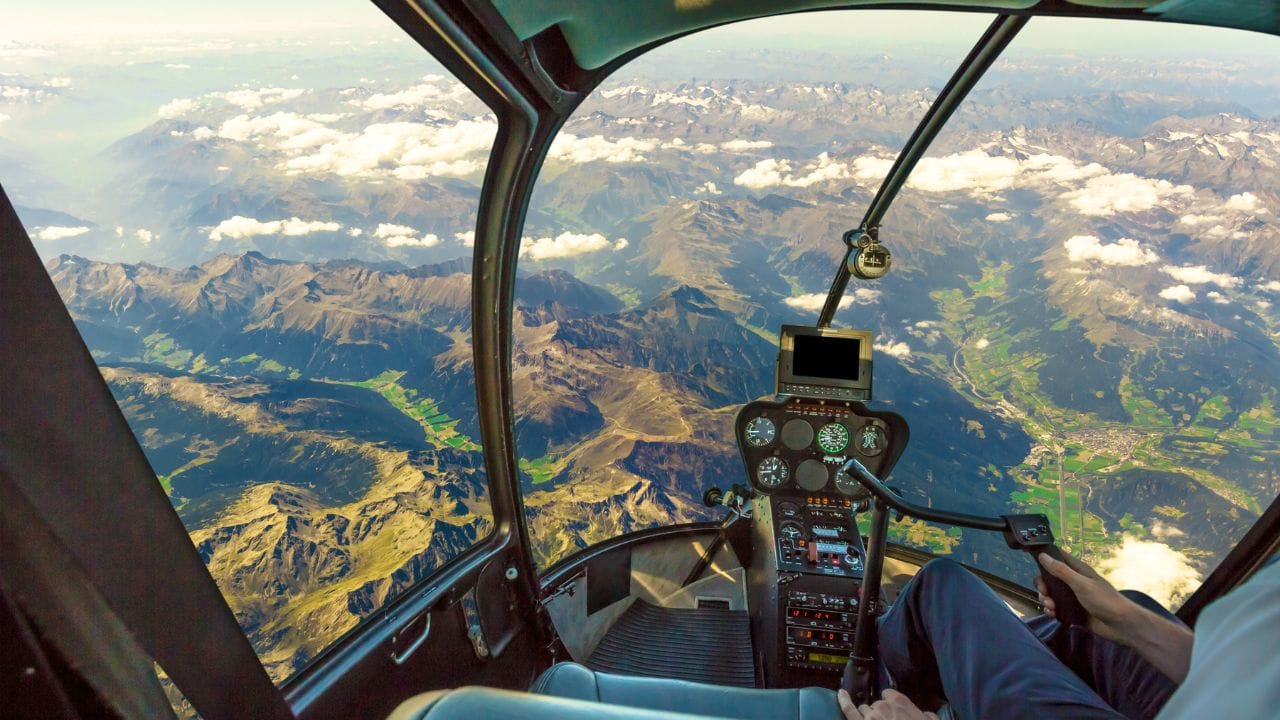
The Journey of the Helicopter From Ancient Chinese Toys to Today’s Modern Flying Machines Is a Testament to the Innovative Spirit of Humanity.
In this special episode, we dive into the origin and secrets behind one of the greatest innovations in aerial engineering: the helicopter. This aircraft not only revolutionized the transport of passengers and cargo but also became essential in rescue and national defense operations, thanks to its unique flying ability.
The Evolution of the Helicopter
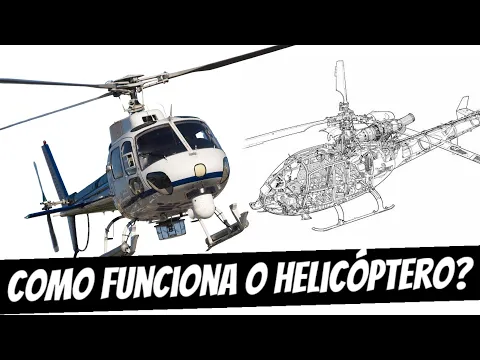

The history of the helicopter dates back to about 400 years BC in China, with a toy known as the “Bamboo Dragonfly.” But it was Leonardo da Vinci’s genius, around 1480, that sketched the first conception of an aircraft resembling it, although not practical. The term “helicopter,” of Greek origin, suggests “spiral wing” and reflects the essence of this invention that has evolved significantly over the centuries.
From the First Flight to Modern Models
The first attempts to create a controllable flying vehicle date back to the early 20th century, with the Breguet brothers and French inventor Paul Cornu. Although Cornu managed a modest flight of 30 cm off the ground, he is often recognized as the inventor of the controllable helicopter. The journey of evolution continued with significant innovations in Europe and the United States, culminating in the successful models from Sikorsky and Bell in the 1940s.
-
Historic bankruptcy of Centauro shocks the market, and the century-old company puts more than 500,000 products, machines, and complete infrastructure up for online auction.

-
São Paulo surprises the world with a colossal railway network project that promises over 1,000 km of tracks, R$ 194 billion in investments, and 40 projects connecting the capital to the interior with fast and sustainable trains.
-
The world’s largest escalator, measuring 905 meters in China, reduces urban travel time from 1 hour to about 20 minutes and transforms mobility in mountainous regions with an engineering solution adapted to the terrain.

-
New shoe factory in Ceará is expected to create 400 jobs and strengthen the local economy.


How Does the Helicopter Work?
The principle of helicopter operation is fascinating. Through the rotation of the blades, which push the air downwards, the aircraft is able to take flight, obeying Newton’s third law: for every action, there is a reaction. Equipped with controls such as the cyclic, collective, and pedals, the pilot can maneuver the helicopter in various directions, even allowing it to hover in the air or fly backward.
Era of Jet Engines
The replacement of piston engines with jet engines in the 1950s marked the beginning of a new era for helicopters. The Alouette 2 model, from Sud Aviation, was the first type of aircraft to be equipped with a jet engine, offering superior performance, especially at high altitudes.
Today, helicopters play vital roles in various areas, from military operations to rescues and firefighting. In Brazil, one of the largest helicopter markets in the world, São Paulo stands out with the largest fleet, leading the Brazilian Air Force to create an exclusive air traffic control for these aircraft. More than a means of transportation, the helicopter is a tool that saves lives, protects nations, and opens new horizons for human exploration.










Seja o primeiro a reagir!