





 Portuguese
  English
  Spanish
  3 min of reading
  0 comments


Despite The Great Potential, Economic, Regulatory, And Informational Obstacles Still Hinder The Popularization Of Solar Panels In Brazil.
Solar energy has gained ground in Brazil in recent years, but it is still far from reaching its full potential. Even with the wide incidence of solar radiation and the advancement of distributed generation technologies, the adoption of solar panels is still limited, especially among residential consumers and small businesses.
Recent studies show that the country is making progress in the installation of renewable energy systems, especially in rural areas and the industrial sector. However, growth could be much greater if it weren’t for the barriers that still impact the sector’s development.
Initial Cost Of Solar Energy Systems Is Still High For A Large Part Of The Population
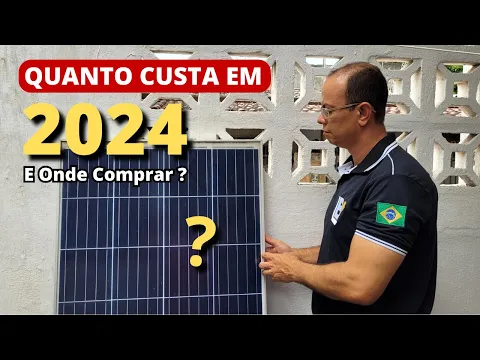
One of the main factors hindering access to solar energy in Brazil is the initial cost of photovoltaic systems. Even with the gradual reduction of prices over the last few years, the installation of solar panels in homes still requires a significant investment. On average, the price of a system to meet a medium-sized house ranges between R$ 15 thousand and R$ 25 thousand.
-
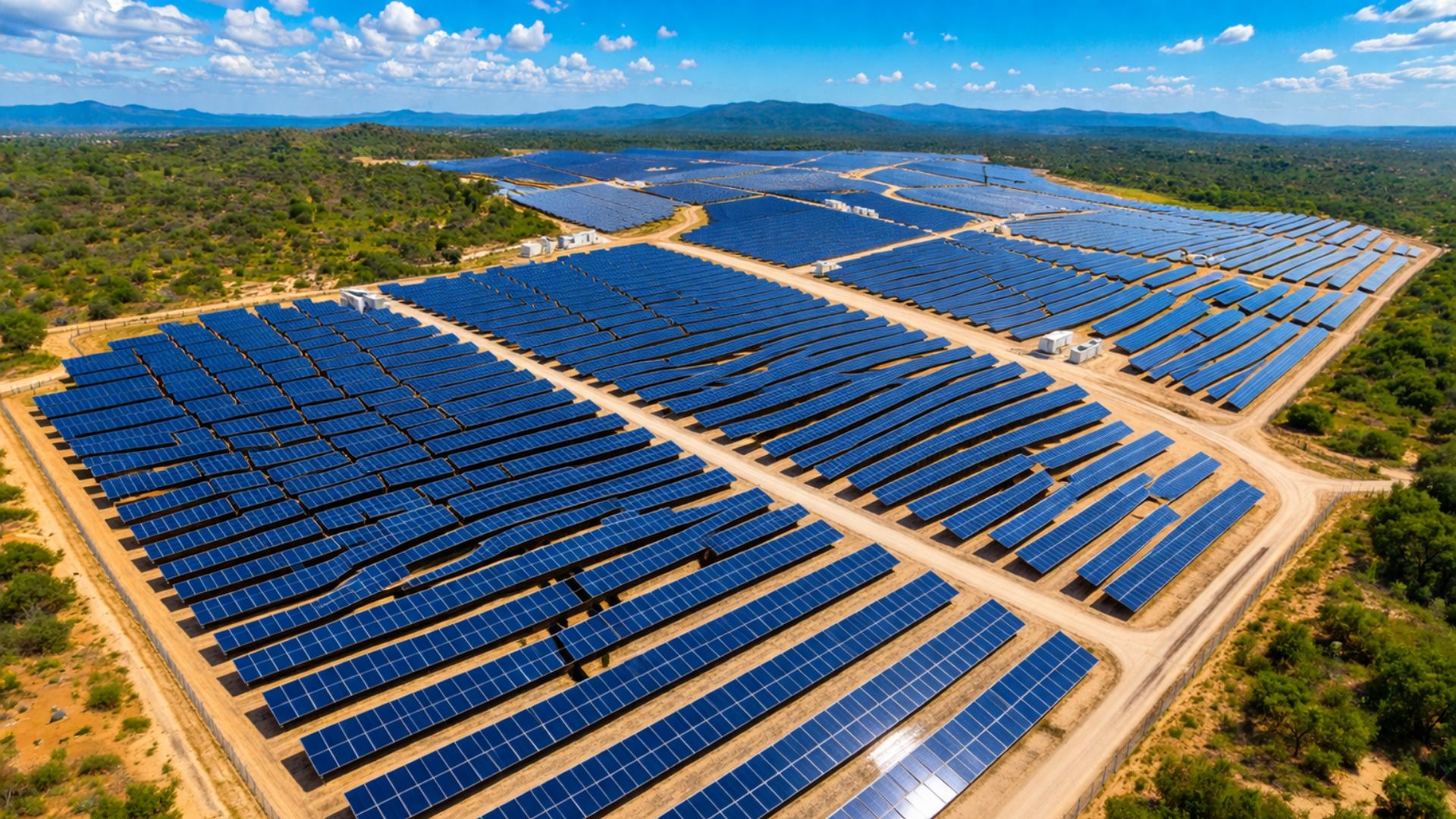
The Sol do Agreste Photovoltaic Complex begins operations in Pernambuco and accelerates the expansion of solar energy in Brazil, directly impacting the reduction of emissions and strengthening the sustainable energy matrix.
-
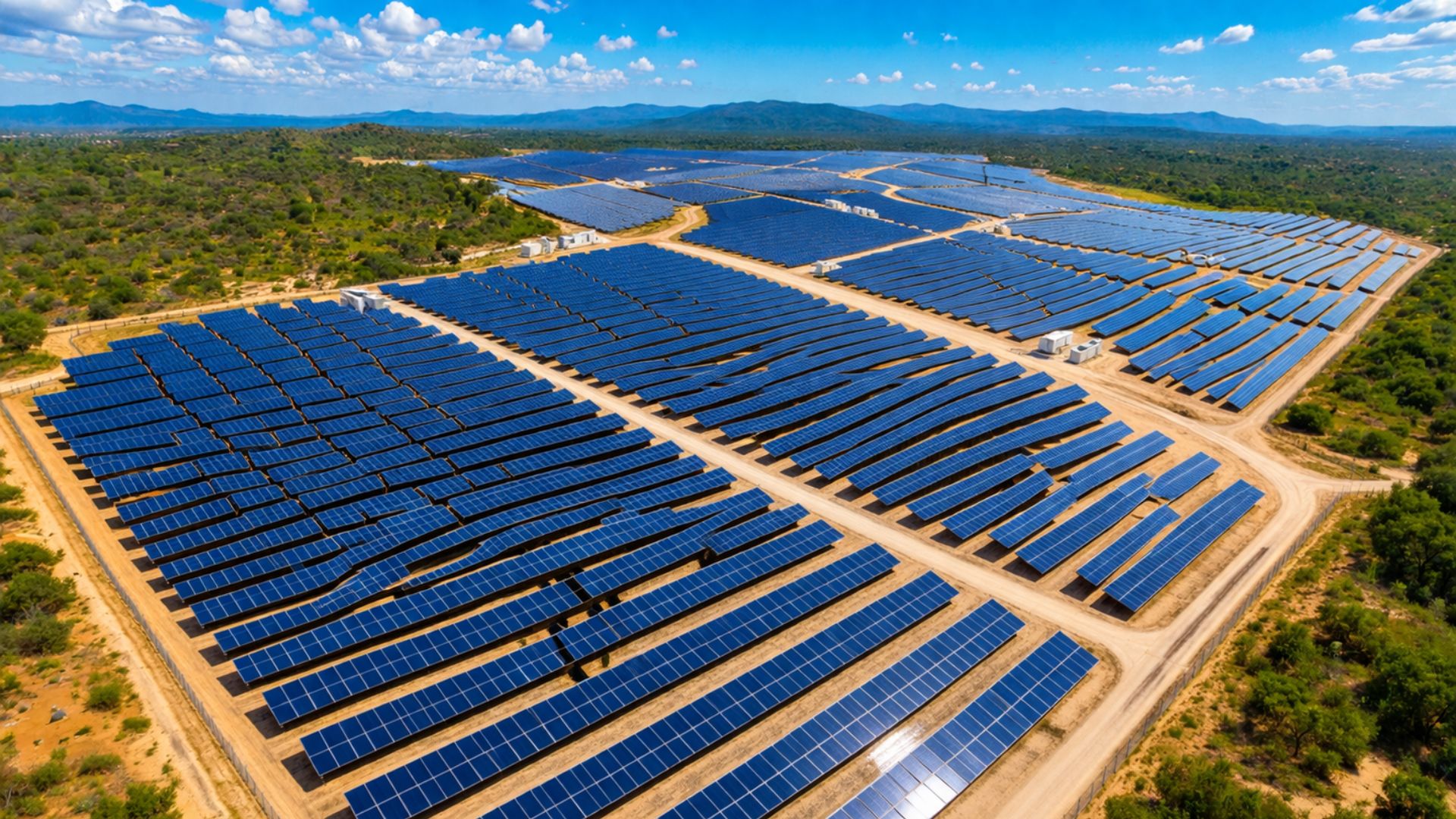
The Sol do Agreste Photovoltaic Complex begins operations in Pernambuco and accelerates the expansion of solar energy in Brazil, directly impacting the reduction of emissions and strengthening the sustainable energy matrix.
-
Renewable energy advances over protected areas in Brazil, and a survey by the Energy Transition Observatory reveals silent impacts that challenge environmental conservation and pressure sensitive traditional territories.

-
Rio Grande do Sul accelerates energy transition: State invests in renewable technologies and consolidates decarbonization strategies and pathways to attract billions in new industrial investments.



Despite the existence of specific financing lines for renewable energy, many people are unaware of these possibilities or face difficulties obtaining credit from financial institutions. The result is limited access to solar energy, primarily for higher social classes or companies with greater investment capacity.
Lack Of Consistent Public Policies And Tax Incentives
Another barrier pointed out by industry experts is the absence of a continuous public policy to promote solar energy. Although the country has regulations allowing distributed generation since 2012, such as Resolution No. 482 from the National Electric Energy Agency (Aneel), fiscal incentives and subsidies have not been sufficient to democratize the large-scale use of solar panels.
The creation of Law No. 14.300/2022, which establishes the legal framework for micro and mini distributed generation, brought significant advances but also introduced additional charges for those injecting energy into the electrical grid. This change created uncertainties in the sector and fear among consumers who were about to invest in renewable energy systems.
Charging Tariffs For Energy Injected Into The Grid
The so-called “solar tax”, a term popularized in the sector, refers to the tariffs applied to energy generated by solar panel systems and shared with the public grid. The new rule, which will be implemented gradually until 2029, states that users will have to pay for the use of the distribution infrastructure even when generating part of their own energy.
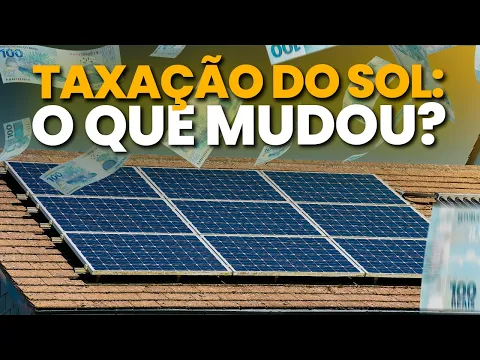
This charge has sparked debate among businesses and consumers as it alters the expected financial return for those investing in solar energy. For many, the new model reduces the attractiveness of the investment, which may slow down the expansion of renewable energy in the country.
Lack Of Information Is Still A Relevant Barrier In The Solar Energy Sector
In addition to financial and regulatory obstacles, the sector also faces the challenge of misinformation. Many people are still unaware of how solar energy systems work, their economic and environmental benefits, or even how to start the process of installing solar panels in their homes or businesses.
The lack of educational campaigns and the limited access to technical information hinder the popularization of renewable energy. According to experts, there is room to expand awareness-raising actions and demonstrate how solar energy can be accessible and advantageous, even in the medium and long term.
Traditional Infrastructure Is Still A Priority
Historically, Brazil’s energy matrix has always been heavily based on hydroelectric plants and thermoelectric plants. This established structure limits more aggressive investments in alternative sources, such as solar energy, which still faces resistance from some segments of the energy market.
Although Brazil is among the countries with the greatest potential for renewable energy use, the transition to more sustainable models depends on long-term strategic decisions and public policies that encourage the sector more broadly.
Sources: Terra, Portal Solar, Solar dos Pomares and Dialogue Earth







Seja o primeiro a reagir!