





 Portuguese
  English
  Spanish
  3 min of reading



Industry Entities in Oil and Gas Issued a Joint Letter Requesting the Resumption of Petrobras’ Asset Sale Program. The Decision of the Ministry of Mines and Energy to Suspend the Initiative is Still Generating Repercussions in the Market.
The associations state that the asset sale program of Petrobras promoted local development and technological modernization, as well as ensuring the operational safety of the assets. The letter also emphasizes the importance of stimulating the expansion and the influx of new investments in the sector through Petrobras’ divestments. The entities bet on a positive scenario for the country with re-industrialization and the development of associated markets.
Entities in the oil and gas sector are calling for the resumption of the asset sale program of Petrobras, aiming to boost the sector. Various sectors will benefit from the asset sales, from companies that took over project operations to new investors who believe in their success expectations. The group of primary workers, which includes more than 135,000 people, has also been positively impacted by the advances.
However, there is concern about the legal uncertainty that may arise with the suspension of divestments already consolidated by Petrobras. Entities urgently request clarifications that the suspension will only affect sales scheduled by the oil company in the initial phase, not affecting already completed deals. After the suspension period, divestment plans, especially in concessions in marginal fields on land and in shallow waters, will continue on a secure path.
-
Brazilian city gains industrial hub for 85 companies that is equivalent to 55 football fields.

-
Peugeot and Citroën factory in Argentina cuts production by half and opens a layoff program for more than 2,000 employees after Brazil drastically reduced purchases of Argentine vehicles.

-
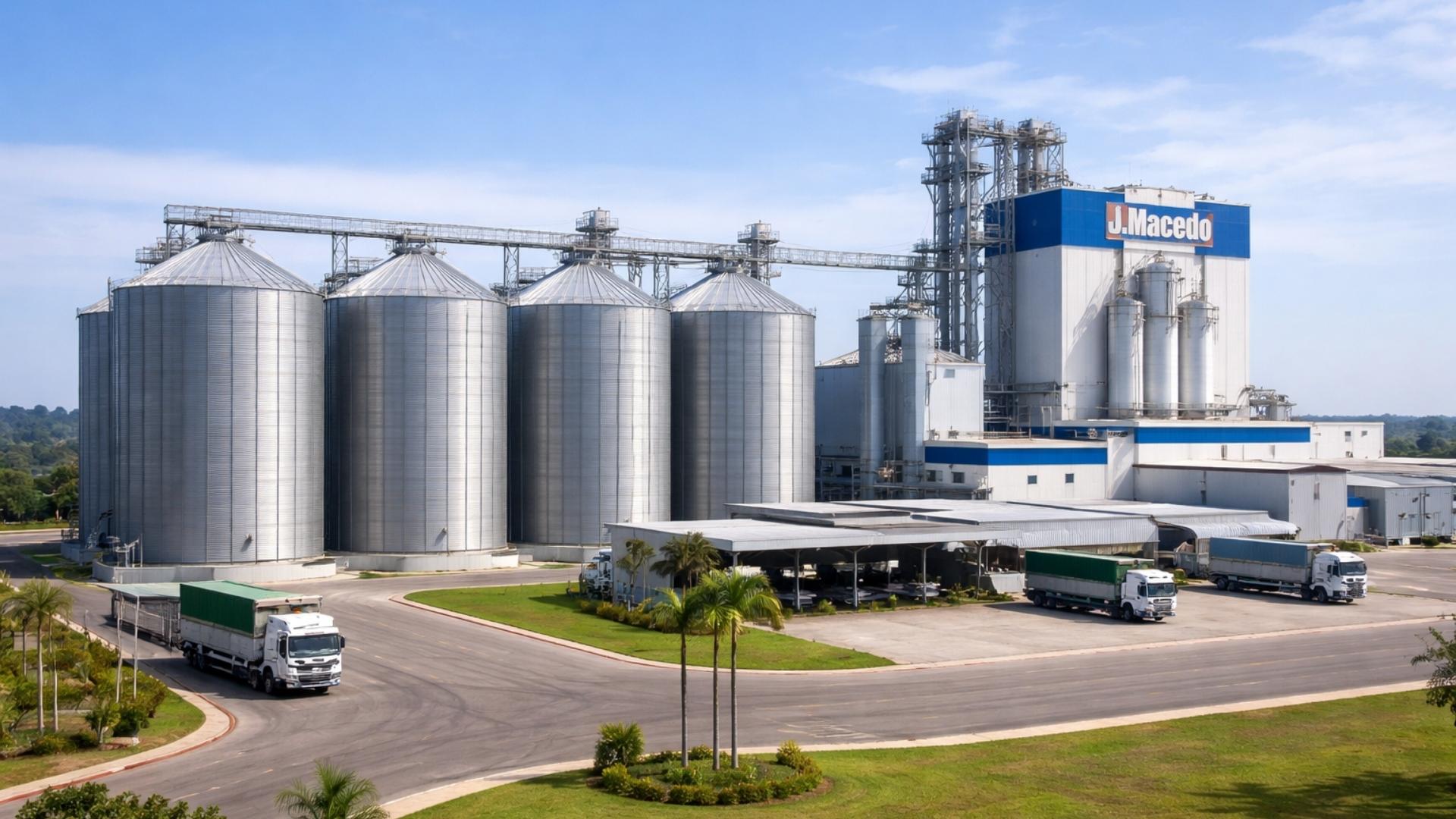
A Brazilian city gains a factory worth R$ 300 million with the capacity to process 200 thousand tons of wheat per year, a mill of 660 tons/day, silos for 42 thousand tons, and an industrial area of 276 thousand m².
-
Havan will leave the shopping mall in Blumenau to inaugurate something that the chain has never done before: a megastore in half-timbered style in the Historic Center of the city, which is expected to be completed in May and change the landscape of local retail.


Associations such as the Brazilian Association of Independent Oil and Gas Producers (ABPIO), the National Organization of the Oil Industry (ONIP), the Brazilian Association of Oil Service Companies (ABESPETRO), Redepetro RN, and Redepetro BC, sign the text highlighting the importance of building secure and predictable bases to guarantee the initiated advances, which involve opening the sectors of Oil and Natural Gas in Brazil. Strengthening companies, including Petrobras, in an environment of healthy competition and legal security is essential for the development of the sector and the country.
How Does Petrobras’ Divestment Plan Work?
To ensure transparency, Petrobras created a sales system composed of four main phases. In the first phase, the opportunity is announced in the market; the second stage involves non-binding proposals, with detailed instructions and intermediate steps of the process; in the third phase, more details about the process are provided, and guidance for conducting due diligence is given.
Each of these stages lasts about a month but can be extended depending on the complexity of the sale. After the offers, the decision about payment is made, and contracts are signed. However, it is important to remember that the sale will only be completed after approval from external bodies, such as the Administrative Council for Economic Defense (Cade).
With this divestment plan, Petrobras aims to boost the company’s growth and ensure the maximization of its investors’ resources. The company expects an increase in operational efficiency, portfolio management, and predictability in decision-making. Selling less profitable assets will generate more liquidity and allow greater focus on pre-salt fields, which are an important source of profitability for the company.
In September 2019, US$ 15.1 billion had already been signed for asset sales. However, the target set in 2015, which aimed to generate an estimated amount of US$ 58 billion in asset sales between 2015 and 2019, was not achieved. This motivated the development of a new plan.
At the beginning of 2020, Petrobras began to implement the new divestment plan, announcing the sale of its remaining stake in TAG, the sale of eight refineries, and a shareholders’ agreement with Odebrecht for the sale of its stake in Braskem. Thus, the company made an agreement with Cade in 2019 committing to sell assets in the natural gas market in Brazil to stimulate competition in the sector.
Despite the pandemic scenario and the drop in oil prices, Petrobras continues to carry on with the divestment plan, announcing new phases of the asset sale program of Petrobras weekly. As a result, the company expects to increase its liquidity and focus on strategic areas for the company.
Analysis: Petrobras Reports Profit of R$ 188 Billion in 2022










Seja o primeiro a reagir!