






 Portuguese
  Spanish
 3 min of reading


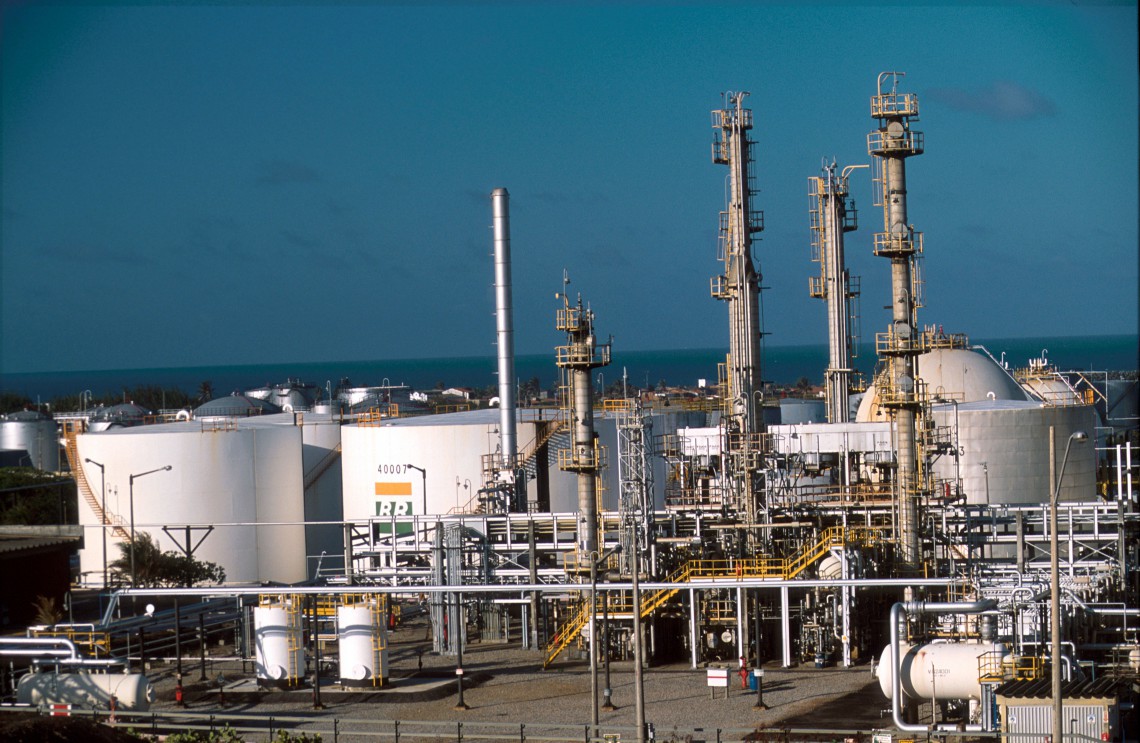
The Setback In The Disinvestment Process Of Subsidiary PBio Sparks New Discussions About The Reactivation Of The Quixadá Plant In Ceará. Petrobras Plans To Make Investments In The Biofuels Sector To Take Advantage Of The High Potential Of The State.
Starting the week with an eye on the future of the national energy market, Petrobras is backtracking on its disinvestment plan for Petrobras Biocombustíveis (PBio). The decision may lead to the reactivation of the Quixadá Plant, to take advantage of the high biodiesel production potential in the Ceará region. The state-owned company is preparing for future investments in renewable alternatives for the national energy market.
Reactivation Of The Quixadá Plant Becomes Increasingly Likely With Backtracking In Petrobras’s Disinvestment Project In Subsidiary PBio
With the new presidency of Jean Paul Prates at Petrobras, the oil company is getting closer to the Lula Government to promote investments in state assets in the national market.
This way, it has been backtracking on the disinvestment plan for subsidiary PBio, which could become the company’s focus in the coming years for the biofuels market in the country.
-
Brazilian scientists are simultaneously advancing two research projects on clean hydrogen and driving solutions that could transform the energy matrix, enhance industrial competitiveness, and accelerate large-scale emission reduction targets.

-
Advancement in renewable energy: A R$ 150 million project launched by Petrobras and Finep aims to create state-of-the-art electrolyzers for green hydrogen, strengthening national research and preparing Brazil to compete in a billion-dollar energy market.
-
Illiterate or semi-literate grandmothers were trained to repair solar systems, open rural workshops, and light up homes that still depended on kerosene.
-
US$ 7 billion, green hydrogen, and steel with up to 95% less CO₂: the first green steel plant on the planet emerges in Sweden and targets Brazil as the next chapter





Thus, the reactivation of the Quixadá Plant, located in the state of Ceará, becomes increasingly likely, bringing great benefits to the northeastern state.
The information about the possible plan for biofuels was published by Estadão/Broadcast.
Bruno Iughetti, a consultant in the oil and gas sector, highlighted that the company’s decision will be very positive for the biofuels market in the country, as it will attract strong investments.
Furthermore, the reactivation of the Quixadá Plant will bring to the state of Ceará a new entrepreneurial outlook, as well as new job opportunities for the local residents.
“I find this position extremely delicate, but extremely positive, because Petrobras, in addition to being an oil company, can be an energy company. It should invest in oil basins and in biofuels,” commented Bruno.
The specialist noted that Petrobras should not be seen solely as an oil and natural gas company, but as a state asset focused on energy.
Thus, investments in the biofuels sector with PBio become increasingly necessary in the context of energy transition in the country.
Reactivation Of The Quixadá Plant With PBio’s Investments Can Boost Ceará’s Economy With New Job Opportunities
In addition to the direct impact on investments in the biofuels sector in Ceará with the reactivation of the Quixadá Plant, Petrobras’s decision may bring other significant benefits to the state.
Expedito Parente Júnior, a biofuels specialist and infrastructure director at Adece (Ceará State Development Agency), highlighted job creation as the main benefit.
Additionally, he recalled that PBio’s operations in the renewable fuel sector in the region may lead to significant government tax revenues.
The Quixadá Plant could also pave the way for even larger ventures in the sector throughout the Northeast.
“The local impact would be substantial, especially since I have seen units being relaunched, and the local impact is enormous, in addition to providing biodiesel and focusing on energy transition,” emphasized the Adece specialist.
With the backtracking in the privatization process of PBio and the possibility of reactivating the Quixadá Plant, Petrobras is preparing for a new phase in investments in biofuels in the country.






Be the first to react!