






 Portuguese


Environmental inspection found an artesian well being drilled on a rural property in Três Arroios, in northern Rio Grande do Sul, at a depth of about 6 meters and a diameter of 48 millimeters; without presented authorization, work was immediately halted and the machine used was seized by military police.
An artesian well being drilled on a rural property in Três Arroios, northern Rio Grande do Sul, had drilling interrupted after police found that no prior authorization or regularization documentation had been presented for the activity. The excavation had already reached approximately six meters deep when the inspection took place. No water had been found yet, but drilling was halted, and the machine used for the work was seized, stopping progress before the completion of the structure intended to supply the property.
The incident was recorded on Monday, August 10, 2026, during an environmental inspection action in the interior of Três Arroios. The information was disclosed by Studio TV based on Social Communication from the 3rd Environmental Battalion of the Military Brigade (3rd BPAmb). According to the official report reproduced by the publication, the owner claimed he had hired a service provider for the drilling and intended to use the water for personal consumption and to provide water for the animals in the area. The irregularity pointed out by the inspection was the absence of the required authorization and documentation to carry out the activity.
Inspection Found Well Being Drilled Without Presented Authorization
The action took place while the drilling was still underway. According to information provided by the 3rd BPAmb, military police found a structure intended for the installation of a small-diameter tubular well, described in the report as an artesian well. The excavation was approximately six meters deep and 48 millimeters in diameter. During the inspection, the individuals responsible did not present prior authorization or regularization documents issued by the competent authority to allow the continuation of the work.
-
It’s Time to Check Your Laundry Products: Anvisa Bans 12 Items Sold Without Sanitary Registration, Including Bleaches, Stain Removers, and Various Brands of Sodium Percarbonate

-
Gigantic 8-Ton, 24-Meter Structure Travels 1,400 km on a Trailer to Goiás, Where It Will Be Hoisted on a Pedestal to Become a 35-Meter Statue of Liberty in Front of Havan’s $100 Million Megastore

-
At 43, Sandy Comes Under Scientific Scrutiny: Unicamp Study Explores Her Songs and Collaborations with Tiago Iorc, Lucas Lima, and Xororó
-
Company Discovers French Shipwreck with Bronze Cannons Near Florida, Loses Legal Battle for Control to France


This lack of documentation led the police to take precautionary administrative measures. The drilling was halted, and work had to be immediately suspended, contingent upon regularization with the responsible agencies. The source does not provide details on when the service had started, what the planned depth for the well would be, or which company or contractor had been hired to carry out the drilling. There is also no indication that the structure was being used for water extraction, as water had yet to be reached at the time of the inspection.
Excavation Reached About 6 Meters Before Water Was Found
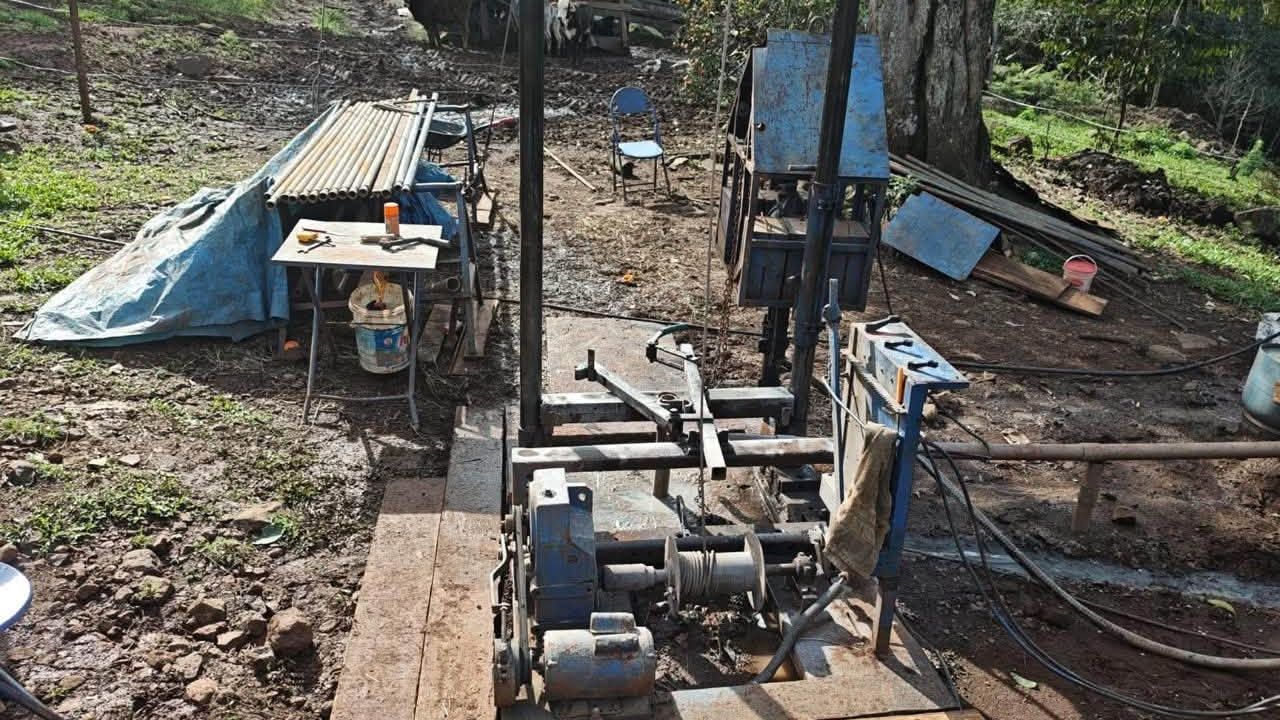
When the agents arrived at the property, the artesian well was still in the drilling phase. The structure had reached approximately six meters, but according to the released record, no water points had been found up to that moment. This detail is relevant because it shows that the intervention occurred before the effective start of groundwater capture. The inspection therefore halted operations while the machine was still advancing across the land in search of the water resource.
The reported diameter was approximately 48 millimeters, a characteristic that led the official record to describe the structure as a small-diameter tubular well. The source does not detail which specific equipment was being used, its drilling capacity, or the depth required to reach the aquifer. There is also no information that the well was subsequently completed or regularized, meaning that the confirmed fact is limited to the stage at which the activity was caught and halted on August 10.
Water Would Be Used for Personal Consumption and Animal Care
When questioned by the police, the owner stated that he had hired a service provider to carry out the work. According to his declaration recorded during the inspection, the intention was to use the water obtained from the artesian well for personal consumption and to hydrate the animals on the rural property. The source does not specify how many people would be served, which species, or how many animals depended on that supply, nor does it mention if there was another water source available in the area.
The specific purpose of the well, however, did not eliminate the need for documentation for drilling. According to materials released by the 3rd Environmental Police Battalion, no prior authorization or regularization issued by the competent authority was presented at the time of the approach. It was this documentation situation, rather than any potential commercial use of the water, that justified the reported embargo by the inspection. The publication also does not inform whether the owner or the service provider received a fine, so it is impossible to attribute any penalty value to the case.
Machine Used in Drilling Was Seized Following Work Suspension
In addition to the interruption of the activity, the military police seized the machine that was being used to drill the artesian well. The seizure occurred along with the determination to immediately suspend the service, as part of the measures adopted in response to the identified irregularity. The equipment was no longer available for the continued drilling at that moment, while the situation needed to be regularized with the responsible authorities.
The source does not identify the model, owner, value, or technical specifications of the seized machine. It also does not specify how long the equipment would be retained or set any specific conditions for a potential restitution. Thus, any conclusion about the future destination of the machine would exceed what was officially disclosed. The confirmed information is that the equipment used for the excavation was seized by military police after it was found that the required authorization for the service was not presented.
Regulation is required for water resource extraction activities
In the statement reproduced by Studio TV, the 3rd Environmental Battalion emphasized that the extraction and use of water resources are subject to environmental legislation and specific natural resource management regulations. According to the agency, these activities need to be regulated with the competent authorities. In the case of Três Arroios, the absence of this documentation was identified even during the opening of the well, before the drilling reached water.
The official communication itself links regulation to environmental protection, conservation of aquifers, and sustainable water use. However, the material does not specify which specific authorization should have been presented in that case, which agency would be responsible for issuing it, or what procedures the owner would have needed to follow to obtain regulation. Therefore, the incident does not allow for the conclusion that all rural wells are subject to exactly the same procedures, only that the activity observed in Três Arroios was being executed without the documentation that the enforcement deemed necessary.
Well was interrupted before fulfilling its intended purpose on the property
The episode concluded with a rather straightforward situation: a drilling of approximately six meters, aimed at finding water for the owner and animals, did not reach the extraction stage. Before water was found, the inspection discovered the absence of the required authorization, imposed a stop order, and seized the machine used for the excavation. Until the information about the incident was released, there was no confirmation of the resumption of work or the completion of the artesian well.
The case also highlights a step that may precede the actual obtaining of water: the necessary regulation to carry out the activity. The source does not mention any fines or outcomes but confirms that the construction was halted precisely because of the missing documentation at the time of the inspection. And you, did you imagine that a drilling without water found could be embargoed and have the machine seized due to a lack of authorization? Did the requirement surprise you or do you consider this control necessary to protect water resources? Leave your opinion in the comments.


