





 Portuguese
  English
  Spanish
  3 min of reading


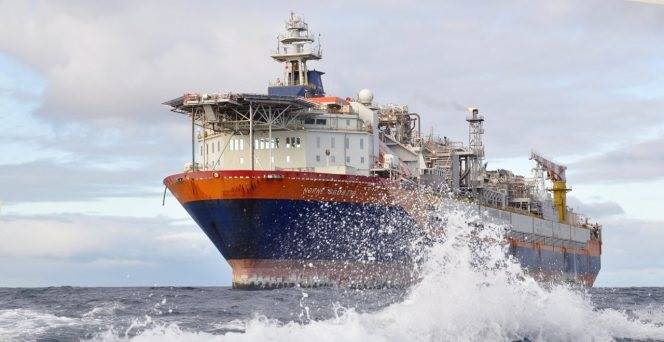
The Norwegian Oil Company Equinor Struck Oil at the Cape Vulture Discovery Appraisal Well. The Well, Located in the Norwegian Sea, Drilled by the Songa Encourage Rig, Confirms a Potential Volume of 50-70 Million Barrels of Recoverable Oil.
According to Equinor, the discovery more than doubles the remaining oil reserves to be produced at the Norne field. “Originally slated for decommissioning in 2014, Norne’s productive life has already been extended to 2036, which will generate substantial spin-offs. This discovery will increase production in the coming years. Additional maturation of field development has the potential for additional recoverable reserves from Cape Vulture,” said Equinor.
“We are very pleased to have proven and assessed a substantial new oil discovery off the coast of Nordland. The appraisal well confirms a new piece in the Nordland Ridge, in the Norwegian Sea,” says Nick Ashton, Senior Vice President of Equinor, Exploration, Norway, and the UK.
“The discovery demonstrates the importance of our new exploration strategy. We intend to adopt new approaches and experiment with new and untested ideas to unlock the remaining commercial resources on the Norwegian Continental Shelf (NCS). This aligns with Equinor’s updated roadmap for the NCS, which aims to ensure activity for many decades to come,” Ashton states.
-
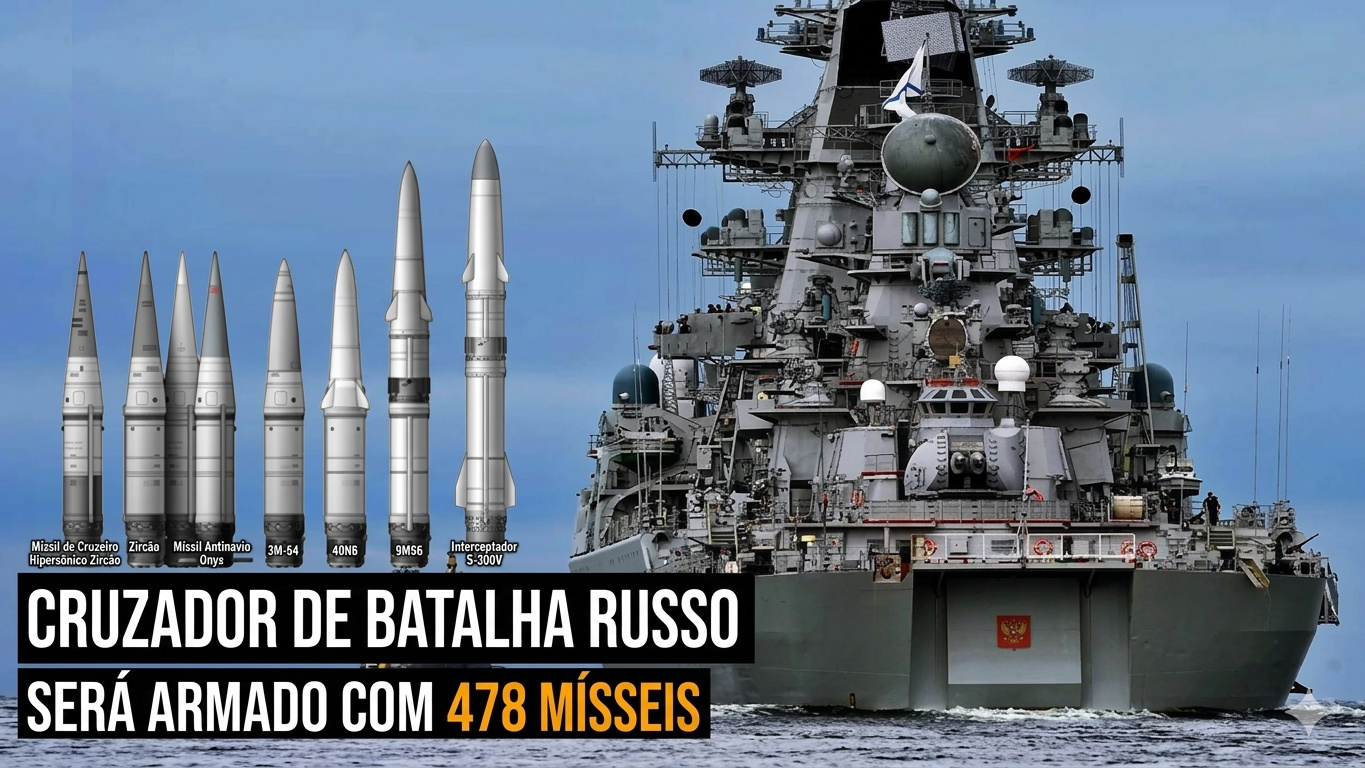
Russia spent $5 billion and 28 years modernizing a nuclear warship that had been inactive since 1997. The Admiral Nakhimov returned to the sea in August 2025 as the heaviest surface combat ship in the world, with 176 missile launchers, including hypersonic Zircon missiles.
-
James Webb finds 300 galaxies with mysterious scars, and this discovery may show that the universe was born much more violently than astronomers had imagined.

-
Haiti’s capital is experiencing an energy and construction crisis, facing blackouts, a blocked port, and buildings at risk after years of instability and a significant earthquake.

-
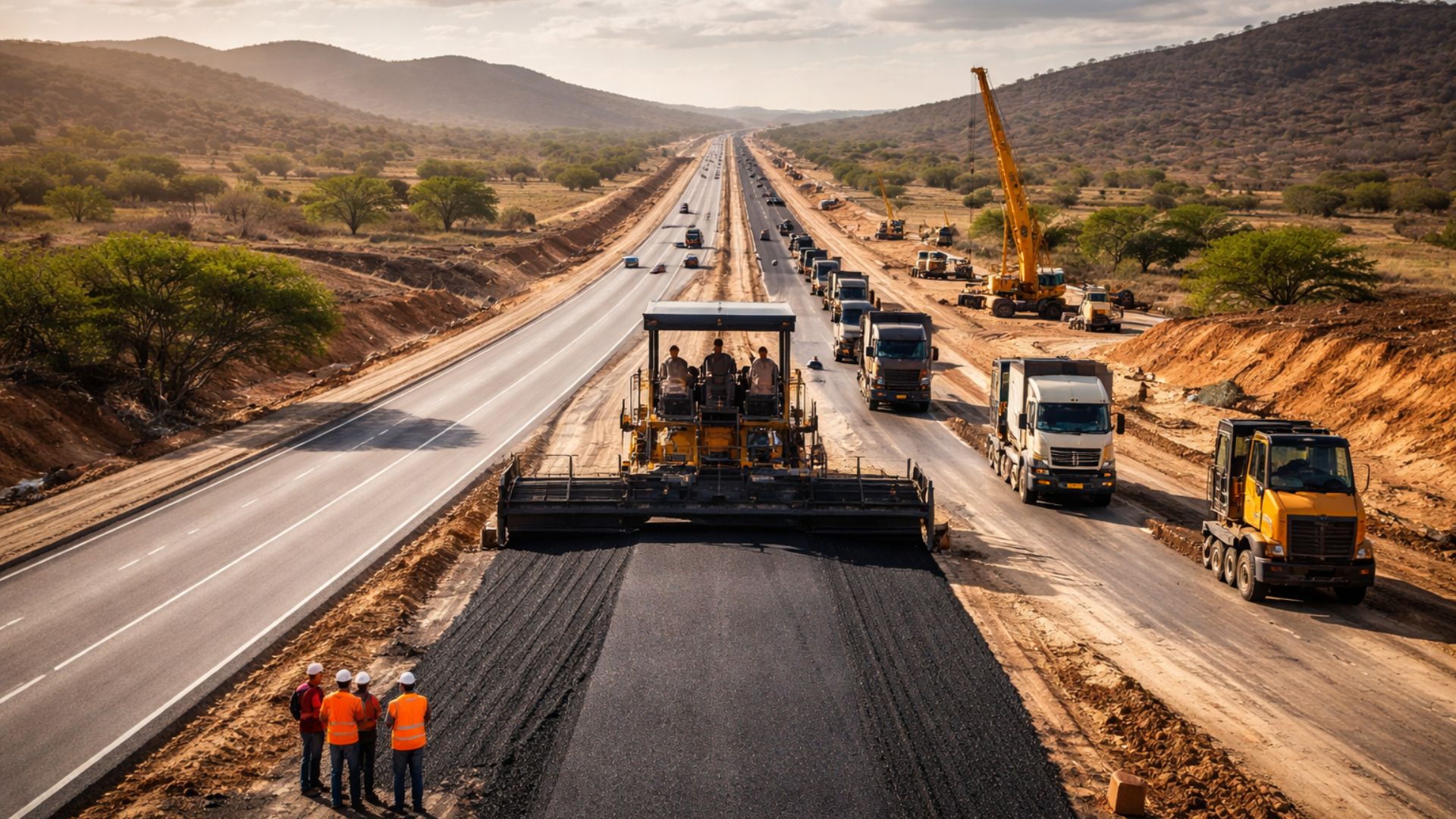
Government unlocks R$ 554 million for a highway that has been requested for decades and accelerates the duplication of BR.
More Potential Around Norne
“The Cape Vulture discovery also opens up additional opportunities in the area. As an immediate consequence, next year we will drill a well on a similar prospect in the Nordland Ridge region. We are also maturing other opportunities for the coming years that may substantially help increase reserves around the Norne field,” Ashton adds.
The appraisal of the Cape Vulture discovery is now very likely complete, Equinor said on Tuesday. The partnership in the Norne license will advance the discovery toward a development decision. The discovery demonstrates that considerable resources can still be recovered through the existing infrastructure in the NCS, the oil company added.
Siri Espedal Kindem, Senior Vice President of Equinor, Operations North, states: “New data and creative exploration ideas generate resources, new revenues for society, and important jobs in Northern Norway. The Cape Vulture came as a gift in early 2017, confirming that subsurface secrets are still to be unlocked in the Norne area.”
“Our exploration team has been examining the area for over 40 years and still are deciphering codes.”

Norne was the first development field outside Nordland, coming online in 1997. The remaining recoverable oil reserves in the fields producing through the Norne FPSO (besides the Norne field, these include Alve, Urd, Skuld, and Marulk) are currently estimated at approximately 40 million barrels. There are also recoverable gas reserves corresponding to about 80 million barrels of oil equivalent still present in these five fields, according to Equinor.
The Cape Vulture discovery is located 7 km northwest of the production vessel in the Norne field.
“Even in an early phase of development planning, this discovery will more than double the oil resources produced by Norne’s infrastructure by 2036, which we are very pleased to see. This is a great day for the Norwegian Sea and for the industry in Northern Norway,” Kindem adds.
“Exploration results like Cape Vulture are essential for Equinor. We will explore this type of resources in the coming years. Discoveries like this will be key to supporting our ambition of extending the life of the existing infrastructure,” says Nick Ashton.
Exploration drilling at the Cape Vulture well (6608/10-17S) began in early December 2016. The appraisal well drilling, including side tracks (6608/10-18, 6608/10-18B, and 6608/10-18C), started in mid-July 2017. The wells were drilled in production license 128, resulting from production license 128D awarded in the APA round (Award in Predefined Areas) in 2015. The Cape Vulture appraisal well was drilled by the Songa Encourage rig.







Seja o primeiro a reagir!