





 English
  Francês
  Alemão
  Italiano
  Japonês
  Norueguês
  Portuguese
  Spanish
  3 min of reading


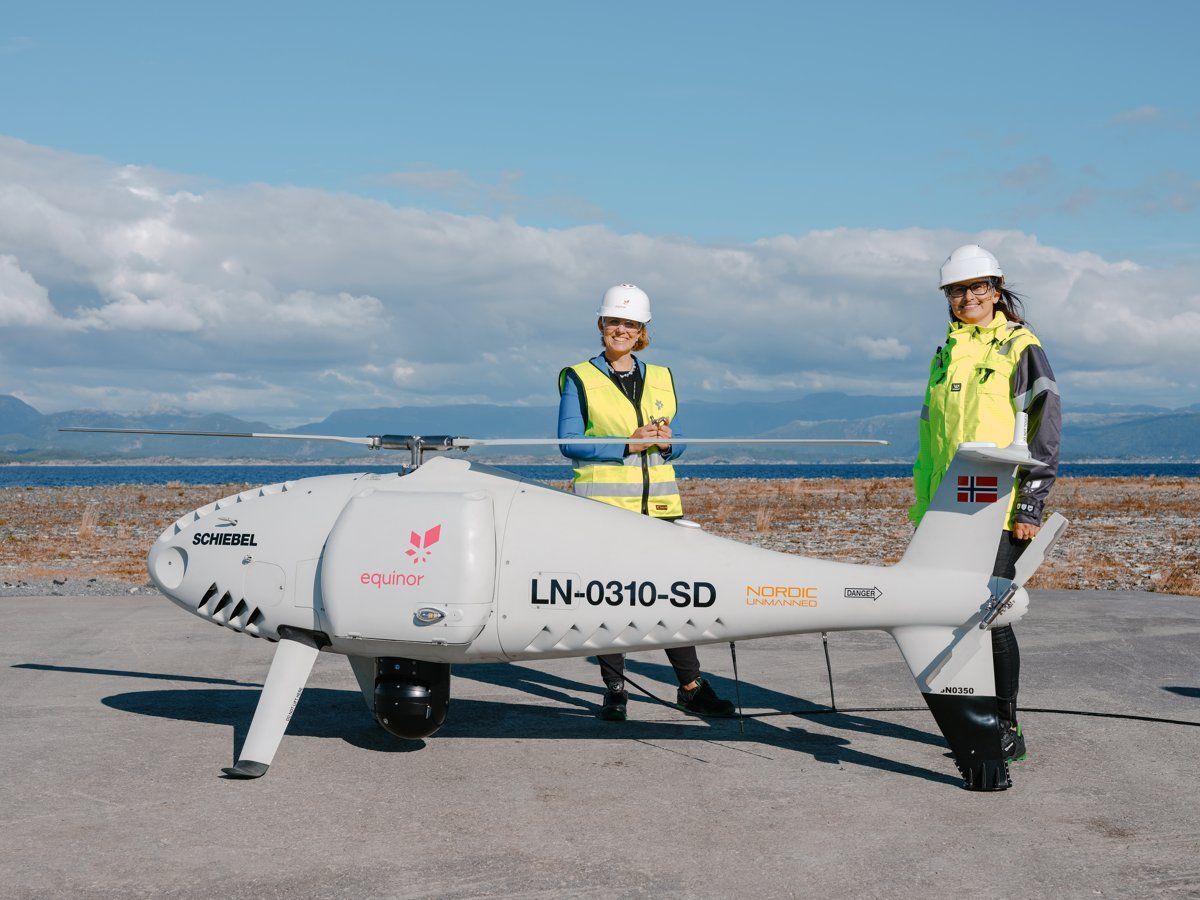
Equinor Achieved a “World First” with the Use of a Drone to Deliver Parts of the Offshore Lifeboat System, in What Could Signal Future Logistics Operations in the North Sea
Equinor conducted a 50-mile drone flight from Mongstad, Norway, to the Troll A offshore field in a test that could transform how we operate, both below and above the sea surface.
Read Also
- For the First Time in Brazil, a Drone is Used for Confined Space Inspection on a Petrobras Platform
- A Drone for Monitoring and Security of the Amazon, Oil Platforms, and Brazilian Borders has Just Been Built
- Repsol Brasil Develops Innovative Project to Monitor Oceans and Offshore Fields
About the Drone Used by Equinor
The drone used by Equinor was made by Schiebel and traveled at 5,000 feet during a one-hour flight, “the first in the world of its kind, where a real offshore cargo operation was conducted over a long distance to an operational offshore facility.” A similar operation was conducted in May over a shorter distance at the port of Rotterdam to the construction vessel Pioneering Spirit.
Improved use of drone equipment has been identified as one of the next steps in the decarbonization of the oil and gas sector, reducing the need for helicopters and other cargo transport that produce emissions.
-
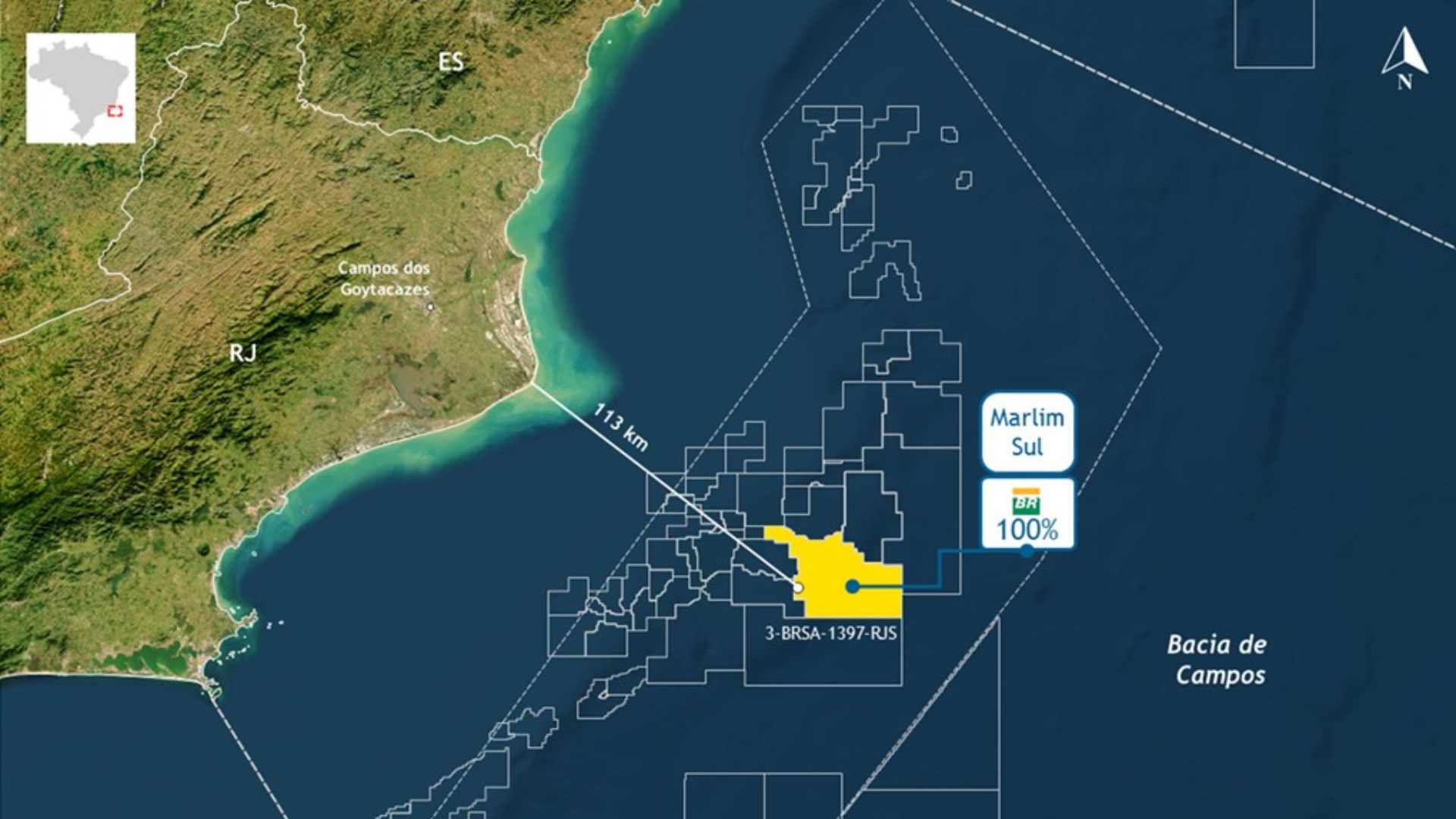
Petrobras finds high-quality oil in the pre-salt at 113 km from RJ and reignites expectations about strategic reserves in the Campos Basin.

-
Ocyan opens registrations for startups focused on innovation in the oil and gas sector and will select projects for Innovation Day with the support of Nexio.

-
Petrobras announces new oil discovery in the pre-salt of the Campos Basin and reinforces Brazil’s prominence with high-quality reserves that can increase production and energy revenues.
-
Alert in the fuel market: Analysts and a former director of ANP warn that oil prices may worsen in the coming months due to global instability.


Arne Nylund, Executive Vice President of Equinor for Development and Production in Norway, stated: “Drones can enhance safety, increase production efficiency, and help reduce CO2 emissions from Norwegian oil and gas.”
“Drones will also play a role as we shape new energy solutions on the Norwegian continental shelf.”
The Camcopter S-100 Model Used by Equinor Has a Cruise Speed of About 93 Miles Per Hour, Capable of Carrying a Payload of Up to 50 Kg


Drones have not yet been used in the UK sector for equipment delivery, although they are already widely used for tasks such as maintenance inspections and methane emissions monitoring.
The Civil Aviation Authority (CAA) is currently working on an “innovation sandbox” project with companies such as Total, FlyLogix, and the Oil and Gas Technology Center to test and prove that drones can be more widely used in open airspace like offshore platforms.
FlyLogix, which last year sent a remotely controlled airplane on a round trip of 115 miles to BP’s Clair platform west of Shetland for methane monitoring, stated that the project is key to unlocking the benefits of drones in the sector.
Earlier this month, Equinor stated that success in this area could mean mobilizing drones much more quickly for tasks such as equipment movement, “search” operations in search and rescue, among other applications in the offshore oil and gas industry.









Seja o primeiro a reagir!