





 Portuguese
  English
  Spanish
  5 min of reading
  0 comments


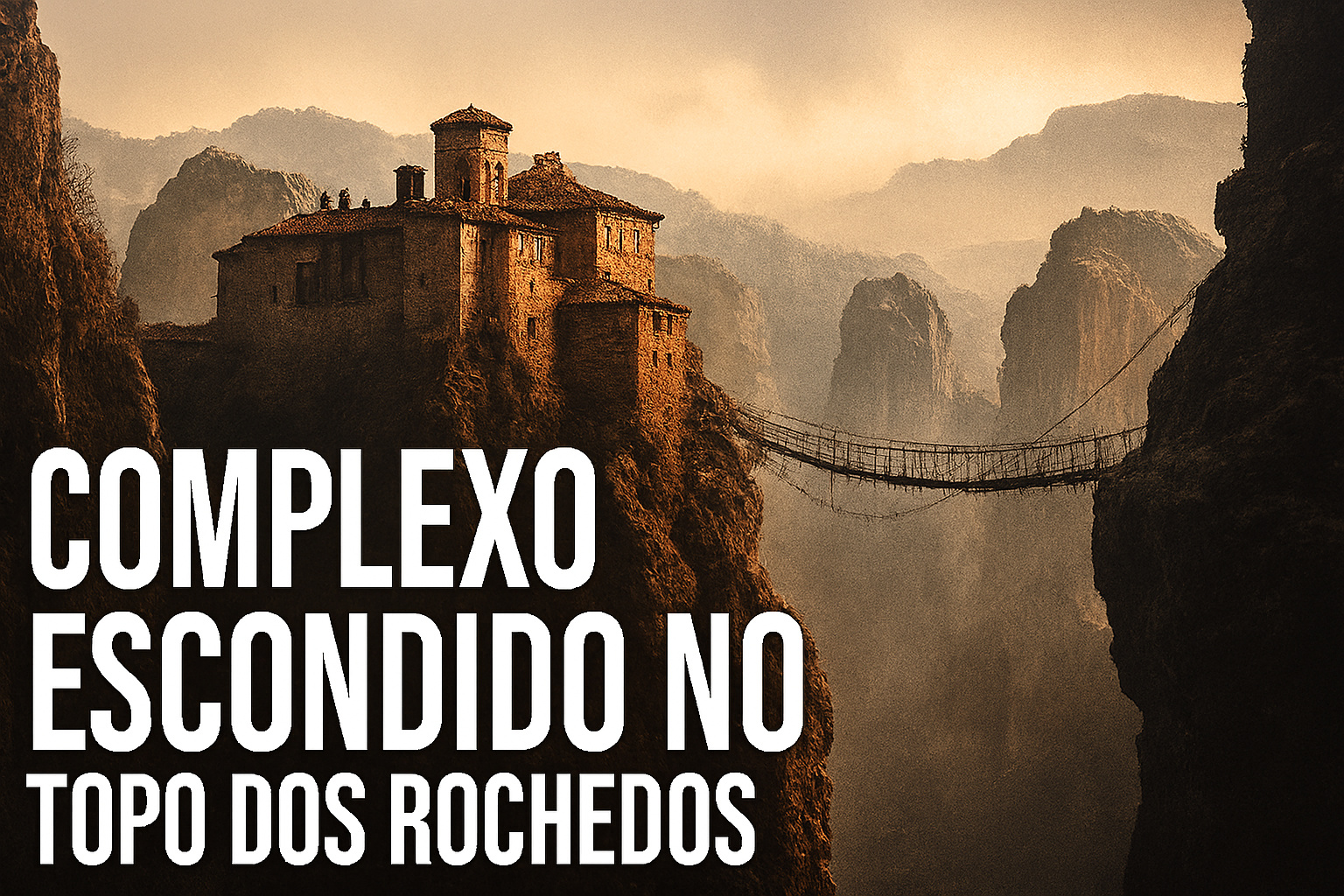
Monasteries Built 300 Meters High Reveal Secular Isolation, Impossible Architecture, and One of the Most Impressive Scenarios in the World.
Between the narrow valleys and massive mountains of the Thessaly region in mainland Greece stands one of the most unlikely inhabited locations in human history. On top of cliffs reaching 300 meters high, formed millions of years ago by geological processes that pushed blocks of sandstone vertically, a complex of monasteries was almost impossibly constructed, defying the logic of ancient engineering. Today, the site is recognized by UNESCO as a World Heritage Site, but for centuries it remained isolated, inaccessible, and practically unknown to the outside world.
What surprises researchers and visitors is that between the 14th and 16th centuries, men managed to transform a natural rock wall into a suspended religious center. Without roads, machines, modern technology, and advanced means of transportation, ascetic monks decided to live on that unreachable peak to escape the wars, invasions, and conflicts ravaging the Byzantine Empire. To reach the heights, they used ropes, nets, and wooden ladders hung directly in the void, which needed to be constantly replaced due to wear from the wind and cold.
Ancestral Architecture Suspended Over Cliffs
The complex, now known to the world as Meteora, impresses precisely because its architecture should not exist. Building stone structures on nearly vertical natural towers requires techniques that medieval architects should not have mastered, yet they did.
-
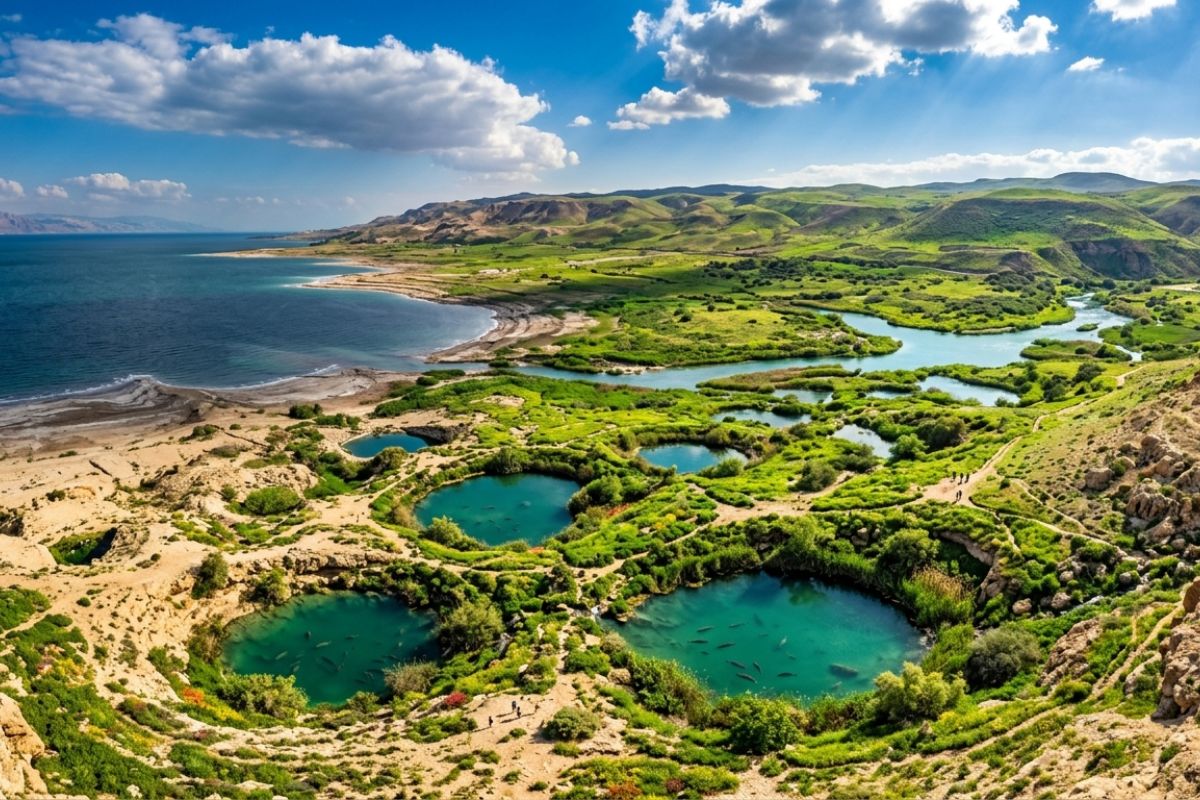
The Judean Desert flourishes alongside the Dead Sea, craters turn into freshwater lagoons with fish, and satellite images show Israel greener, raising debate about biblical prophecies in the world.
-
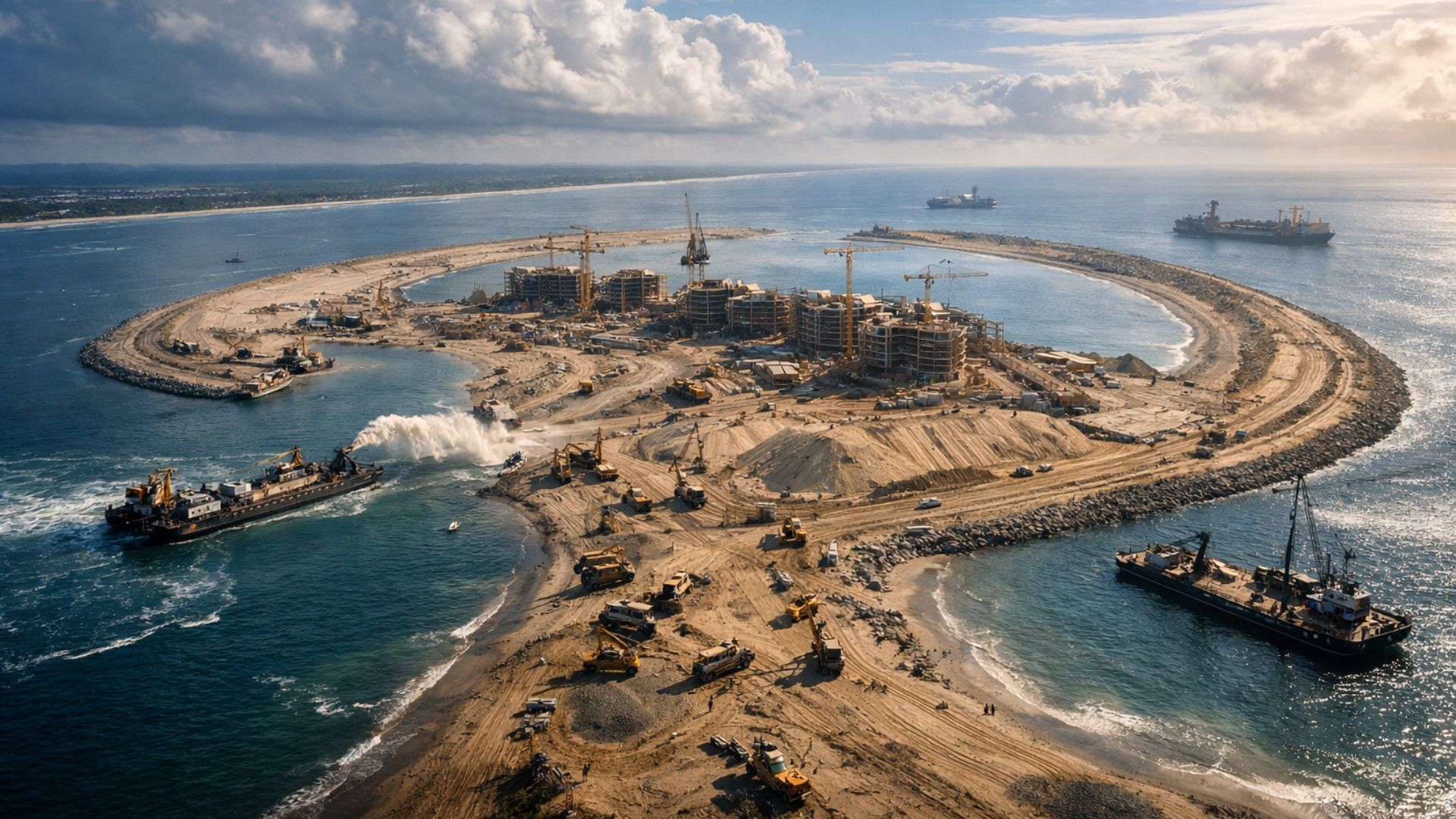
‘Artificial island of Dubai in Brazil’: construction of R$ 65 million inspired by a mega maritime structure, plans for complete urbanization, duplication of 2.2 km of a strategic road, and delivery in 2026, but is ultimately halted by Fepam.
-
The generation that grew up alone at home in the 80s reveals how an unsupervised childhood shaped adults with high adaptability, resilience, and emotional control, according to scientific studies that indicate a significant increase in tolerance for uncertainty.
-
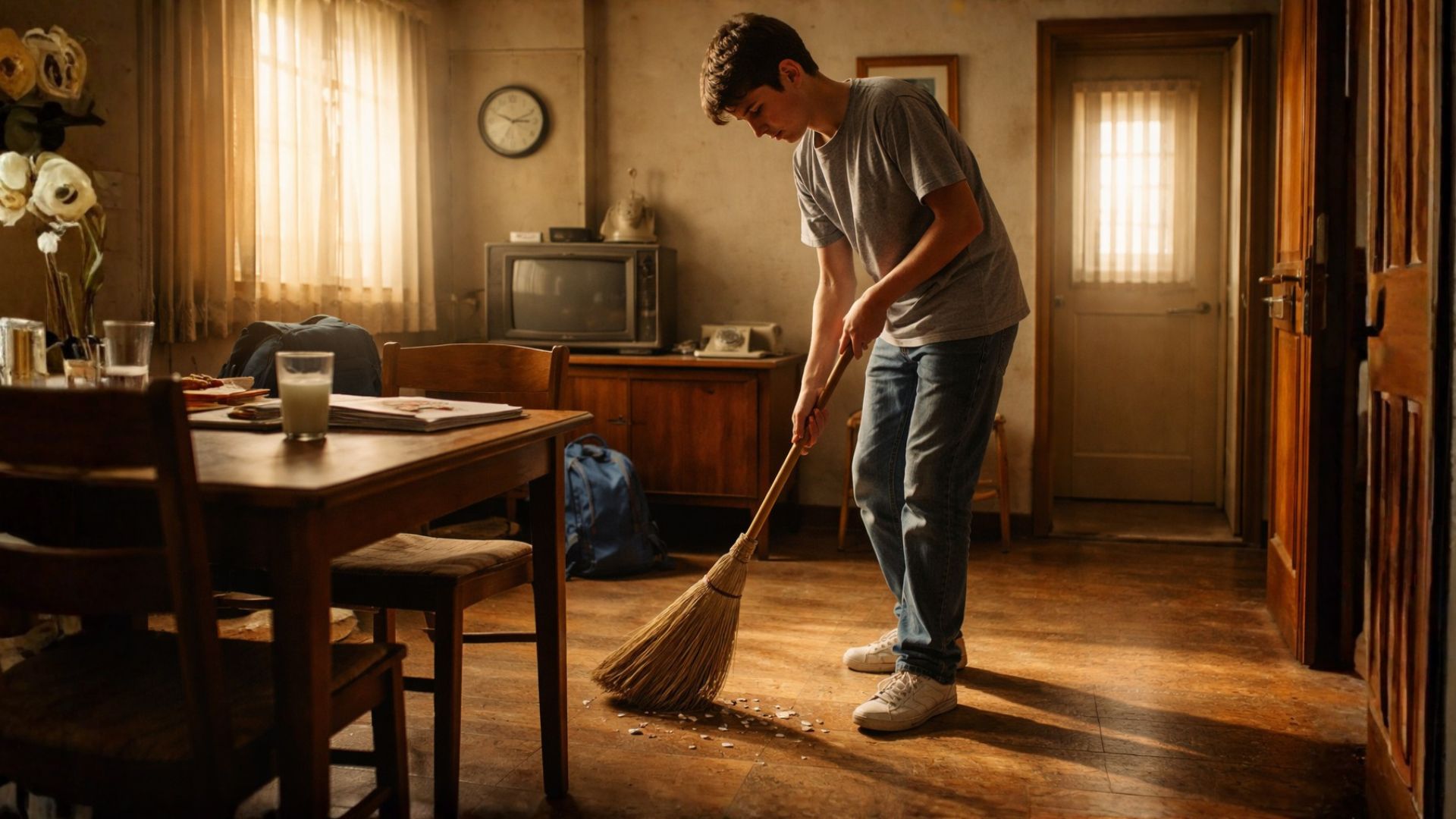
Adolescents who regularly participate in household tasks develop up to 40% more sense of self-efficacy, according to studies in psychology, impacting autonomy, academic performance, emotional health, and the ability to cope with challenges in adulthood.

The blocks were slowly hoisted by thick ropes in a process that could take weeks to elevate just a few meters.
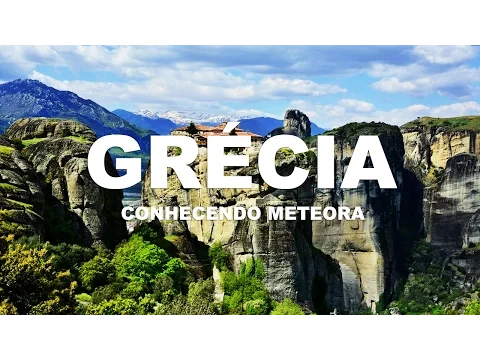

The first monasteries consisted of small rooms, prayer areas, storage, and individual chambers carved into the sandstone itself. Over time, new constructions were erected, expanding the complex to more than twenty independent structures over the centuries.
Today, six remain inhabited and preserved, some with frescoes dating back to the 15th century that have remained intact thanks to the natural isolation provided by the cliffs.
The absence of direct access to the ground preserved the site from wars, destruction, and looting, ensuring that a significant part of Orthodox Christian history was kept safe for centuries. Documents, books, manuscripts, and liturgical objects were stored at the top of the rocks, where no army could ascend without being seen from miles away.
Walkways, Ropes, and Ladders: The Extreme Access Challenge
Until the early 20th century, reaching the top of the cliffs was a task that required courage and physical endurance. The monks primarily used three methods of access:
- Inclined wooden ladders in the abyss, tied to small rock crevices.
- Hand-braided ropes that were thrown from the top to hoist supplies and people.
- Suspended nets, where travelers and residents were placed and hoisted as if they were cargo.
The system was so precarious that 19th-century travelers reported that the monks would replace the ropes “only when God demonstrated they were too old,” a phrase that became famous. As risky as it seemed, it was this isolation that protected the site from Ottoman advances, medieval wars, and common pillaging during Late Antiquity.
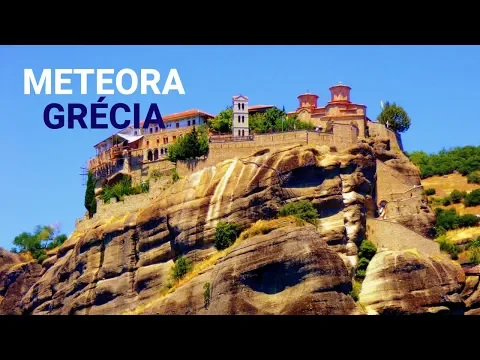
Only after the 1920s did stone stairs begin to be carved directly into the rock, allowing for less risky access, though still physically demanding.
Even today, climbing the staircases is an intense experience: there are dozens of meters at steep angles, with views revealing the extent of the abyss that separates each monastery from the valley.
The Geology That Shaped an Impossible Scenario
The formation of the Meteora cliffs is a geological spectacle in its own right. Studies indicate that, about 60 million years ago, the region was covered by a large river delta. Over time, tectonic movements elevated vertical blocks of sandstone and conglomerates, creating natural pillars that reach up to 550 meters high in some places.
The combination of wind erosion, rainfall, and temperature variations caused the cliffs to assume almost perfect cylindrical shapes, resembling colossal towers sculpted by nature.
Their smooth, vertical surface offers few support areas, making any attempt at climbing difficult and rendering the top inaccessible by natural means, exactly what attracted hermit monks seeking absolute isolation.
Geology, therefore, not only shaped the landscape but also determined the human history of that place. Without those rock formations, the monasteries would never have been built. And without the monasteries, the region might have been just an intriguing geographical accident rather than one of the most impressive architectural ensembles in the world.
Centuries of Total Isolation and a Life Dedicated to Silence
The monks who lived atop the formations sought a life of silence and contemplation. The altitude, constant wind, intense cold in winter, and lack of paths made the place ideal for hermit living.
For much of medieval history, only a select few could access the top. Visitors were welcomed with strict rules of silence, and ascending through the nets required nerves of steel.
The isolation also preserved gastronomic traditions, religious rituals, painting and writing techniques, and practices of self-sufficiency that endure to this day. At certain times, the communities were completely independent, storing rainwater, cultivating small areas, and living in a manner almost entirely detached from nearby villages.
The Transition from Inaccessible to Iconic
From the early decades of the 20th century, the site began to be explored by scholars, geologists, and photographers. International fame consolidated in the 1970s when the site became the backdrop for films and documentaries.
In 1988, UNESCO officially recognized it as a World Heritage Site, highlighting its importance both architecturally and geologically.
Today, even with modernized access, the sense of isolation remains. Visitors face steep paths, narrow corridors, suspended balconies, and viewpoints where the horizon seems to open in all directions. Many describe the experience as standing before an impossible scenario, where the boundary between human and natural work blurs.
Monastic life continues in some monasteries, keeping alive a millennia-old tradition. Although part of the complex now receives tourists, entire areas remain restricted, preserving the silence that shaped the identity of the place.
What Makes This Place Attract So Much Worldwide Interest
The suspended complex impresses for three main reasons:
Geological Grandeur: natural towers that defy logic, rising up to 300 meters high.
Improbable Human Capability: medieval constructions built in locations where it would be difficult even to install modern scaffolding.
Extreme Isolation History: centuries living above the world, accessible only by nets and rope ladders.
This combination of spectacular geology, impossible architecture, and secular isolation makes the site one of the most extraordinary scenarios on the planet, blending mystery, grandeur, and natural beauty into a single landscape.







Seja o primeiro a reagir!