





 Portuguese
  English
  Spanish
  4 min of reading
  0 comments


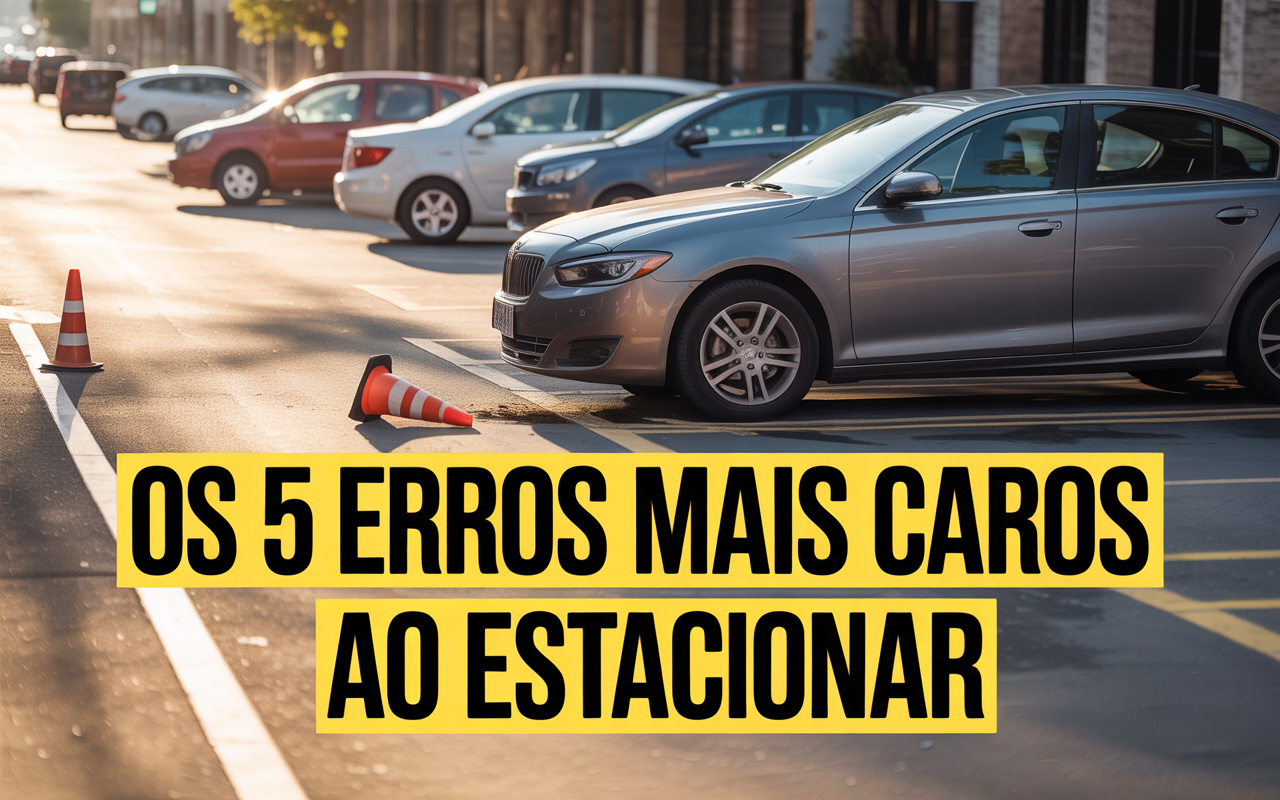
Turning the Wheel to the End, Touching the Curb, and Parking on Hills in “P” Are Among the 5 Mistakes That Destroy Transmission, Brakes, and Steering — and Cause Losses of Up to R$ 5 Thousand in Repairs.
Parking the car seems like a simple task, but small incorrect habits practiced every day can cause serious damage to the transmission, brake, and steering systems, leading to losses of up to R$ 5 thousand in repairs. According to specialized workshops and manufacturers like ZF, TRW, and Nakata, a significant portion of failures in transmission and power steering components is a direct consequence of wrong maneuvers and habits that drivers repeat without noticing. Below, experts list five common parking mistakes that silently destroy the car — and explain how to avoid them.
1. Turning the Wheel to the End and Leaving It Locked
This is one of the most harmful habits for the steering system. When the driver turns the wheel to the end of the travel and keeps the steering locked — especially with the car off — the hydraulic pump (or electric motor in electric systems) continues trying to apply pressure, which increases the effort on the rack and steering joints.
Over time, this causes leaks, squeaks, and wear on the protective boots, as well as stressing the hydraulic fluid hoses. According to TRW Automotive, the ideal is to never turn the wheel to the stop; stop a quarter turn before, relieving pressure on the system.
-
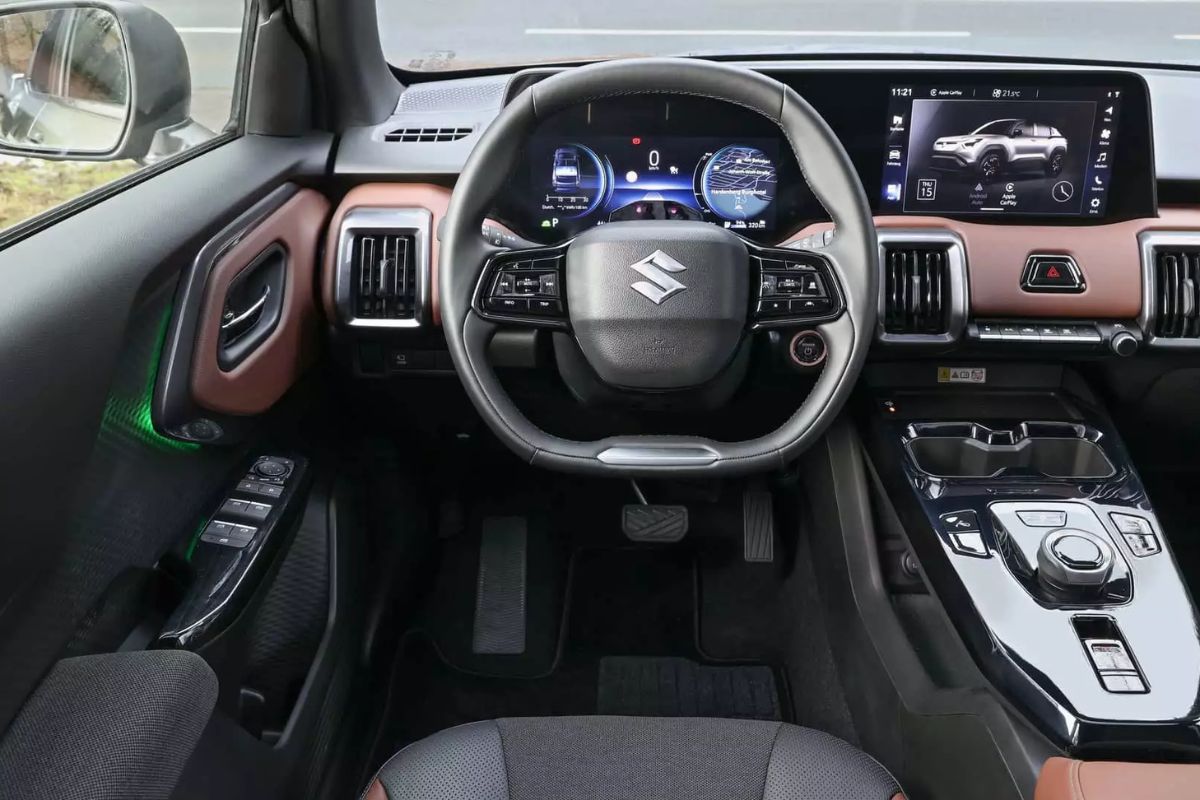
The 2026 electric Vitara arrives in Brazil and proves that Suzuki is not leaving: 4×4 traction, 184 hp, 61 kWh LFP battery, 293 km range, R$ 259,000, and a trunk capacity of 224 L.
-
Hyundai has unveiled the Boulder, a square SUV with a body-on-frame design, 37-inch mud tires, and carriage-style doors that seems to be made to take on the Ford Bronco and the Scout Traveller in the United States.

-
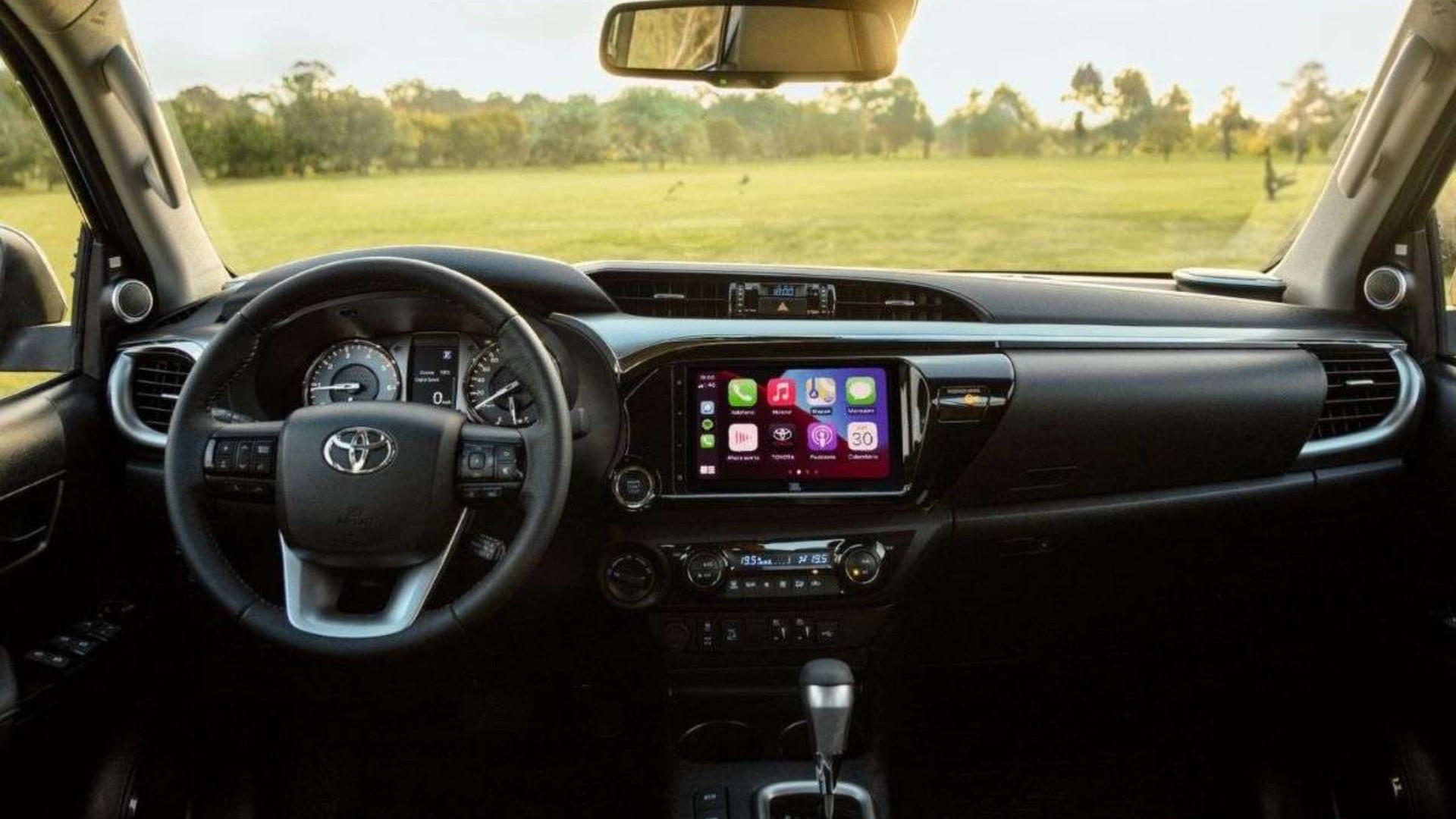
The Toyota Hilux is R$ 75.5 thousand cheaper and bets on the 2.8 turbodiesel engine with up to 204 hp and 50.9 kgfm to catch up with the VW Saveiro, which leads with 4,472 sales.
-
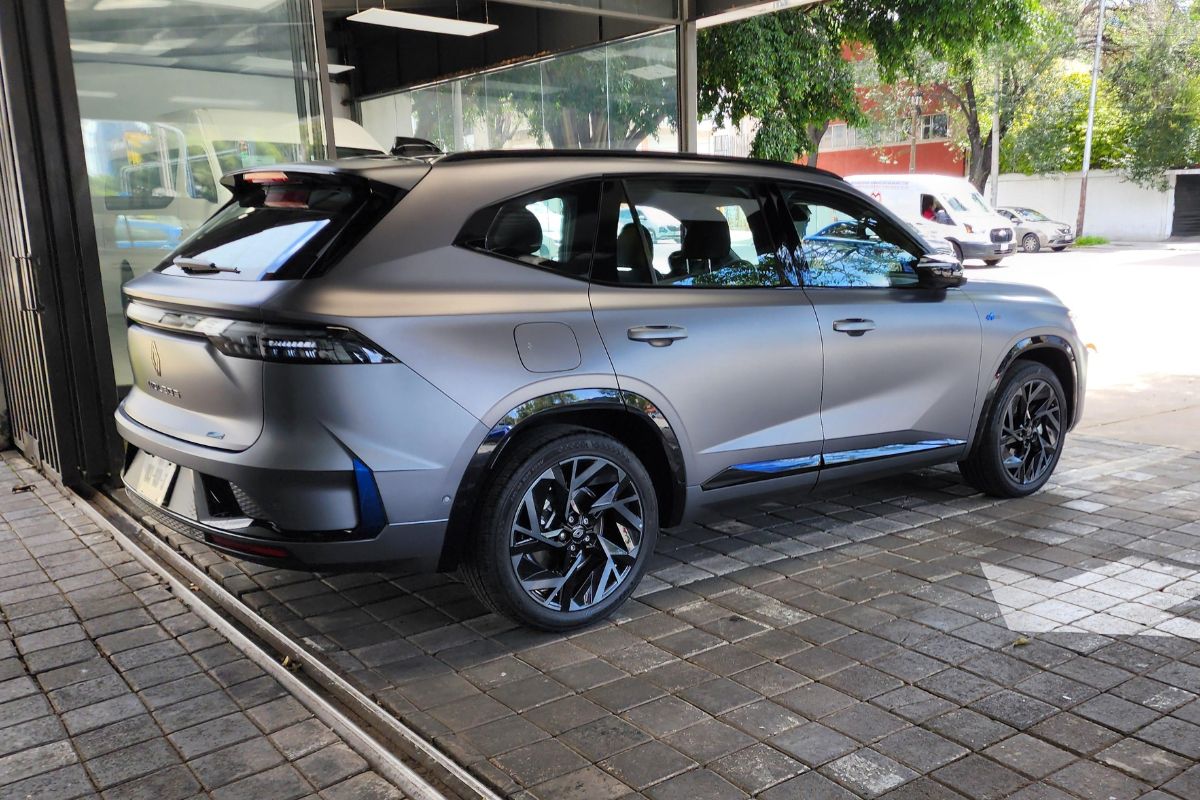
The new Renault Koleos has a screen exclusively for the passenger that is invisible to the driver, heated rear seats, and 29 assistance systems, but its Chinese competitors cost R$ 40,000 less and deliver more power.



In vehicles with electric steering, the risk is overheating of the assistance motor, which can temporarily shut down for safety — a clear sign that the system has been pushed beyond its limits.
2. Parking with the Wheels Touching the Curb
Many drivers believe that “touching the tire to the curb” is a sign of good maneuvering, but this habit creates invisible structural impacts. The direct contact between the wheel and the curb transfers force to the control arm, tie rod end, and wheel hub, causing misalignment and premature wear.
In more severe cases, the impact can even bend the rim, causing vibrations and loss of tire sealing. According to specialists at Nakata, the correct practice is to maintain a minimum distance of 5 to 10 centimeters from the curb when parking — enough to protect the components without compromising the road space.
3. Leaving the Car in Gear or in “D” Mode on Hills
In automatic vehicles, leaving the car parked on a hill in just “P” or “D” mode overloads the transmission lock, known as parking pawl. This small steel pin is responsible for locking the transmission shaft when the car is stopped, but it was not designed to support the total weight of the vehicle on an incline.
When the driver takes their foot off the brake without engaging the parking brake, all the load falls on this component, potentially locking or even breaking the mechanism.
The repair of a damaged parking pawl can exceed R$ 4 thousand, according to authorized workshops of ZF. Therefore, the correct procedure is to engage the handbrake (or electronic one) first and only then put the transmission in “P.”
In manual cars, it is best to engage first gear (on inclines) or reverse (on declines), always with the parking brake engaged.
4. Engaging the Handbrake with the Car Still in Motion
It seems obvious, but it is still a common mistake — especially in tight parking spots. When the driver pulls the handbrake with the car in slight motion, the cable and shoe system suffers an instant overload, and the friction generated can deform the brake discs or drums.
In modern electronic systems, this practice also overloads the electric actuators, which can get stuck. The parking brake should only be engaged after the vehicle has come to a complete stop. Additionally, it is important to release the handbrake completely before starting to move, as driving with it partially engaged generates overheating and accelerated wear of the pads.
5. Parking with the Car in Reverse Unnoticed
A mistake more common than one might think occurs when the driver parks on ramps and forgets the car in reverse. When restarting the vehicle and shifting into “D” (in automatics) or releasing the clutch (in manuals), the transmission suffers a jolt that stresses gears and shafts. Over time, these small impacts cause slack in the transmission assembly and characteristic noises when shifting.
The ideal practice is to always check the position of the lever before turning off the car, especially on garage ramps. In automatic vehicles, wait for the complete engagement before taking your foot off the brake.
The Cost of Carelessness
Failing to correct these habits can be costly. Repairs on steering and transmission systems are among the most expensive in automotive maintenance:
- Repair of hydraulic rack: between R$ 2,000 and R$ 3,500
- Replacement of steering pump: about R$ 1,800
- Repair of locking in automatic transmission: from R$ 4,000 to R$ 6,000
All of this, most often, caused by daily oversights when parking.
Implementing small changes — avoiding jolts, relieving the pressure on the wheel, and using the parking brake correctly — is enough to ensure that your car remains stable, safe, and free from costly failures.










Seja o primeiro a reagir!