





 English
  Francês
  Alemão
  Italiano
  Japonês
  Norueguês
  Portuguese
  Spanish
  3 min of reading
  0 comments



An Employee of a Chinese Aerospace Giant Has Been Accused by the U.S. of Hacking NASA and the U.S. Army. Understand the Details of This International Cybersecurity Scandal
Song Wu, a citizen of China, was recently indicted on charges of electronic fraud and aggravated identity theft. He allegedly tried to unlawfully obtain software and source code developed by NASA, research universities, and private companies. The scheme also involved military institutions, such as the U.S. Air Force, Navy, and Army.
China has been linked to various investigations involving espionage and technology theft, and this case is a clear example of attempts to acquire strategic knowledge in the aerospace sector. The cooperation between NASA and U.S. armed forces, including the Army, aims to ensure the protection of this crucial information.

According to U.S. Attorney Ryan K. Buchanan, these attempts represent a serious threat to national security. Song Wu’s pursuit of NASA software and private companies highlights the importance of protecting critical technologies that may be used for both industrial and military applications.
-
The climate in 2026 may surprise with extremes even more intense than in 2025, with heatwaves, out-of-season cold, and irregular rainfall in Brazil.

-
Astronomers identify 45 rocky planets that could harbor life, and one of them is just 4.2 light-years from Earth, making it the closest neighbor with the potential to have liquid water on its surface.

-
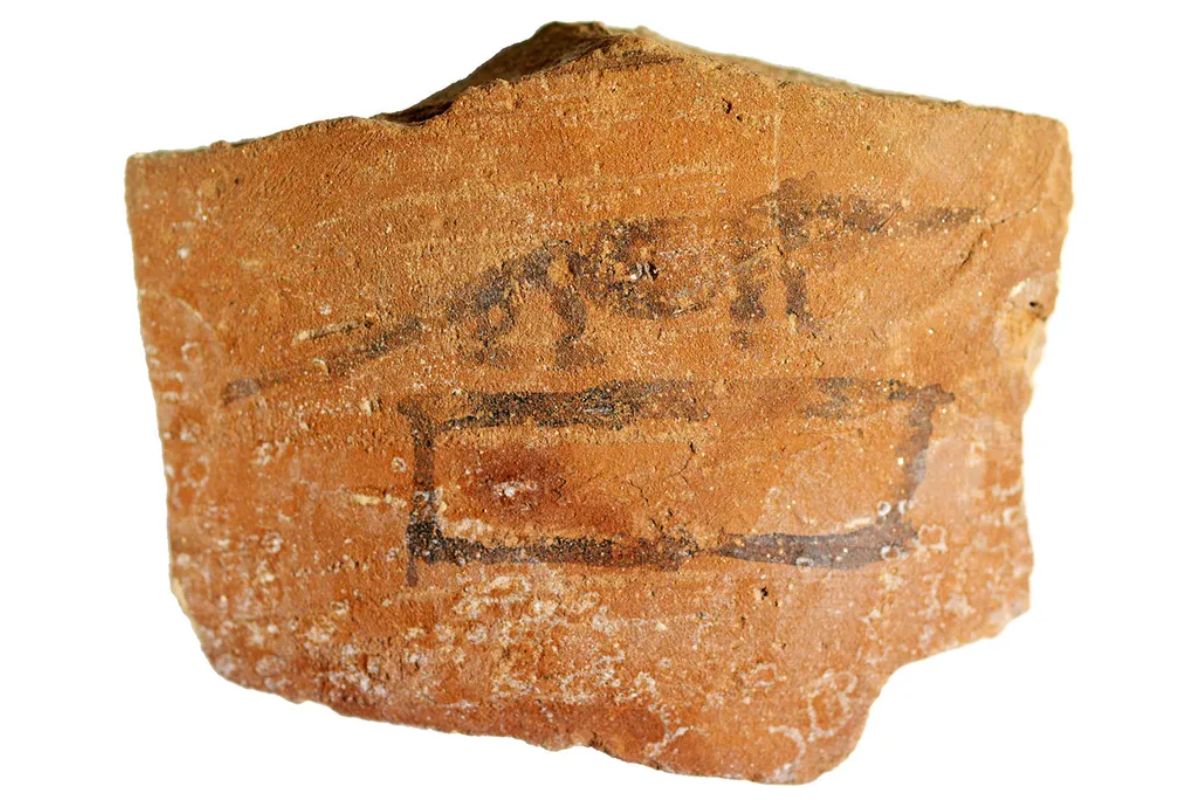
Archaeologists discover 43,000 ostraca in Egypt with tax lists, drawings, religious texts, and everyday notes that reveal what life was like in ancient Athribis before Cleopatra.
-
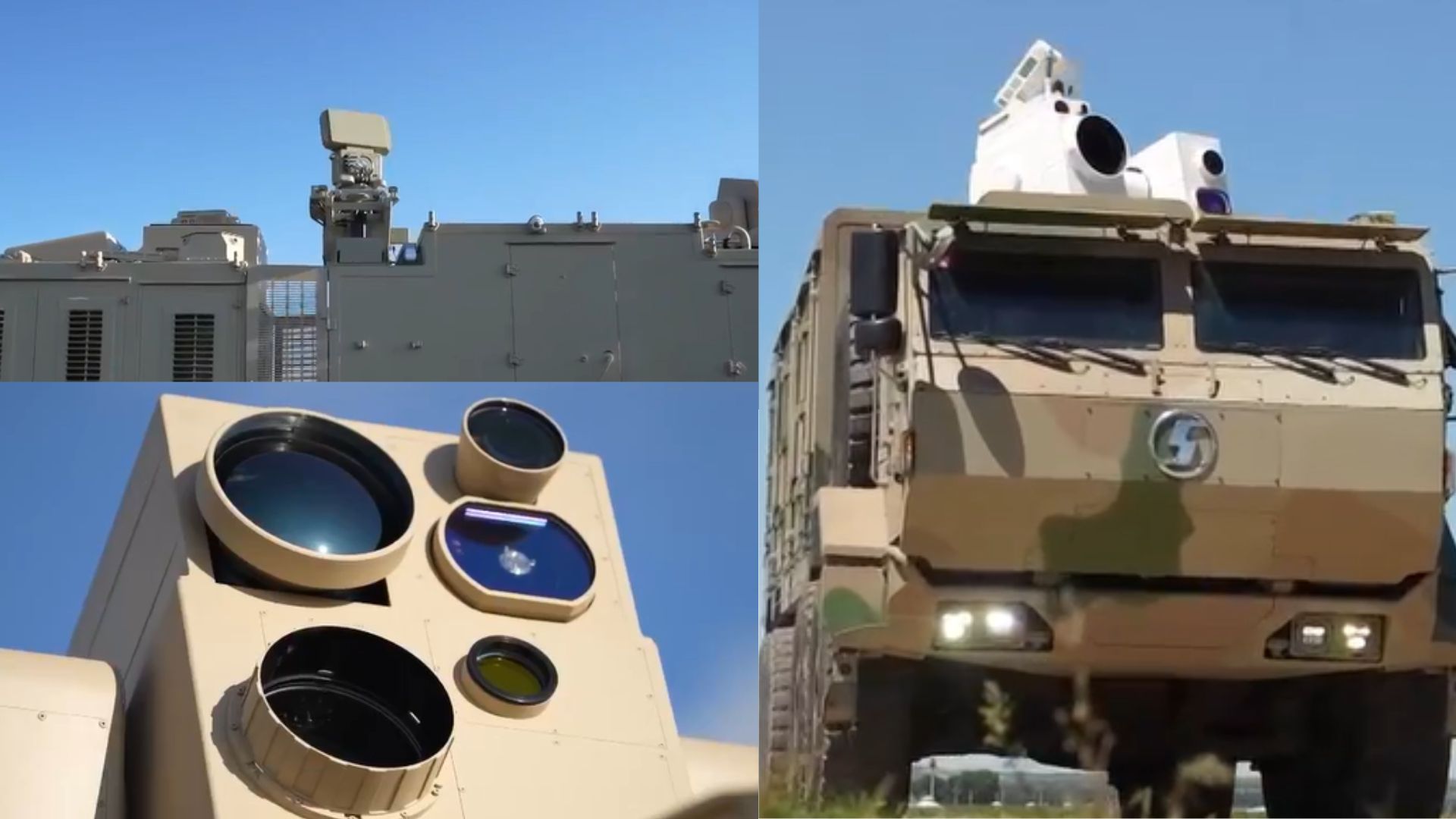
China showcases laser defense systems that target drones flying very low and attempts to address a flaw that has been concerning armies worldwide.

Although the criminal activities took place outside of American territory, Buchanan emphasized that borders do not prevent wrongdoers from being held accountable for their crimes. The FBI, in collaboration with other entities, remains committed to exposing and prosecuting those who seek to steal sensitive information from the United States.
How Song Wu Conducted the Spear Phishing Scheme
Song Wu’s scheme was carried out through a spear phishing campaign that spanned several years. He created fake email accounts, posing as U.S. engineers and researchers, and used these impersonating accounts to deceive his victims.
Among the targets were employees of the U.S. government, including NASA and the U.S. Army, as well as renowned universities located in states such as Georgia, Michigan, and Ohio. Wu’s aim was to obtain specialized software in aerospace engineering and computational fluid dynamics, technology that can be used for the development of missiles and other advanced weapons.
During the period he operated this fraudulent scheme, Song Wu was an engineer at the Aviation Industry Corporation of China (AVIC), a Chinese state-owned aerospace and defense conglomerate.
AVIC is one of the largest defense contractors in the world, which further exacerbates concerns over Wu’s attempts to acquire sensitive technology. This represents a significant risk, as such information could be used to enhance China’s military capabilities, potentially threatening global security.
Charges Against Chinese Employee
The charges against Song Wu include 14 counts of electronic fraud and 14 counts of aggravated identity theft. Each electronic fraud charge could result in a sentence of up to 20 years in prison, in addition to a mandatory consecutive sentence of two years for aggravated identity theft.
However, it is important to remember that Song Wu is presumed innocent until proven guilty in a trial, as stipulated by American law.
This case is being investigated by the FBI and NASA, with support from the Disruptive Technology Strike Force. This task force was created to protect supply chains and prevent authoritarian regimes from acquiring critical technologies.
Under the leadership of the Deputy Attorney General for National Security, the team is focused on protecting the technological security of the United States, preventing sensitive information from falling into the wrong hands.
Song Wu’s attempt to steal software from NASA and U.S. armed forces, including the Army, underscores the importance of protecting sensitive information in a world where technology is increasingly seen as one of the main weapons of global rivalry.









Seja o primeiro a reagir!