





 Portuguese
  English
  Spanish
  3 min of reading


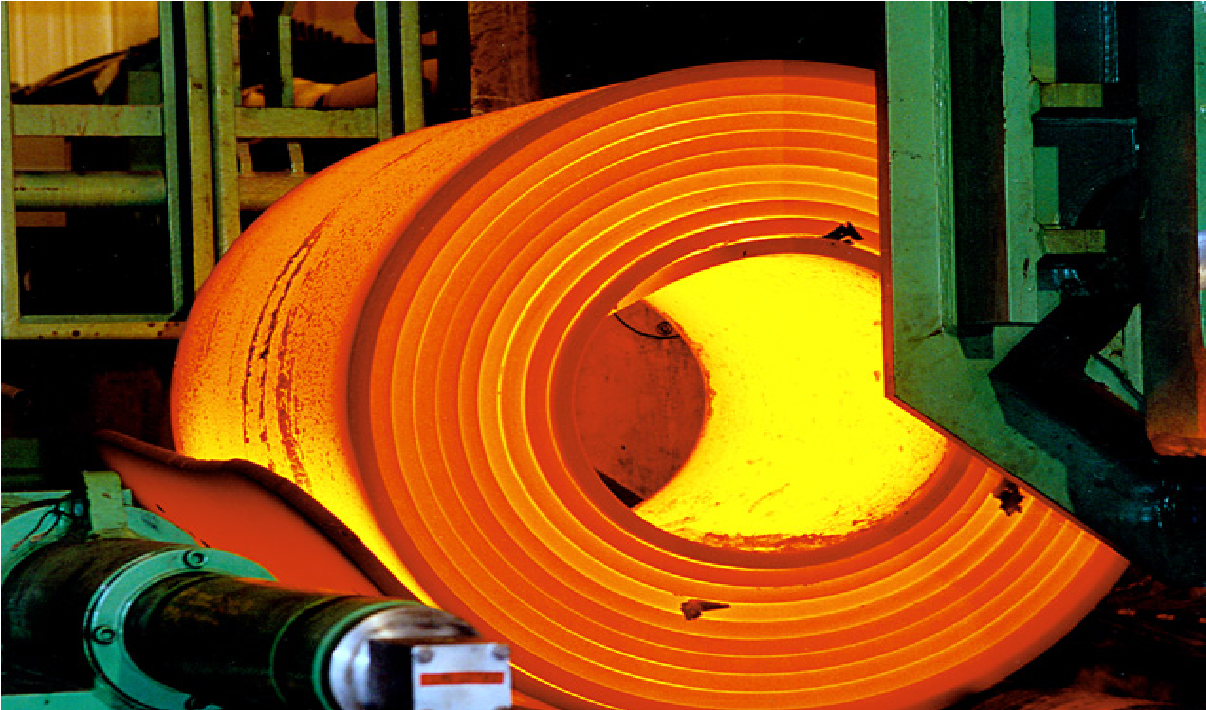
ArcellorMittal, The Largest Steelmaker In Brazil, Faces A Shortage Of Natural Gas Suppliers In The Market To Use In Its Furnaces
The ArcellorMittal Tubarão steel mill is looking for suppliers of natural gas to begin modifying fuels for its three blast furnaces, but the company is struggling to find the fuel in the market.
The steel mill has furnaces that are responsible for producing about 7.5 million tons of steel plates annually, making it the largest steel company in the country. ArcellorMittal’s demand is for about 1.5 million cubic meters of gas daily, while currently, the plants are powered by coal.
ArcellorMittal’s proposal is to adopt natural gas as a fuel and use it alongside coal (which is a more polluting fuel). If realized, the plan of the steel mill would be a considerable advancement in starting the decarbonization process in steel production. The company aims to achieve this goal by 2024, although it is having significant difficulty finding natural gas for purchase.
-
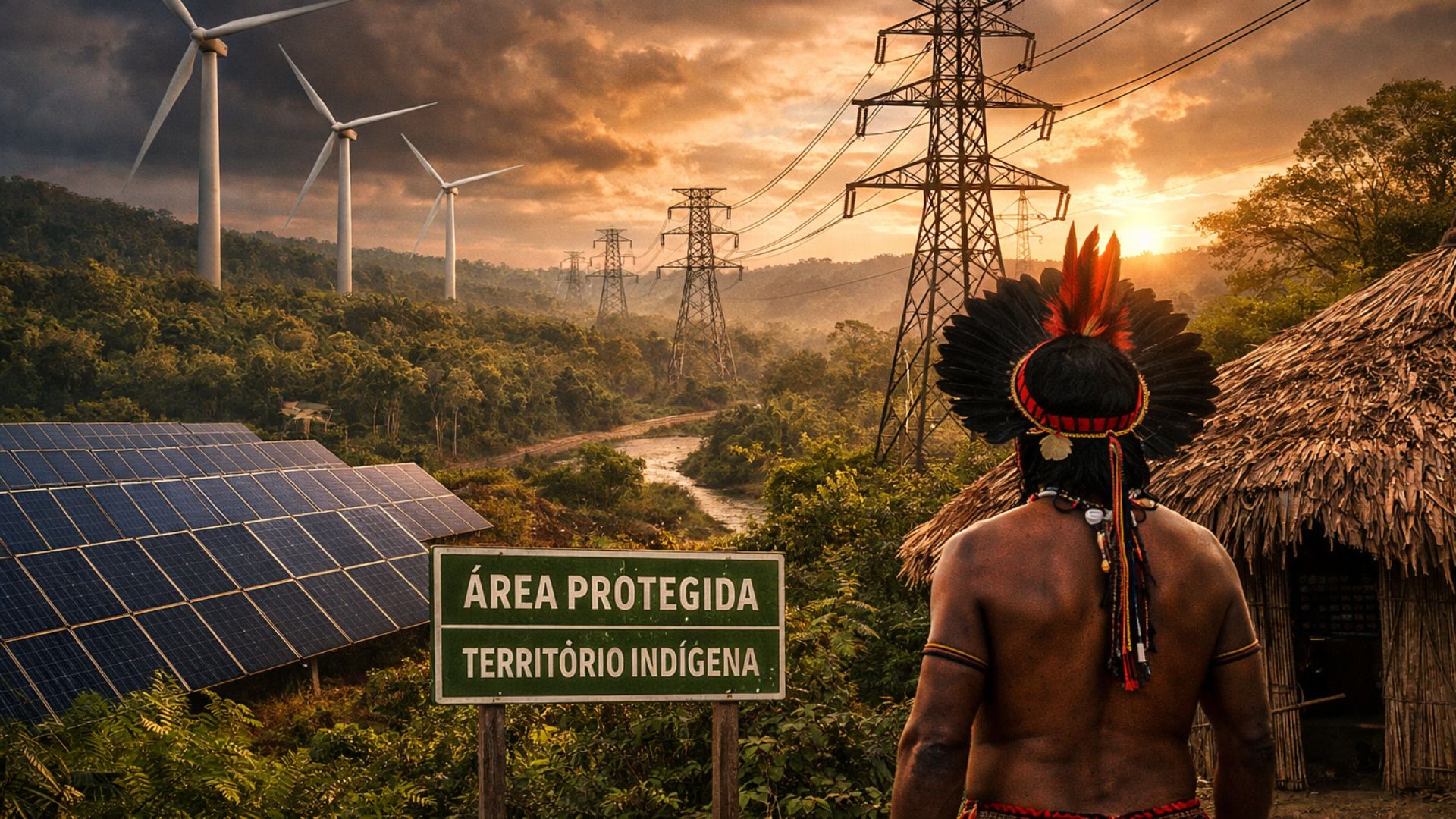
Renewable energy advances over protected areas in Brazil, and a survey by the Energy Transition Observatory reveals silent impacts that challenge environmental conservation and pressure sensitive traditional territories.
-
The Economist states that Brazil has a “secret weapon” against expensive oil and highlights how the country can reduce economic impacts even in international scenarios of high volatility.

-
Rio Grande do Sul accelerates energy transition: State invests in renewable technologies and consolidates decarbonization strategies and pathways to attract billions in new industrial investments.

-
With 160,000 m² of collectors, an area larger than 20 football fields, Silkeborg, in Denmark, hosts a solar thermal plant that heats 19,500 homes and could become the largest solar heating plant in the world.


One of the options considered by ArcellorMittal executives is the possibility of some port in the state investing in regasification terminals, in the same configurations that Petrobras has.
In this way, the gas would be brought by ships to the port in its liquid form and would be regasified there and transported to ArcellorMittal Tubarão through pipelines.
Experts on the subject are already discussing this alternative.
Blast Furnace 3 Prepares To Receive Natural Gas As Fuel
One of ArcellorMittal’s furnaces, Blast Furnace 3, which was inaugurated in 2007, is already prepared to receive the new fuel, while the others, which are older, need adaptation to also receive natural gas. To adapt them, ArcellorMittal would need to allocate an investment of approximately US$ 2.5 million.
ArcellorMittal’s goal is to become carbon neutral by 2050.
Natural Gas Shortage Has Not Only Affected ArcellorMittal
The natural gas shortage has also affected a group of 10 countries in the European Union (EU), which recently declared an initial emergency due to the lack of natural gas, following the cut in fuel supply from Russia, according to the head of EU Climate Policy, Frans Timmermans.
The warning about the gas shortage is the first of three stages in the EU countries’ crisis protocol. The Climate Policy does not detail all the countries that have already declared the warning about gas scarcity but mentioned that Germany, Italy, and Sweden are on the list.
Since the week of June 23, Russia has been limiting gas supply to European countries, citing a significant lack of parts to maintain the Nord Stream 1 pipeline, which currently has a flow of 40%. The country has already ceased gas supply to Poland, Bulgaria, Denmark, Finland, and the Netherlands for not accepting the new payment method required by Moscow.
“The risk of a total gas interruption is more real than ever,” says Timmermans, who accuses Putin of using energy as a weapon. Before the war, Russia accounted for about 40% of the natural gas supplied to EU countries.
In the announcement of the gas shortage by the EU, the initial state of emergency aims to monitor the supply of fuel. In contrast, the alarming phase allows utilities to pass high fuel prices onto consumers to reduce demand. The “emergency” level allows governments to force the industry to reduce activity to save gas.









Seja o primeiro a reagir!