






 Portuguese
  Spanish
  3 min of reading


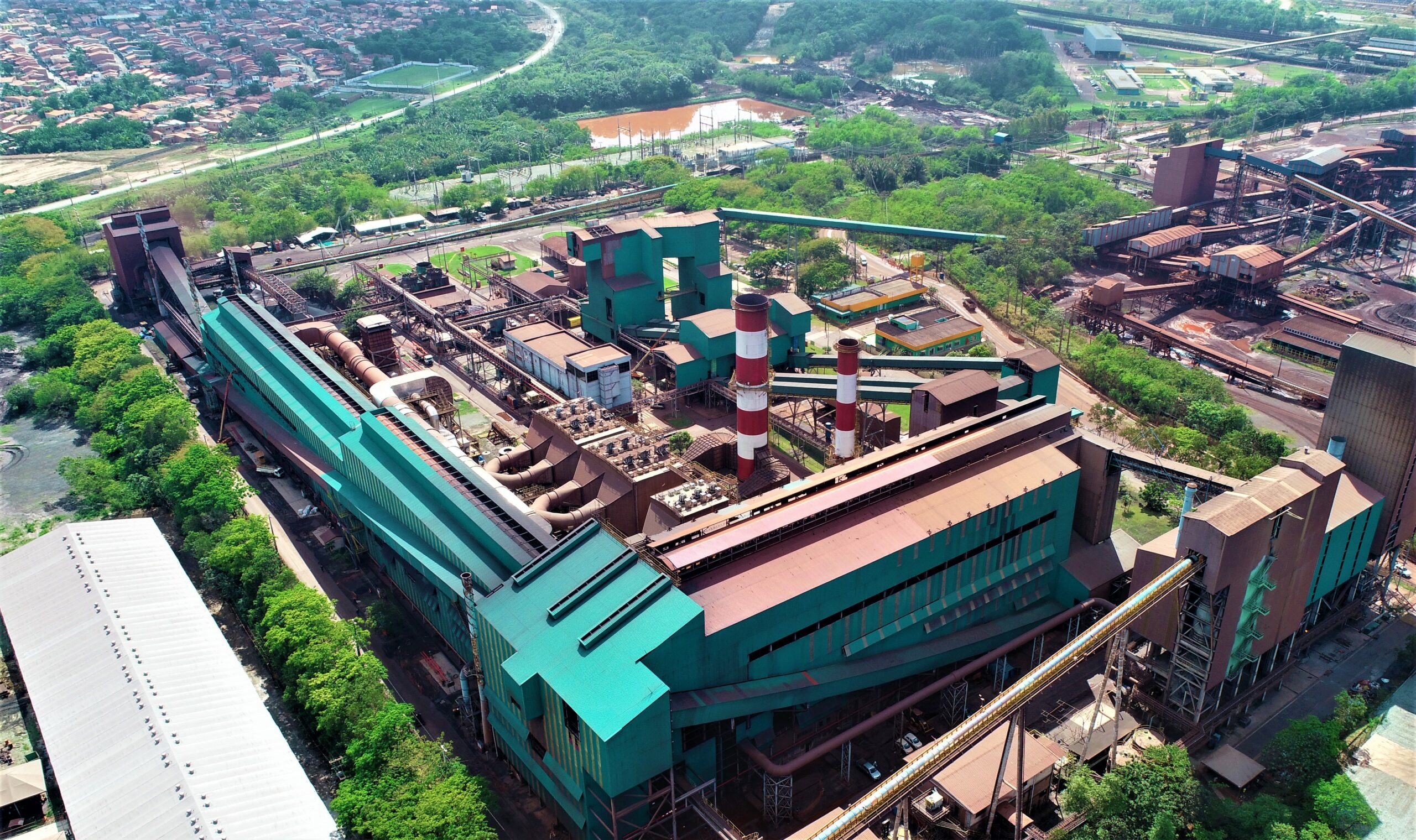
Vale Closed a New Partnership with Gasmar for the Supply of Natural Gas to Its Pelletizing Plant in São Luís, Maranhão. An Unprecedented Gas Distribution Network Will Be Installed in the State.
To enable the use of natural gas by 2024 at the Pelletizing Plant in São Luís, Maranhão, Vale signed a contract with Companhia Maranhense de Gás (Gasmar) and Eneva. The purpose of the agreement is to replace the use of fuel oil used in the industrial plant with a more renewable energy source, advancing the company’s carbon dioxide emission reduction agenda. The product generated at the pelletizing plant serves as raw material for steel production.
Natural Gas Distribution Network Will Be Installed in Maranhão
With the contract signed with Vale, Gasmar will begin installing an unprecedented natural gas distribution network in the state of Maranhão, linking Porto do Itaqui to the company’s area in the Itaqui-Bacanga region.
The new network installed by Gasmar for the pelletizing plant may also develop conditions for using natural gas in other plants and sectors in Maranhão. Eneva, an energy company, will be the supplier of the fuel to be used by Vale’s unit.
-
Brazilian Joins Homeownership Consortium, Faces Decade of Dual Payments Totaling $141,000, Surpassing Traditional Mortgage

-
Land Rover to Halt Production in July, Putting 371 Jobs at Risk, as Chinese Automaker Negotiates to Convert Factory to 100,000 Vehicles Annually by 2027

-
Mexican Pest Threatens U.S. Cattle Herds at Historic Lows, Potentially Boosting Brazilian Beef Exports as Burger Prices Soar

-
Brazilian Freight Bill Progresses in Congress with $5,000 Minimum Wage, 70% Advance Payment, and Fines Up to $1 Million, as Agriculture and Industry Warn of Rising Costs and Legal Uncertainty


According to Vale’s Executive Vice President of Global Business Solutions, Alexandre Pereira, this contract with Gasmar is a critical milestone for Vale. It represents another major step in transitioning the energy matrix of its pelletizing plants, reinforcing the zero-carbon agenda and making an unprecedented natural gas distribution network in Maranhão feasible, which, in addition to serving Vale, may also extend to other industries in the state.
Contract Will Bring More Savings to Vale
According to Pereira, the significance of this process lies primarily in its contribution to the development of Maranhão and its communities. These efforts are fully aligned with Vale’s purpose of improving lives and transforming the future.
The new contract with Gasmar for the pelletizing plant will also represent a reduction in fuel costs, considering that natural gas is cheaper than fuel oil.
Another relevant aspect is that the recent regulation implemented by the gas law, as part of the movement to unbundle the sector, makes this contracting possible within the Free Market. This action thus signals adherence to the Brazilian movement for opening the natural gas market, which advocates for a more dynamic and competitive environment.
Vale’s Share Program
The hiring of natural gas also generates an essential social bias for Maranhão. This is because it is part of Vale’s Share Program, which envisions social investments by the distribution chain, developing an integrated network of commitment to the sustainable socioeconomic development of the region.
The initiative is aligned with Vale’s commitment to the 2030 Agenda, focused on communities and promoting social progress in the areas where it operates. With the conversion of the energy matrix of the Pelletizing Plant in São Luís, Maranhão, scheduled for 2024, all Vale’s pelletizing plants will use natural gas instead of fuel oil as an energy source.
In addition to São Luís, the company operates pelletizing plants in Minas Gerais, Espírito Santo, and Sohar. Natural gas is a more sustainable fuel compared to other sources, such as fuel oil. It contains fewer contaminants and generates cleaner combustion, with lower greenhouse gas emissions.





Be the first to react!