





 Portuguese
  English
  Spanish
  4 min of reading
  0 comments


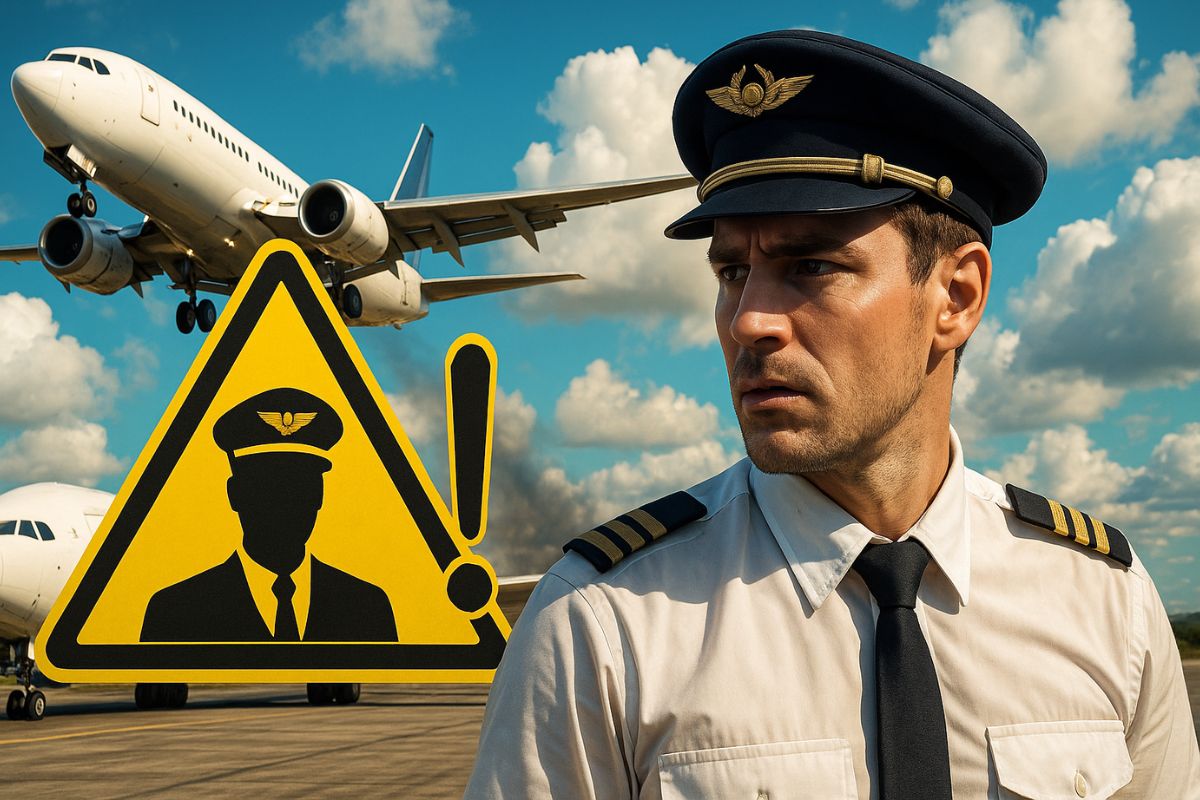
The Global Pilot Shortage Intensifies, Pressuring Airlines Across All Continents and Potentially Generating 660,000 New Job Openings by 2044, Changing the Course of the Global Aviation Sector.
The global pilot shortage is already a reality that worries airlines and passengers. The problem, which gained momentum after the pandemic, occurs at a time of accelerated recovery in travel. Airlines are facing waitlists, delays in training, and difficulties attracting new professionals to the cockpit.
According to the G1 portal, during the pandemic, many pilots anticipated their retirement, and thousands of students suspended their training courses. Now, with growing demand, the professional deficit is evident on both domestic and international routes. The pressure on company costs and ticket prices is expected to rise, creating an additional challenge for the sector.
The Scale of the Problem: Impressive Numbers
In the United States, the forecast is for about 18,000 new pilot openings each year over the next decade, totaling more than 180,000 jobs in this market alone.
-
Future profession with immediate earnings: Specialist reveals how a solar energy technician earns R$ 8,000 per month by taking advantage of the explosion in demand across the entire country.

-
Work from 8:30 AM to 5:30 PM with a 1-hour break at Sicredi as a Customer Service Assistant and receive a salary + benefits such as life insurance, dental plan, partnerships, Gympass, and much more in job openings across various states.

-
Subsea7 has job openings: the company has offshore and onshore positions available in 2026 for operators, pilots, supervisors, engineers, and much more.

-
Unimed is hiring candidates with and without experience! More than 10 job openings for Assistants, Analysts, Kitchen Assistants, and much more!


Globally, industry projections indicate the need for 660,000 new pilots by 2044, considering both passenger and cargo transport.
This scenario particularly concerns major companies in North America and Asia but also impacts emerging markets like Brazil.
The Brazilian aviation sector is already feeling the effects, with rising training costs, a shortage of instructors, and high investments required from students, which can exceed R$ 400,000 for complete training.
The Cost of Training and Its Financial Burden on Aspiring Pilots
Being a pilot is both a dream and a high-risk investment. In the U.S., training can cost more than US$ 100,000, while in Brazil, the total of courses, exams, and flight hours can exceed R$ 400,000.
This high cost deters candidates and contributes to the labor bottleneck.
In addition to cost, there is the requirement to accumulate practical experience: 1,500 additional flight hours are necessary for those wishing to obtain the air transport certificate, a mandatory condition for piloting commercial aircraft.
This process can take years and delay the entry of new professionals into the market.
Salaries on the Rise, but Challenges Remain
To mitigate the crisis, airlines around the world have raised salaries, created hiring bonuses, and even relaxed scheduling rules to make the career more attractive.
Despite the increases, the sector continues to struggle to fill positions, as training remains expensive and time-consuming.
Recent strikes, such as that of Lufthansa pilots, show that dissatisfaction goes beyond salary: it also involves pensions, working conditions, and work-life balance.
The cost of these negotiations, on the other hand, may directly reflect on the price of tickets paid by consumers.
The Debate About Retirement and the Age Limit
Another topic dividing the global aviation industry is retirement age. Currently, the limit is 65 years for international flights, but there are proposals to raise it to 67 years in light of the pilot shortage.
Unions resist, citing safety risks, while governments and companies push for the change as a way to ease the short-term labor deficit.
The discussion is sensitive: although experience is seen as a positive factor, aviation health and safety requirements demand maximum rigor, and any change could generate controversy.
AI, Automation, and the Future of the Cockpit
A recurring question is whether artificial intelligence and automation could replace part of the human work in the cockpit.
Experts believe AI will enhance efficiency and safety but will not eliminate the need for pilots.
The human factor is still considered essential for decision-making in emergency situations.
Thus, the future of aviation will depend on a balance between technology and the training of professionals.
By 2030, the trend is that the shortage will persist, with gradual recovery only starting in the next decade.
The global pilot shortage is more than just a labor issue: it is a factor that can redefine ticket prices, the pace of expansion of companies, and even the future of air mobility.
And you, do you believe that raising the retirement age or investing in more automation would be the best solution to the problem? Or is the way forward to reduce training costs and attract new talent?
Leave your opinion in the comments; we want to hear from those who live and follow this reality.










-

Uma pessoa reagiu a isso.