





 Portuguese
  English
  Spanish
  3 min of reading
  0 comments



Construction of the New Athens Metro Anticipates 15 New Stations and 12.8 Km of Tracks by 2030, but Tunnel Orientation Error May Impact Schedule and Costs
The construction of Line 4 of the Athens Metro, one of the largest infrastructure projects in Greece, faces a significant setback: an excavation error diverted the tunnels from the planned route, causing delays and potential budget impacts. With a total investment of €1.51 billion, the new line will add 15 stations and 12.8 km to the Greek capital’s metro system. Attiko Metro S.A., the company responsible for the project, confirmed that engineers are correcting the problem to minimize losses and maintain delivery within the established deadline.
Delays in the Construction of Line 4 of the Athens Metro
The incorrect excavation occurred in the area of the Kolonaki station, where the tunnels advanced at an erroneous angle. According to the Athens Urban Transport Authority, work is being adjusted to align the excavation with the original route. However, the correction may lead to a delay in the delivery of Line 4 of the Athens Metro, which was expected to begin operations between 2029 and 2030.
The new line will be crucial for alleviating the city’s traffic and providing an efficient alternative for thousands of daily passengers. It is estimated that 340,000 people will use Line 4 of the Athens Metro daily, reducing the need for travel by private vehicles and promoting a more sustainable transportation system.
-
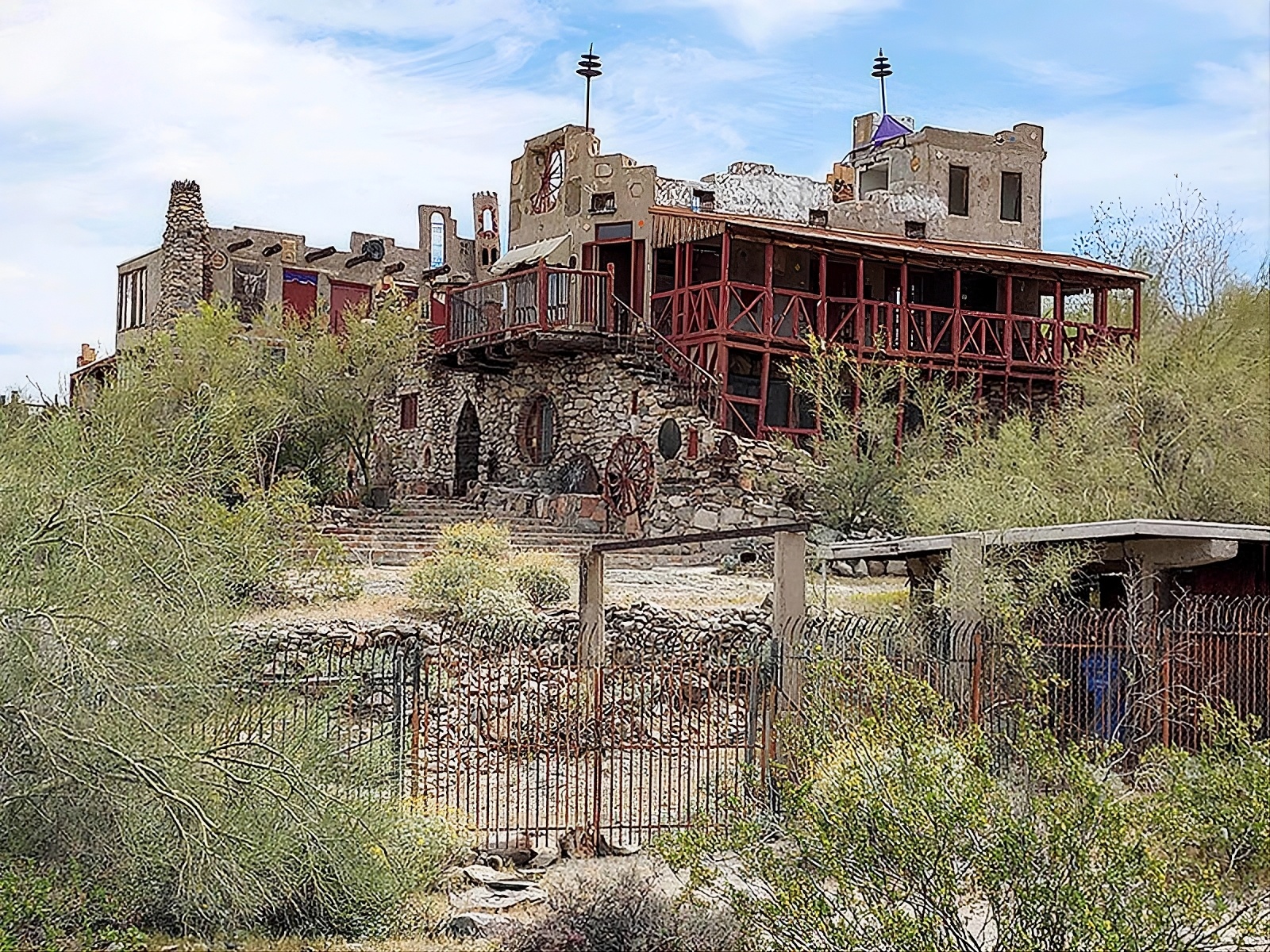
Without a blueprint, without an engineer, and using scrap from the dump, a father spends 15 years building an 18-room castle for his daughter, featuring tram tracks, 13 fireplaces, and over 700 m², which may now be demolished.
-
A megaproject worth R$ 89 billion is advancing in Iraq and promises to change the game in global trade by creating a new corridor between Asia and Europe, reducing traditional routes and repositioning the country as a logistics powerhouse.

-
Goodbye bedside table: floating shelves become a trend in 2026 by freeing up space in the bedroom, improving circulation, bringing visual lightness, and integrating technology without taking up floor space.

-
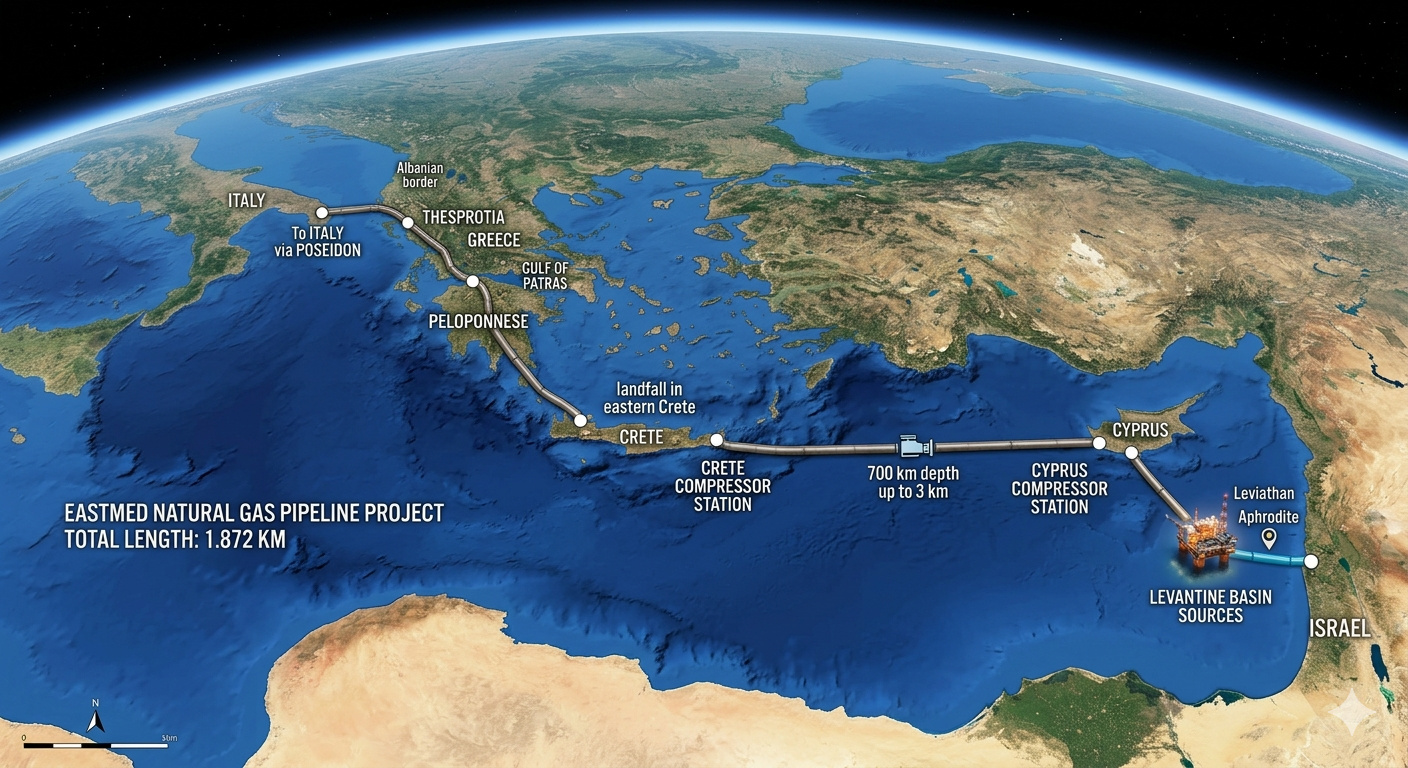
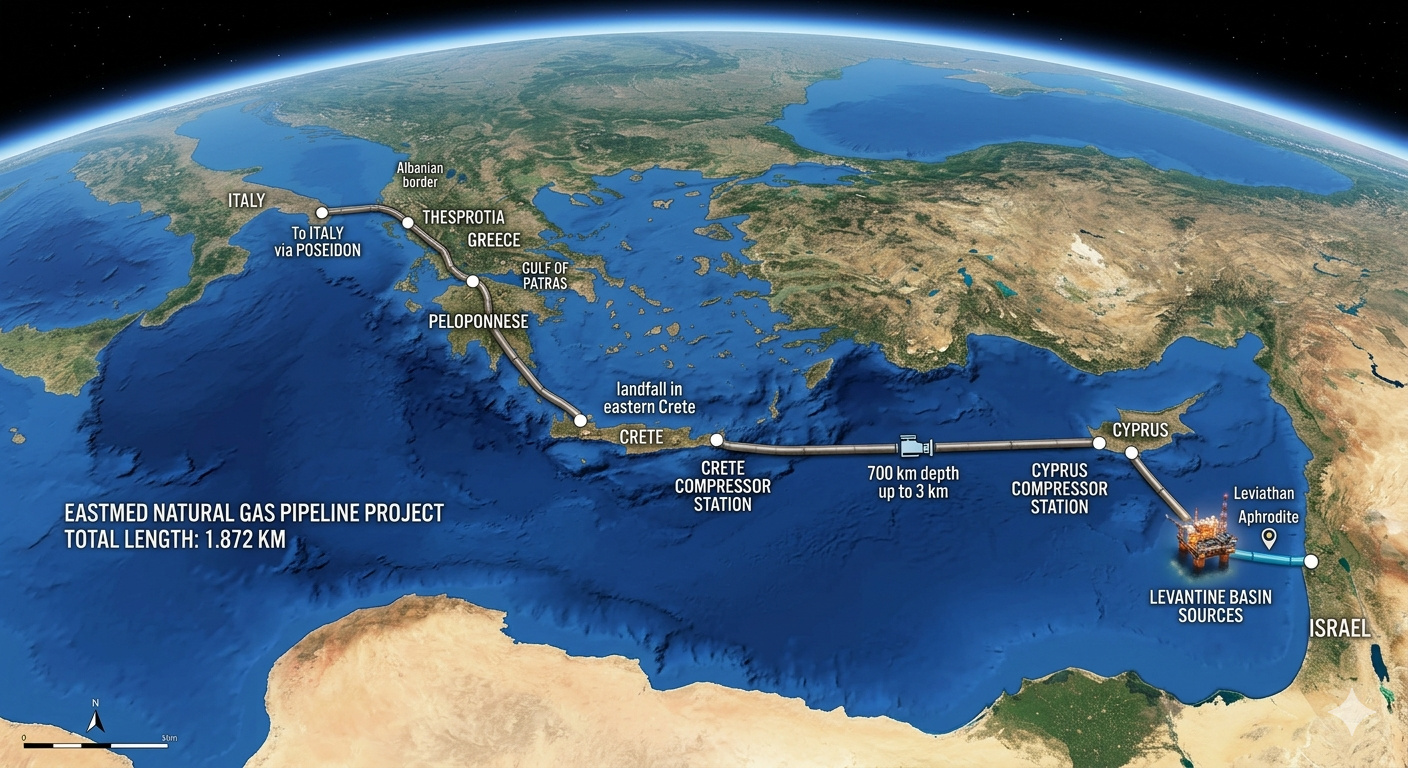
Israel, Greece, and Cyprus signed an agreement in 2020 to transport gas from the Mediterranean to Europe via a 1,872 km pipeline, but Turkey claimed sovereignty over part of the maritime route, and the project never materialized.
Investments and Support from the European Investment Bank

The financing for Line 4 of the Athens Metro includes €730 million approved by the European Investment Bank (EIB), reinforcing the project’s importance for mobility in the Greek capital. The remainder of the funding comes from resources from the Greek government and partnerships with transportation sector companies.
The multinational Alstom was contracted to provide the autonomous trains that will operate on the new line. These vehicles, requiring no human operators, represent a technological innovation already implemented in cities like Paris, Singapore, and Barcelona.
Sustainability and Integration into Public Transport
Line 4 of the Athens Metro will be fully integrated with Lines 2 and 3, allowing connections at the Akadimias and Evangelismos stations. This will facilitate travel between different parts of the city, improving accessibility to public transport.
The use of electricity-powered trains will also contribute to reducing CO₂ emissions, supporting the European Union’s environmental goals for the transport sector. According to experts from the International Public Transport Association (UITP), this type of modernization is essential for making cities more sustainable.
Expectations for the Coming Years
Attiko Metro S.A. emphasized that adjustments to the excavation are being made with the utmost technical rigor to avoid further delays in the construction of Line 4 of the Athens Metro. If the schedule is maintained, the expansion will be one of the largest ever carried out in the railway sector in Greece, solidifying the country as a reference in transport infrastructure.






Seja o primeiro a reagir!