





 Portuguese
  English
  Spanish
  5 min of reading
  0 comments


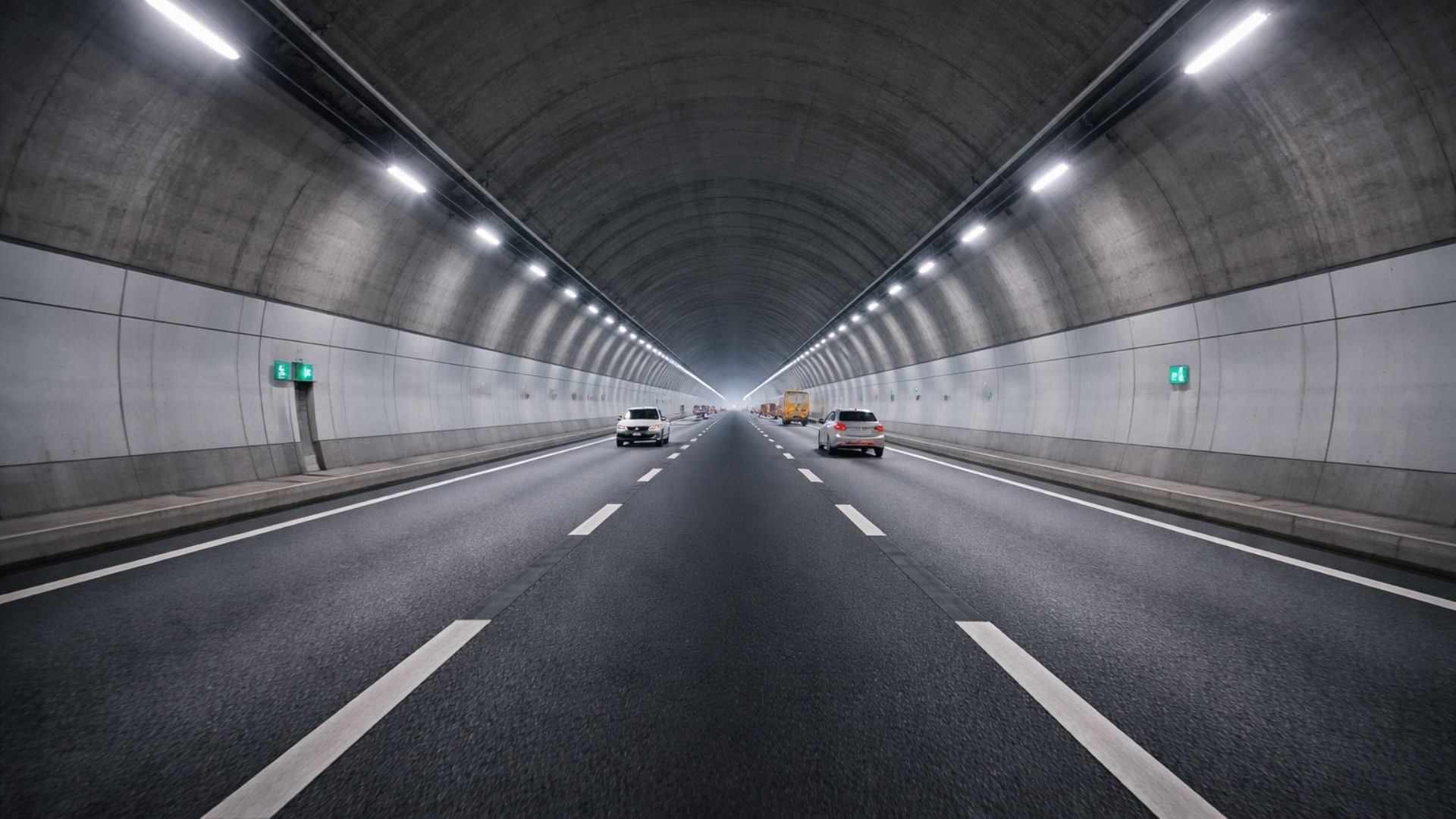
Undersea Connection Transformed Mobility Between Island and Continent in Southeast China, Uniting Great Length, Relevant Depth, and Technical Solutions Adopted in a Maritime Environment to Reduce Urban Travel and Integrate Strategic Areas of a Coastal City.
The Xiang’an Tunnel in Xiamen, in the Chinese province of Fujian, began operation on April 26, 2010, as the first undersea connection of its kind built for road traffic in mainland China.
The construction directly connected Xiamen Island to the mainland district of Xiang’an, creating a continuous route along an urban axis where, until then, travel relied on longer routes and was subject to surface traffic conditions.
Reduction in Urban Travel Time
According to technical information released at the time of inauguration and later compiled in studies on underwater tunnels in China, the new connection significantly reduced travel time between the island and the mainland.
-
A megaproject worth R$ 89 billion is advancing in Iraq and promises to change the game in global trade by creating a new corridor between Asia and Europe, reducing traditional routes and repositioning the country as a logistics powerhouse.
-
Goodbye bedside table: floating shelves become a trend in 2026 by freeing up space in the bedroom, improving circulation, bringing visual lightness, and integrating technology without taking up floor space.

-
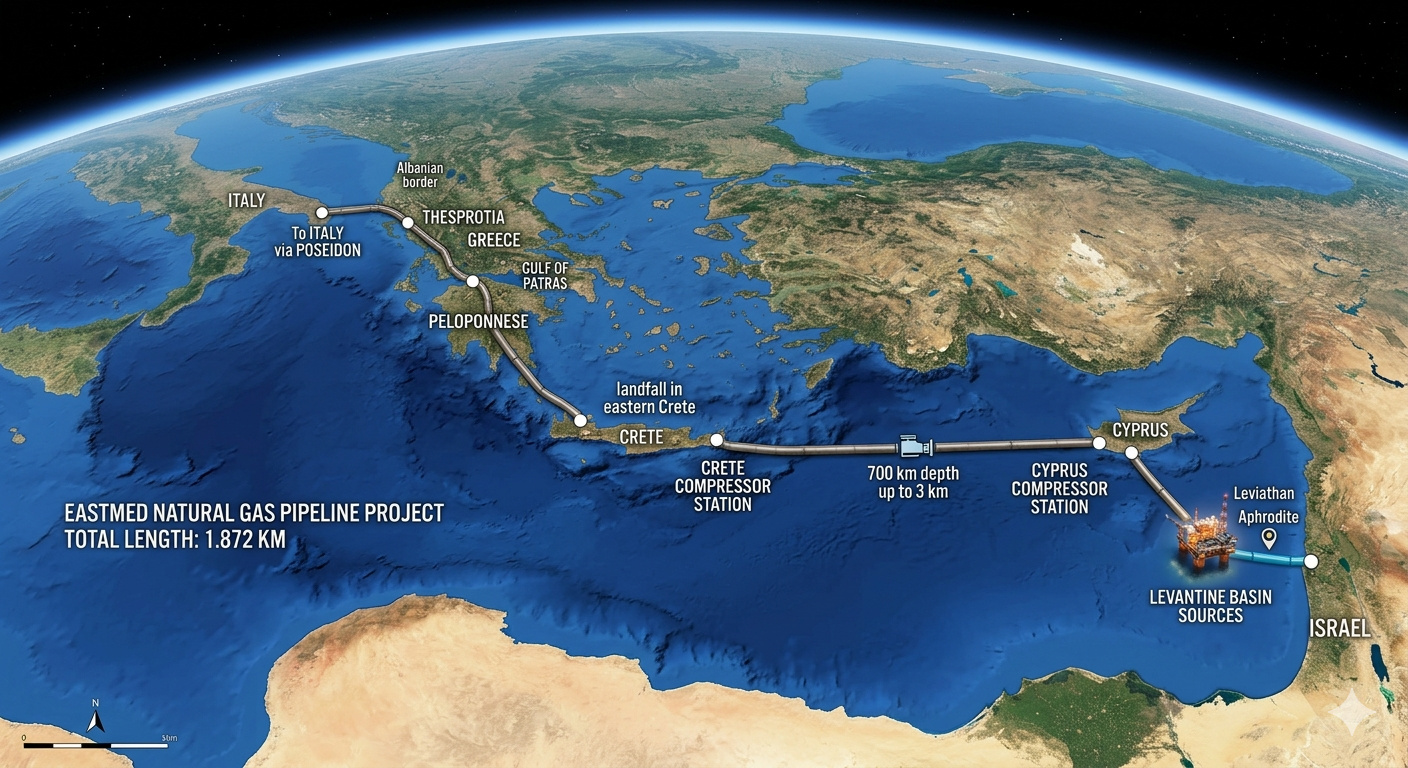
Israel, Greece, and Cyprus signed an agreement in 2020 to transport gas from the Mediterranean to Europe via a 1,872 km pipeline, but Turkey claimed sovereignty over part of the maritime route, and the project never materialized.
-
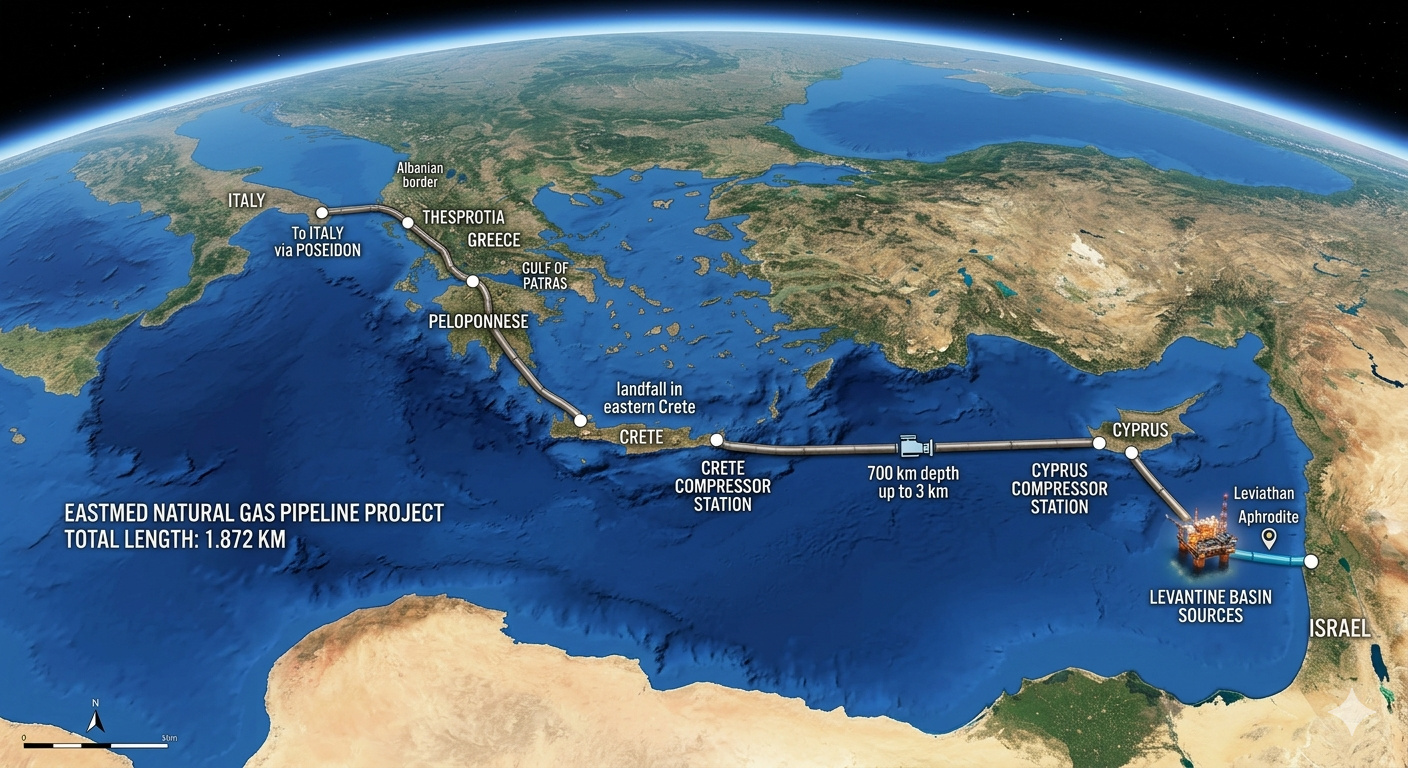
Israel, Greece, and Cyprus signed an agreement in 2020 to transport gas from the Mediterranean to Europe via a 1,872 km pipeline, but Turkey claimed sovereignty over part of the maritime route, and the project never materialized.
Before the tunnel’s opening, the journey could take about 1.5 hours, while after it commenced operation, the time was estimated at approximately 10 minutes, depending on the starting point and traffic conditions.
Total Length and Depth Below Sea Level
The structure has a reported total length of approximately 8.7 kilometers, which placed it among the largest submerged road tunnels in the country at that time.
Public sources related to the project indicate that about six kilometers of this total corresponds to the crossing under the sea.
At the lowest point of the route, the tunnel reaches about 70.5 meters below ocean level, a figure cited in technical materials used to describe the geological challenge faced during excavation.
Strategic Role in Xiamen’s Mobility
The project integrates the roadway system of Xiamen, a coastal city characterized by the physical division between insular and continental areas.
In this context, the undersea connection has taken on a central role in urban mobility by reducing distances and offering a permanent crossing alternative.

Unlike surface routes over water, the journey beneath the sea does not directly depend on weather conditions, which, according to urban planning documents, contributes to greater predictability in daily vehicle flow.
Timeline of Undersea Tunnel Construction
Public records indicate that construction began in September 2005.
The connection between the excavation fronts occurred in November 2009, and traffic was opened in April 2010.
The nearly five-year interval reflects the pace adopted in underground projects of this scale, where progress depends on continuous monitoring of the rock mass and constant adjustments along the route.
Internal Structure and Parallel Tubes
According to technical descriptions of the project, the tunnel was designed with three parallel tubes.
Two of them are intended for vehicle traffic, one for each direction, while the third serves as a central service tube.
This intermediate tube is referred to as an area dedicated to maintenance, technical systems, and emergency routes.
The separation between the circulation and support spaces is noted in specialized literature as a common solution in long tunnels, as it allows for technical interventions without completely interrupting traffic.
Construction Method and Geological Challenges

The construction method used was drilling and blasting in rock, as indicated in technical analyses of the project.
The choice is associated with the geological characteristics of the route, which included sections with weathered rock and more permeable zones near the banks.
In such environments, the presence of water under pressure is considered one of the main risk factors during excavation.
Leakage Control and Structural Stability
Reports and technical articles mention that to deal with leakages and ensure stability, techniques such as slurry injection for sealing and ground consolidation were used, along with drainage systems and flow control measures.
These measures are described as essential for reducing permeability around the tunnel and minimizing water ingress during the most sensitive phases of construction.
Ventilation, Safety, and Evacuation
The operation of the tunnel also required attention to aspects such as ventilation and safety.
Technical sources indicate the installation of ventilation shafts and connection passages between the tubes, designed to facilitate evacuation in emergency situations.
In long, enclosed structures, this set of solutions is treated as a basic requirement to meet the safety standards adopted in modern road tunnels.

Differences in Measuring the Undersea Section
However, there are variations in how different publications describe the exact length of the section considered “under the sea.”
Some documents distinguish between the part strictly located under the water surface and the underground approach segments leading to the portals, resulting in slightly different figures.
In promotional materials, the expression “about 6 kilometers under the sea” appears as a rough reference, while technical studies may present more detailed subdivisions of the route.
A Milestone in Underground Engineering in Mainland China
Regardless of the criteria adopted, the Xiang’an Tunnel is cited in public sources as the first undersea road tunnel in mainland China and as a milestone in the integration between Xiamen Island and the mainland.
By combining great length, marine environment, and intense urban traffic, the structure has become a topic in engineering studies as an example of applying underground solutions in densely populated coastal areas.







-

-

-

-

-

-

40 pessoas reagiram a isso.