





 Portuguese
  English
  Spanish
 6 min of reading
  0 comments


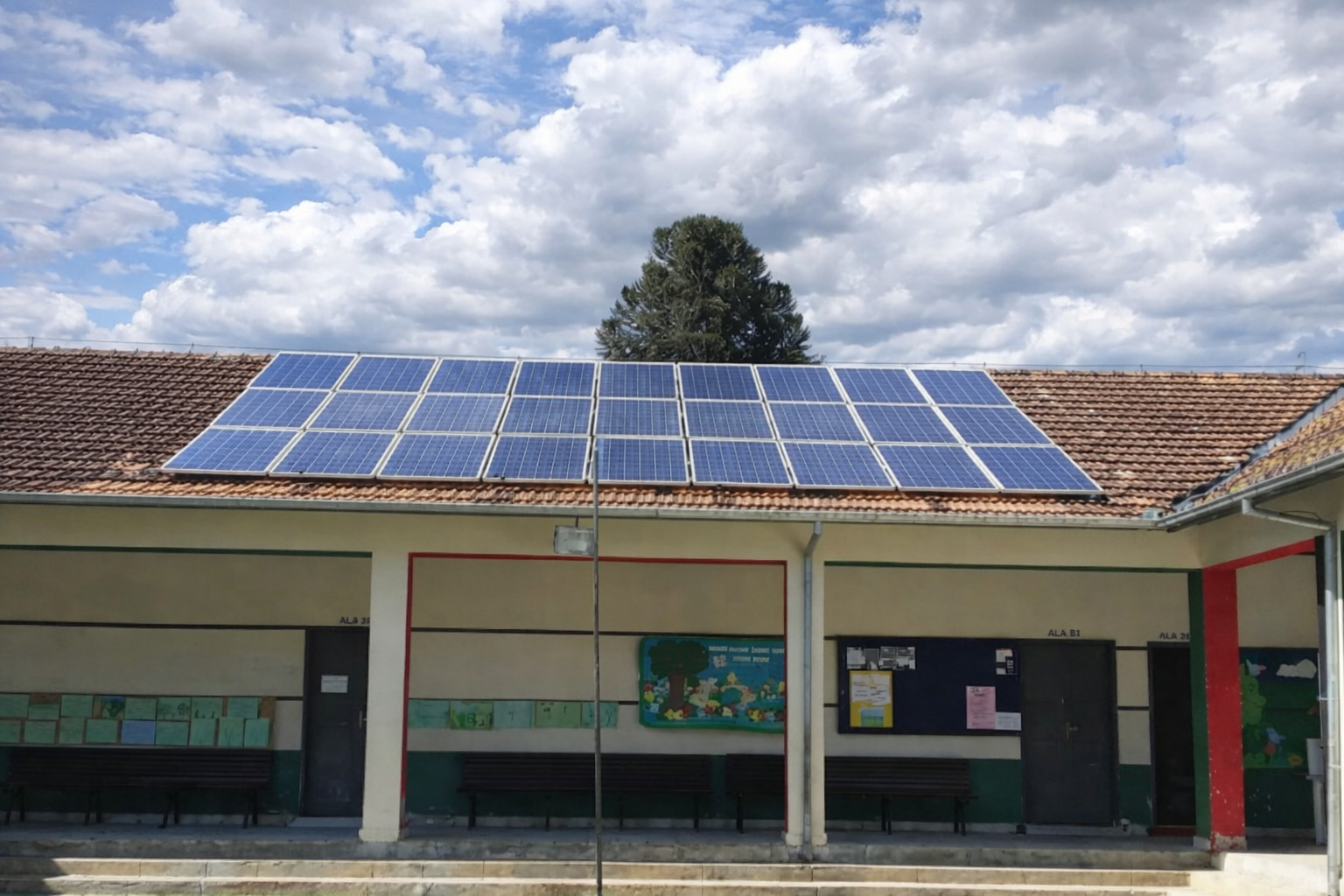
Understand How the Advancement of Sustainable Schools in São Paulo, with the Installation of Solar Energy in 18 State Units, Generates Economy, Environmental Education, and Durable Benefits for the Future
In recent years, sustainable schools in São Paulo have taken center stage in the debate on public education and sustainable development, as education has incorporated practices related to energy efficiency and environmental awareness.
In this sense, initiatives capable of uniting economy, innovation, and learning have emerged, especially in a context marked by climate change, increased electricity costs, and the need for school infrastructure modernization.
Therefore, the installation of solar energy systems in 18 state schools represents a concrete advancement and, at the same time, reinforces a trend of growth in clean energy in the coming years.
-
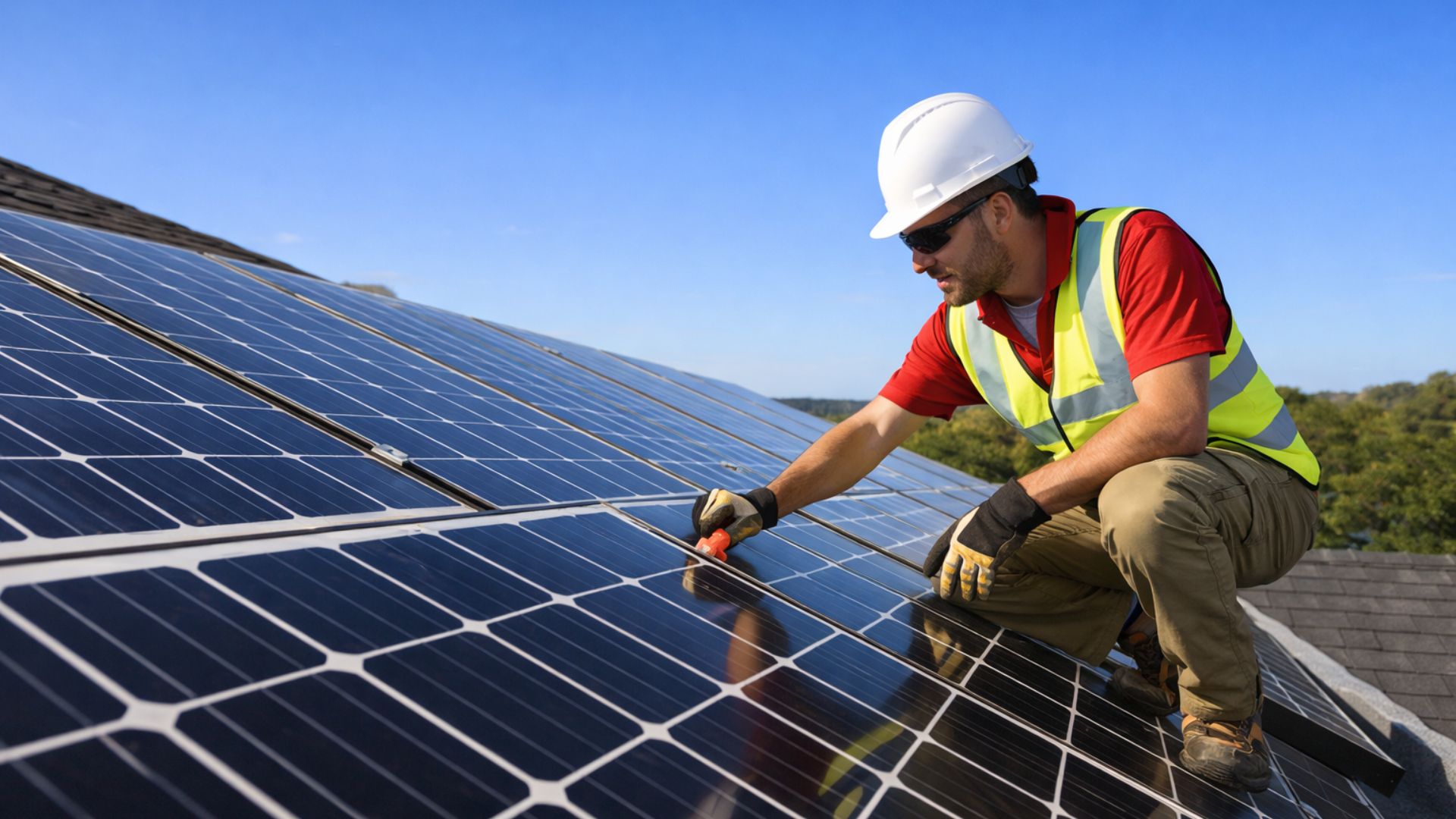
Seagri’s headquarters invests in solar energy with Neoenergia Coelba and promises to cut electricity costs, highlighting a strategic advance in sustainability and energy efficiency within state public administration.
-
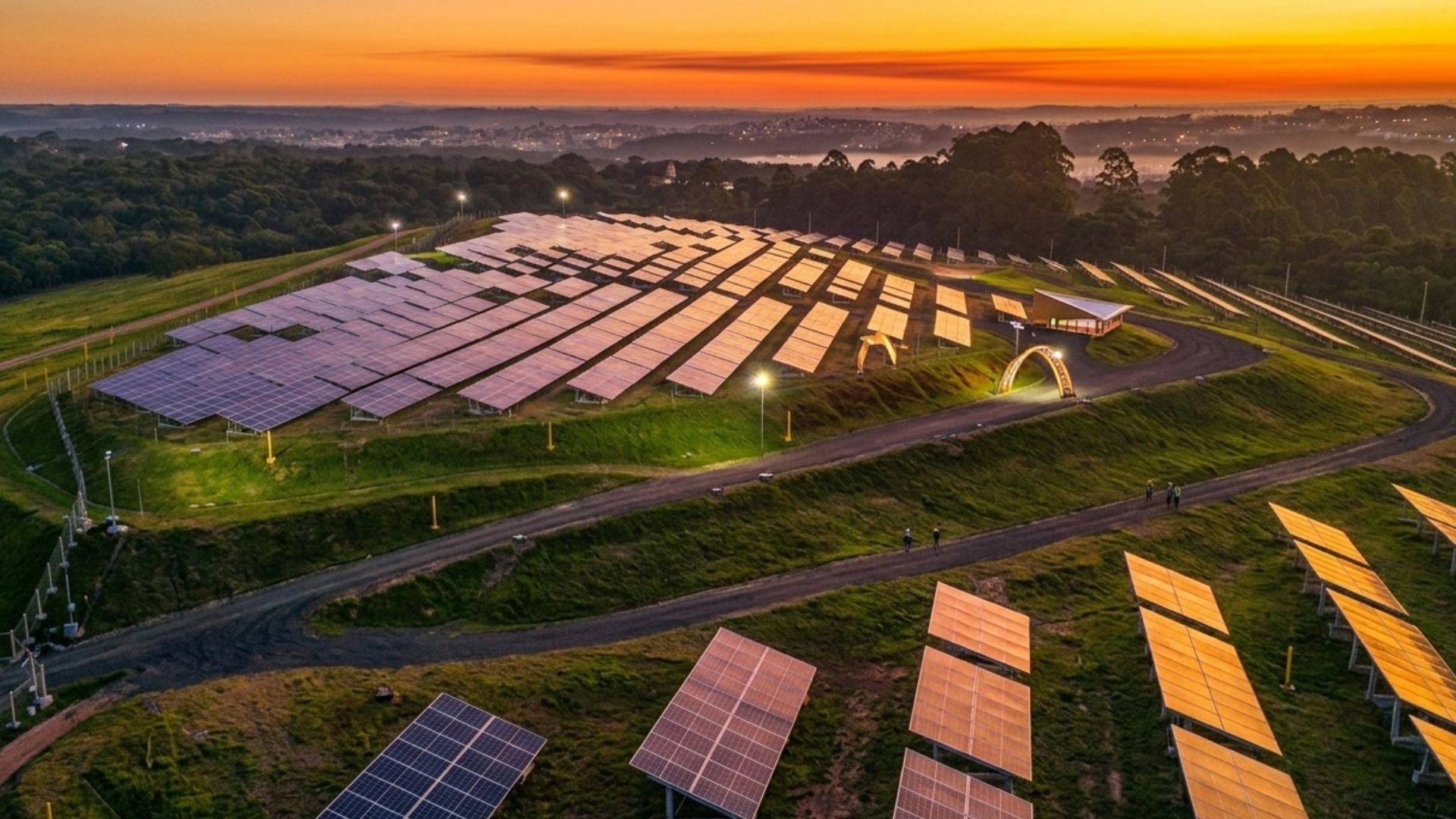
Solar Pyramid draws attention by converting solar energy into million-dollar savings and repositioning the City Hall of Curitiba as an example of innovation, sustainability, and intelligent use of public resources.
-
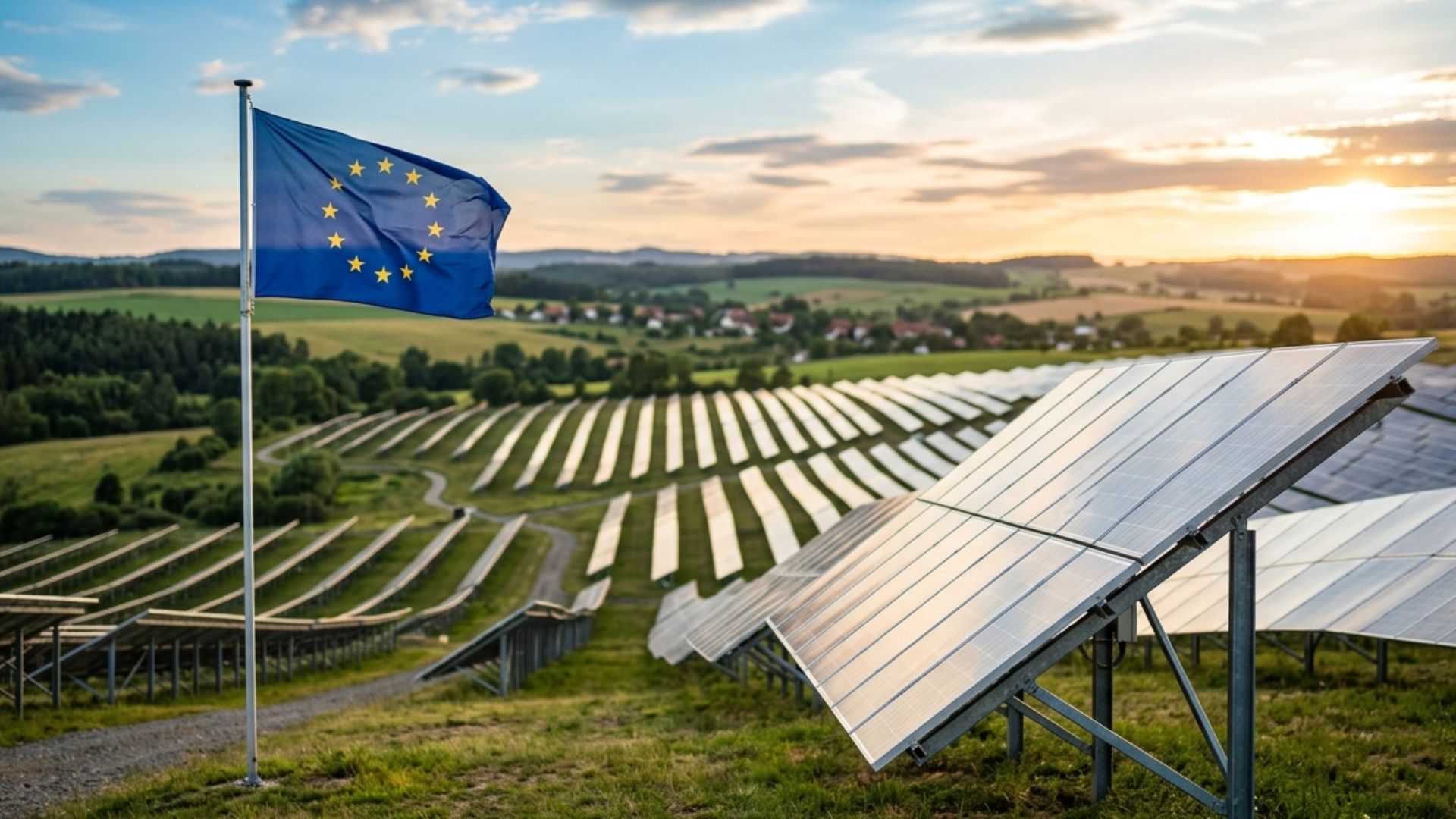
Europe records strong euro economy with solar energy in March and sparks curiosity about which country leads growth that redefines the energy market and reduces costs.
-
Piauí reaches a historic milestone in energy transition: State records nearly 160,000 households powered by solar energy and leads growth in the Northeast.

At the same time, this discussion accompanies a significant change in how society sees the role of public institutions, which were once seen merely as spaces for traditional teaching.
Thus, schools have gradually come to be recognized as environments for social transformation, especially when they adopt sustainable solutions aligned with contemporary demands.
Consequently, these initiatives prepare students for a reality in which environmental and energy issues are part of daily life.
Historically, Brazil structured its energy supply model based on large hydroelectric plants, which ensured a relatively clean matrix for decades.
However, the dependence on rainfall and the growth of cities have brought significant challenges, especially during periods of water scarcity.
In this way, water crises recorded in recent decades reduced generation capacity and, as a result, increased energy costs for families, businesses, and the public sector.
In light of this, the country began to prioritize diversification of the energy matrix and, thus, opened space for renewable sources, such as solar energy.
Solar Energy as a Solution for the Educational Sector
In this context, the state of São Paulo found favorable conditions to accelerate energy transformation, combining technological advancement and public policies for incentives.
On one hand, the reduction in the cost of photovoltaic panels facilitated the adoption of the technology, while, on the other hand, incentive programs stimulated investments in public buildings.
Thus, schools assumed a dual role, as they not only reduced electricity expenses but also began to function as spaces for practical learning about sustainability.
Moreover, the adoption of solar energy in the school environment directly relates to the need for efficiency in public resource management, especially in a large educational network.
In this way, any recurring savings generates significant impact over time and contributes to greater budget predictability.
Consequently, managers can direct resources to priority areas of education, such as maintenance, infrastructure, and pedagogical projects.
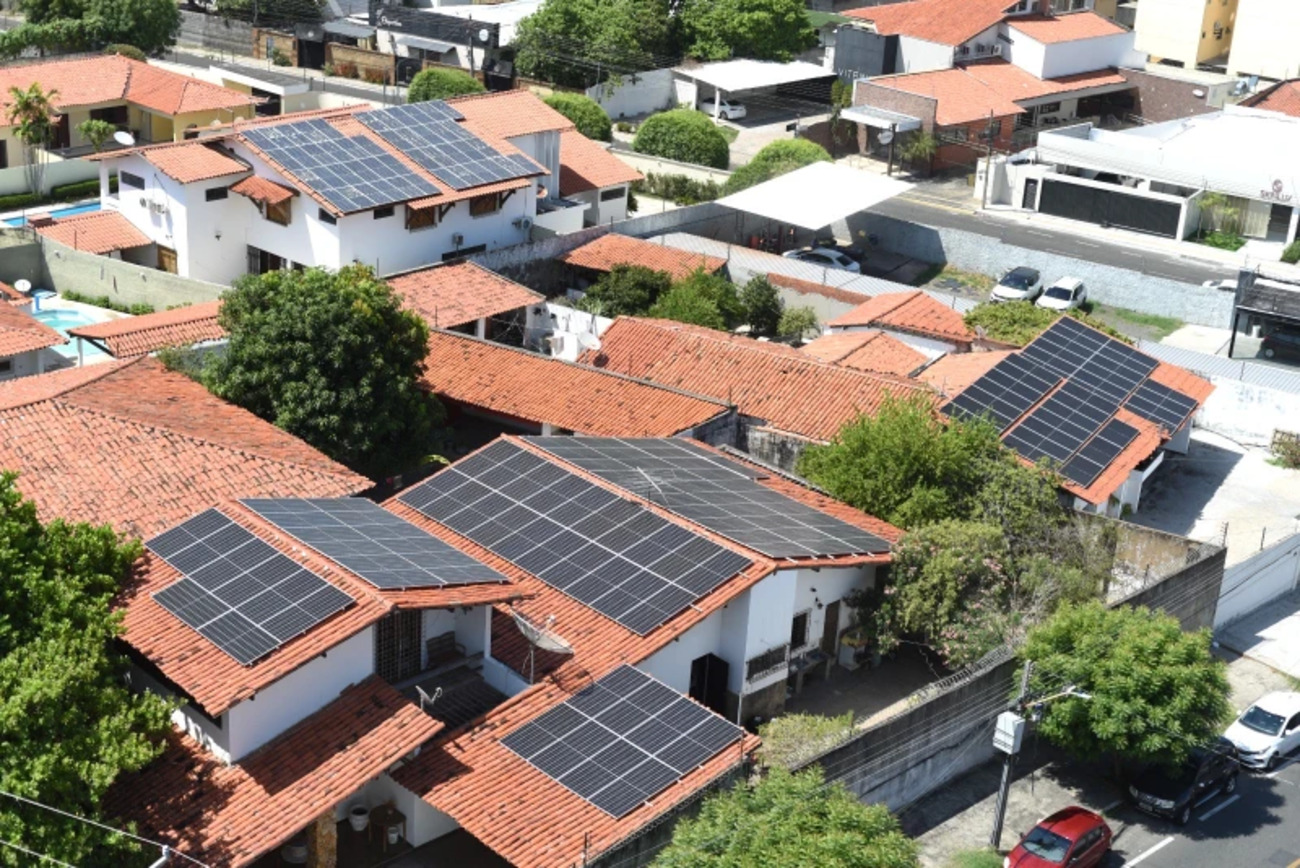
In this scenario, the project that plans the installation of photovoltaic plants in 18 state schools illustrates how the energy transition can integrate into the educational sector.
The units will receive systems capable of supplying all electricity consumption, which significantly reduces dependence on the conventional grid.
Additionally, the surplus energy could serve other schools in the state network, expanding the benefits of the initiative and strengthening the shared use of energy resources.
At the same time, the estimated generation of approximately 1,900 MWh per year highlights the scope of the project and demonstrates its relevance to the public sector.
This volume is equivalent to the annual consumption of hundreds of households and, therefore, proves the potential of solar energy as an efficient and scalable solution.
From a financial perspective, the savings on the electricity bill free up resources that, in turn, can strengthen essential areas of education.
Sustainability Integrated into Student Learning
When the discussion involves sustainable schools in São Paulo, it is important to highlight that the conversation goes beyond cost reduction or the adoption of new technologies.
In practice, sustainability in the school environment requires a cultural shift that involves students, teachers, and managers.
Thus, the school community begins to reflect more consistently on the relationship between economic development, environmental preservation, and quality of life.
In this sense, the presence of solar panels in schools creates a concrete learning opportunity, bringing theoretical concepts closer to daily experience.
Furthermore, this direct contact with technology stimulates curiosity, strengthens critical thinking, and broadens interest in scientific and environmental topics.
Throughout the history of environmental education in Brazil, many initiatives have remained confined to discourse, despite the growing concern with the issue.
However, from the 1990s onward, the country made progress by including environmental education in school curriculums and consolidating public policies focused on the environment.
Still, the integration between sustainable infrastructure and pedagogical practices remained limited for many years.
For this reason, projects for solar energy in schools help to overcome this challenge, as they provide visible and measurable examples of applied sustainability.
Thus, in the Paulista schools contemplated by the project, clean energy begins to integrate into school daily life.
The students monitor the generation of electricity, understand the process of converting sunlight into energy, and analyze the environmental impacts of different sources.
In this way, this experience directly contributes to the formation of more aware citizens who are prepared to face the environmental challenges of the future.
Environmental, Economic, and Social Impacts of the Initiative
From an environmental perspective, the reduction of greenhouse gas emissions represents one of the main benefits of the project.
By decreasing energy consumption from more polluting sources, solar energy reduces the carbon footprint of schools.
Moreover, in a highly urbanized state like São Paulo, decentralized renewable generation initiatives play a crucial role in mitigating environmental impacts.
At the same time, social benefits also deserve highlighting, especially regarding the quality of the school environment.
Schools with better energy efficiency tend to provide more suitable environments for learning, with greater thermal comfort and stability in energy supply.
As a result, these improvements directly influence student performance and the quality of the educational experience.
Additionally, the selection of municipalities from the capital and the metropolitan region reinforces the strategic nature of the project.
These areas concentrate a significant portion of the student population and face challenges related to urban infrastructure and energy consumption.
Thus, by bringing solar energy to schools located in different municipalities, the project demonstrates that sustainability can reach both large centers and peripheral regions.
In terms of public policies, financing through the Aneel Energy Efficiency Program demonstrates how regulatory instruments can promote durable benefits.
The program encourages rational use of electricity and enables projects that would hardly advance without this support.
When directing resources to schools, the positive impact broadens and prolongs over the years.
The Future of Sustainable Schools in São Paulo
In the long term, initiatives like this help consolidate the concept of sustainable schools in São Paulo as an integral part of educational policy.
Thus, sustainability ceases to occupy a secondary space and begins to guide structural decisions related to infrastructure and school management.
At the same time, this movement accompanies a global trend that recognizes educational institutions as protagonists of sustainable development.
Moreover, the use of solar energy in public schools creates positive references for society and strengthens environmental education.
Students who engage with clean technologies from an early age tend to carry this knowledge into their families and communities.
This way, they broaden the reach of sustainable practices and influence consumption habits over time.
Finally, in a context of constant economic and environmental transformations, investing in solar energy in schools represents a strategic decision.
Thus, the savings on the electricity bill, the reduction of environmental impacts, and the strengthening of environmental education form a set of interconnected benefits.
Therefore, by integrating clean energy into the school environment, São Paulo advances in building more resilient schools that are prepared for the future.
Sustainable schools in São Paulo thus solidify as spaces for teaching, innovation, citizenship, and care for the planet.







Seja o primeiro a reagir!