





 Portuguese
  English
  Spanish
  4 min of reading
  0 comments


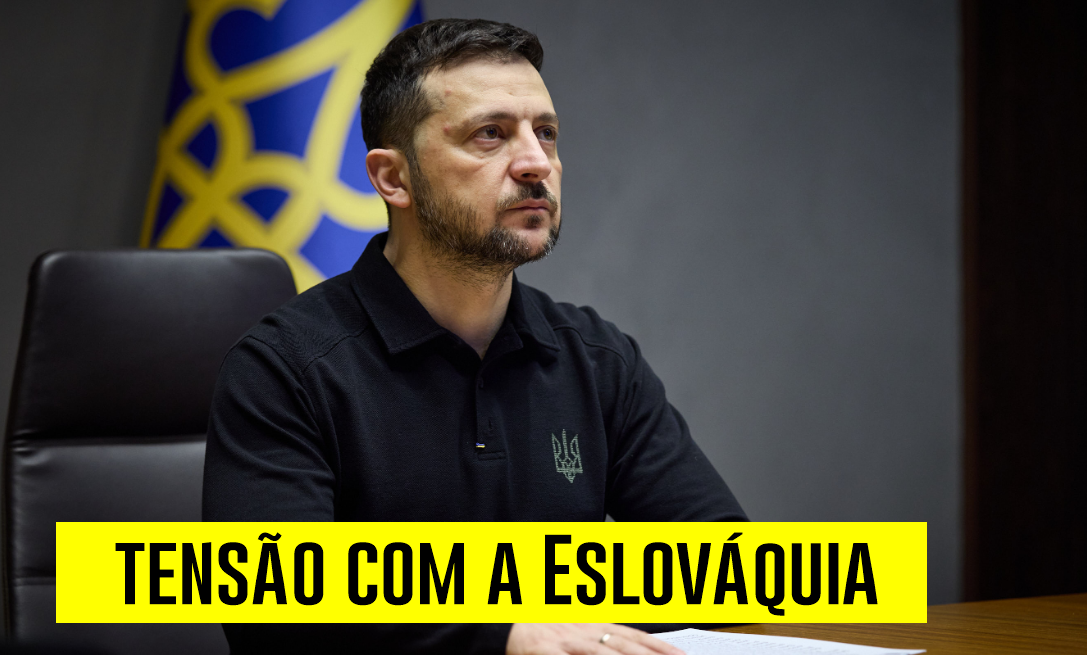
The Slovak Government Claimed That Zelenskyy Offered €500 Million as a Bribe to Secure Support for Ukraine’s NATO Membership. Understand the Controversy.
The Prime Minister of Slovakia, Robert Fico, made an accusation against the President of Ukraine, Volodymyr Zelensky, during a European Union summit in Brussels..
According to Fico, Zelensky proposed a deal involving €500 million in Russian assets in exchange for Slovakia’s support for Ukraine’s NATO membership. The statement was revealed by the publication Politico and caused a stir in the international political scene.
Controversial Meeting During the EU Summit
According to Fico, the central theme of the meeting with Zelenskyy was the financial impact suffered by Slovakia due to the disruption of Russian gas transit. During the press conference, the Slovak Prime Minister stated:
-
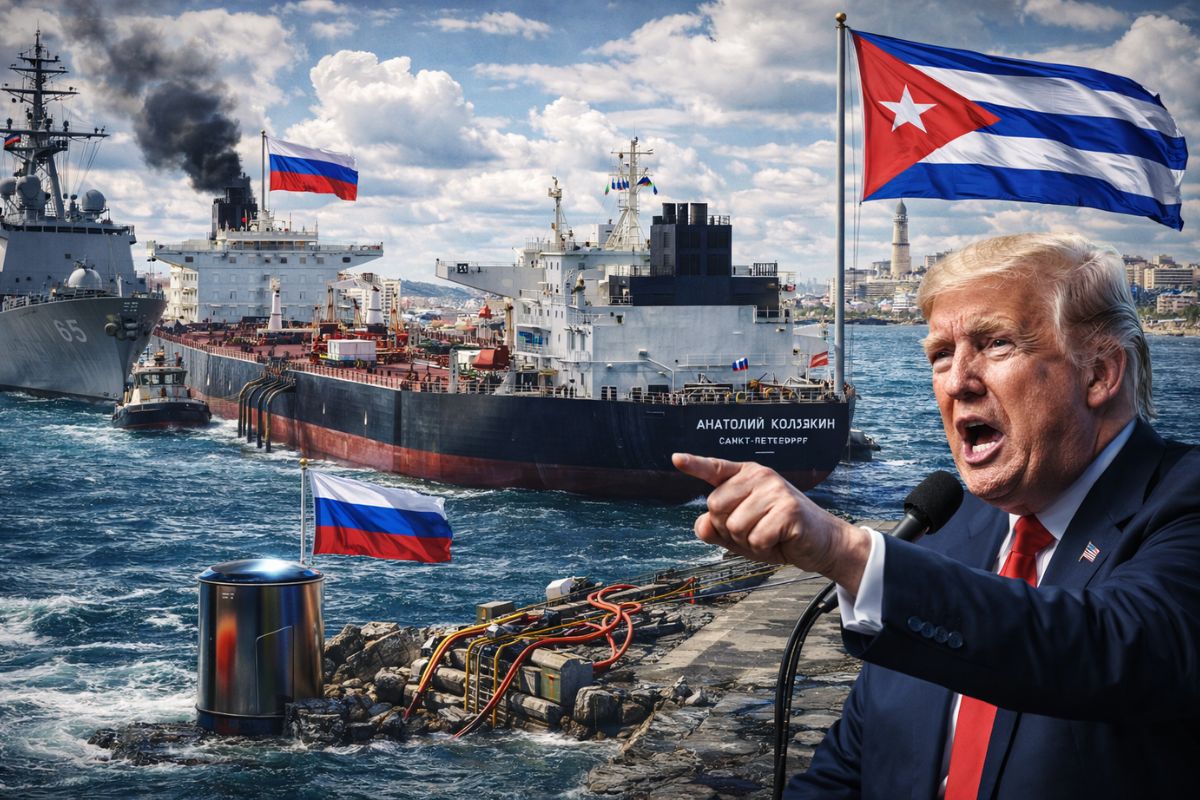
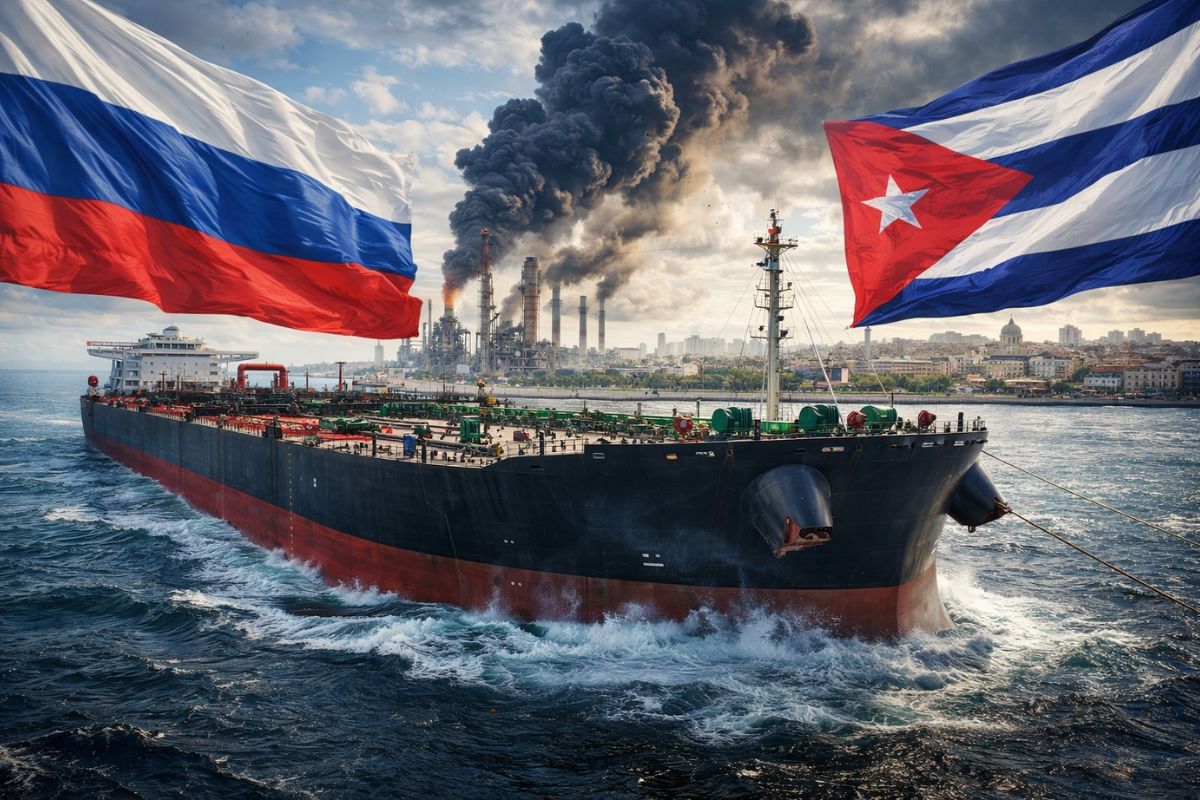
Russia has broken the U.S. maritime blockade to send oil to Cuba and is now loading a second ship while Trump says that “Cuba is next” in a possible military action against the island.
-
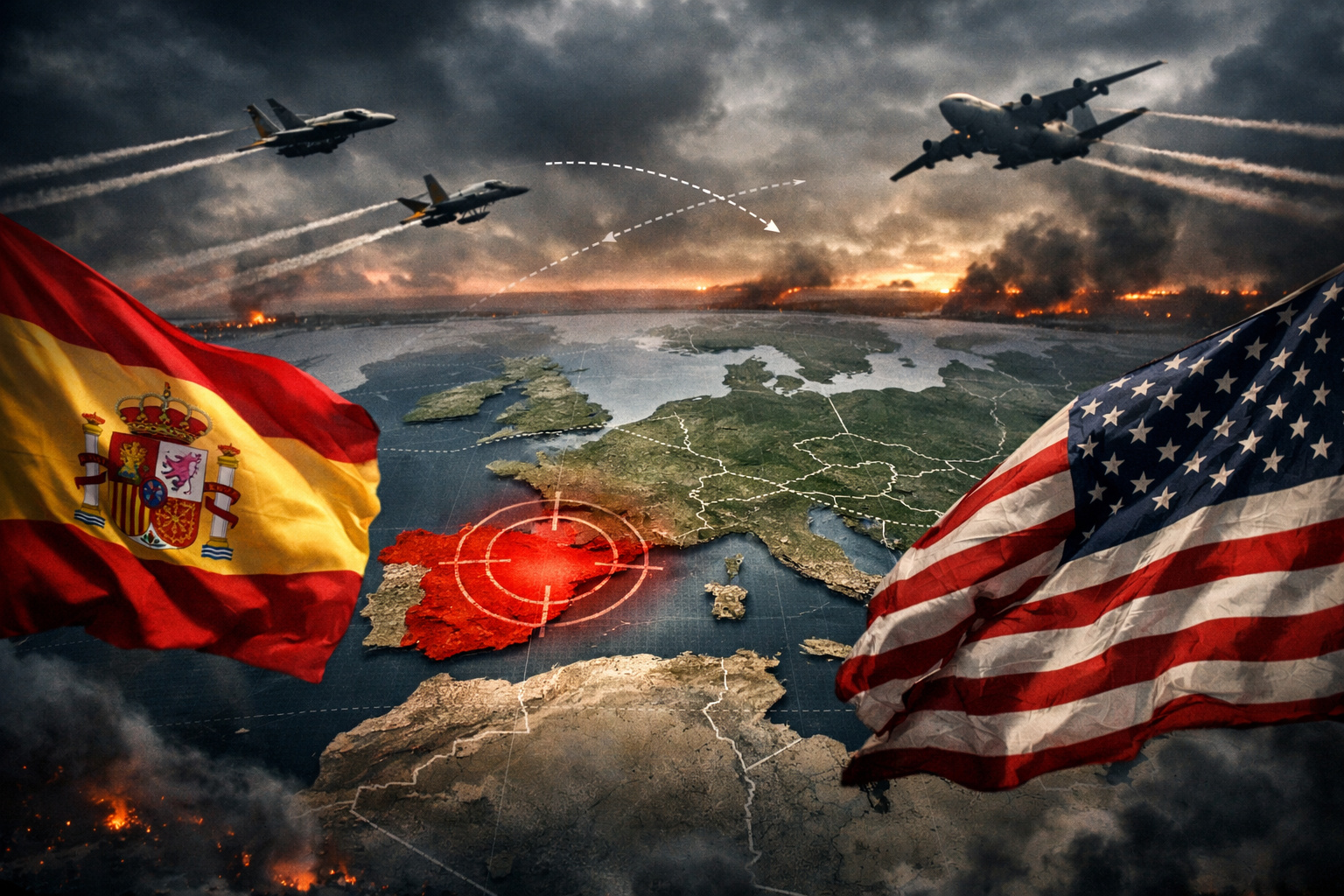
Spain challenges the USA and closes its airspace for operations against Iran, raising global tension and provoking the threat of a trade rupture.
-
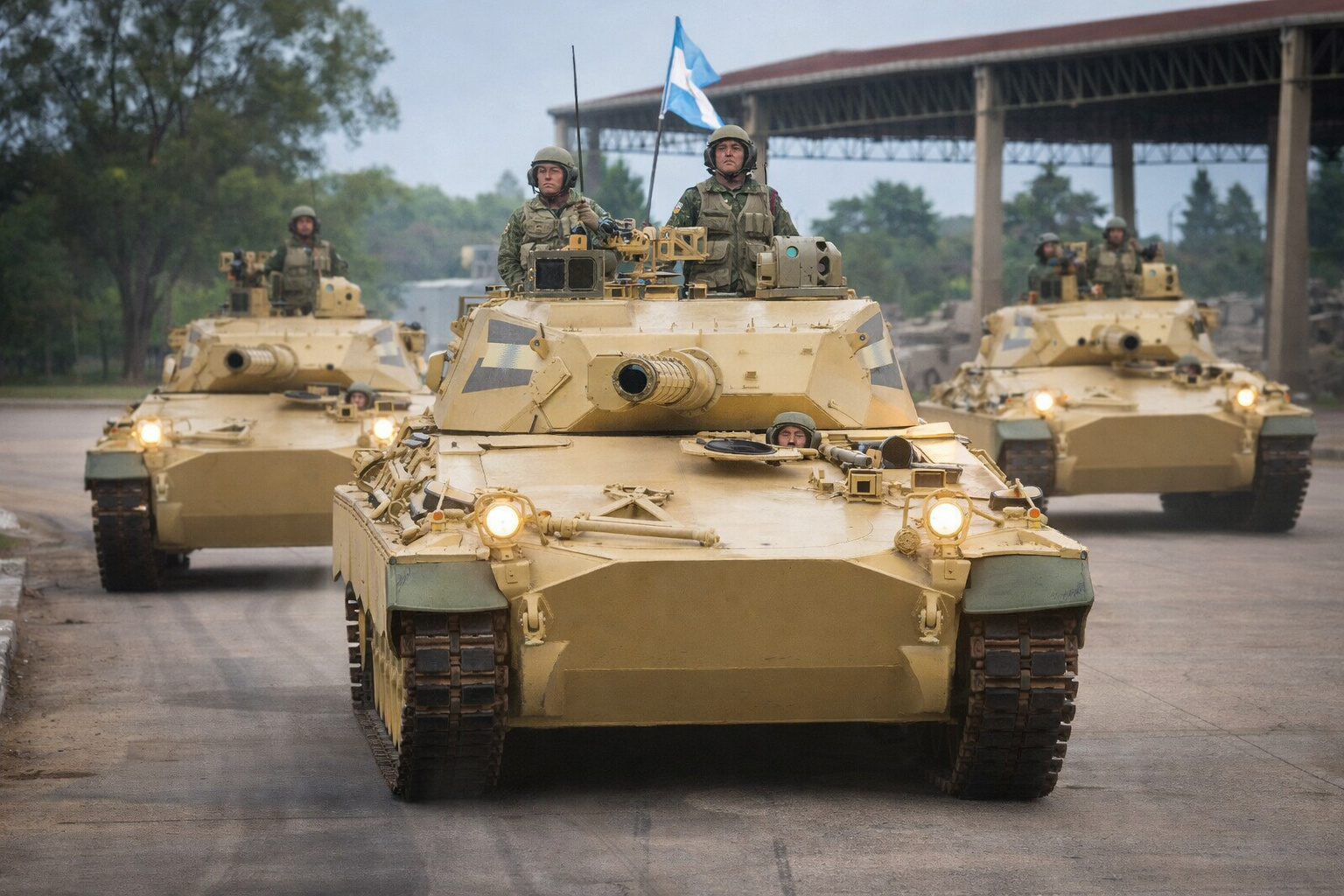
While no other country manufactures tanks in Latin America, Argentina activates the TAM 2C-A2 and raises a curiosity about the technological lag in the region.
-
A Russian ship with 730,000 barrels of oil has just arrived in Cuba while Mexico negotiates fuel sales through private companies: the communist island is desperately seeking alternatives after losing its supply from Venezuela due to American military action.

“After telling Zelenskyy that Slovakia could lose about €500 million in gas transit fees per year, he asked me if I would vote for NATO membership if he gave me €500 million in Russian assets. And, of course, I said ‘never’.“
Still during the summit, Fico described the proposals made by Zelenskyy behind closed doors as “absurd” and stated that Ukraine had deliberately harmed the Slovak economy. He declared that the country is facing a “gas crisis” caused by the decisions of the Ukrainian president.
Technical and Historical Context of the Crisis
The gas transit contract between Russia and Ukraine, which has been in effect since 2020, is set to expire on January 1, 2025.
Ukraine has already signaled that it does not intend to renew the agreement with the Russian state-owned Gazprom, which directly impacts countries in the European Union, such as Slovakia, which relies on this gas to meet a significant part of its energy demand.
The position of Ukraine was confirmed by both President Volodymyr Zelensky and Ukrainian Prime Minister Denys Shmyhal. Both emphasized that there is NO possibility of renewing the transit agreement.
Shmyhal also emphasized that the Ukrainian system will be available to transport gas as long as it does not originate from Russia.
Zelenskyy was even more direct in stating that Ukraine will not accept transit of Russian gas, even if it is disguised as Azerbaijani gas.
The situation generated discomfort among European leaders, especially at a time when the European Union is trying to reduce its dependence on Russian gas. Currently, only 6% of the gas consumed in Europe originates from Russia, with 4% of that total transiting through Ukrainian territory.
Putin Receives Fico in the Kremlin
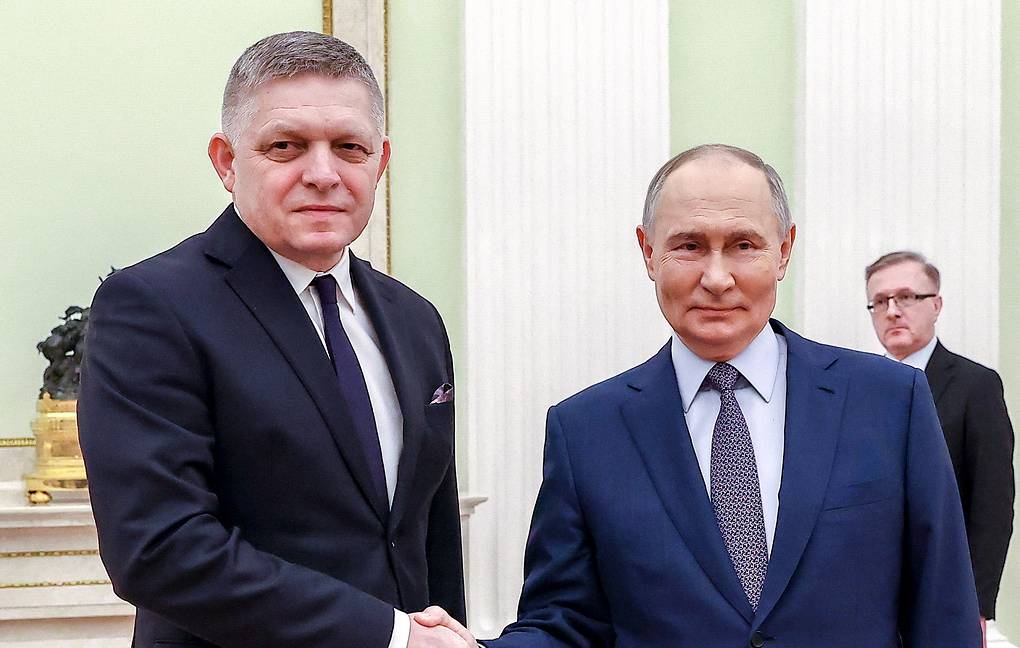
Amid rising tensions, Russian President Vladimir Putin received Robert Fico in the Kremlin on Sunday (22). The meeting occurred at a critical time, with the impending end of the gas transit contract between Russia and Ukraine.
According to Kremlin spokesperson Dmitry Peskov, discussions focused on the issue of gas transit and the current international situation.
Fico’s visit to Moscow was announced just days before the meeting, raising speculations about possible new agreements between Slovakia and Russia.
The Slovak dependence on gas that transits through Ukraine and the rising transportation costs should it need to seek alternative suppliers are priority issues for the Slovak government.
Fico had already warned at the European summit about the economic impacts of the end of Russian gas transit through Ukraine.
In the face of the imminent interruption of the gas transit contract, the European Union is already taking steps to minimize the impacts.
According to Dan Jørgensen, EU Energy Commissioner, the bloc is actively working to completely sever energy ties with Russia. He stated:
“Our main priority is to eliminate any dependence on Russian energy.“
This strategy is part of a joint effort to reduce geopolitical risks and increase the energy security of the bloc, especially after nearly two years of war between Russia and Ukraine.
Uncertain Future for Slovakia
The firm position of Ukraine not to renew the transit contract and Fico’s visit to Putin indicate a complex scenario for Slovakia. With a dependence on Russian gas and public criticism of support for Ukraine’s NATO membership, the Slovak government faces the challenge of balancing its energy needs with political and diplomatic pressures.








-

-

3 pessoas reagiram a isso.