





 Portuguese
  English
  Spanish
  5 min of reading
  4 comments


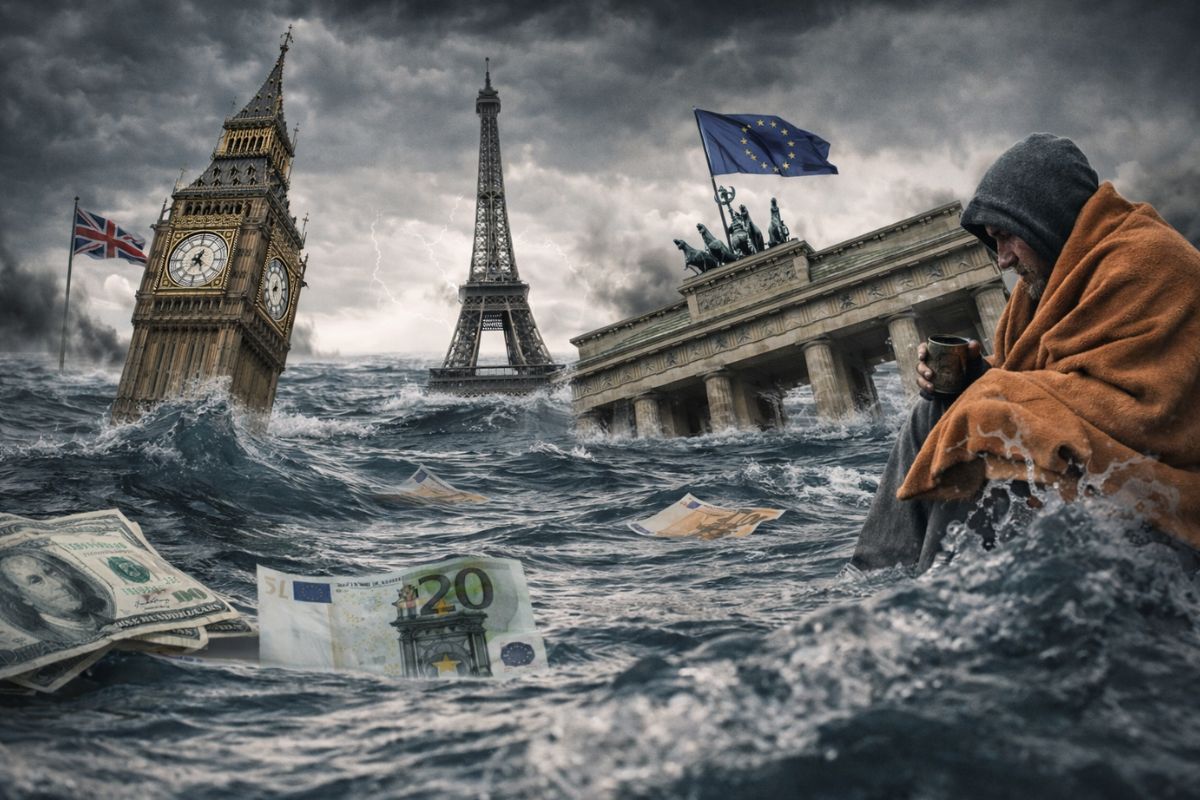


Expert Claims on January 2, 2025, That Europe Is Sinking into Decay, Combining High Social Spending, Aging Population, Loss of Industry, and Advancement of the Indo-Pacific, Risks Being Without European Economy Among the Ten Largest in the World by 2050 If Nothing Changes Structurally and Serious Internal Political Crisis
On January 2, 2025, diplomat and former director of Spain’s intelligence services Jorge Dezcallar stated that Europe is sinking into decay and that, by 2050, no European economy is expected to be among the top 10 in the world. This assessment is based on a combination of demographic, fiscal, industrial, and geopolitical data showing the continent’s rapidly declining weight.
Recalling that Europe had about 25 percent of the world’s population in 1900 and today barely reaches 6 percent, while maintaining about 17 percent of global GDP and nearly 50 percent of all social spending on the planet, the diplomat argues that the current model is expensive, difficult to sustain, and highly vulnerable to rapid aging. In his view, if nothing changes, the phrase “Europe is sinking into decay” will cease to be a warning and become a consolidated diagnosis by mid-century.
Europe Is Sinking into Demographic Decay and Losing Economic Space

The first axis of the thesis that Europe is sinking into decay is demographic.
-
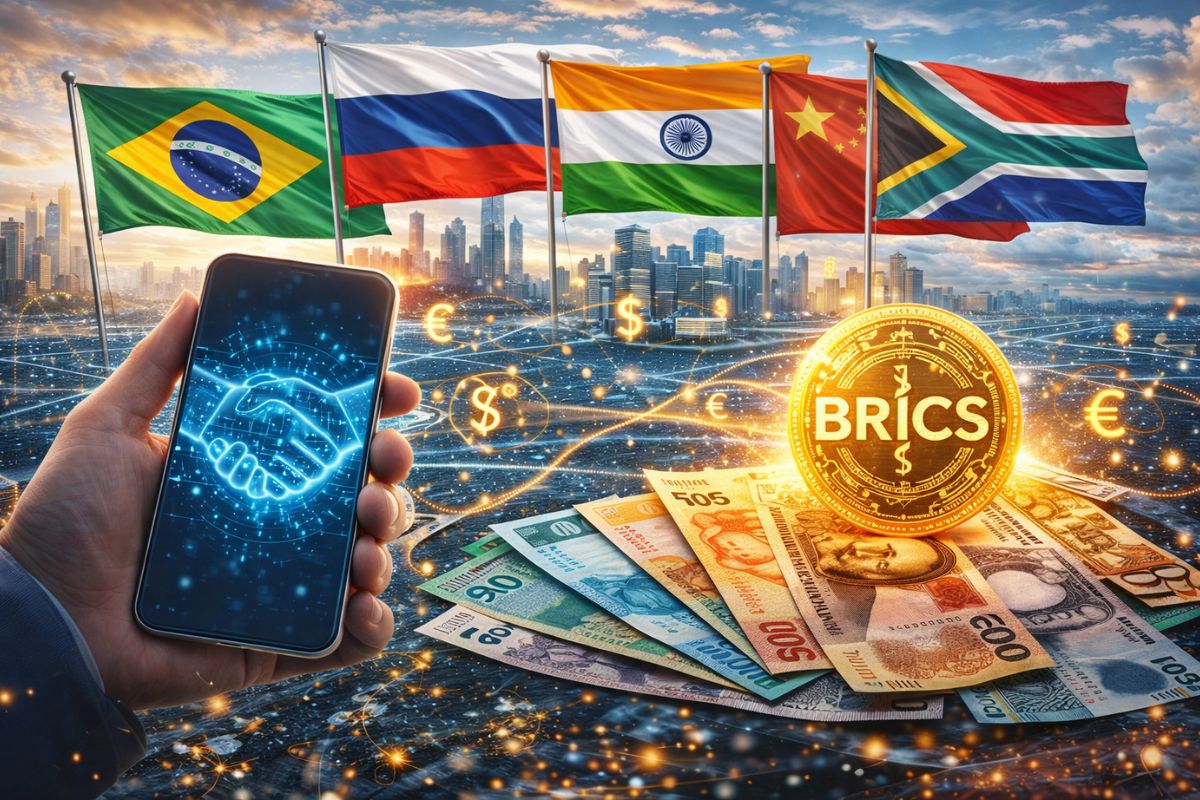
BRICS is building its own payment system that could be operational by 2030, and experts say it could increase trade between the countries by up to 10% per year and add 3% to the GDP of each member of the bloc.
-
Government suspends over 3 million traffic fines in Brazil and drivers breathe a sigh of relief.

-
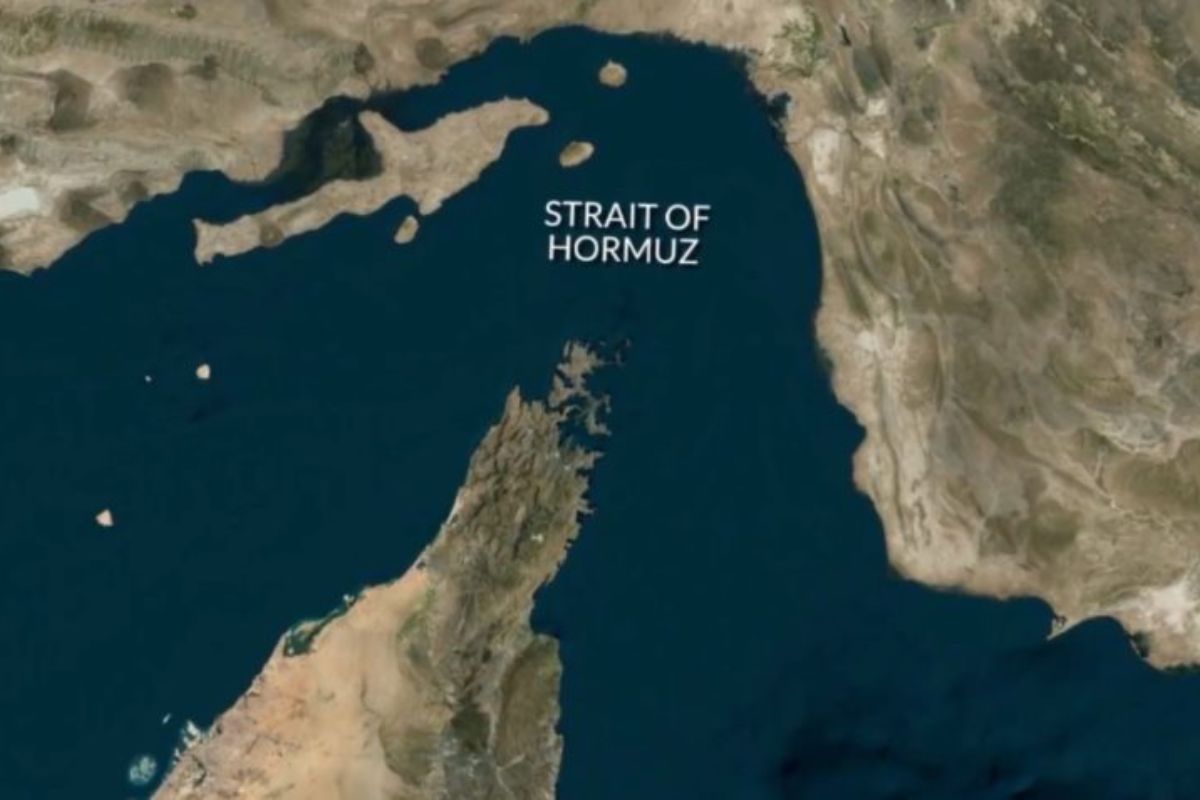
Iran has just approved toll charges for ships in the Strait of Hormuz and has completely prohibited the passage of vessels from the United States and Israel in the world’s most important maritime route for the global energy market.
-
Government cancels R$ 25 million “celebration” for Brasília’s anniversary and allocates funds to health.


The region is aging rapidly, recording more deaths than births and increasingly relying on immigration to maintain a minimal workforce, while facing recurring political crises precisely around immigration policy.
This demographic scenario is connected to a stagnant economy.
For 2024, estimates indicated timid growth of less than 1 percent in an area that still accounts for about one-fifth of global GDP, but is losing competitiveness to the Indo-Pacific, which accounts for approximately 62 percent of global GDP and 65 percent of the population.
As the center of economic gravity shifts eastward, Europe discusses how to preserve social welfare standards that depend on an increasingly reduced productive base.
Very High Social Spending and a Model Under Pressure

Another central point of the diagnosis that Europe is sinking into decay is the weight of the welfare state.
With only 6 percent of the world’s population, the continent concentrates around half of all social spending on the planet, in a structure that includes universal healthcare systems, extensive public education, and generous safety nets.
According to Dezcallar, this model “has gone too far” because it was built during a period when Europe dominated the international scene, had a growing young population, and could finance generous policies based on a much larger economic weight.
Today, with low growth, rapid aging, and loss of influence, maintaining the same level of social spending means straining national budgets and opening up to recurring fiscal crises.
Industry at Risk and Dependence on the USA, Russia, and China


The idea that Europe is sinking into decay is not just symbolic.
It appears in three strategic dependencies that the diplomat himself summarizes as accumulated mistakes: placing security in the hands of the United States, energy in the hands of Russia, and trade in the hands of China.
In practice, the continent has not consolidated a unified foreign policy, has not created a truly integrated common defense, and has allowed its industry to lose ground in crucial segments like advanced technology and military equipment.
The bullets made by one country are not compatible with the rifles produced by another, and tanks from different European manufacturers do not follow a unified standard, which limits efficiency even with combined military spending exceeding that of China.
At the same time, dependence on Russian gas and oil and the exposure of industrial chains to China have left Europe vulnerable to external shocks, sanctions, trade wars, and geopolitical instabilities.
The result is an industry losing competitiveness against Asian and North American competitors, while European companies pay more for energy and for environmental regulations than their rivals.
Indo-Pacific Rises, Europe Sinks Into Relative Decay
The view that Europe is sinking into decay is also supported by the structural change in economic geography.
With about 62 percent of global GDP and 65 percent of the world’s population concentrated in the Indo-Pacific, the economic axis has shifted from the Atlantic to centered around Asia, especially China and India.
In this scenario, France and the United Kingdom still hold permanent seats on the UN Security Council, but major demographic and nuclear powers like India are left out, while Africa and Latin America lack permanent representation.
Europe preserves part of the power architecture created after 1945, but is losing material relevance, making it increasingly difficult to sustain the standard of living built throughout the 20th century.
Risk of Exiting the Group of the 10 Largest Economies by 2050
The harshest phrase in the diagnosis is the projection that by 2050, there will be no European economy among the 10 most important in the world.
The combination of aging, low productivity, industrial loss, and external dependencies fuels the perception that Europe is sinking into relative decay, while megacountries emerging increase their share of global GDP.
India has already surpassed the UK in economic size, and other Asian countries are quickly approaching the leading European ones.
According to Dezcallar, the loss of economic influence is accompanied by a loss of political and military projection, as Europe does not speak with one voice, does not have a common immigration or energy policy, and remains divided when defining strategic priorities.
What Would Be Necessary to Stop the European Decay
Despite the pessimistic tone, the expert argues that there is still room to react.
A report led by Mario Draghi estimated that Europe would need to invest around 800 billion euros per year to rebuild its industrial base, gain scale in technology, and compete on equal footing with the United States and China.
This includes consolidating a truly integrated defense industry, coordinating energy policies to reduce vulnerability to external shocks, revising fiscal rules that hinder productive investment, and strengthening common institutions.
In Dezcallar’s view, the less integration there is, the faster Europe sinks into decay; the more integration, the greater the chance of preserving part of its current influence and standard of living.
The dilemma is that these changes need to occur in an environment of growing social discontent, the rise of populist and far-right parties, and fatigue with structural reforms that often mean cuts or restructuring in the welfare state itself.
Between the need for heavy investment and the pressure to maintain benefits, governments remain trapped in internal deadlocks.
In light of this scenario of aging, loss of industry, external dependence, and the risk of not having any economy among the 10 largest in the world by 2050, do you think that Europe is sinking into irreversible decay or can it still reinvent itself with more integration and deep reforms in the coming decades?







Eu acredito que é uma sina ou um destino. Não há como ser mudado.ate porque os europeus mesmo não acreditam em outra coisa que não seja a crença na sua superioridade tecnológico científica e racial.da velha europa Se recusam a olhar pra fora da velha europa e nao percebem ou não querem aceitar que “suas” Ex.colonias de exploração já superaram os seus países colonizadores. ex: México X Espanha. Brasil X Portugal Índia X Reino unido.
Quem planta colhe.!!
A Europa está em outro padrão civilizatório. Exceto em razão de uma grande guerra com a Rússia, acho que eles acharão os meios para manter sua política de bem-estar social.