





 Portuguese
  English
  Spanish
 3 min of reading
  0 comments


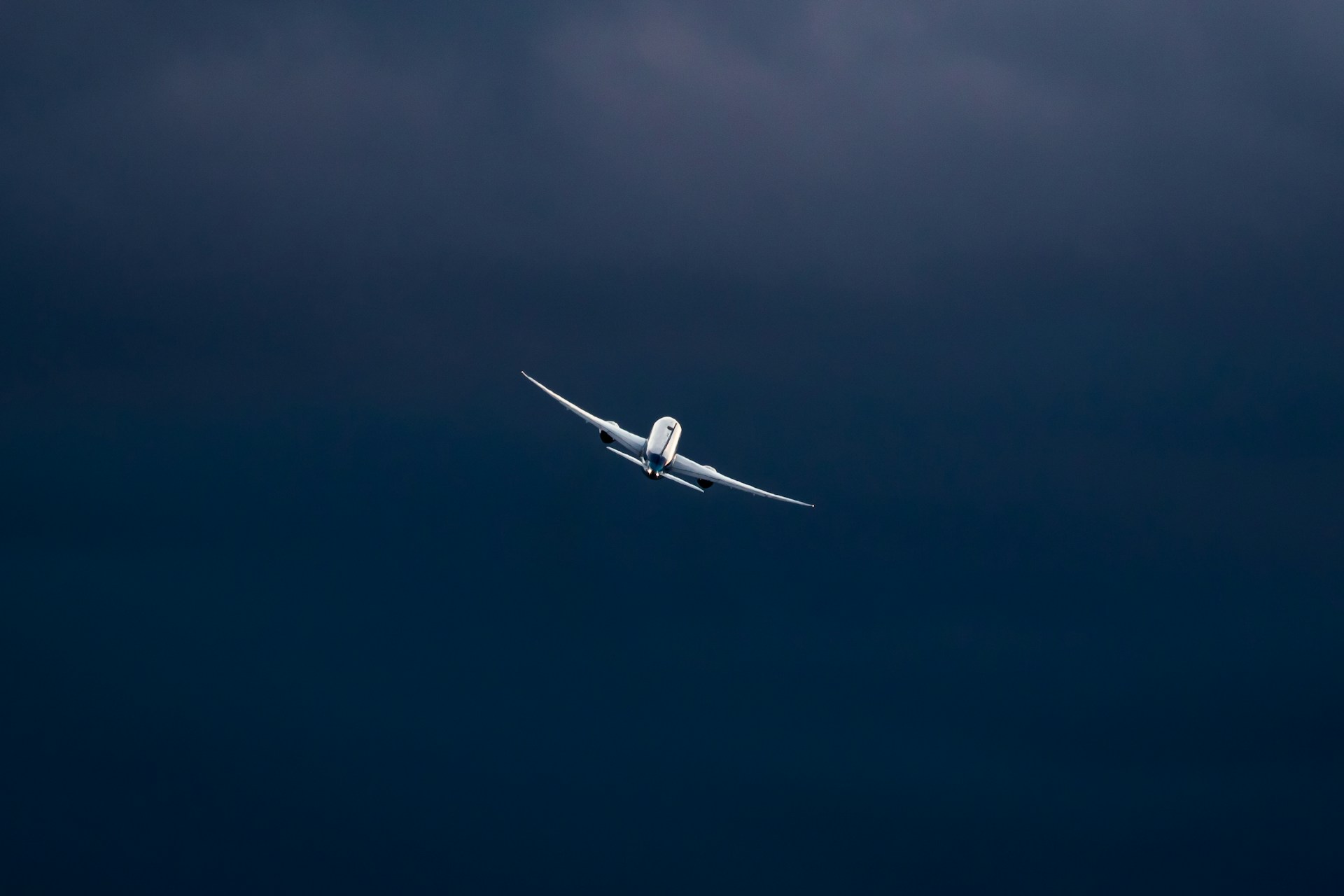
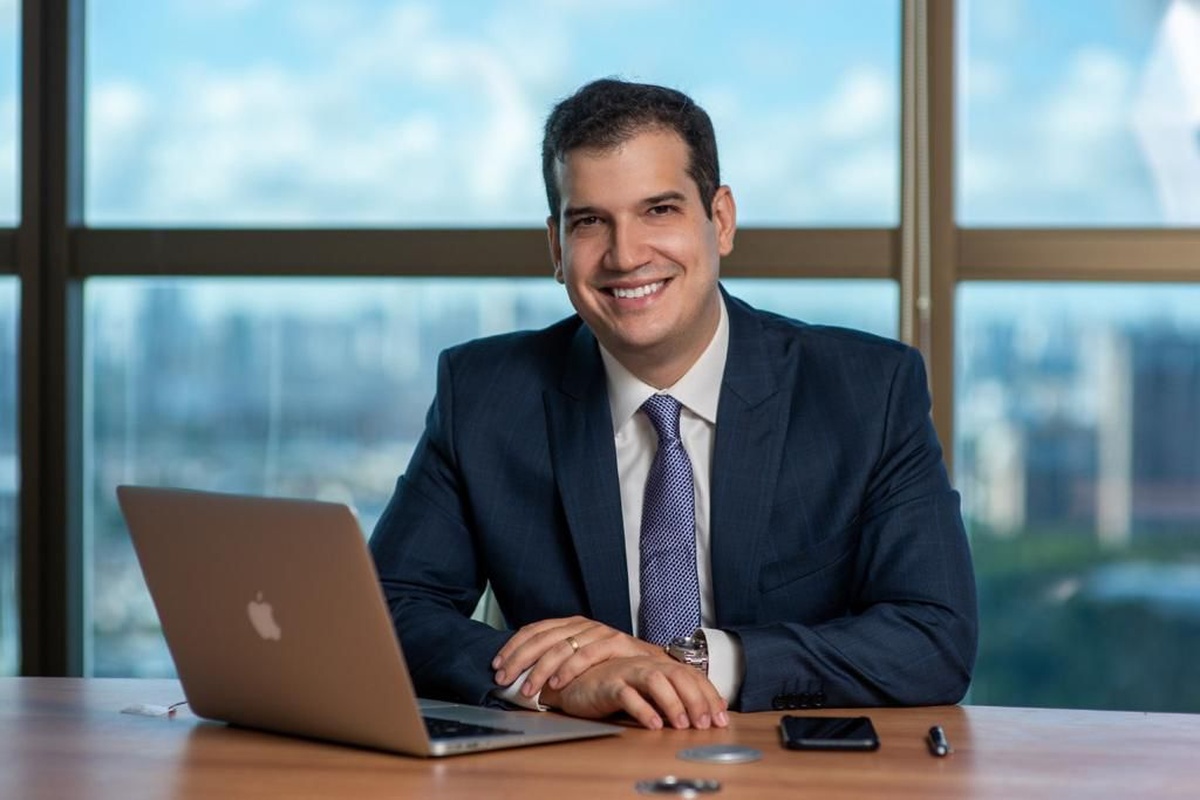
With 25 years of experience and 8,000 flight hours, Commander Gerardo Dominguez Tron reveals how an athlete’s discipline is the secret to maintaining performance throughout a career.
Taking care of health is a necessary point in any area of activity. In a sector where critical decisions are made in fractions of a second, physical preparation has ceased to be a differential and has become a determining factor for professional longevity. In executive aviation, for example, which is marked by irregular work hours, long periods of concentration, and high levels of responsibility, attention to health directly impacts performance, operational safety, and the ability to maintain an active career for decades.
According to a study by the University of Bristol, there is evidence that physical conditioning can increase productivity by up to 72%. Other studies on human performance also indicate that physically active professionals display greater resistance to fatigue, better reaction times, and higher levels of sustained attention.
-
Historic bankruptcy of Centauro shocks the market, and the century-old company puts more than 500,000 products, machines, and complete infrastructure up for online auction.

-
Oncorp wins auction and enables biodiesel and gas thermal plants in Brazil, with strategic projects in Suape and Xavantes Aruanã.
-
New shoe factory in Ceará is expected to create 400 jobs and strengthen the local economy.

-
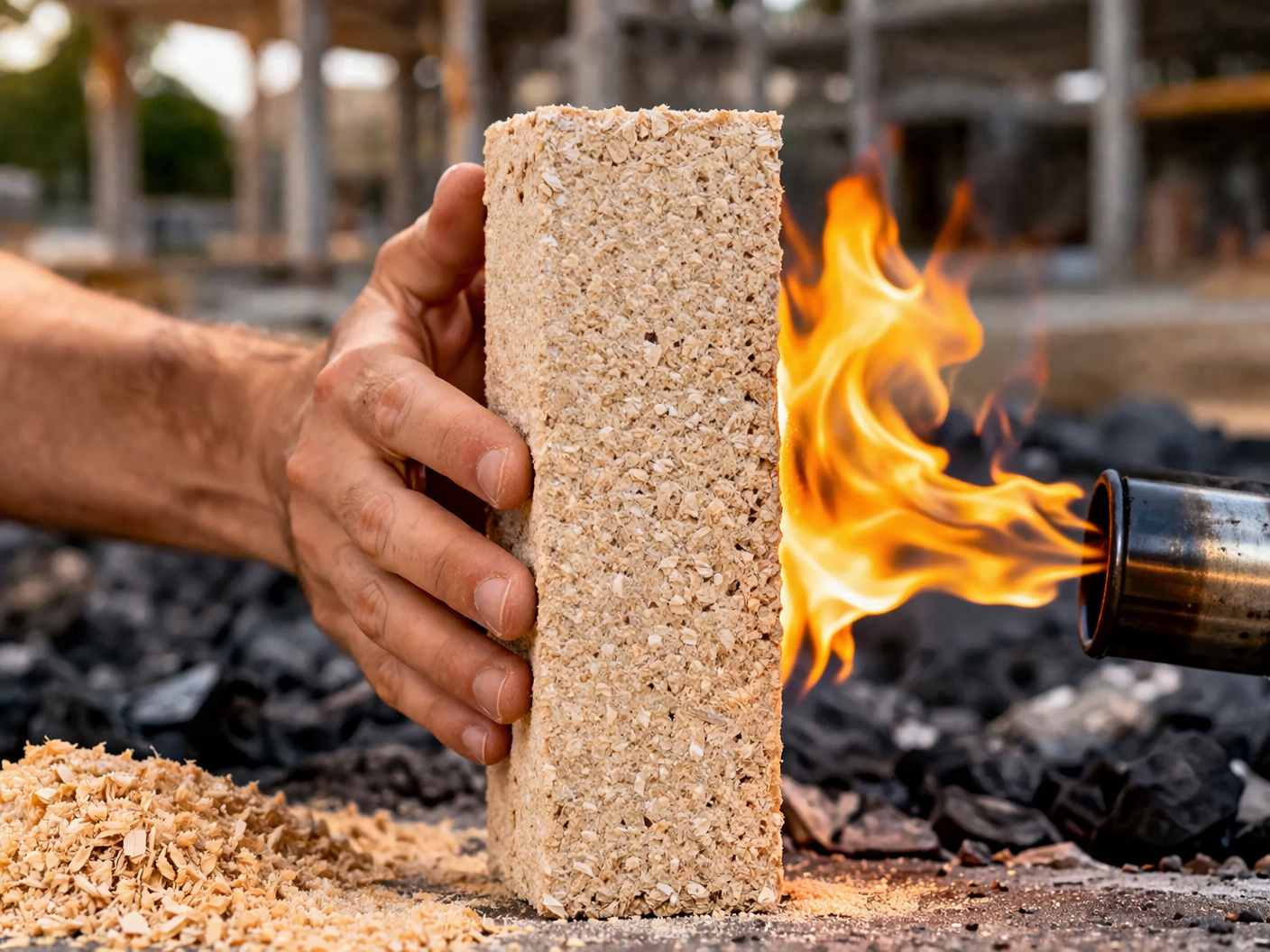
No one imagined it, but a mixture of sawdust with a mineral that fights fires surprises scientists with a result that changes the course of fire-resistant construction.

And in aviation, where focus needs to be on point, health becomes a great ally in maintaining flight safety and ensuring many good years at the controls.
Furthermore, data from research in aviation ergonomics indicate that factors such as sedentarism, poor sleep quality, and accumulated stress are among the main causes of decreased performance in experienced pilots, especially after the age of 40.
Experience That Makes All the Difference
For Commander Gerardo Dominguez Tron, the solution for a long and safe career lies not only in flight manuals but in the conditioning of one’s own body. With a quarter of a century dedicated to the skies, he has become an influential voice in advocating that longevity in the cockpit is a matter of physical and mental endurance.
As the Director of Operations at the same organization for the past 17 years, Gerardo has closely witnessed the sector’s transformations. For him, commanding aircraft like the Gulfstream G450 and the Challenger series requires more than technical skill; it demands a biological readiness that only regular exercise can provide.
Gerardo’s central argument is that aerobic exercise functions as a “safety tool.” A well-trained cardiovascular system optimizes oxygen delivery to the brain, a critical factor in maintaining mental acuity after ten hours of transatlantic flight or during complex approaches under adverse weather conditions.
For him, physical conditioning is not an aesthetic goal but a strategy to neutralize the accumulated wear that often affects veteran professionals, ensuring that reflexes remain sharp, fatigue is minimized, and energy is controlled.
According to the commander, keeping the body prepared is a way to preserve mental clarity on long flights, cope with constant time zone changes, and respond accurately to unforeseen situations, factors that are part of executive aviation’s routine and demand a high level of physical and cognitive performance.
“The plane can be modern, but the person making the decisions is still the human being,” he summarizes. For him, longevity in a career is not just linked to accumulated experience, but to the ability to sustain that experience with health, discipline, and self-awareness. Preparing physically, in this context, is to invest in safety, consistency, and quality of life, both inside and outside the cockpit.
By integrating sports science into the routine of executive aviation, Gerardo Dominguez Tron redefines what it means to be a pilot in the 21st century. He demonstrates that, to achieve longer and safer flights, the secret is to ensure that the “human engine” is always in its best shape.
Daiane de Souza | 0007147/SC








Seja o primeiro a reagir!