





 Portuguese
  English
  Spanish
  3 min of reading


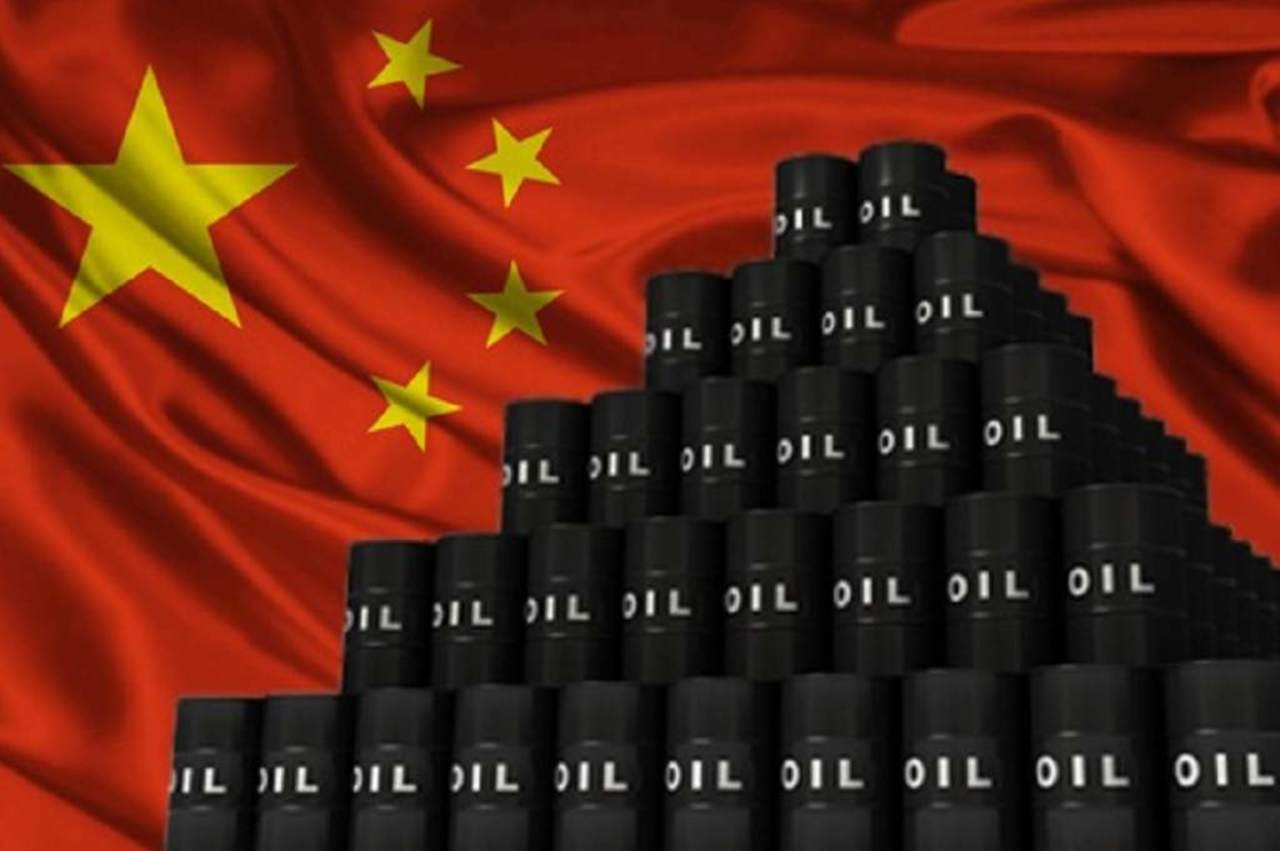
China Is Fueling The Oil Boom In South America, Experts Say
China’s oil demand has been one of the few bright spots for a South American oil industry severely affected by a long-term global oversupply and the economic consequences of the COVID-19 pandemic. The energy hunger of the world’s second-largest economy continues to grow, despite the global COVID-19 pandemic and a sharp decline in global economic activity in 2020.
Also Read
Oil Imports From January To November 2020 Grew 9.1% In South America And China
Data from the General Administration of Customs of China shows that oil imports from January to November 2020 grew 9.1% year-on-year, averaging 13.5 million barrels per day.
The five largest suppliers of crude oil to China during this period were Saudi Arabia, Russia, Iraq, Brazil, and Angola. Despite weaker global energy demand, mainly due to the COVID-19 pandemic and related lockdowns, China’s energy demand is expected to continue rising during 2021.
-
Petrobras evaluates suspension of sales to distributors and considers canceling the cooking gas auction following guidelines from the Federal Government.
-
Lula reveals a masterstroke by Petrobras to undo a deal made by Bolsonaro, which involves the return of an important refinery that currently produces less than half of what was expected and makes Brazil dependent on international diesel.
-
A study confirms that the natural gas sector will reduce greenhouse gas emissions in Brazil by 0.5% and accelerate the energy transition by 2026.

-
Petrobras implements a severe adjustment and confirms a 55% increase in the price of aviation kerosene with a proposal for installment payments for the companies.


Oil Demand Will Not Be Reduced, Chinese Leaders Say
Even recent oil discoveries, estimated at 1.5 billion barrels of crude oil, and increasing domestic oil production will not reduce the demand for oil imports in South America. One of the main reasons is that, despite the pandemic’s consequences strongly impacting the economic performance of many countries around the world, China’s economy is rebounding.
The IMF estimates that the world’s second-largest economy will expand by 1.9% during 2020 and that GDP will grow by 8.2% in 2021. This remarkable economic acceleration will lead to increased consumption of oil and natural gas in China, which is working to secure sufficient fossil fuels to meet growing demand and maintain strategic reserves.
During November 2020, the Chinese government increased non-state oil import quotas for 2021 by 20%, and overall imports are expected to rise by 6% to 8%, potentially even more as the economic recovery accelerates. China, which is the second-largest global producer of refined petroleum products behind the United States, is projected to become the world’s largest refiner by 2025 with a capacity of 20 million barrels per day.
More Investments For Brazil In This Year 2021
The sector expects that in 2021, refining capacity alone in the world’s second-largest economy will expand by nearly 3% year-on-year to about 18 million barrels per day. Although Russia and Saudi Arabia continue to vie for the top spot among the suppliers of crude oil to China, this is good news for many oil-producing countries in South America, particularly Brazil, which has been severely affected by significantly weaker oil demand. China is the world’s largest importer of crude oil and accounts for nearly half of South America’s crude oil exports.
In September 2020, Brazil overtook Iraq to become the third-largest supplier of crude oil to the world’s second-largest economy. This can be attributed to the appeal of Brazil’s medium sweet crude oils, notably those from Lula and Búzios, produced in the pre-salt fields of Latin America’s largest oil producer.
These types of crude oil have characteristics that make them highly attractive to refiners for processing into low-sulfur high-grade fuels, especially since the introduction of IMO2020, which has substantially reduced the sulfur content in marine fuel. As the world’s largest exporter and a major global shipping hub, China is a major supplier of marine fuels.
The increasing demand from Asian refineries for sweet crude types is a key factor in the expansion of the pre-salt boom in Brazil, as well as its continued resilience against the severe economic downturn triggered by the pandemic and significantly weaker energy prices.










Seja o primeiro a reagir!