





 Portuguese
  English
  Spanish
  4 min of reading
  31 comments


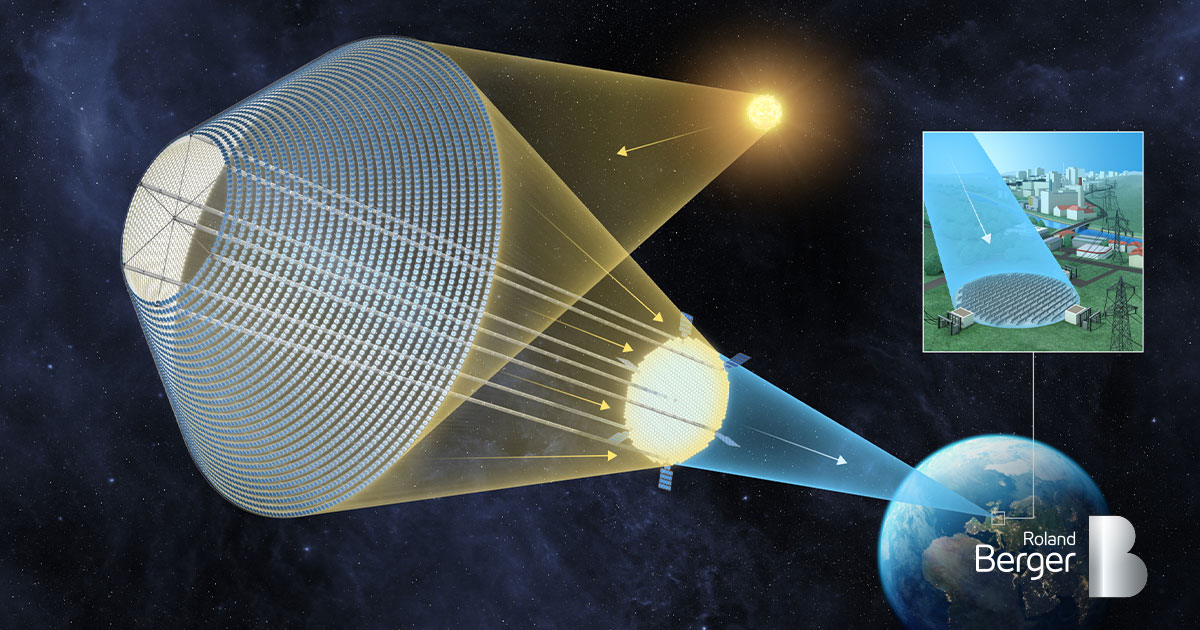


Experts Warn That the United States Must Urgently Invest in Space Solar Power Technology or Depend on China, Which Already Leads This Revolutionary Innovation.
While the U.S. Congress discusses timid changes in energy policy, China is accelerating the development of a technology that could transform the global energy landscape: the ability to transmit space solar power to Earth. This technology could be the most transformative since nuclear energy.
This advancement, which once seemed like science fiction, may soon become a reality — and if the U.S. does not act quickly, it risks becoming dependent on China to access this innovation.
Space Solar Power
Experts explain that space-based solar power (SBSP) is simple in concept but revolutionary in impact.
-
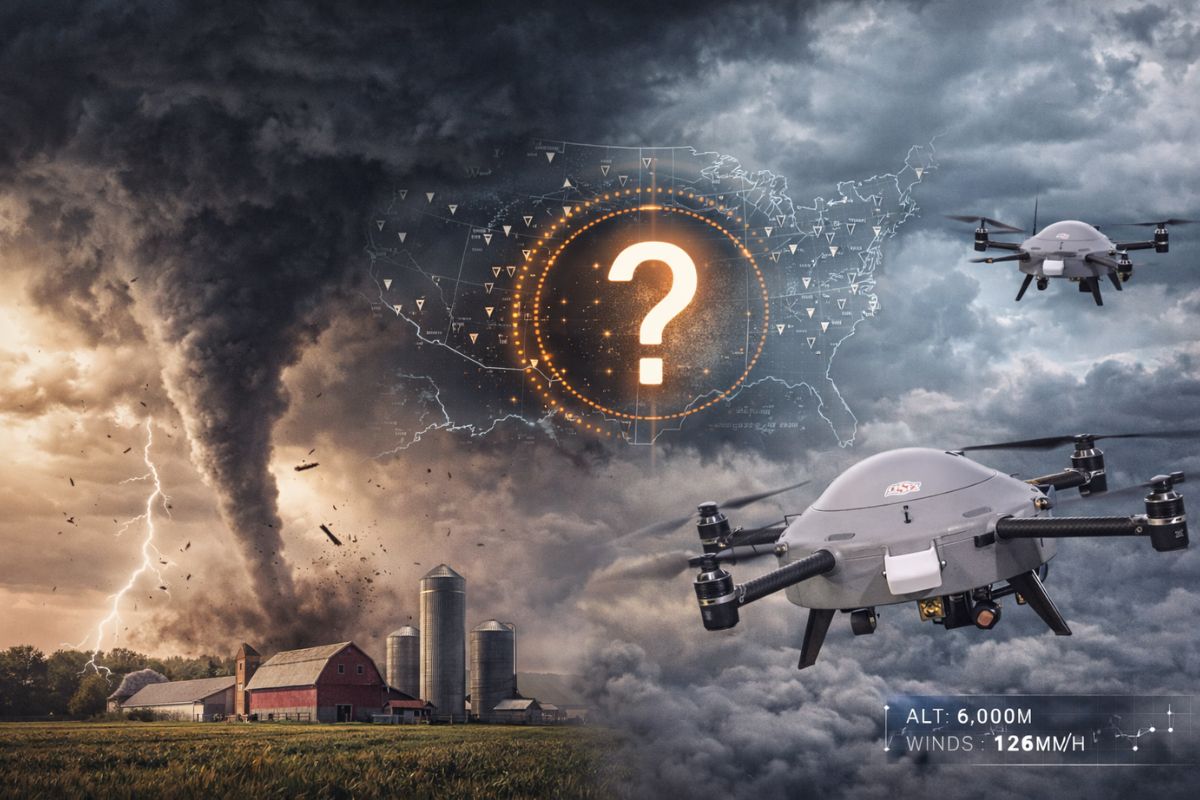
There is a gap of hundreds of kilometers between weather observation points in the United States, and now drones flying at 6,000 meters altitude in strong winds are filling this gap to predict tornadoes before they kill.
-
The most famous volcano in the world could paralyze one of the largest metropolises on the planet: Japan accelerates emergency plans for the eruption of Mount Fuji, which could bury Tokyo in ash for over two consecutive weeks.

-
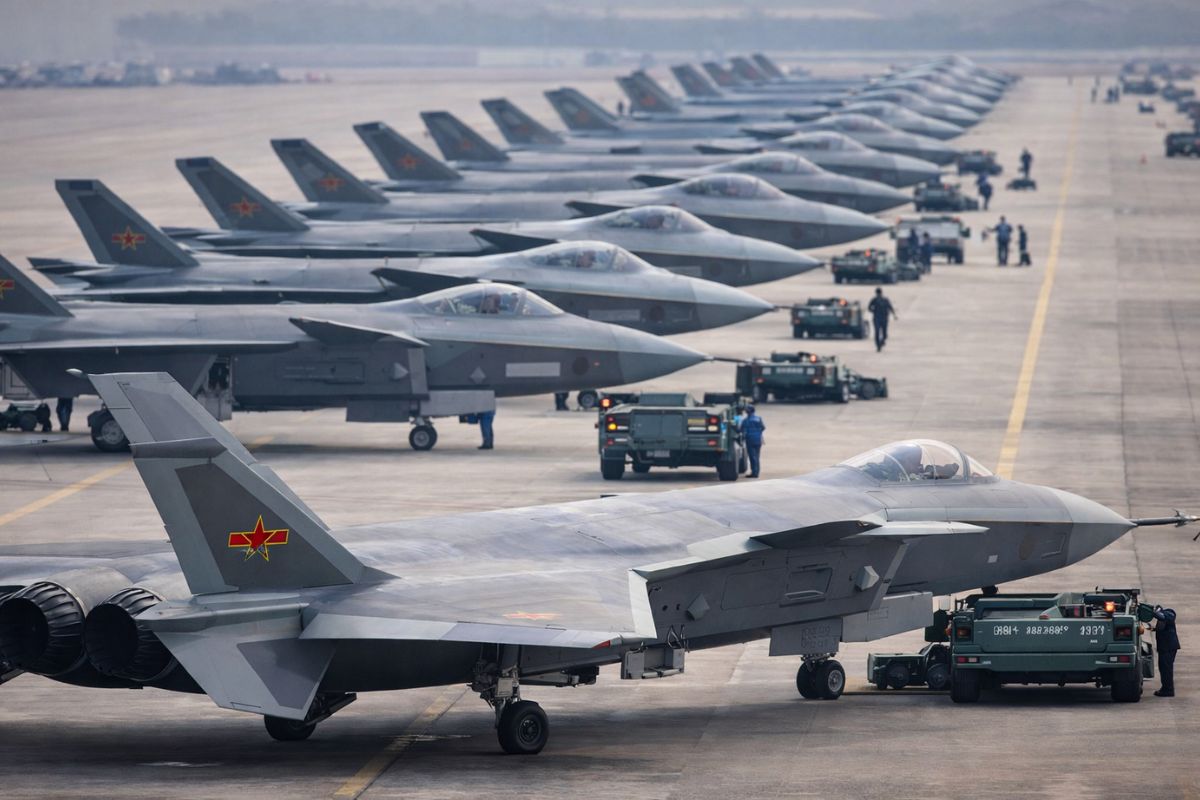
The United States has a serious problem with its F-35s: China is already producing fighters at a pace that exceeds American capacity and could manufacture up to 300 aircraft per year before the end of the decade, shifting the global military balance.
-
Remains with battle wounds of over 100 soldiers from the Roman Empire are found beneath a football field in Vienna, leaving everyone surprised.


Satellites capture solar energy in space and transmit it to the Earth via safe microwaves, similar to WiFi. Unlike terrestrial solar farms, these systems operate 24 hours a day, regardless of weather conditions or the absence of sunlight.

This technology could solve one of the biggest challenges facing American energy infrastructure.
Only the East Coast of the United States will need the equivalent of 15 new nuclear plants in the next decade to meet growing energy demand. Extreme weather events and outdated power grids make the situation even more critical.
China Takes the Lead in Space Solar Power
While the U.S. debates, China is making rapid progress. The country has already announced a prototype SBSP system by 2030.
If realized, it will be the largest man-made object in space. China’s ambition extends beyond energy: mastering this technology means showcasing space capabilities that could transform military and industrial dynamics in space.
Peter Garretson, an SBSP expert and member of the U.S. Foreign Policy Council, pulls no punches. “China will be producing this in less than 20 years, and we will be buying it from them,” he warned in a recent briefing to Congress.
Why Does It Matter?

Energy accounts for about 10% of global GDP. Those who lead SBSP not only secure energy independence but also control a multitrillion-dollar market that will define the next era of space operations.
The space and manufacturing industry is expected to exceed US$ 1 trillion by 2040, and a U.S.-led project would create thousands of well-paying jobs on American soil.
The stakes are not just economic. SBSP offers strategic advantages, such as enhanced energy security, reduced reliance on external sources, and providing clean and reliable energy.
Moreover, leadership in this sector would consolidate American influence both in space and on land.

Credit: Xidian University
The U.S. Can Still Lead
Despite the Chinese threat, the U.S. has a solid foundation to compete. American companies have already demonstrated essential technologies, and startups like Aetherflux and Virtus Solis, alongside giants like Northrop Grumman, are ready to launch demonstration missions.
Thanks to initiatives like SpaceX, launch costs have dropped significantly.
However, the fragmentation of efforts among NASA, the Department of Energy, and the Department of Defense prevents coordinated advancement. Unlike China’s centralized approach, the U.S. lacks a unified national program.
The Way Forward
Congress needs to act quickly. A national SBSP program should be led by the U.S. Space Force, with adequate funding and clear coordination.
The required investment, estimated to be several billion dollars over the next decade, will be small compared to the economic and strategic benefits.
A partnership between government, companies, and universities could enable a commercial demonstration by 2027. With U.S. technical support and infrastructure, an aggressive timeline is possible. The president should prioritize this initiative as part of a strategy to strengthen American leadership in the sector.
A Milestone for the Future
SBSP is not just a new energy source. It addresses crucial issues: energy security, grid reliability, and climate sustainability. It also positions the U.S. as a leader in developing advanced space technologies, essential for the 21st century.
The central question is: Will the U.S. lead, or will it fall behind? The world is not waiting. China is on the move, and the next steps from Congress will be decisive. The market opportunity is clear, and the technology is within reach. What is lacking is national commitment.
The Challenge of the New Energy Race
During the Space Race, Americans reached the Moon in less than a decade. Now, the energy race demands the same level of dedication. Leading SBSP is not just a matter of innovation but a strategic necessity.
The United States has the resources, expertise, and market. All that is lacking is political will. The decision to act now will define America’s role in the next great global energy transformation. The future of energy and American leadership in space is at stake.







A parte em que fala que a China lidera por ter o projeto centralizado pelo governo, isso na verdade é ruim. A iniciativa privada sempre é melhor.
Obrigado pela matéria, bem bacana.
Eu tava pensando, será que no futuro essa tecnologia será relevante mesmo? A geração de energia nuclear é a mais limpa que tem e ainda gera plutônio que dá vantagem estratégica para o país. Será que o futuro não seria energia nuclear do que está?
Nas residências, fábricas instalar parabólicas pra captar do espaço, economia nos postes para transportar a energia.
Genial, futurista