





 Portuguese
  English
  Spanish
  3 min of reading
  0 comments



NASA Study Shows That Jumping on a Trampoline for 10 Minutes Can Generate the Same Effects as Running, with Less Impact on Joints and More Benefits to the Body.
The bouncing exercise, also known as jumping on a mini-trampoline, has gained attention after a NASA study proved that just 10 minutes of this activity is equivalent to 30 minutes of running, with the advantage of offering greater protection to the joints.
Researchers from the NASA, in partnership with the University of Kentucky, compared eight young individuals running on a treadmill with the same individuals jumping on a trampoline.
The study revealed that, for the same oxygen consumption, the biomechanical load on the body was 68% greater in the bouncing exercise.
-
He started running at 66 years old, broke records at 82, and is now a subject of study for having a metabolic age comparable to that of a 20-year-old, in a case that is intriguing scientists and inspiring the world.

-
Oldest tree on the planet reappears after 130 years of searches: Wattieza, 385 million years old, was 10 meters tall and had no leaves or seeds; Gilboa fossils in New York solved the mystery in 2007.

-
A 48-square-meter house assembled in hours with 4,000 bricks made of recycled plastic that does not absorb moisture, has natural thermal insulation, and costs less than 90,000 reais in a complete kit.

-
Luciano Hang revealed that Havan’s air fleet has already accumulated more than 20,000 landings, 10,000 flight hours, and 6 million kilometers traveled, and he says that without the planes, the company would never have grown so quickly.


This means that the body is stimulated more in less time, with less effort and impact.
Physical Benefits of Bouncing
- Lower Risk of Injury: the impact from jumps is distributed evenly, which protects knees, hips, and the spine.
- Superior Metabolic Efficiency: during jumps, oxygen use is more efficient than in traditional exercises like running.
- Activation of the Lymphatic System: vertical movements stimulate lymph circulation, essential for immunity.
- Muscle Strengthening: especially in the legs, core (muscles of the center of the body), and postural stabilizers.
Scientific Origin and Adaptation to Daily Life
Originally developed for astronauts, bouncing emerged as an alternative to combat bone and muscle mass loss in microgravity environments.
Outside of spacecraft, the method has proven to be a practical and efficient alternative, ideal for those seeking quick results without compromising joint health.
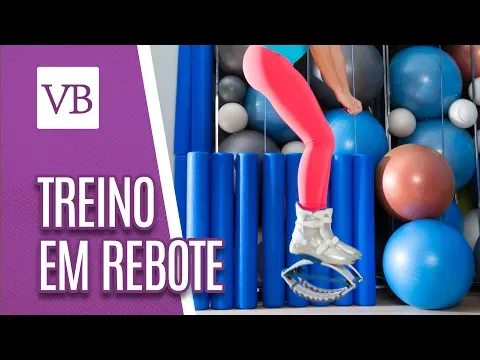

Where to Practice Bouncing
The great advantage of the exercise is its versatility. It can be practiced in different locations as long as there is enough space and a stable surface:
- Inside the House: a spacious room, balcony, or yard is sufficient to set up the mini-trampoline safely.
- Gyms: many establishments already offer bouncing classes or provide equipment for free training.
- Parks and Open Areas: as long as the ground is level, it’s possible to bring the portable equipment to outdoor settings.
- At Work: companies focused on corporate health often allow spaces for quick exercises during work hours.
- Pilates or Physiotherapy Studios: bouncing is also used in rehabilitation for its benefits in balance and coordination.
How to Practice Correctly
To make the most of the bouncing effects, it’s important to follow some basic guidelines:
- Maintain an upright posture and keep your gaze fixed on a point ahead.
- Perform gentle, controlled jumps with slightly bent knees.
- Use your arms to intensify the movement and improve coordination.
- Start with sessions of 5 to 10 minutes and gradually increase.
- Always consult a healthcare professional, especially if there are pre-existing injuries.
As practice evolves, it’s possible to include variations such as jumping jacks, high knees, and lateral movements to diversify muscle stimulation.
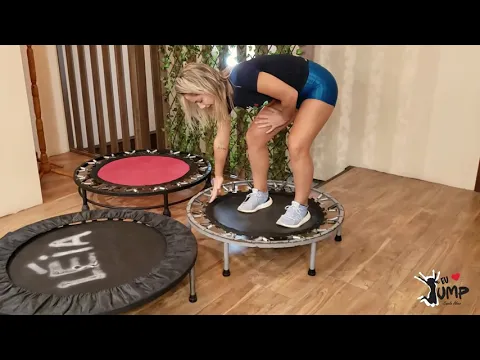
Target Audience for Bouncing
The exercise is highly recommended for:
- people who have little time to exercise;
- individuals with overweight or joint restrictions;
- elderly individuals seeking balance and coordination;
- athletes in recovery;
- beginners wishing to avoid excessive impact.
Important Precautions
Although considered a low-impact exercise, bouncing requires proper technique to avoid sprains or overloads.
Therefore, it is advisable to start with professional supervision, especially for those who are sedentary or have a history of musculoskeletal injuries.
In addition to the physiological benefits, bouncing also contributes to mental health. The rhythmic practice and light movement help reduce stress and improve mood, enhancing the feeling of well-being right after the activity.
Is it really possible that jumping on a trampoline for 10 minutes can replace 30 minutes of running — or are we facing yet another exaggerated promise from the fitness world?








Seja o primeiro a reagir!