





 Portuguese
  English
  Spanish
  4 min of reading
  134 comments


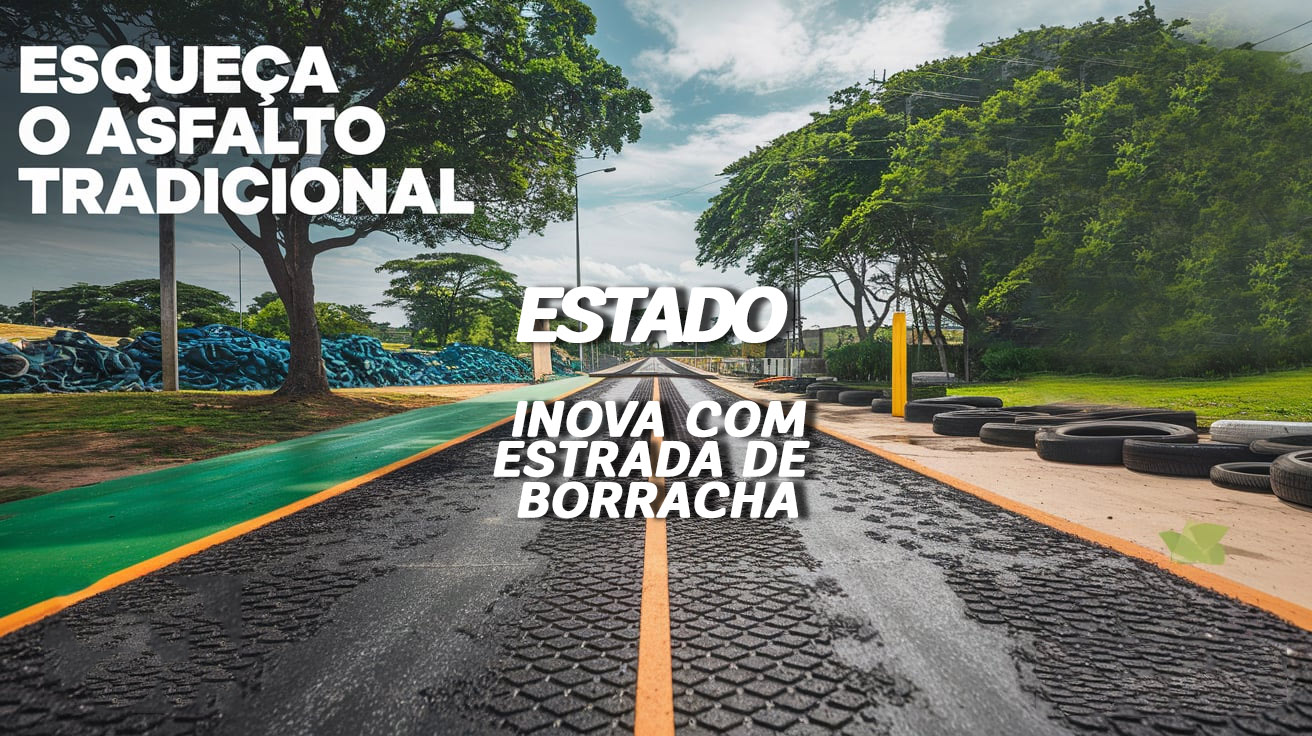


State Innovates by Turning Discarded Tires into Rubber Asphalt. With a 2,400% Increase in Usage, the State Combines Sustainability and Infrastructure by Recovering Over 5,500 km of Highways. The Technique Avoids Waste, Reduces Emissions, and Promotes Durability.
When it comes to innovation in infrastructure, Minas Gerais is putting on a show!
An unusual solution, which reuses what was once waste, has transformed the highways of Minas Gerais and is drawing attention from all over Brazil. But what’s behind this initiative?
In the past five years, the state of Minas Gerais has impressively increased the use of so-called rubber asphalt by 2,400%, an environmentally friendly material that has been gaining prominence for its efficiency and environmental contribution.
-
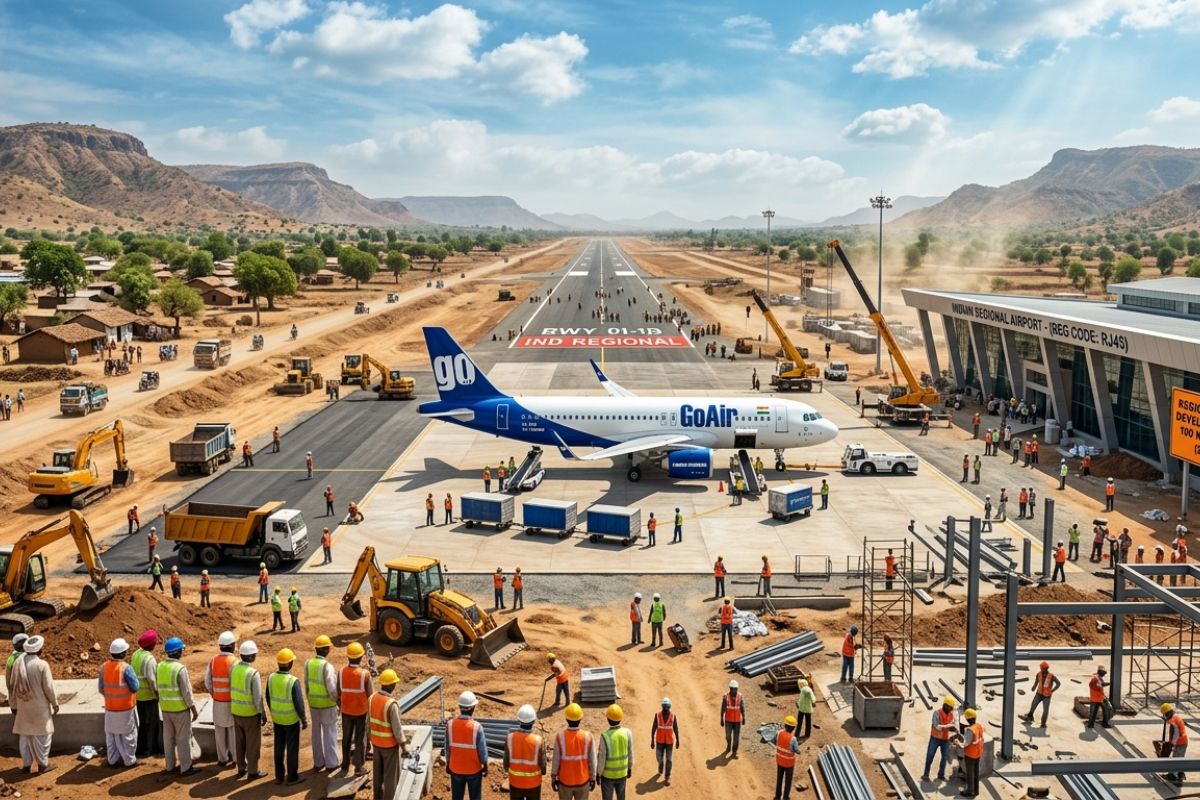
India announces a plan of $3.06 billion to bring aviation to forgotten regions: 100 new airports, $1.07 billion in subsidies, and regional routes guaranteed for 10 years, from 2026 to 2036, away from the centers.
-
Brazil blocked a proposal from the United States at the WTO that would make the exemption from tariffs on digital products like streaming and ebooks permanent, favoring American tech giants at the expense of developing countries.

-
IPTU exemption for seniors in 2026: see how to secure the benefit.

-
The institute that trained the greatest aerospace engineers in Brazil has just opened its first campus outside São Paulo after 75 years: ITA Ceará will have R$ 445 million, new courses in energy and systems, and classes are expected to start in 2027.

According to the state government, data from the company supplying the product to the Department of Highways of Minas Gerais (DER-MG) shows that the volume used jumped from 1,107 tons in 2020 to 40,115 tons in 2024, totaling 80,000 tons over the period.
But the numbers don’t stop there. The use of this material removed an impressive 1.6 million tires from the environment, preventing waste accumulation and the proliferation of dengue mosquito breeding sites.
Moreover, rubber asphalt also indirectly contributes to the reduction of carbon emissions, an impact equivalent to the preservation of 40,000 trees.
Additionally, the economic and environmental benefits have attracted the attention of other states, which are studying to implement similar solutions.
The Program That Boosted the Initiative
This significant leap is part of the program Paths to Advance, considered the largest highway recovery project in recent decades in Minas Gerais.
Since its implementation, over 5,500 kilometers of roads have received public and private investments.
Among the works that utilized rubber asphalt are highways such as MGC-496, which connects Corinto to Pirapora, and MG-164, linking Bom Despacho to Martinho Campos.
The program also included projects for implementation and paving, such as the section of LMG-739 between Congonhas do Norte, Ouro Fino, and Conceição do Mato Dentro.
For 2025, DER-MG plans to recover another 400 kilometers of state roads using this material.
The general director of DER-MG, Rodrigo Tavares, emphasizes that the choice of rubber asphalt is aligned with State Law No. 18,719/2010 and offers both environmental and maintenance gains.
According to him, “the longer lifespan of the pavement reduces the need for frequent repairs, ensuring greater durability.”
In addition, the Paths to Advance program also prioritizes highway safety, with renewed signage and works aimed at facilitating the transport of goods and passengers.
This combination of technology, sustainability, and planning reinforces Minas Gerais’ commitment to sustainable development.
Minas Gerais Leads the Use in Brazil
Minas Gerais is the state that uses rubber asphalt the most in Brazil.
According to the commercial manager of the supplying company, Roberto Perez, total consumption—considering both the public and private sectors—exceeded 210,000 tons in the last five years.
Perez explains that this type of pavement offers significant advantages: “A road paved with rubber asphalt is less susceptible to deforming under excess weight and has a lower incidence of potholes, increasing the lifespan of the highway,” he analyzes.
This type of material also proves to be more economical in the long term, as its durability reduces costs for constant repairs, benefiting both the government and road users.
What is Rubber Asphalt?
This material is produced with about 15% ground tire powder, a byproduct of recycling discarded tires.
When mixed with asphaltic concrete (AC) and heated in specific reactors, it creates a mixture that is more elastic, resistant, and durable than conventional asphalt.
Besides being sustainable, rubber asphalt presents technical advantages, such as higher viscosity and resistance to cracking, which contributes to the long-term preservation of highways.
The production process is meticulous, ensuring a high-quality product that adapts to Brazil’s varied climatic conditions, from intense heat to prolonged rainy periods.
Sustainability in Focus
The positive environmental impact of this technique is not limited to the removal of tires from the environment.
By reducing the need for frequent maintenance, rubber asphalt also decreases resource consumption and pollutant emissions, reinforcing its role as a sustainable alternative in infrastructure.
Furthermore, the reuse of discarded tires prevents these materials from ending up in landfills or being improperly disposed of, which could cause serious environmental damage.
The proliferation of disease-transmitting mosquitoes such as dengue, zika, and chikungunya is also combated with this measure.
Minas Gerais is showing that it is possible to unite development and environmental responsibility.
This initiative not only improves road conditions but also serves as an example for other Brazilian states.
The positive impact of this model can be multiplied, benefiting both the environment and the population that depends on safe and quality roads.
And you, do you believe that the use of rubber asphalt should become mandatory throughout the country? Share your opinion in the comments!





Excelente ideia, parabéns para o Zema.
Concerteza que sim… o planeta agradece…. Mas os corruptos não..?se for levar isso a sério🙏🙏
GOSTEI MUITO,.