





 Portuguese
  English
  Spanish
  5 min of reading
  0 comments


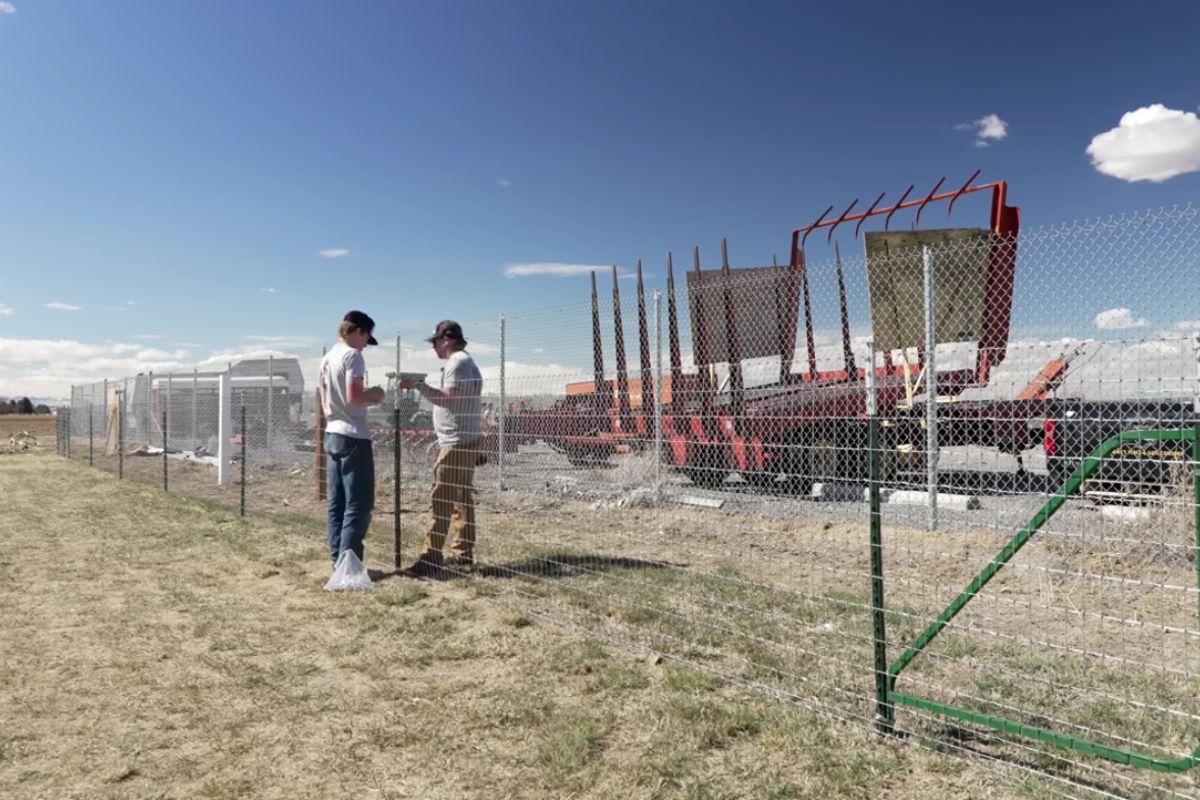
In A Farm Fence Assembled In Minutes, Two Panels And A Set Of Braces Replace Heavy Corner Posts. The Method, Seen In Public Service, Uses Minimal Posts, High-Strength Wire, Chain And Tensioner To Create Sufficient Tension, Even On A Slope, With Quick Adjustments And Daily Maintenance
The farm fence described in this analysis arises from a shock between expectation and result: a lightweight system, assembled with few posts, seemed fragile at first glance, but maintained a stable line when loaded. The account comes from a work front associated with the U.S. Forest Service, where the team arrived with defined materials and little margin for “reinforcement by instinct.”
The producer who oversaw the assembly admits that skepticism was visible before the first stretch, especially due to the absence of those large traditional diagonal posts. The central point, however, was not about “looking good,” but rather closing the elastic panel with coherent geometry, using high-strength wire, chain, and tensioner as control elements, not as decoration.
Why The Farm Fence Works With Few Posts

The first principle is structural: instead of spreading force across many posts, the system concentrates reaction at the ends, with two brace panels functioning as terminals.
-
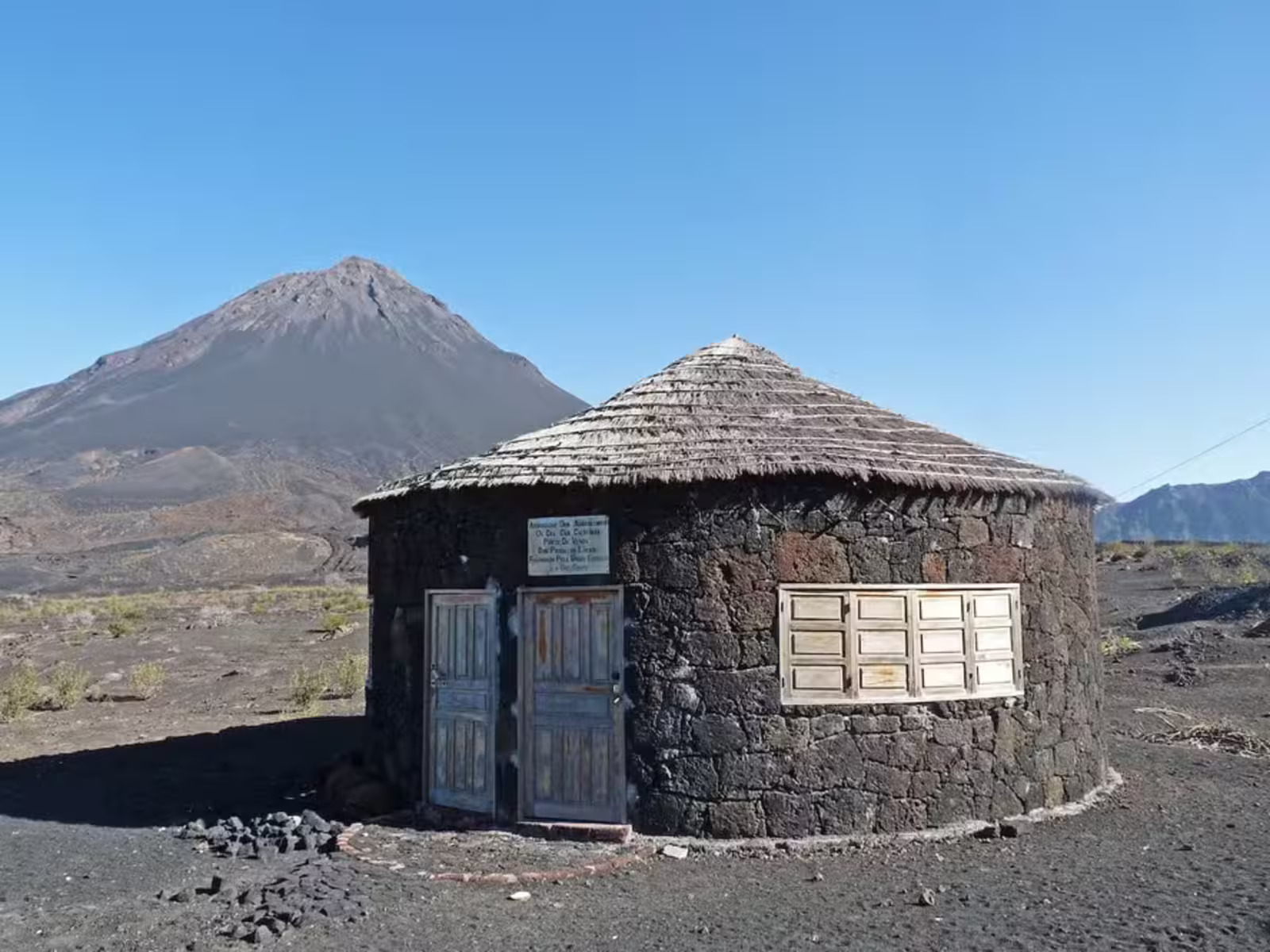
Inside an active volcano in Africa, residents use volcanic rocks to build houses in an impressive setting.
-
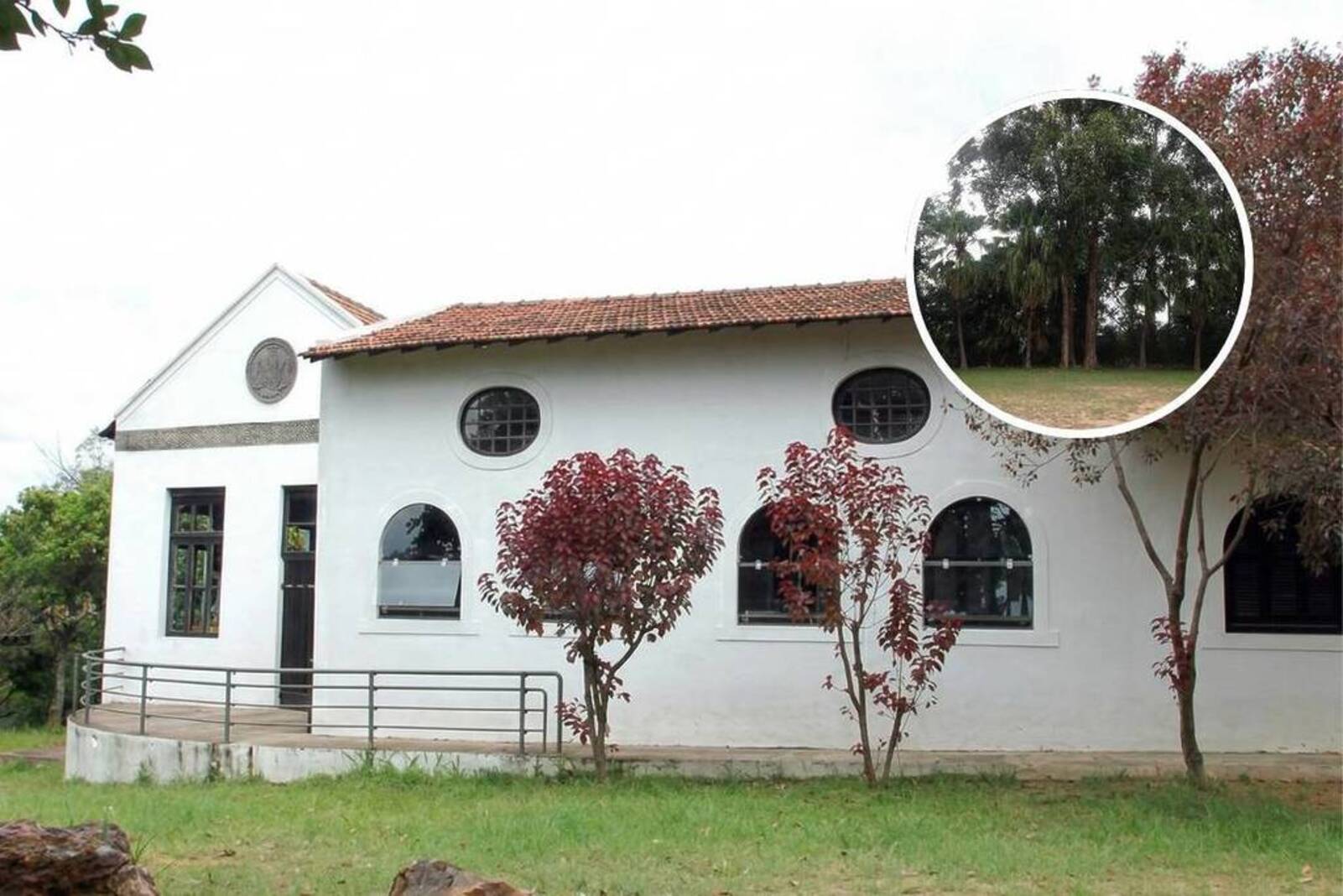
After 14 years of waiting, a rammed earth mansion built in 1702 in the North Zone of São Paulo will become a park with leisure facilities and green areas, with a million-dollar investment.
-
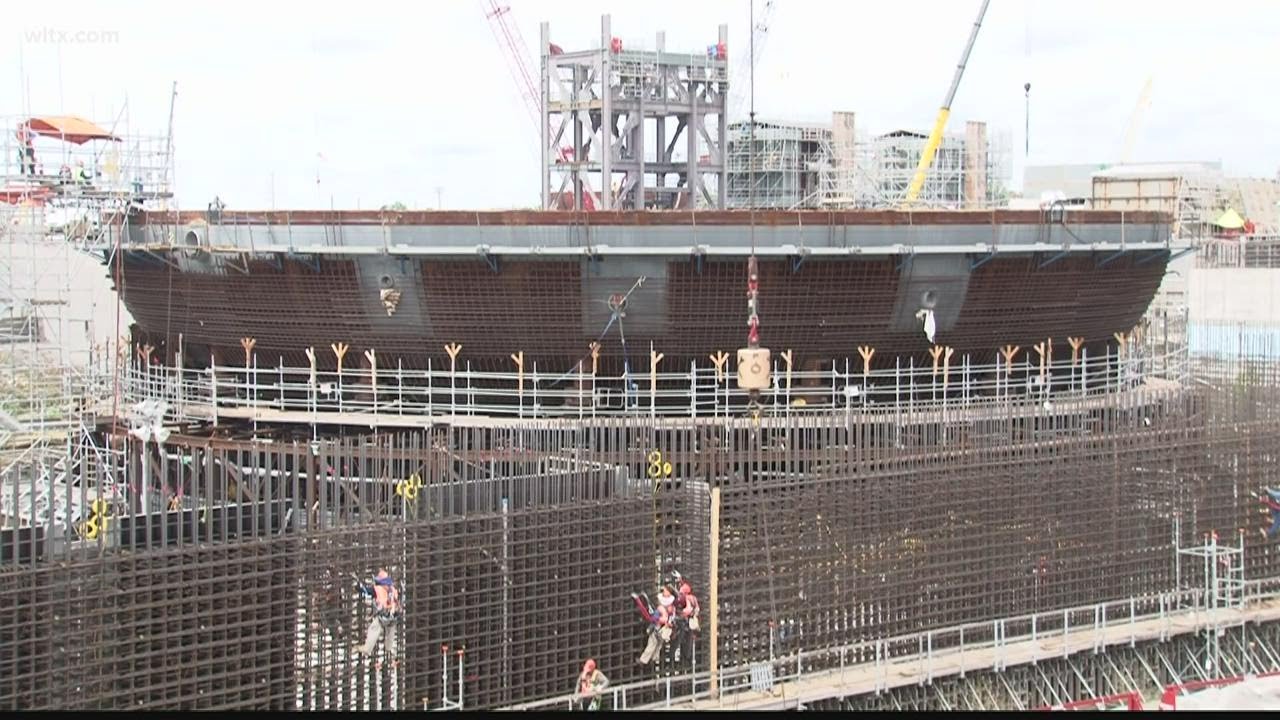
With 2 unfinished nuclear reactors, up to 25 billion in costs, and proven fraud, the Nukegate case has left 800,000 consumers still paying today for energy that will never be produced.
-
The household appliance that consumes the most energy in Brazilian homes is not the air conditioner; it is located in the smallest room of the house, is used daily, and can account for up to 25% of the electricity bill, while an alternative in the same outlet can reduce this cost by up to 75%.

It is there that the tension of the high-strength wire meets a set rigid enough not to “move” on the ground, even when initial perception suggests otherwise.
In practice, the farm fence becomes less dependent on raw wood and more reliant on alignment and triangulation.
The producer describes that this arrangement, even seeming minimalistic, delivers superior resistance to solutions mixing heavy posts with improvised diagonals, because it reduces slack and works with predictable force lines.
Simple Materials, Chain Under Control, And The Logic Of The Tensioner

The method does not require expensive machines to exist, although the account mentions that a gas-powered post driver facilitates the job and appears frequently in rental companies.
Still, the base of the process is manual: posts positioned, chain connected to the tensioning set, and finally, the tensioner activated to bring the high-strength wire to working point.
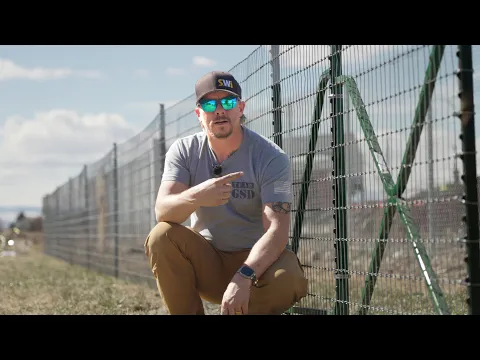
The producer Mark, in Wyoming, uses this assembly as an example of a recurring problem: spending too much on tools does not fix a poor foundation.
He also states that part of the wire and tools in this ecosystem comes from New Zealand and mentions Australia when discussing the tradition of high-strength wire, but insists that the result depends less on origin and more on the repetition of the pattern: well-marked posts, chain without twisting, and tensioner operating within the brace’s limit.
Spacing, Slope Land, And What Changes When The Ground Does Not Help

The spacing between posts appears as a variable of pressure, not as dogma.
The account notes that the marking with a tape measure sought something below 16 feet, but the producer recognizes that 2.4 meters or 3 meters can work, as long as the expected load and the type of animal do not turn the mesh into a sail in the wind.
On sloped land, the farm fence requires accepting small asymmetries without losing the structural square.
In some places, a lower pin may not even touch the ground due to the unevenness, while another remains seated.
The real adjustment becomes visual and mechanical: taller posts when necessary, depth of about 75 cm into the ground when possible, and final review to avoid the line “drawing” waves.
High-Strength Wire, Clips, And The Limit Between Speed And Safety
The high-strength wire is treated as an engineering choice, not a fashion statement.
The producer distinguishes the material from “low carbon” by its behavior under tension and uses the reference of 13 lines, 48 inches tall, and 2-inch spacing as a typical example of mesh that prevents climbing, common in areas with animals and in long stretches.
The connection between speed and reliability appears in the debate between knots and clips.
The high-strength wire knot exists, but it demands practice, space, and time.
For a quick farm fence, the producer resorts to clips in tight mesh sections, acknowledging concerns about slipping, and limits their use to this context.
The tensioner comes in here as a judge: if the tension rises too much, the brace may deform; if it rises too little, slack will appear along the span.
Where Technique Becomes Exaggeration And How To Avoid Recurring Expenses
The account is direct in exposing a common pattern in the field: when the farm fence “seems simple,” many people try to compensate with layers of complexity.
This includes excess tie-downs, accessories, and repeated tensions, which consume time and do not always generate additional rigidity.
The producer claims that he has seen more failures due to anxious improvisation than due to lack of weight.
The proposed criterion is pragmatic: sufficient tension, without the promise of “drumming” in every situation, and planned maintenance.
The chain should be checked to avoid twisting, the tensioner needs to operate within the limit of the brace, and the tie-down ends should be bent or trimmed to reduce the risk of injury to people and animals.
In terms of durability, the farm fence benefits when the system is repeatable and when the adjustment is distributed, rather than concentrated in a single point.
In the end, the farm fence described here does not eliminate technique; it selects technique.
And the discomfort it causes in some specialists arises from the lingering question: if posts, high-strength wire, chain and tensioner already deliver what is necessary, which part of the “complete package” was just habit?
Now it’s worth bringing this to real life: in your routine, what brings down a farm fence the most, soft soil, a slope, heavy animals leaning, or the attempt to “stretch until it can’t anymore”? Share a specific case and say whether you would trust clips or insist on the high-strength wire knot.







-

-

-

6 pessoas reagiram a isso.