





 Portuguese
  English
  Spanish
  4 min of reading
  0 comments


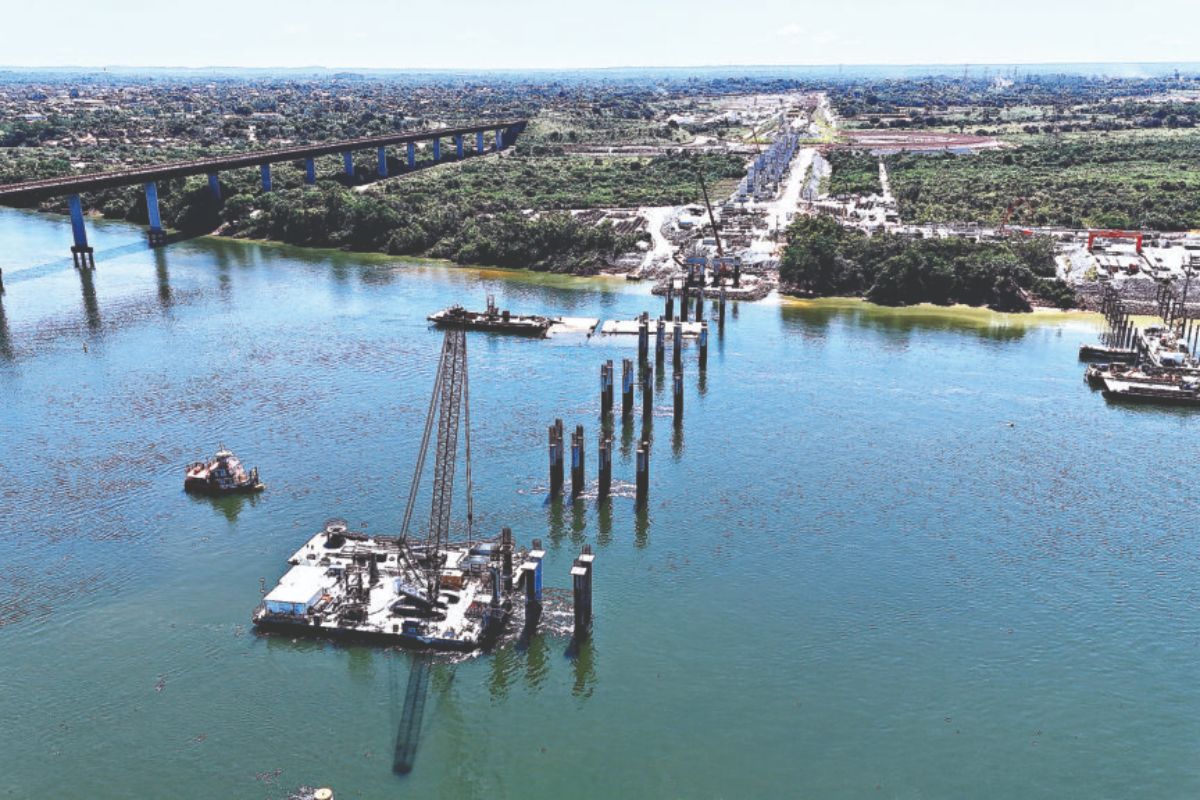
With 2.3 Km In Length, The New Vale Railway Bridge In Marabá (PA) Is A Milestone In Engineering, But The Record For The Largest Truss Bridge In Brazil Still Belongs To A Structure That Connects São Paulo And Mato Grosso Do Sul.
According To Engineering Project Data From Vale S.A., The Construction Of A New Railway Bridge Over The Tocantins River In Marabá (PA) Represents One Of The Largest And Most Complex Infrastructure Projects In The Country. However, Despite Its Grandeur, It Does Not Hold The Title Of Largest Truss Bridge In Brazil. That Title Belongs To Another Giant Of National Engineering, The Rollemberg-Vuolo Road-Rail Bridge.
The New Crossing In Marabá Is, In Fact, An Indispensable Component In The Duplication Project Of The Carajás Railway (EFC). The Work Is Essential To Expand The Transport Capacity Of Iron Ore From Pará To The Port In Maranhão, Supporting The Heaviest Freight Trains In The World And Eliminating A Crucial Logistics Bottleneck For The Brazilian Economy.
The Rollemberg-Vuolo Road-Rail Bridge
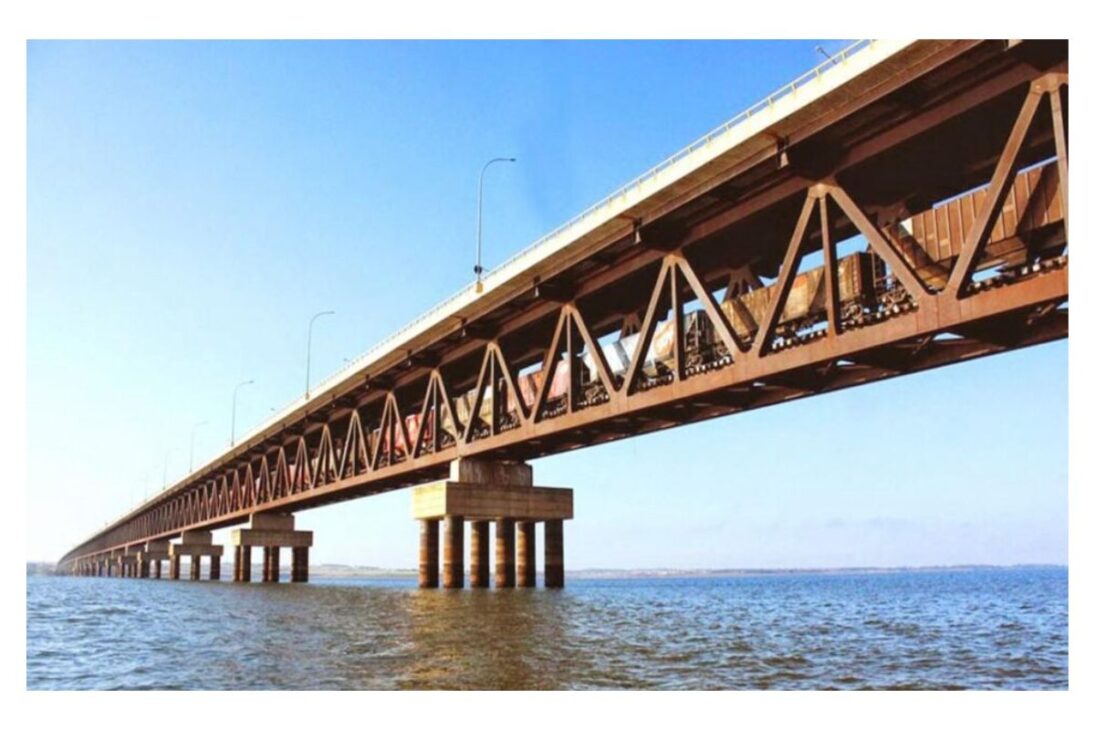
The Longest Truss Bridge In Brazil Is The Rollemberg-Vuolo Road-Rail Bridge. Inaugurated On May 29, 1998, The Structure Spans An Impressive 3,700 Meters Over The Paraná River, Connecting The Municipalities Of Aparecida Do Taboado In Mato Grosso Do Sul And Rubinéia In São Paulo.
-
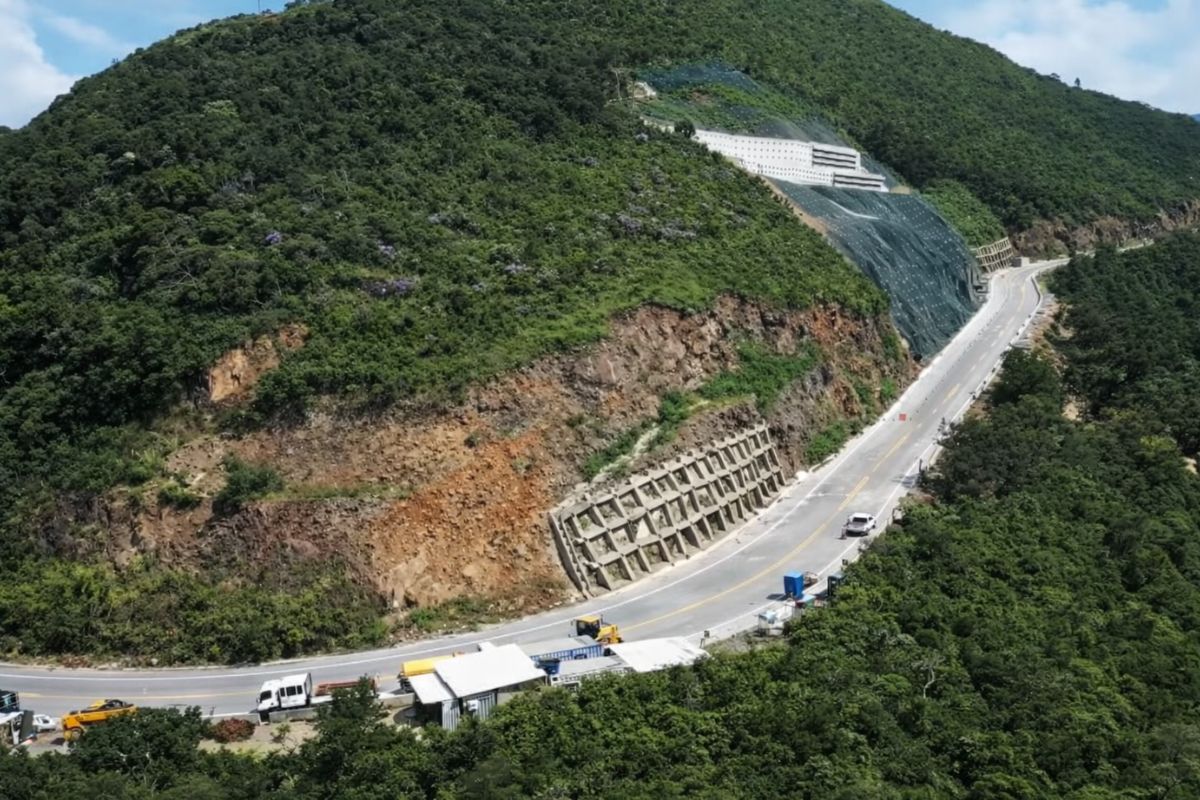
The section of Serra da Rocinha on BR-285 is now open in Timbé do Sul: 50 m tensioned curtains and top-down technique stabilize the slope, with a stairway duct controlling the water.
-
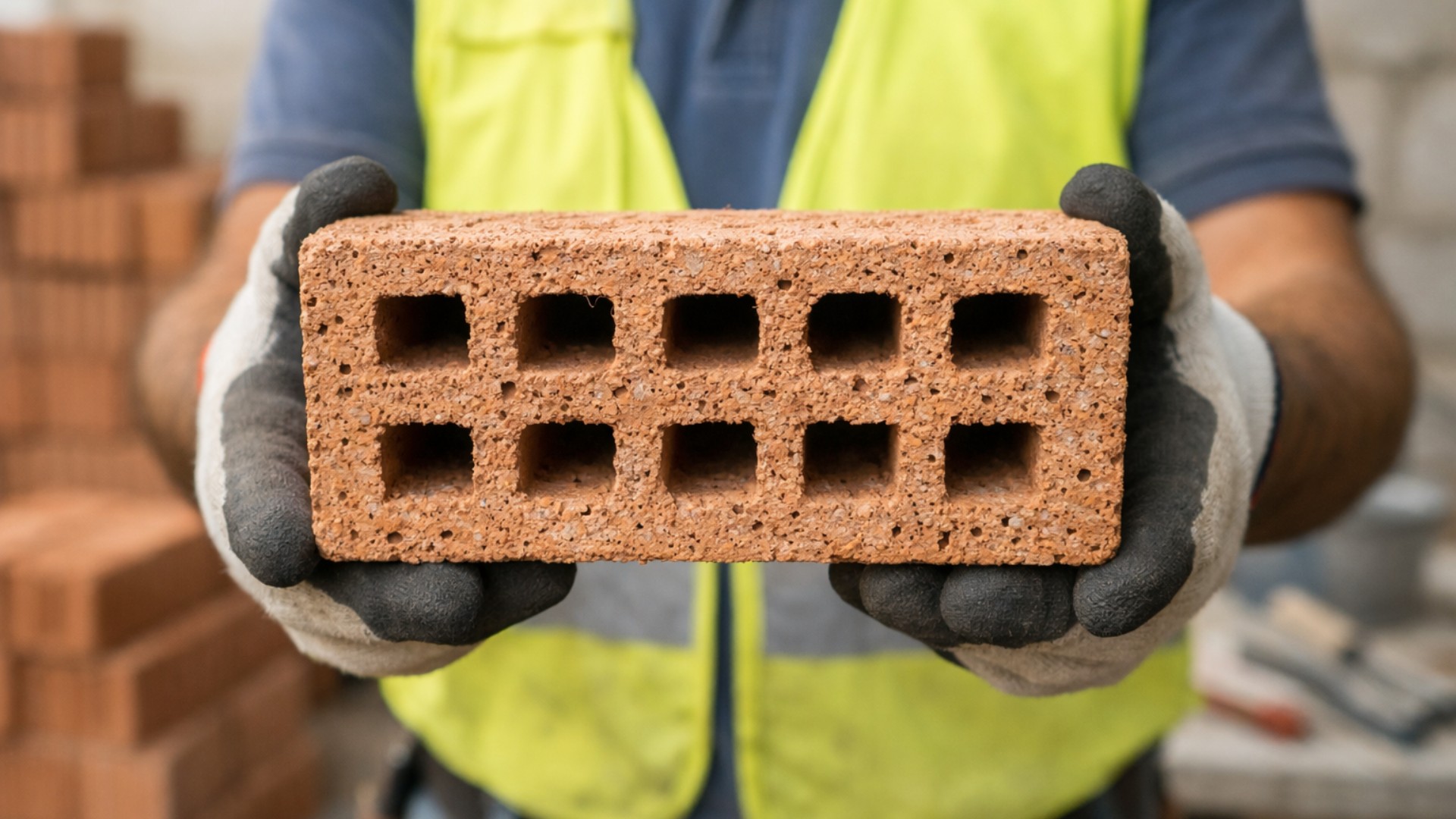
Scientists use sawdust mixed with clay to create a lighter brick, promising efficient thermal insulation and impressing by transforming waste into a solution for construction.
-
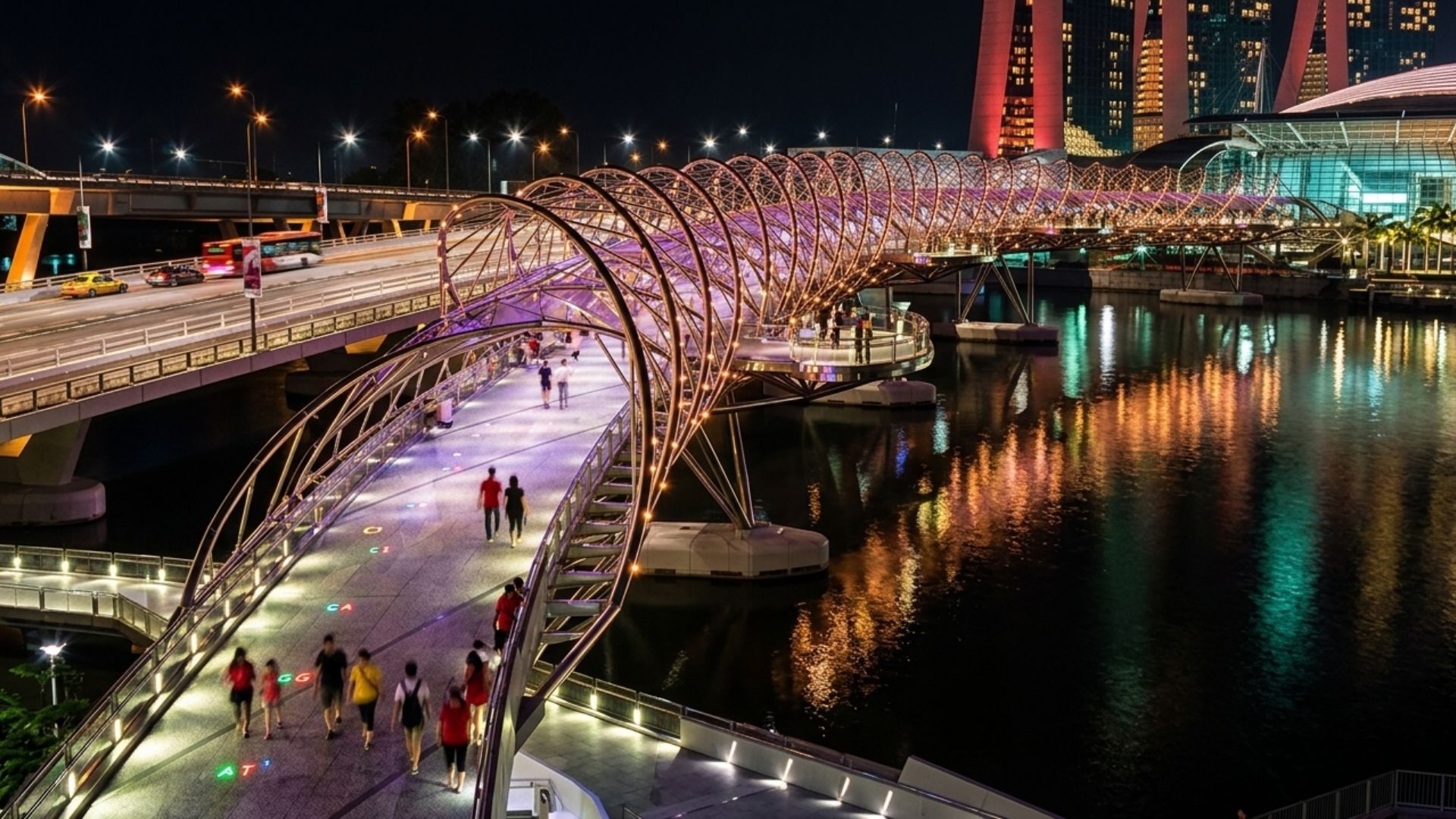
With a DNA shape, this bridge in Singapore draws attention in modern architecture and surprises tourists by transforming a simple crossing into an unforgettable visual experience in the urban heart.
-
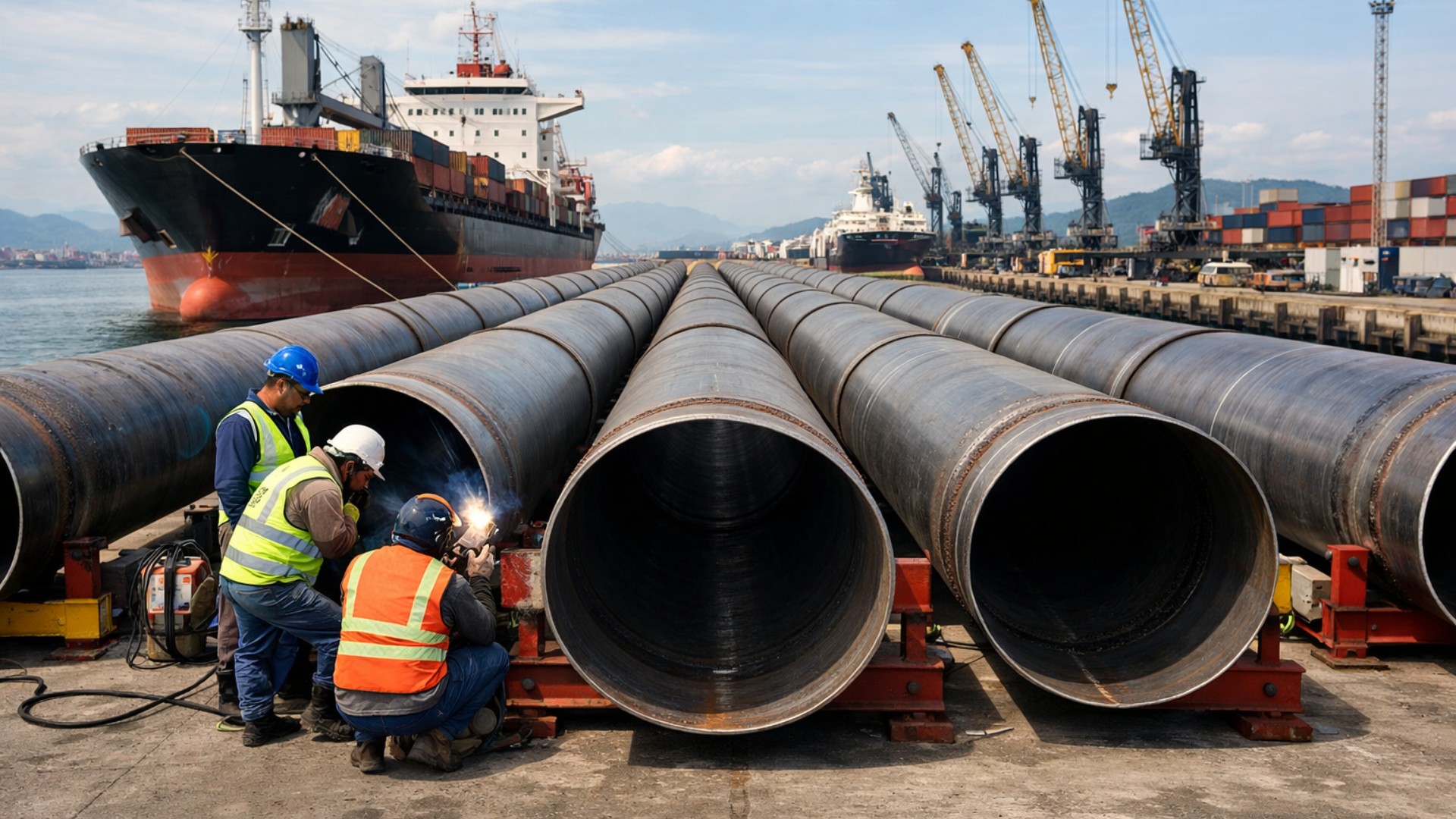
Giant underwater pipeline begins to take shape with a R$ 134.7 million project at the Port of Santos: the 1.7 km structure uses 12-meter and 700 mm pipes to supply water to 450,000 people in Guarujá.

Unlike The New Bridge In Marabá, The Rollemberg-Vuolo Is A Mixed Structure, With The Highway On The Upper Level And The Railway Below. Its Construction Was A Milestone For The Integration Of The National Railway Network And For The Flow Of Agricultural Production From The Midwest.
The New Bridge In Marabá, A R$ 4.1 Billion Project For The Carajás Railway
The New Truss Railway Bridge Over The Tocantins River In Marabá Has A Length Of 2,360 Meters. It Is Part Of A Complex Of Two Parallel Bridges (One Railway And The Other Road) Being Constructed By Vale S.A. As Part Of The Duplication Project Of The Carajás Railway (EFC).
The Total Investment In The Project Is R$ 4.1 Billion (Or US$ 830 Million). Construction, Which Began In August 2022, Is Expected To Be Completed By 2027. The Main Objective Is To Nearly Double The Transport Capacity Of The Railway, Increasing It From 130 Million To 230 Million Tons Of Ore Per Year.
The Challenges Of Constructing The New Tocantins River Crossing
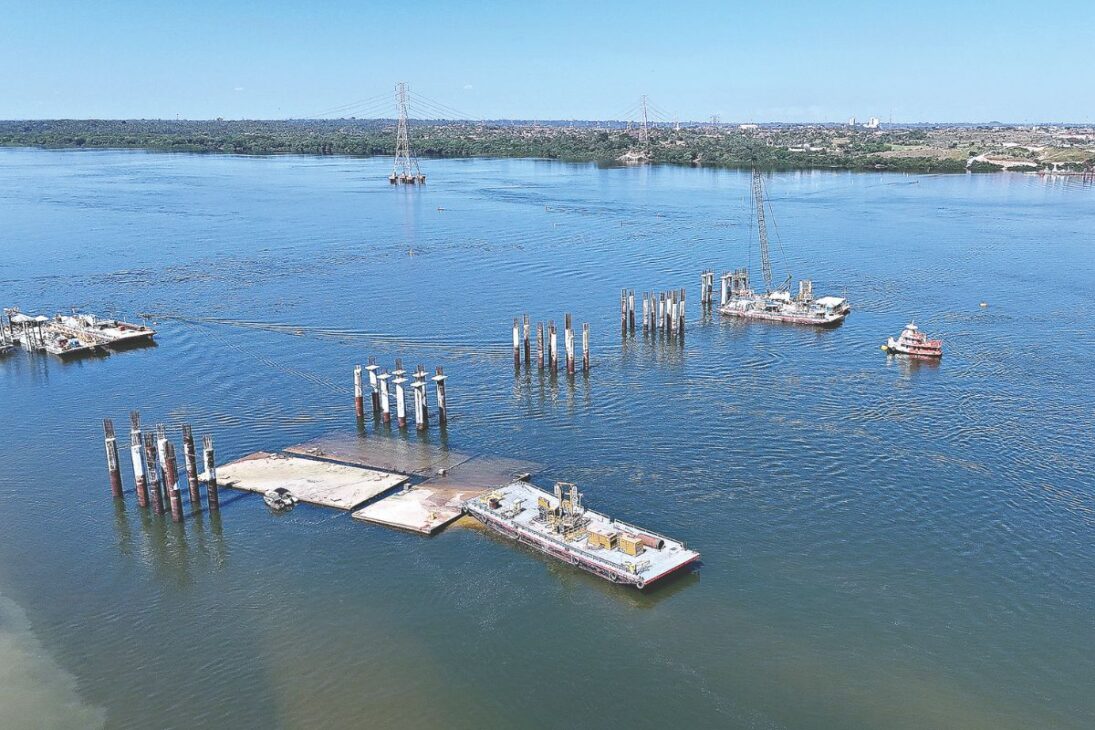
Constructing A Structure Of This Magnitude In The Amazon Requires Innovative Engineering Solutions. The Work, Executed By The Consortium Tocantins River Bridge (CPRT), Uses A Modular Construction Method, Where The Pieces Are Prefabricated At A Site And Then Assembled In The River Like A Giant “Lego”.
The Project Follows The Most Stringent International Standards Of Railway Engineering, Such As AREMA (North American) And Eurocode (European), To Ensure The Safety And Durability Of The Structure, Which Is Designed To Withstand The Heaviest Freight Trains In The World For Over 100 Years.
How The Bridge Will Unlock Ore Production
The Duplication Of The EFC, Made Possible By The New Bridge, Is Essential For The Flow Of Production From The S11D Project, The Largest Iron Ore Complex In Vale’s History. Without The New Crossing, The Transport Capacity Of The Railway Would Be A Bottleneck, Preventing The Mine From Operating At Its Maximum Potential.
The Project Also Generates A Direct Economic Impact In The Marabá Region. At The Peak Of Construction, Scheduled For 2024, The Project Is Expected To Create Over 2,000 Direct And Indirect Jobs, Prioritizing The Hiring Of Local Labor. In Addition, It Is Estimated That The Project Will Generate About R$ 59 Million In ICMS For The State Of Pará.
The Socio-Environmental Impacts In Marabá
Despite The Economic Benefits, A Project Of This Scale Also Generates Controversies. The Environmental Licensing Process, Conducted By IBAMA, Has Been Criticized By The Federal Public Ministry (MPF) Due To Its Fragmented Approach, Which, According To Critics, Does Not Assess The Cumulative Impacts Of The Entire Railway Duplication.
Furthermore, The Project Causes Direct Impacts On Local Communities, With The Need For Expropriation Of Properties And Increased Noise And Dust. As Compensation, Vale Has Entered Into Agreements With The Municipality Of Marabá, Committing To Allocate R$ 70 Million For Urban Infrastructure Works, Such As Paving And The Construction Of A New Wing In The Municipal Hospital.








Seja o primeiro a reagir!